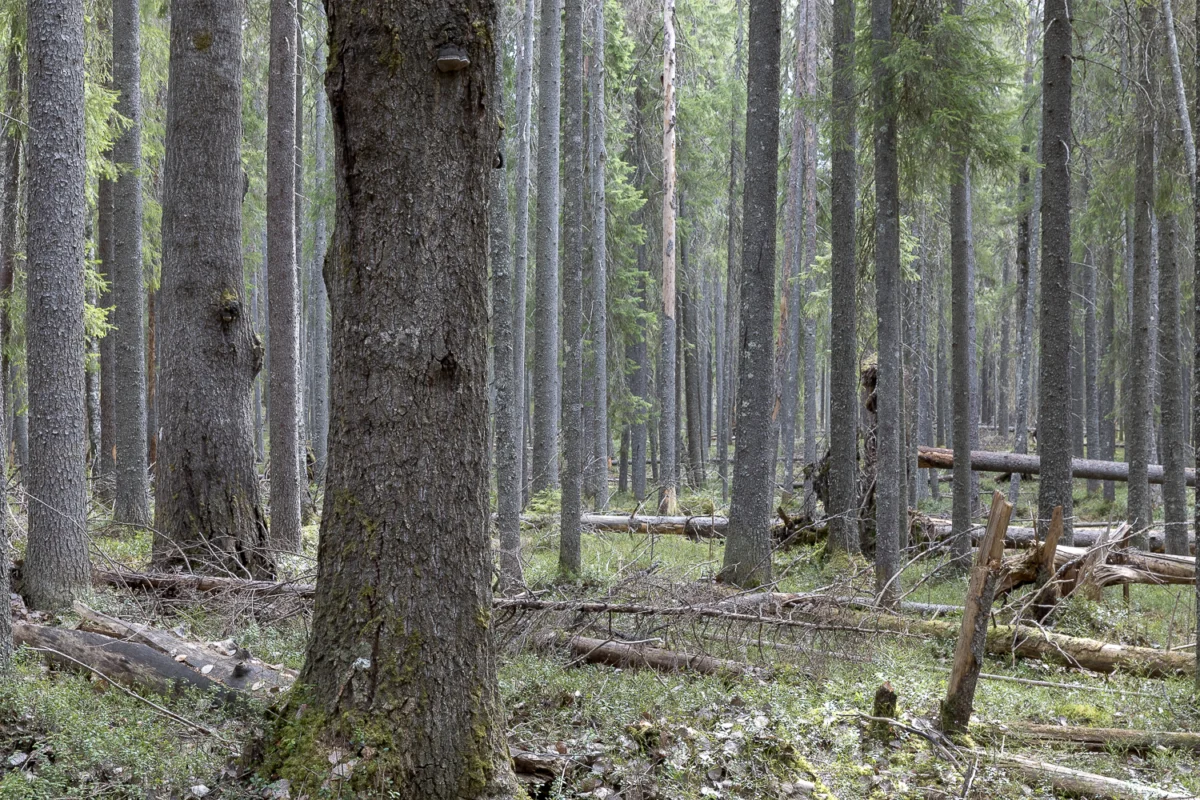
While the rugged forests and peatlands of Kainuu in Finland offer a sanctuary for modest, shade-loving orchids such as the lesser twayblade (Neottia cordata) and the creeping lady’s-tresses (Goodyera repens), they are not the true hotspots of orchid biodiversity. To find the charismatic, show-stopping species that define the genus, one must look toward the limestone-rich islands of the Baltic Sea. In regions like Öland, Gotland, and Estonia’s Saaremaa and Vormsi, the landscape transforms into an orchid paradise, defined by unique geological foundations and open, pastoral habitats.
Main Facts: The Geological Requirements of Baltic Orchids
The secret to the abundance of orchids on the Baltic islands lies beneath the surface. Many of these species are calciphiles—plants that thrive exclusively in soil rich in calcium carbonate. In these areas, limestone bedrock is often covered by only a thin layer of soil, creating an "alvar"—a rare, steppe-like biotope characterized by shallow, nutrient-poor, yet lime-rich conditions.
Orchids have evolved to survive in these extreme conditions through complex symbiotic relationships. Because their seeds are microscopic and lack endosperm (nutritional reserves), they rely entirely on mycorrhizal fungi in the soil to germinate and develop. This specific requirement makes them "oikullinen" (fickle or temperamental) plants; they may flourish for a season and then vanish for years, retreating into the soil as subterranean tubers.
Chronology of Botanical Discovery and Loss
For a decade at the turn of the millennium, our observations were centered on the island of Vormsi, Estonia. Living there provided a firsthand look at species that are either rare or entirely absent from the northern reaches of the Finnish mainland.
The Elusive Punavalkku (Red Helleborine)
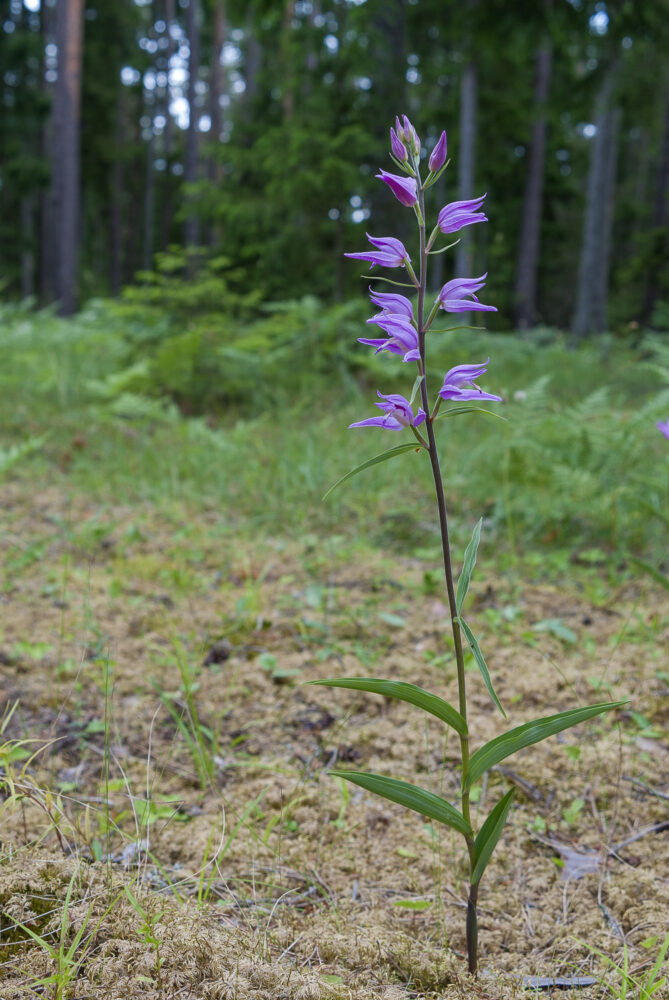
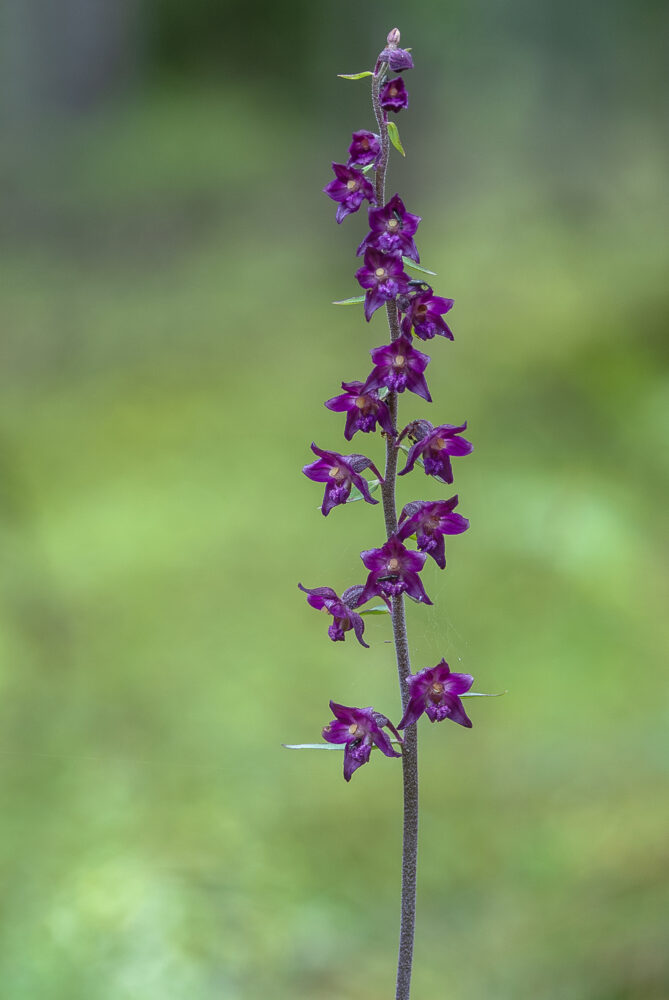
The Cephalanthera rubra, or red helleborine, is perhaps one of the most enigmatic species. In Finland, it is considered one of the rarest orchids, found at only a few sites near Lake Lohjanjärvi. It does not flower with any regularity; an individual plant might bloom once and disappear for years.
On Vormsi, however, we encountered them frequently along the mossy, forested cart tracks. These spots provided the perfect balance of dappled light and woodland protection. Interestingly, the red helleborine does not offer nectar, nor does it produce a scent. It relies on a "beauty-based" strategy, tricking pollinators into visiting its striking violet-red flowers.
The Fading Miekkavalkku (Sword-leaved Helleborine)
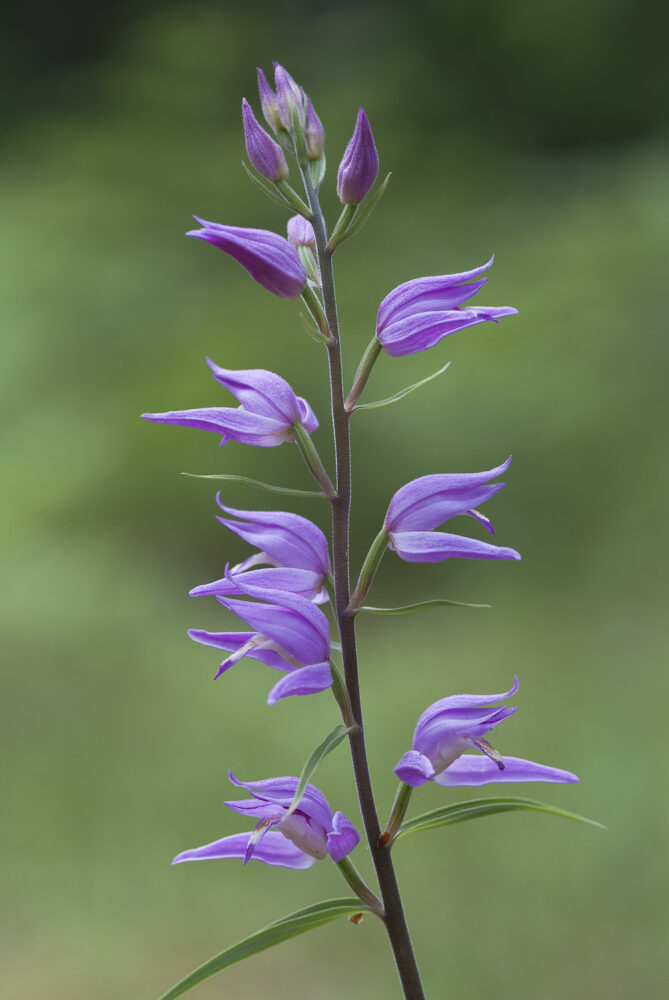
The Cephalanthera longifolia (sword-leaved helleborine) is a tragic example of habitat loss. Once found more widely, its population in Finland is now restricted almost exclusively to the Åland Islands, where it is in steep decline. The species is highly sensitive to forestry activities and the encroachment of scrubland. Furthermore, it has become a favored snack for the roe deer population, which has seen a significant increase in the region.
The Disappeared Mesikämmekkä (Small-white Orchid)
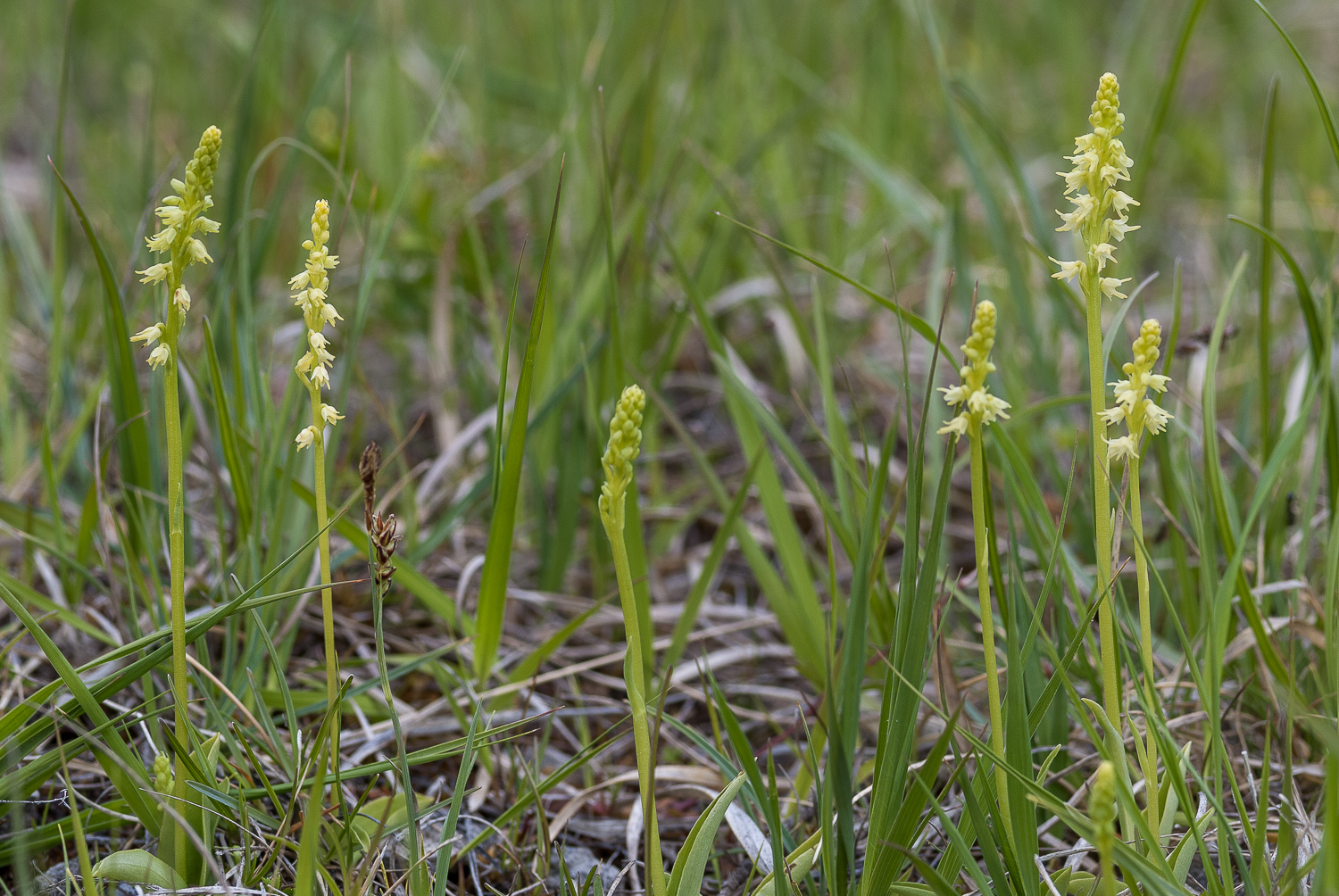
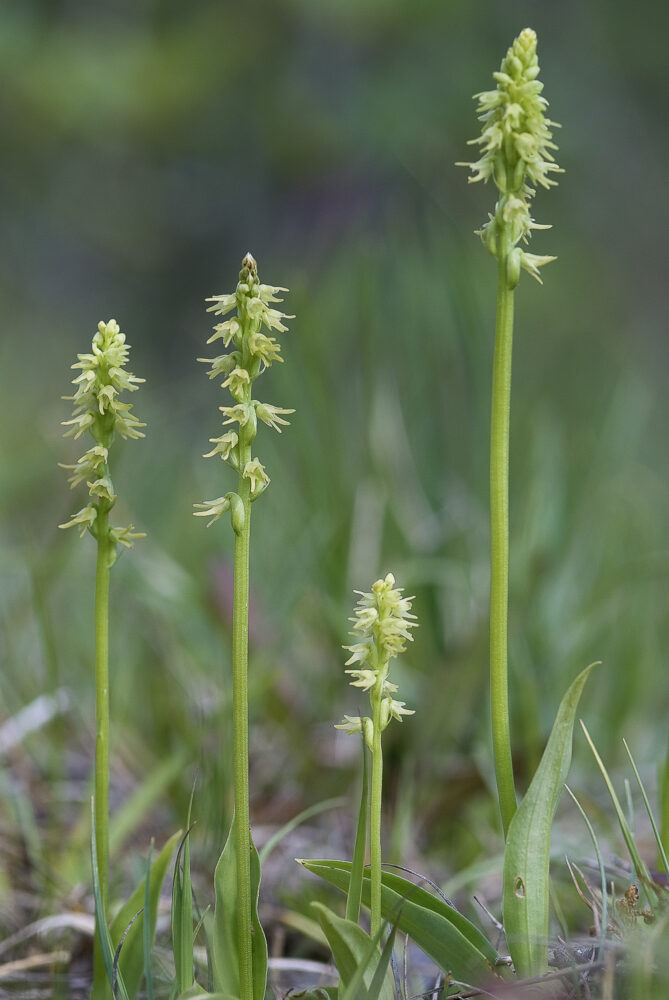
The Pseudorchis albida, or small-white orchid, was once present in mainland Finland, specifically in Tuulos, but disappeared in the 1930s due to agricultural land clearing. On Vormsi, we were fortunate to find them on an alvar, a landscape that oscillates between waterlogged during rainy spells and bone-dry during droughts. Unlike the nectar-less helleborines, the small-white orchid rewards its pollinators, ensuring higher seed production. Yet, despite this, it has vanished from most of its historical sites in Finland, largely due to the loss of traditional grazing lands.
Supporting Data: The Evolutionary Tactics of Orchids
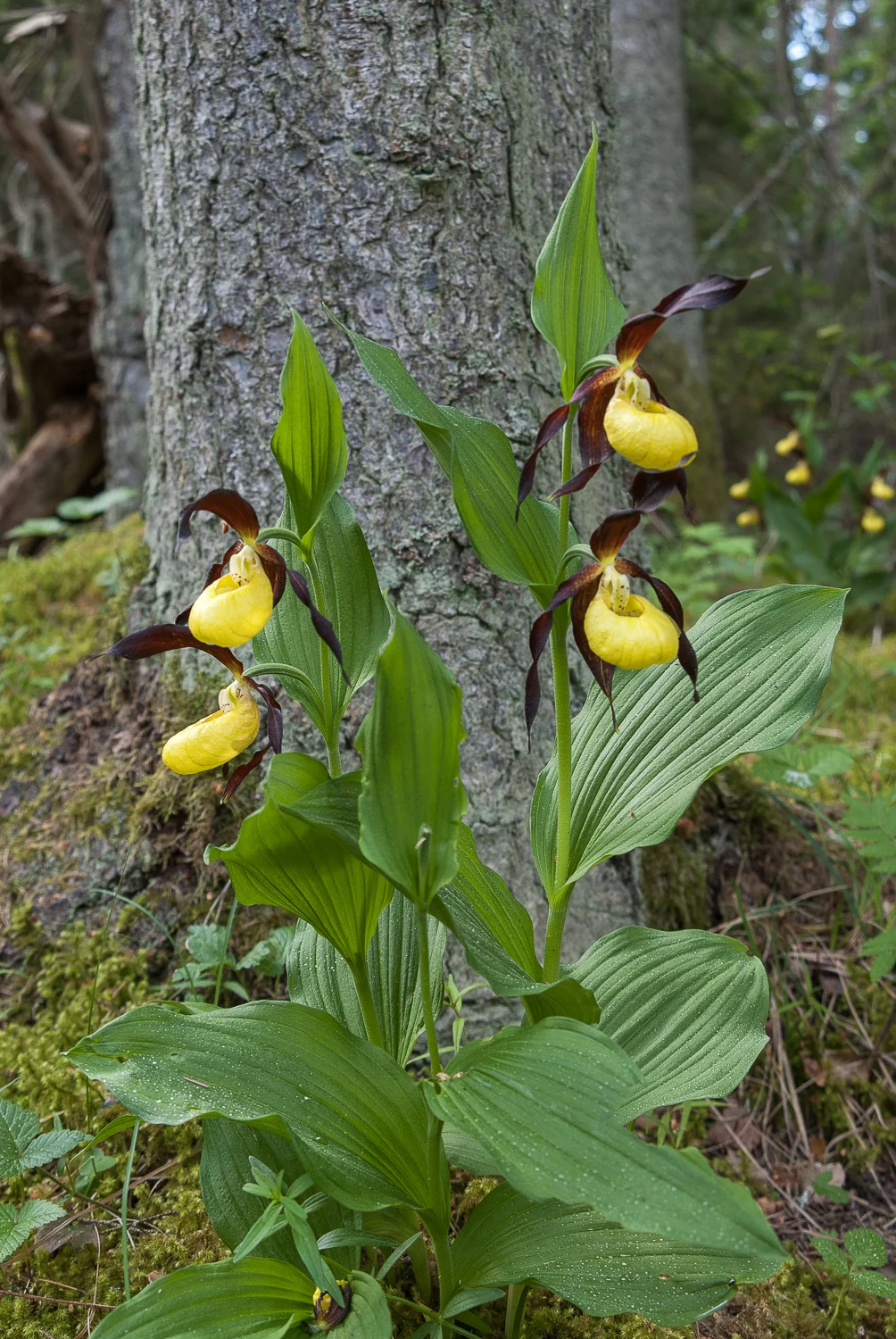
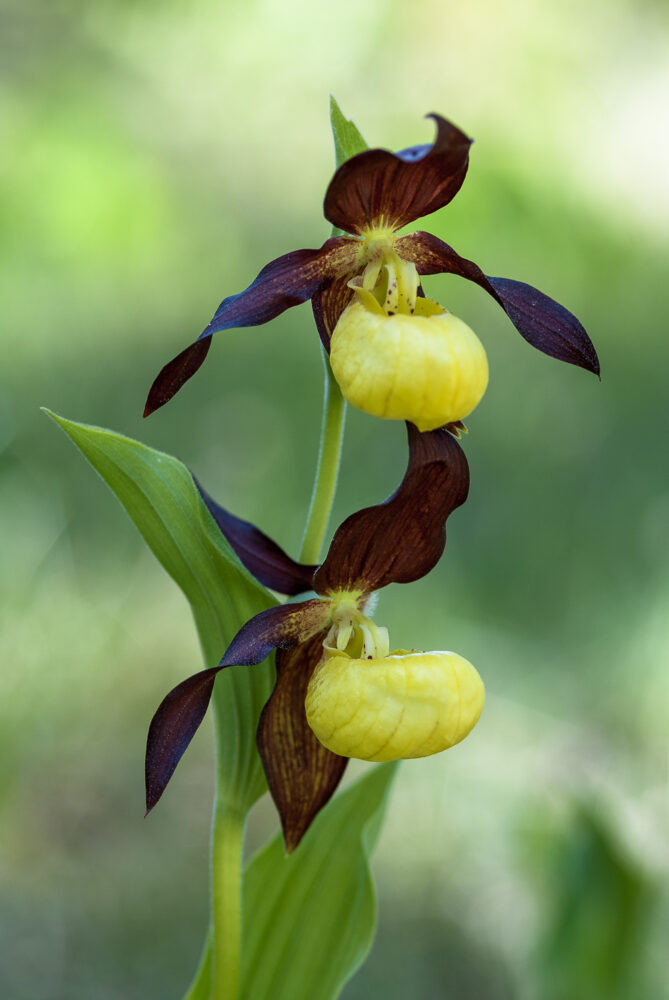
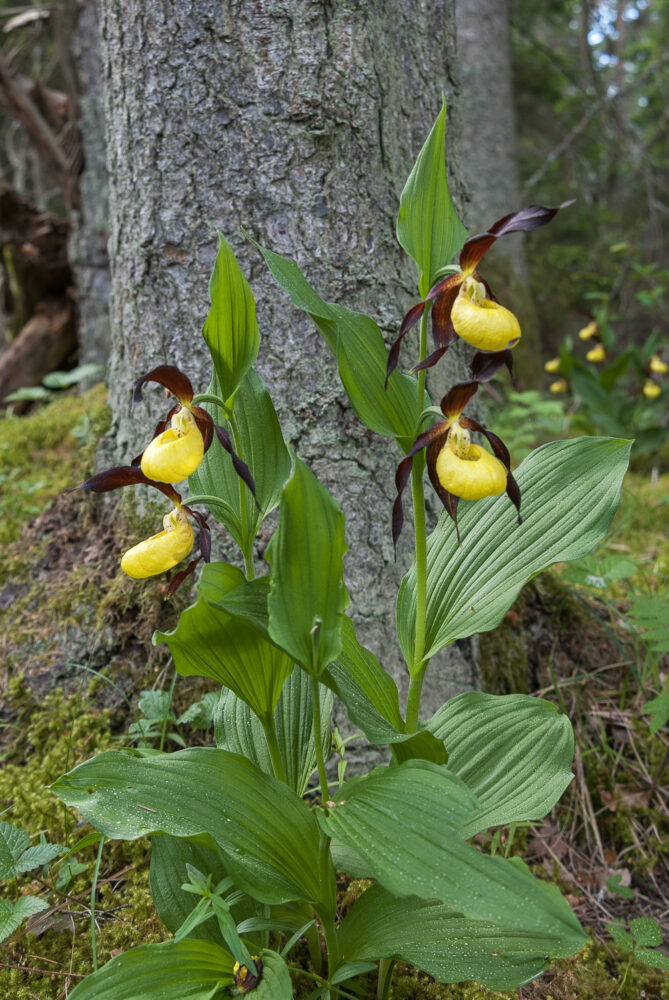
The survival strategies of these plants are as diverse as they are fascinating. The Cypripedium calceolus, or Lady’s Slipper, is the most spectacular of these northern orchids. Known in Estonian as kaunis kuldking (beautiful gold-shoe), it employs a clever trap mechanism.
When a small insect enters the yellow "slipper," the interior structure makes it difficult to climb back out. The only way out is a narrow passage that forces the insect to brush against the pollinia (pollen masses). While larger insects like bumblebees may bypass the trap, smaller pollinators are frequently caught. Even after such an ordeal, these insects are often drawn back to the flower because the orchid mimics the pheromones of specific mining bees, creating an irresistible, albeit deceptive, attraction.
Official Perspectives and Conservation Implications
The disappearance of these species from the Finnish landscape is a direct consequence of shifting land-use patterns. Many of these orchids were "hitchhikers" on the traditional agricultural landscape; they thrived in pastures kept open by grazing livestock. As traditional farming methods have been abandoned, forests have overgrown these meadows, suffocating the orchids.
The Role of Mycorrhiza
Conservationists emphasize that you cannot simply "transplant" these orchids to a garden. Because they are biologically tethered to the underground fungal network of their specific habitat, they almost always die when moved. The practice of digging them up for private gardens is not only illegal in many areas but is also biologically futile.
Climate and Connectivity
The erratic, long-distance dispersal of orchid seeds—which are as light as dust—means that even if a new, perfect habitat is created, it may take years or decades for a seed to find its way there and establish a symbiotic connection with the local fungi. This makes the protection of existing, large-scale habitats, such as the limestone alvars of the Baltic, absolutely critical.
Conclusion: A Fragile Legacy
The orchids of the Baltic represent a delicate intersection of geology and biology. Their presence is a bellwether for the health of our meadows and the preservation of traditional pastoral landscapes. While the "show" is currently better in the limestone-rich islands of Estonia and Sweden, the potential for these species to return to the Finnish landscape remains, provided we can maintain the open, nutrient-poor, and undisturbed conditions they require.
For those interested in further study, resources like LuontoPortti or the Pohjolan kasvien pauloissa website offer invaluable data on the identification and status of these rare plants. Protecting them is not merely about preserving a pretty flower; it is about protecting the complex, invisible, and ancient networks that sustain them.
Quick Summary Table: Key Baltic Orchid Species
| Species | Status in Finland | Habitat Preference |
|---|---|---|
| Red Helleborine | Extremely Rare | Light, mossy coniferous forest edges |
| Sword-leaved Helleborine | Critically Endangered | Open, lime-rich woodlands |
| Small-white Orchid | Extinct (Mainland) | Alvar, wet/dry grasslands |
| Lady’s Slipper | Rare | Rich fens and herb-rich forests |
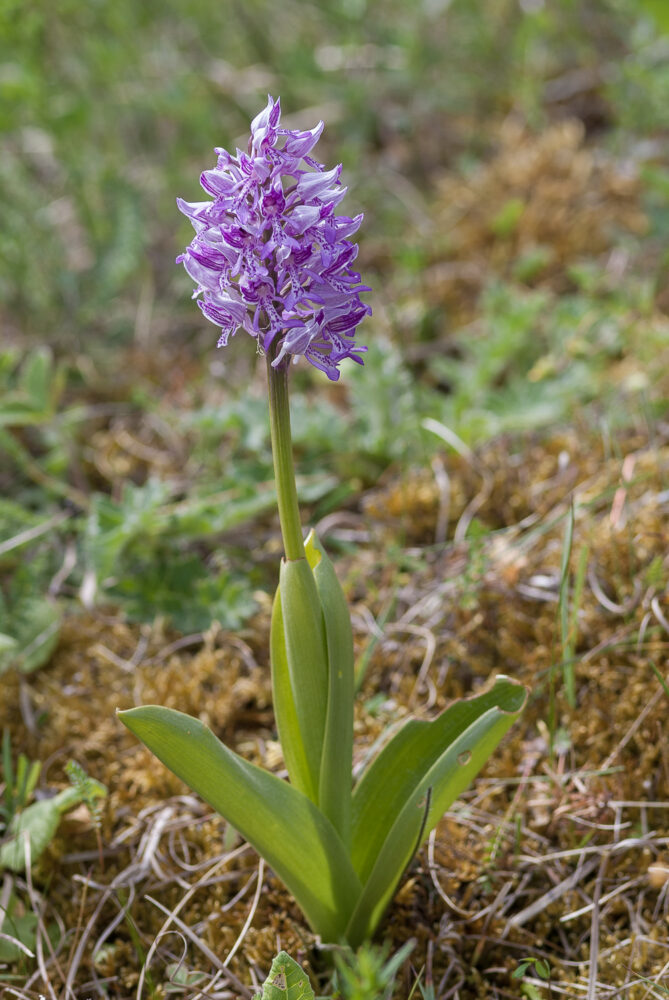
| Soikkokämmekkä | Rare/Occasional | Limestone-influenced meadows |
As we continue to observe these plants, it remains clear that our role as stewards of the land is the single most important factor in whether these "fickle" beauties continue to bloom or vanish into the annals of botanical history.