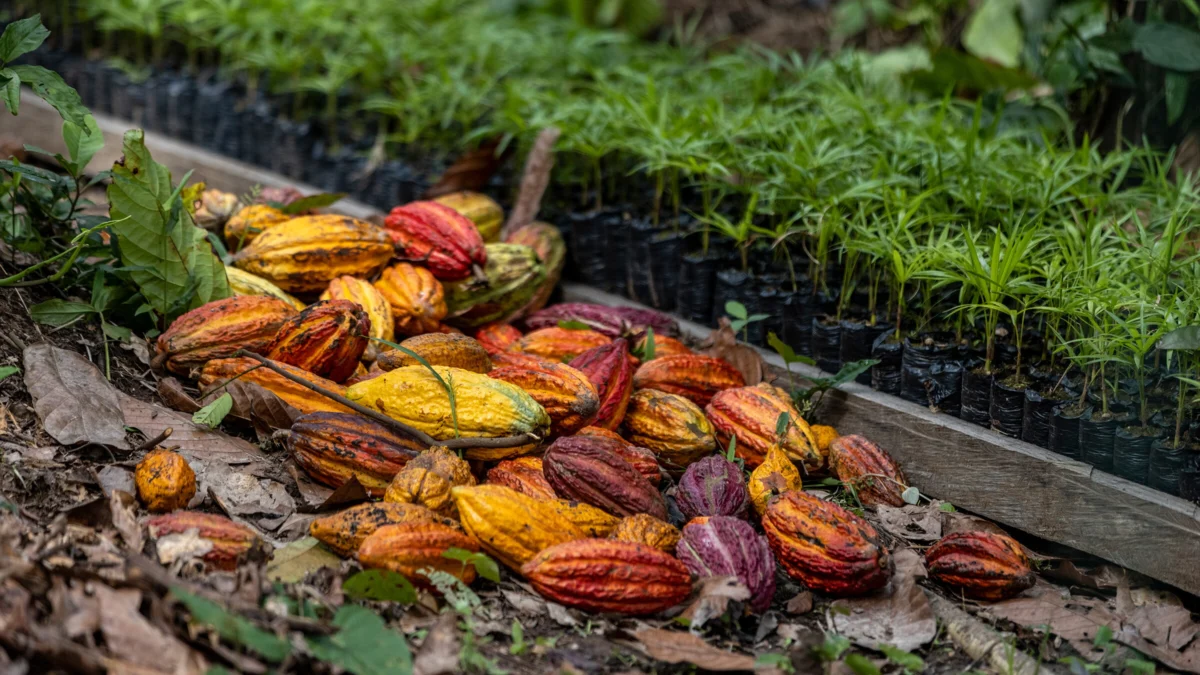
The global chocolate industry, a multi-billion-dollar enterprise that brings comfort and joy to millions, is currently grappling with a severe identity crisis. Behind the glossy packaging and the promise of indulgence lies a supply chain deeply entangled with environmental degradation, human rights concerns, and systemic transparency issues. As the European Union prepares to enforce landmark legislation aimed at curbing global forest loss, the latest Chocolate Scorecard reveals a stark reality: for the vast majority of companies, the path to a sustainable, deforestation-free future remains frustratingly long.
The State of the Industry: The 2024 Chocolate Scorecard
The Chocolate Scorecard, an annual, independent assessment coordinated by the coalition Be Slavery Free and backed by various NGOs and research institutions, serves as a mirror for the industry’s conscience. In its latest iteration, the results are sobering. Out of 49 companies evaluated, a mere eight could provide verifiable, ironclad proof that their chocolate production does not contribute to deforestation.
This lack of transparency is not merely a bureaucratic oversight; it is a fundamental challenge to the global climate agenda. Cocoa is one of the most significant drivers of deforestation among commodities consumed in the European Union. As forests are razed to make way for cocoa plantations—particularly in West Africa, which produces the lion’s share of the world’s supply—the biodiversity and carbon-sequestration capacity of these vital ecosystems are decimated.
Chronology of Crisis and Regulation
The narrative of cocoa-driven deforestation is not new, but the legislative response is accelerating. For decades, the industry operated with a "business-as-usual" approach, where the demand for cheap cocoa prioritized volume over environmental stewardship.
However, the tide began to turn with the development of the European Union Deforestation Regulation (EUDR). Scheduled to come into force at the end of this year, the EUDR marks a paradigm shift in global trade. It explicitly prohibits the entry of products into the EU market if they are linked to deforestation or forest degradation.
The impending enforcement of this regulation has acted as a catalyst for change. Even before the law becomes fully active, the mere shadow of its requirements has forced companies to scramble to map their supply chains and implement stricter verification systems. The Chocolate Scorecard has evolved alongside these regulatory shifts; its criteria have become increasingly stringent, reflecting the reality that what was considered "good enough" five years ago is now entirely insufficient.
Supporting Data: Why "Business as Usual" is Failing
The severity of the situation is underscored by a February report from WWF, titled From Past to Future: How Business-as-Usual Cocoa Drives Forest Loss and What We Can Do. The findings are damning: current cultivation practices are actively accelerating the destruction of tropical forests in Africa.
The Chocolate Scorecard expands its scope beyond just deforestation, evaluating companies on three critical pillars:
- Deforestation and Land Use: The core environmental metric.
- Livelihood and Income: The economic imperative of ensuring farmers are paid a living wage.
- Labor Rights: The ethical necessity of eradicating child and forced labor.
The data reveals a fragmented industry. While some companies have made significant strides, others remain opaque. For instance, Swiss giant Halba has achieved a historic milestone, becoming the first major company to earn a "green" (highest) rating across every single category. Conversely, many other firms continue to hide behind vague promises or incomplete data sets, failing to substantiate their claims of sustainability.
The "Good Egg" Standard: Lessons from the Leaders
The Chocolate Scorecard awards the "Good Egg" prize to those demonstrating exceptional leadership. In this year’s assessment, the Swiss company Halba took the title for large corporations, while the Dutch firm Original Beans was honored among smaller, artisanal producers.
What distinguishes these leaders from their peers? According to Maija Kaukonen, an international forestry expert at WWF Finland, the difference lies in accountability and radical transparency.

"Leading companies demonstrate that ending deforestation and meeting EUDR requirements is not an impossible demand," says Kaukonen. "It is a viable, achievable path for any actor in the chocolate industry willing to invest in their supply chain."
These companies have implemented robust monitoring systems. For example, they are moving toward a model where they stop purchasing cocoa from farmers who are found to be clearing land for new plantations. Crucially, they do not simply abandon these farmers; they offer a path back into the supply chain provided the farmers demonstrate active engagement in forest restoration and sustainable land management. This "carrot-and-stick" approach is proving more effective than empty corporate pledges.
Implications for Stakeholders: The Case of Fazer and Lidl
The transparency movement has also cast a light on companies that have previously participated in such assessments but have chosen to step back. The Finnish company Fazer, which had participated in the scorecard for four consecutive years, declined to provide data for the most recent assessment. This lack of participation is particularly notable given that Fazer’s overall rating had dropped in the previous year, suggesting a decline in its performance metrics.
Similarly, the grocery retailer Lidl did not participate this year, nor did it take part in the previous assessment, despite having performed well in earlier years. The withdrawal of such major players from independent, public, and transparent evaluations raises questions about corporate commitment to continuous improvement.
As Kaukonen emphasizes, "Transparency is not about perfection; it is about the willingness to be evaluated and a commitment to improvement. The criteria of the Chocolate Scorecard are intentionally tightening because as the industry evolves, so must our standards."
The Path Forward: Beyond Compliance
The implications of the current landscape are profound. The industry stands at a crossroads: adapt to the demands of a sustainability-focused regulatory environment or face being shut out of the European market.
Key Areas for Immediate Action:
- Traceability: Companies must achieve full traceability to the farm level. Without knowing exactly where the cocoa originates, they cannot guarantee it was not grown on deforested land.
- Living Income: The prevalence of child and forced labor is deeply tied to poverty. Unless the industry pays a living wage to farmers, the economic desperation that fuels poor land management and unethical labor practices will persist.
- Restoration: Companies must shift from a posture of "preventing harm" to "actively restoring." The damage already done to tropical forests must be mitigated through reforestation initiatives supported by the profits generated by the cocoa trade.
Conclusion: The Responsibility of the Consumer
While the Chocolate Scorecard serves as a vital tool for holding corporations accountable, the responsibility also lies with the consumer. By choosing to support companies that are transparent, independently verified, and committed to both ecological and social justice, consumers can create the market pressure required to force the laggards to change their ways.
The era of unchecked environmental exploitation in the chocolate industry is drawing to a close. The EUDR is merely the first major hurdle. For the cocoa sector to survive and thrive, it must embrace a future where the sweetness of the product is matched by the integrity of its production. As the industry looks toward the next evaluation, the question remains: which companies will join the leaders, and which will continue to hide in the shadows of an unsustainable past?
The Chocolate Scorecard will continue to serve as the definitive, public, and independent benchmark. For the companies involved, the choice is simple: evolve with the science and the law, or accept that the global consumer is becoming increasingly unwilling to pay for a product that costs the earth.
Note: Fazer and Lidl are corporate partners of WWF Finland. WWF maintains its independence in its reporting and evaluation of corporate sustainability practices.