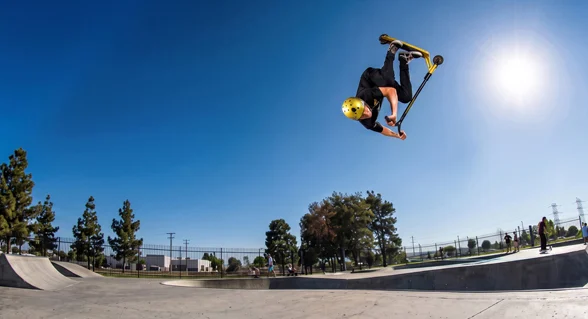
In an era defined by the cult of "more"—more miles, more elevation gain, more digital documentation, and more extreme physical output—a quiet, tectonic shift is occurring within the outdoor community. For decades, the narrative of adventure has been dominated by the heroic: the FKT (Fastest Known Time), the endurance suffer-fest, and the pursuit of the improbable. But as the landscape of our society grows increasingly digitized and fragmented, a counter-movement is emerging. It is not necessarily a rejection of high-performance sport, but rather a profound recalibration of what we truly require from the wild.
Stephen Casimiro, founder and editor of Adventure Journal, recently posited a compelling thesis: the most radical adventure is often the one that feels entirely unremarkable. By documenting a single, "perfect" week—one devoid of grand expeditions but brimming with quiet, purposeful engagement with the natural world and local community—Casimiro has touched a nerve that resonates with a growing demographic of outdoor enthusiasts.
A Week in the Life: The Anatomy of an Unremarkable Adventure
The "perfect week," as described by Casimiro, provides a blueprint for a life lived with intention rather than mere consumption. It serves as a stark contrast to the performative nature of modern adventure media. The week’s itinerary was defined by proximity, curiosity, and relational depth rather than extreme exertion.
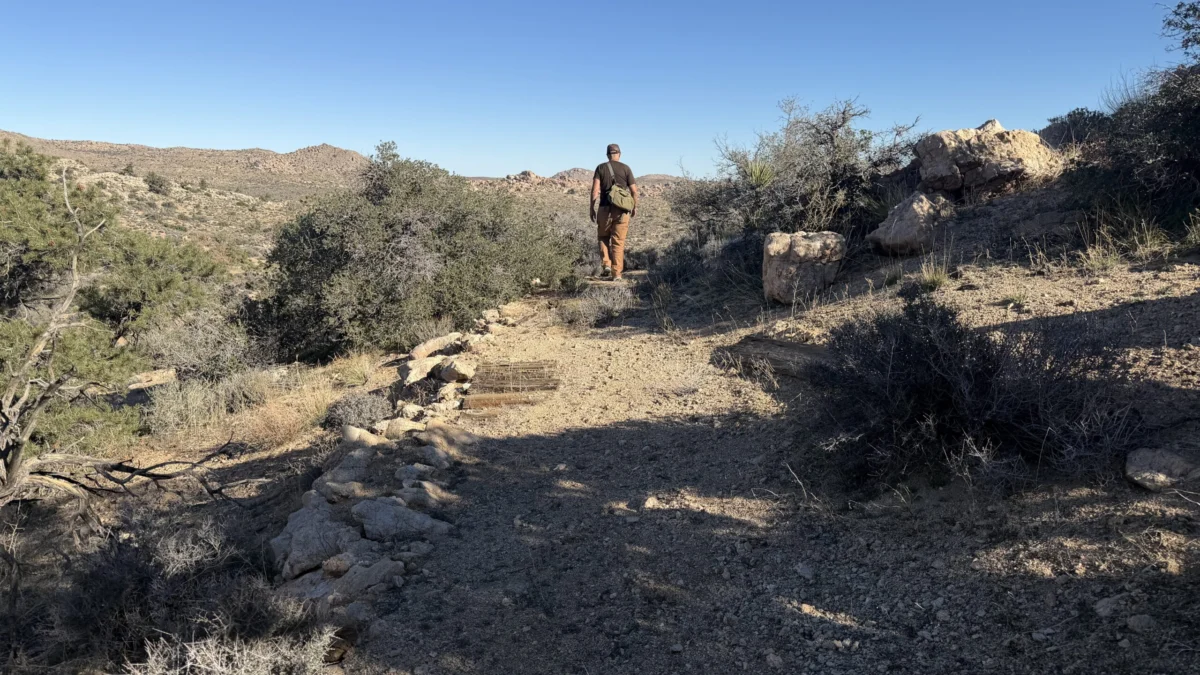
- The Solo Discovery: A local hike, mere miles from home, yielded the discovery of ancient rock art and a potsherd—a reminder that the "wild" is not a place you travel to, but a place you inhabit.
- Ancestral Skills: A walkabout to forage for oak galls for ink-making and cottonwood for a friction fire kit represented a shift from using nature as a backdrop to engaging with it as a participant.
- Collaborative Exploration: A meeting with a friend, Jeff, utilized modern tools (Google Earth) to map out local mountain bike trails, proving that technology can facilitate, rather than replace, local adventure.
- The "World-Saving" Dialogue: A hike with friend Kelly, followed by tacos, served as a quintessential example of the human need for community discourse—a forum to process the anxieties of a changing world.
- Ecological Forensics: An outing with Brad, where the duo investigated the scene of a mountain lion’s hunt, transformed a simple walk into an exercise in ecological observation and forensic curiosity.
These events were interspersed with the mundane realities of work and home maintenance. It was not an "escape" from life, but an integration into it.
The Shifting Paradigm: From Performance to Presence
For years, Adventure Journal has functioned as a mirror for the outdoor industry. Observers have noted a deliberate editorial pivot over the past 24 months, moving away from the "conquest" narrative and toward the "connection" narrative.
The "Walking" Debate
The shift hasn’t been without its skeptics. When Casimiro argued in AJ38 that walking is the "purest expression of human adventure," the editorial team fielded questions about whether such a stance might alienate the magazine’s core base of cyclists and paddlers. The response was unexpected. Instead of alienation, the piece sparked a wave of feedback from elite athletes and weekend warriors alike, expressing a collective fatigue with the "faster, harder, longer" mantra.
This feedback loop suggests that even those who are ostensibly the most committed to "performance adventure" are feeling the spiritual toll of the modern pace. The world, it seems, is ready to return to the old ways—not as an act of regression, but as an act of survival.
The Context: Why We Are Dislocated
The pursuit of adventure has always been a quest for meaning, but the search has taken on an urgent, desperate quality. As we face the cascading consequences of climate change, the proliferation of data centers, and the environmental catastrophe of fast fashion, the "starkness of our dislocation" is undeniable.
The modern mental health crisis is not a coincidental byproduct of this era; it is a symptom of our disconnection from the systems that sustain us. We live in a society that sells us a version of "the good life" defined by material acquisition and digital noise, yet we find ourselves spiritually malnourished.
Data Points of Disconnection
- Environmental Degradation: The carbon footprint of our digital consumption—the "invisible" infrastructure of the internet—is now a major topic of concern for environmentalists.
- The Consumption Trap: The "fast fashion" cycle, which encourages temporary, throwaway identity, stands in direct opposition to the durable, long-term connection one forms with a local landscape.
- The Digital Wall: Social media algorithms, designed to keep users in a state of high-arousal engagement, have created a barrier between humans and the sensory-rich, often "slow" reality of the natural world.
The Power of the People: A New Counter-Culture
Casimiro notes that while the "anti-human" forces of surveillance capitalism and environmental degradation are formidable, the tide is beginning to turn. The pushback is no longer just philosophical; it is legislative and communal.
France’s recent ban on influencer-led promotions of fast fashion is a significant legislative signal that the culture of excess is losing its moral authority. Similarly, Australia’s decision to limit social media access for minors highlights a global recognition that the current digital ecosystem is fundamentally incompatible with healthy human development. These are not merely political maneuvers; they are cultural boundary-setting exercises.
The Fundamental Human Needs: Nature and Community
The conclusion drawn from this inquiry is deceptively simple: humans are sustained by two primary inputs—connection to nature and connection to community.
While these concepts are ancient, their application in the 21st century is radical. The material world, with all its technological advancements, has failed to provide the psychological "home" we seek. When we feel at home in the natural world, we ground ourselves in reality. When we have the company of community, we find the support structure necessary to navigate the complexities of that reality.
Implications for the Future of Adventure
What does this mean for the future of the outdoor industry and for the individual adventurer?
- The Rise of "Micro-Adventure": We will likely see a decline in the value placed on "bucket list" international travel and an increase in the value placed on knowing one’s own "backyard" ecosystems.
- Community-Centric Experiences: Adventure will increasingly be viewed as a collective endeavor. The "lone wolf" explorer is being replaced by the "collaborative explorer" who seeks to solve local problems or engage in shared stewardship.
- The De-Professionalization of Exploration: There will be a move toward encouraging people to pursue exploration without the pressure to document it for an audience. The "unremarkable" week is a private, sacred space that gains value precisely because it isn’t monetized or "liked" by the public.
"Slow isn’t sexy," Casimiro admits, acknowledging the difficulty of selling a philosophy that doesn’t rely on adrenaline-fueled imagery. However, as the world continues to accelerate, the most profound adventure may indeed be the one that forces us to stop, to look at the ground beneath our feet, and to recognize the people standing beside us.
The ultimate goal of adventure is not to find a summit or a secret trail; it is to find a way to rest easy in a world that is constantly asking us to be somewhere else. By reclaiming the unremarkable, we may finally be finding exactly what we were looking for all along.