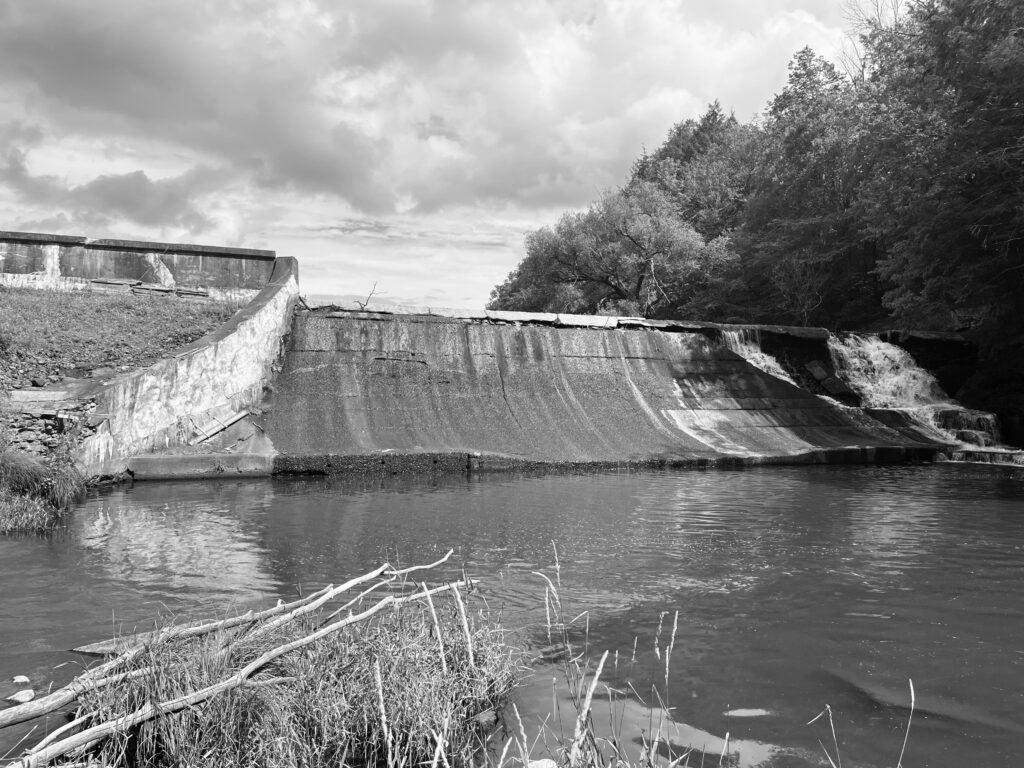
In the serene, rolling landscape of the Catskill Mountains, a silent threat looms over the local community. The Lake Jefferson Dam, a century-old structure that has stood as a relic of a bygone industrial era, is crumbling. Once a symbol of progress—serving first as a recreational centerpiece and later as a micro-hydropower source in the 1980s—the dam has now devolved into a structural liability. Its spillway, completed in 1926, is woefully inadequate for the modern climate, incapable of safely passing the intense floodwaters generated by today’s increasingly severe weather patterns.
For the families living in the shadow of the dam, the structure is no longer a historical landmark; it is a source of profound anxiety. With visible scarring, missing chunks of concrete, and a compromised core, the dam is an accident waiting to happen. The owners, recognizing the existential risk the structure poses to the nearly one hundred homes downstream, have begun the complex process of planning its removal. Their story, however, is not an isolated incident. Across the United States, thousands of similar structures are reaching the end of their design life, creating an infrastructure crisis that remains hidden in plain sight.
The Anatomy of an Infrastructure Emergency
The crisis surrounding dams like Lake Jefferson is defined by the intersection of aging engineering and environmental volatility. Most of the nation’s dams were built decades ago, designed under hydrologic assumptions that no longer hold true in an era of climate change.
Chronology of a Crisis
- Early 20th Century: A nationwide boom in dam construction occurs, primarily for power, irrigation, and recreation.
- 1980s: Many older dams, including Lake Jefferson, are retrofitted for small-scale hydropower as energy prices spike.
- 2000–2024: The frequency of extreme weather events increases. Data indicates a stark rise in dam safety emergencies, jumping from an average of three incidents per year to over 70 annually.
- Present Day: Regulatory bodies struggle to manage the sheer volume of "high-hazard" structures, with many owners lacking the capital to perform necessary life-cycle maintenance.
The fundamental issue is twofold: the physical degradation of concrete and earthen embankments, and the increasing frequency of "100-year" and "500-year" flood events. When a spillway—the safety valve of a dam—is sized for the climate of 1926, it cannot handle the deluge of 2024. As water overtops these structures, the risk of catastrophic breach rises exponentially, threatening downstream populations that have, in many cases, expanded into areas once considered floodplains.
Supporting Data: A Nation at Risk
The National Inventory of Dams (NID) serves as the primary ledger of the nation’s water barriers, yet it paints a sobering picture of our current reality. According to the Association of State Dam Safety Officials (ASDSO), the number of dam failures or emergency incidents has escalated dramatically over the last two decades.
The financial burden of these structures is staggering. Bringing the nation’s thousands of high-hazard, non-federal dams up to modern safety standards would require billions of dollars in investment—funding that is currently absent at both state and federal levels. Because these dams often serve no modern economic purpose, owners—many of whom are private citizens or small municipalities—find themselves trapped. They are legally liable for the maintenance of a structure they can no longer afford to fix, yet the cost of removal is often equally prohibitive without government subsidies or technical partnerships.
The Human Cost: "Drowning Machines"
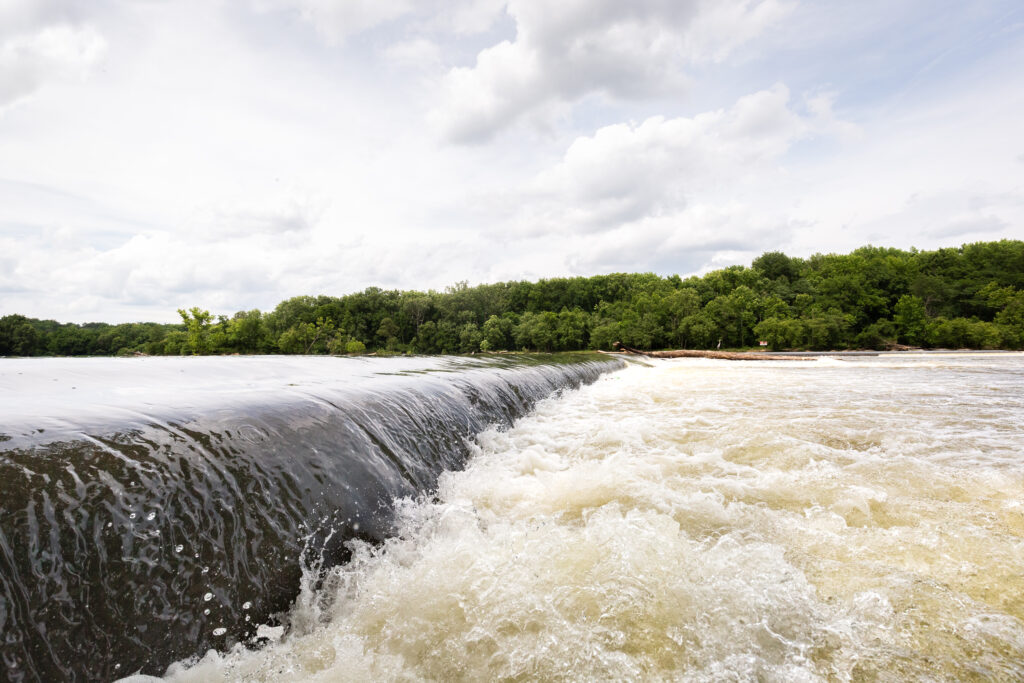
While high-hazard dams threaten life through structural failure, a more insidious category of dam poses a constant, daily threat: the low-head dam. These structures, typically less than 15 feet tall, are designed to allow water to flow over their crests. The physics of this flow creates a powerful, recirculating hydraulic—a "boiling" wave at the base of the dam that can trap swimmers, kayakers, and even professional rescue divers in a cycle from which escape is nearly impossible. These "drowning machines" have been linked to at least 780 deaths in the United States. Unlike larger, regulated dams, these often fall outside the purview of state safety offices, leaving them as unregulated, lethal hazards in public waterways.
Official Responses and Regulatory Gaps
The regulatory landscape governing dam safety is fragmented and under-resourced. State dam safety offices are responsible for regulating more than 70% of the dams listed in the NID, yet these agencies are chronically underfunded and understaffed.
"We are managing 21st-century risks with 20th-century resources," notes one civil engineer familiar with the state-level oversight process. When an office is tasked with monitoring thousands of structures, they are forced into a triage system. They focus their limited inspection hours on the highest-risk, highest-consequence dams, inevitably leaving smaller, though still dangerous, structures to fall into further disrepair.
Even when a deficiency is identified, the enforcement mechanisms are often weak. If an owner lacks the funds for a multi-million-dollar spillway upgrade, the state is often left with no recourse other than to force an abandonment—which creates a new set of environmental and safety risks—or to allow the structure to continue to decay. There is a desperate need for a federal-state partnership that provides not just the mandate for safety, but the capital to facilitate the removal of obsolete barriers.
Implications: The Case for Removal
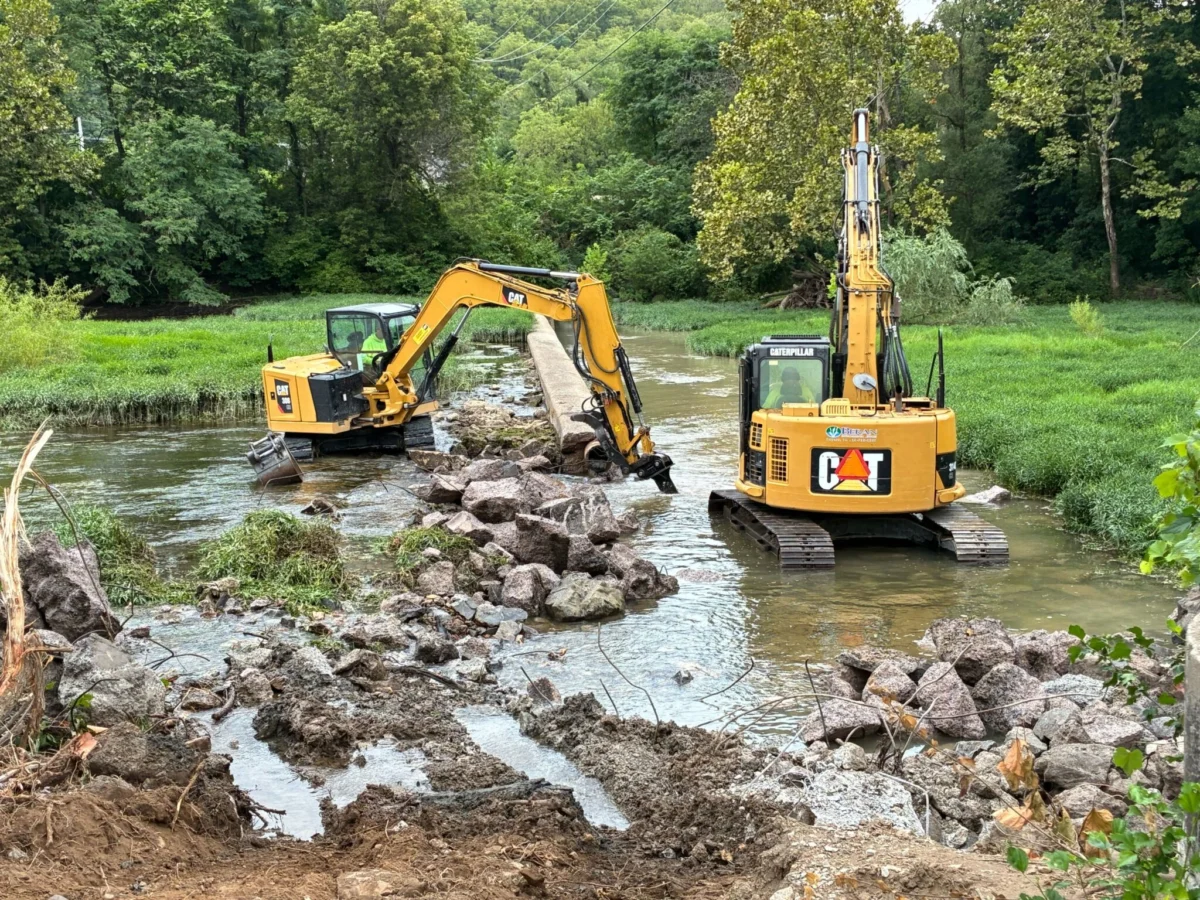
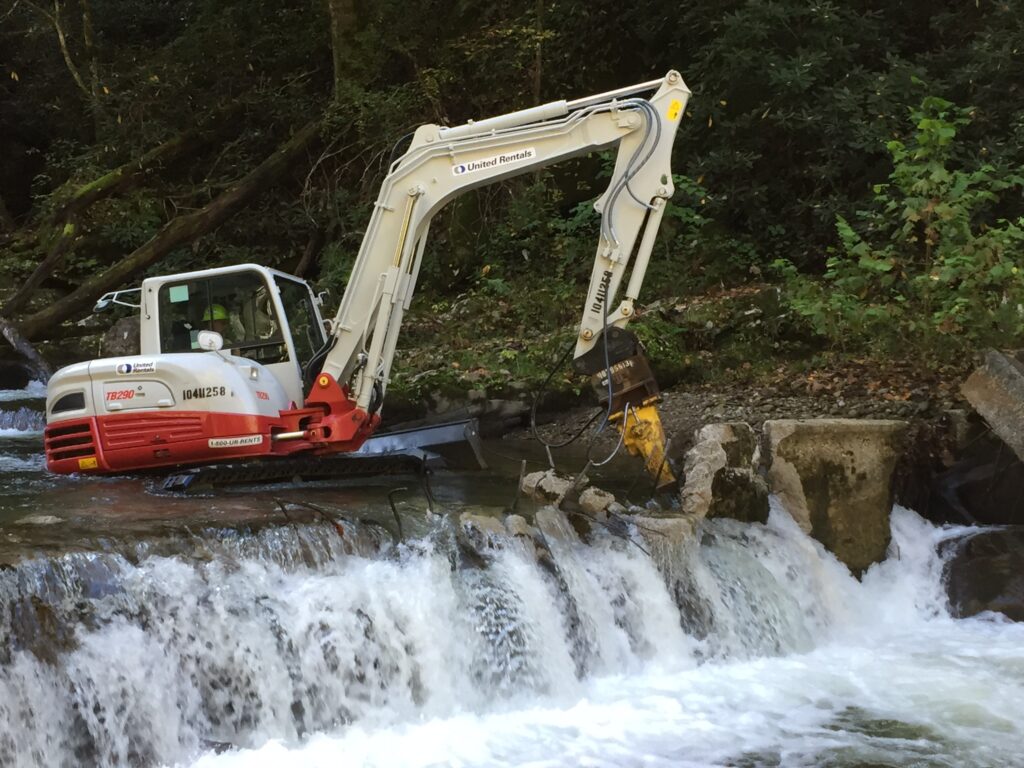
As the situation at Lake Jefferson illustrates, the most pragmatic solution is often the most permanent one: removal. Dam removal is increasingly viewed as a standard component of infrastructure lifecycle management. By returning a river to its natural state, owners eliminate their long-term liability, restore fish habitats, and improve water quality.
Environmental and Economic Resilience
Research from institutions like Utah State University suggests that river systems that are allowed to flow freely are more resilient to climate change. Without the artificial constraints of a dam, rivers can better manage sediment transport, mitigate the impacts of droughts, and naturally absorb the energy of floodwaters. Removing an obsolete dam is not just an act of environmental restoration; it is a proactive strategy for disaster mitigation.
The mantra among progressive safety engineers has become, "Maintain ’em or drain ’em." This philosophy suggests that if a dam is not economically viable or structurally sound, it should be removed rather than left to rot. More than 2,300 dams have been removed across the country in the last two decades, with proponents arguing that these projects provide a much higher return on investment than attempting to patch century-old concrete.
The Path Forward
The situation in the Catskills is a microcosm of a national challenge. As engineers collect final data on the Lake Jefferson site, the community watches with a mix of relief and realization. They understand that the removal of the dam is the only way to ensure the safety of their homes and the health of the East Branch of Callicoon Creek.
However, the broader issue requires a national shift in perspective. National Dam Safety Awareness Day, observed on May 31, serves as a poignant reminder that the infrastructure we built to serve the industrial needs of the 1900s is now a burden on the safety of the 2000s. Citizens are encouraged to engage with their local and state representatives to demand:
- Dedicated Funding: Increased federal and state allocations for the assessment, repair, and, where necessary, the removal of high-risk dams.
- Regulatory Reform: Closing the "regulatory gap" that allows lethal low-head dams to remain unmonitored and unmarked.
- Climate-Resilient Infrastructure: A transition toward nature-based solutions that prioritize river health and community safety over the maintenance of obsolete barriers.
The decay of the Lake Jefferson Dam is a warning bell. If the United States continues to treat its aging water infrastructure with neglect, the cost will be measured not just in dollars, but in lives. The time has come to choose: we must either invest in the rigorous maintenance of our vital infrastructure or have the courage to remove those structures that have outlived their purpose, restoring our rivers to the wild, flowing, and safe state they were always meant to occupy.