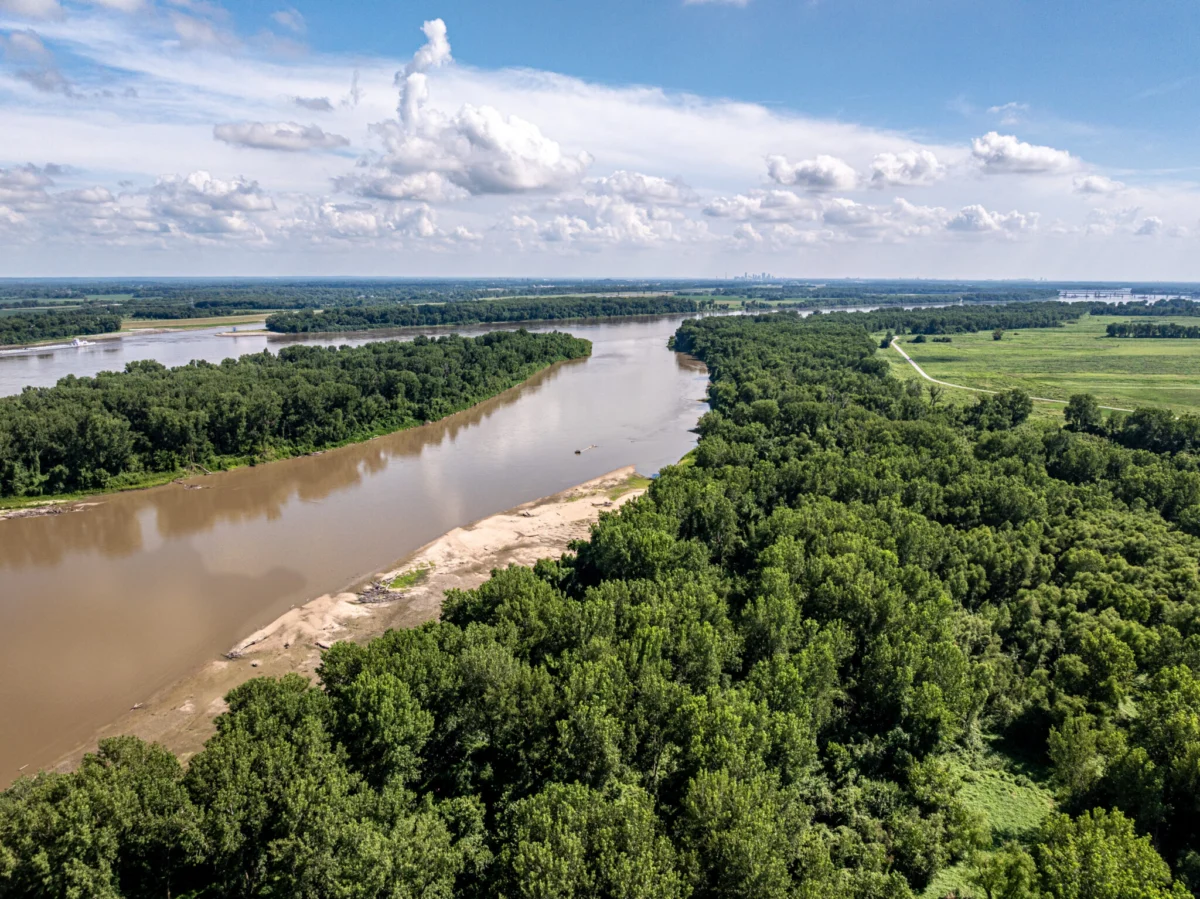
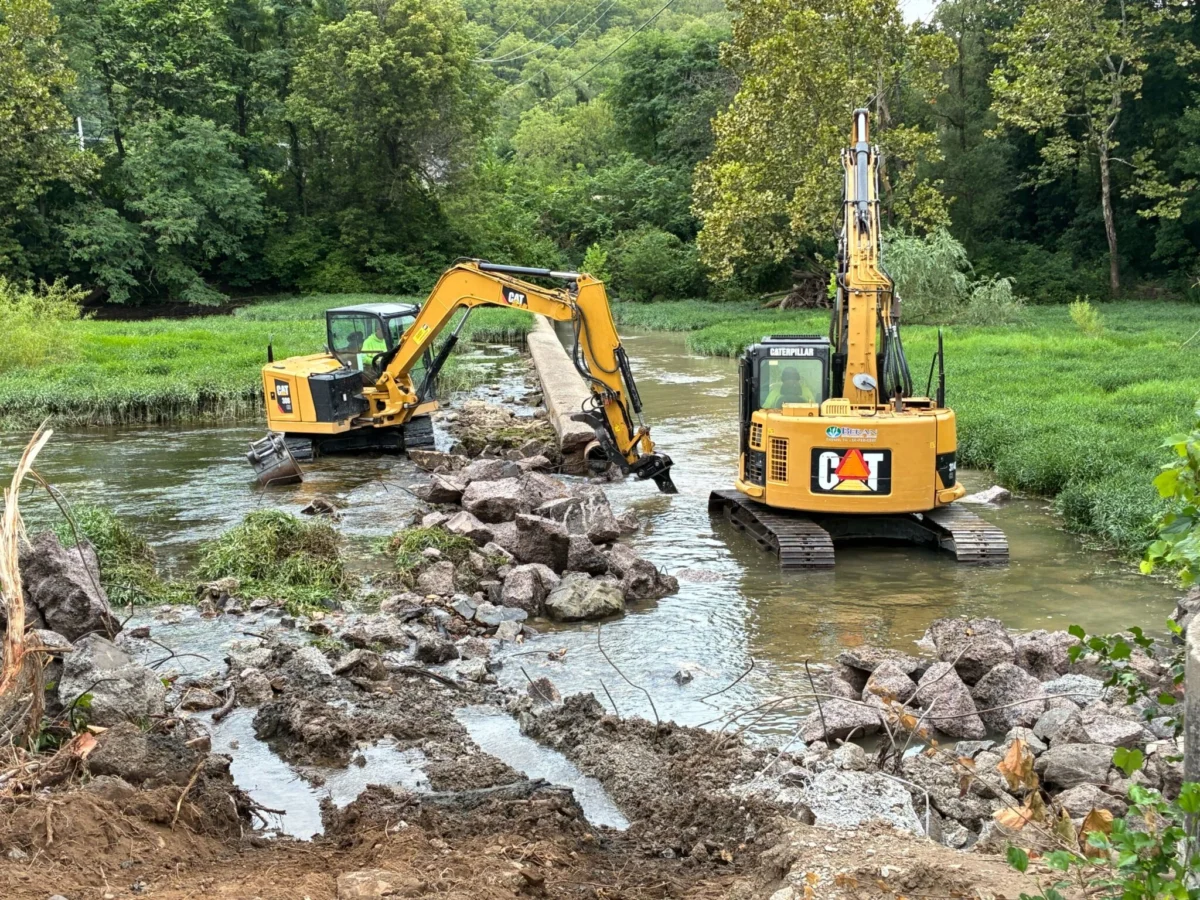
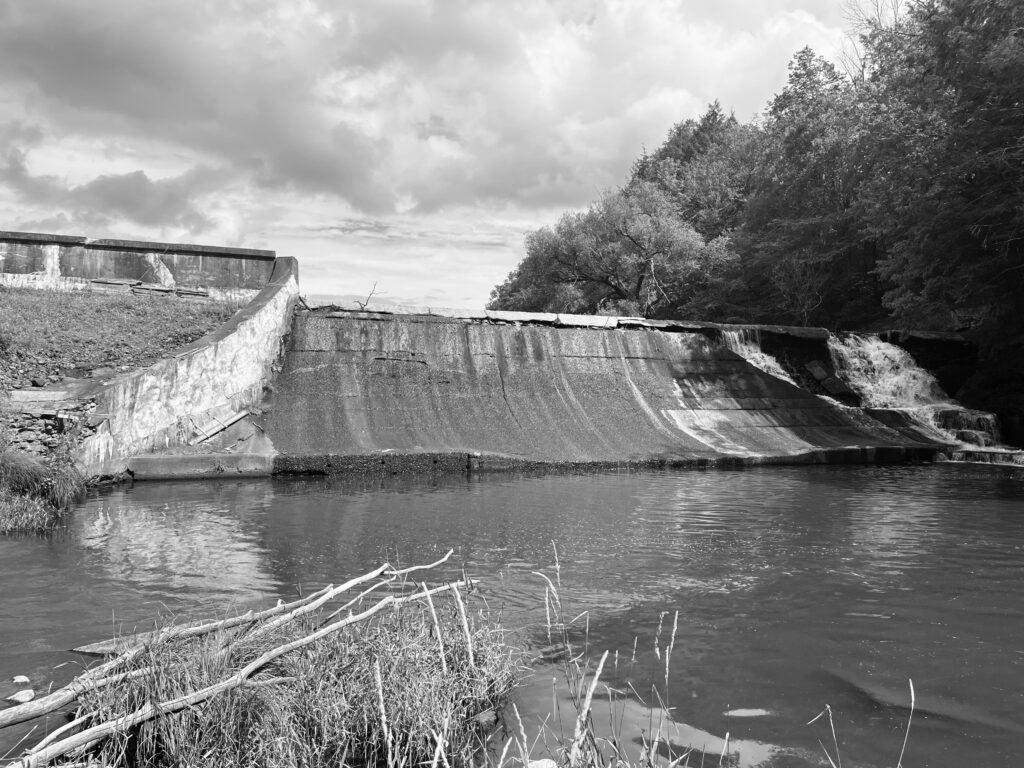
In the heart of the Catskill Mountains, a silent, century-old sentinel watches over the East Branch of Callicoon Creek. The Lake Jefferson Dam, a relic of a bygone era, is slowly surrendering to the elements. Its concrete face is scarred, chunks of its foundation have crumbled into the silt, and its spillway—engineered in 1926—is fundamentally incapable of handling the hydrologic intensity of modern-day climate events.
For the families living downstream, this is not merely an aesthetic concern; it is a precarious existence. The dam is an obsolete liability, a structure that once served recreation and later micro-hydropower, but now stands as a potential catalyst for a catastrophic flood. It is a microcosm of a much larger, nationwide crisis: America’s dam infrastructure is aging, failing, and in desperate need of a paradigm shift.
The Anatomy of a Hidden Crisis: Main Facts
The United States is currently navigating a period of unprecedented dam safety emergencies. Over the past two decades, the frequency of dam failures and high-risk incidents has surged, climbing from an annual average of three to more than 70 in recent years. This is not a coincidence; it is the inevitable collision of three distinct factors: aging engineering, shifting climate patterns, and a staggering lack of regulatory resources.
Many of these dams were constructed during an era when the standards for "worst-case scenario" flooding were far lower than they are today. As global temperatures rise, the atmosphere holds more moisture, leading to "extreme precipitation events" that overwhelm spillways designed for the climate of the 1920s or 1950s. When these dams fail, they do not just release water; they release stored sediment, debris, and, in many cases, a wall of water that threatens homes, critical infrastructure, and human life.
A Century of Decay: The Chronology of Failure
To understand the current crisis, one must look at the life cycle of American water infrastructure.
- 1920s–1950s (The Era of Proliferation): During this period, thousands of dams were constructed across the U.S. for irrigation, small-scale industrial power, and private recreation. Many were built with local materials and limited oversight.
- 1980s (The Repurposing Attempt): In a bid to revitalize aging assets, many of these structures were retrofitted for micro-hydropower. However, as the energy market shifted, many of these projects became uneconomical.
- 2000s–Present (The Acceleration of Risk): As climate volatility increased, the limitations of these structures became apparent. Past floods began to chip away at spillways, and maintenance costs began to outpace the value provided by the dams.
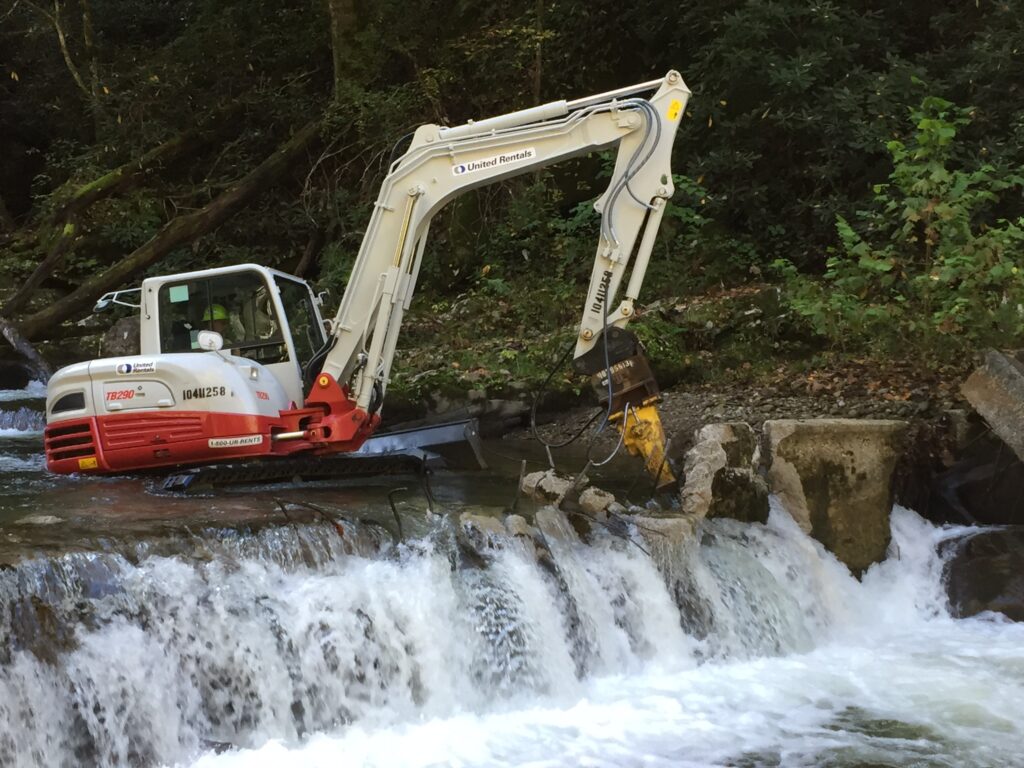
- Today (The Movement toward Decommissioning): A growing coalition of ecologists, engineers, and property owners are now prioritizing "strategic removal"—the intentional, engineered dismantling of these barriers to restore river health and eliminate liability.
The Data Behind the Danger: Supporting Evidence
The statistics provided by the National Inventory of Dams (NID) and the Association of State Dam Safety Officials (ASDSO) paint a harrowing picture.
The primary issue is the sheer volume of structures relative to the capacity of state oversight agencies. State dam safety offices are responsible for regulating over 70% of the nation’s inventory, yet they are chronically underfunded and understaffed. This creates a "prioritization gap," where inspectors are forced to triage their efforts, leaving thousands of dams in a state of "unmonitored decline."
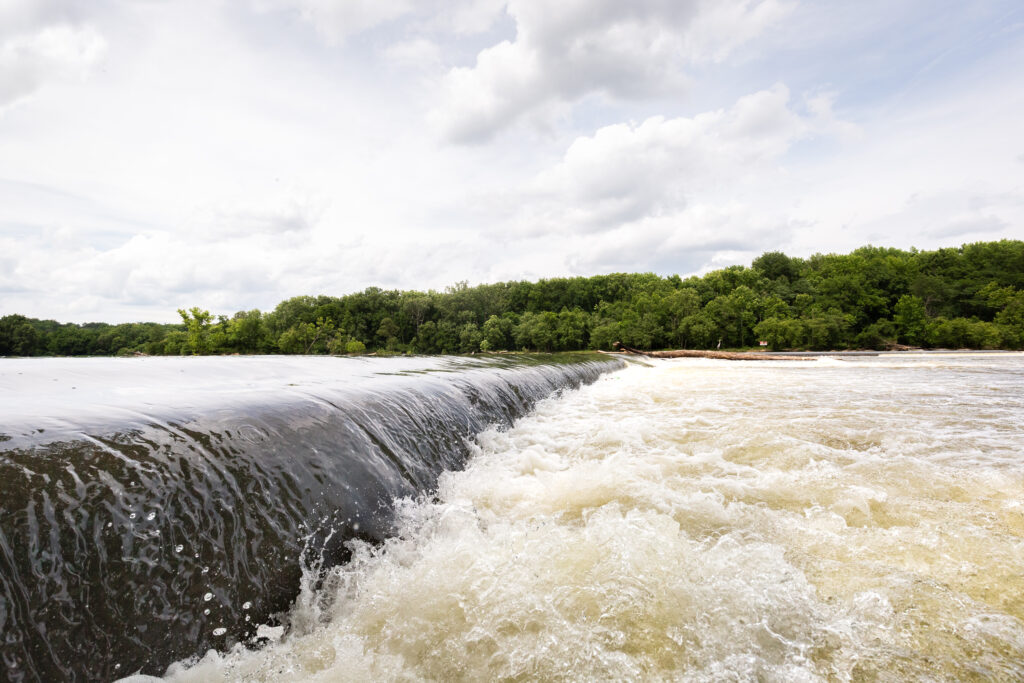
Furthermore, the emergence of "low-head dams"—structures typically under 15 feet tall designed to allow water to spill over the crest—has introduced a new, lethal threat. These structures create a "drowning machine" effect: a powerful, recirculating hydraulic current at the base of the dam that traps swimmers and boaters. With at least 780 recorded deaths linked to these structures, the debate over dam safety is no longer just about flood risk; it is a public safety imperative.
The "Maintain or Drain" Doctrine: Official Perspectives
The engineering community, once focused exclusively on the construction and fortification of dams, is undergoing a professional evolution. Charles Karpowicz, a prominent dam safety engineer, famously summarized the new philosophy: "Maintain ’em or Drain ’em."
This perspective is gaining traction at the federal level. The argument is simple: if a dam provides no current economic benefit, the cost of bringing it up to modern seismic and hydrologic safety standards is often prohibitive for the owner. Removal, by contrast, is often more cost-effective and provides an immediate solution to long-term liability.
Research from institutions like Utah State University has further bolstered the case for removal, finding that restoring the natural, free-flowing state of a river significantly improves its "climate resilience." A natural river is far better equipped to absorb, convey, and recover from flood pulses than a system choked by silt-filled, artificial reservoirs.
The Path Forward: Implications for Policy and Society
The situation at Lake Jefferson is a bellwether for the rest of the nation. The owners, working alongside environmental partners and state regulators, have initiated the process of removal—a complex, data-driven operation aimed at mitigating risk before a disaster forces the issue.
However, individual, site-by-site efforts are insufficient to address a systemic crisis. The implications for policy are clear:
- Dedicated Federal Funding: Congress must prioritize water infrastructure in a way that treats dam safety as a primary component of national security, similar to roads and bridges.
- Regulatory Reform: States require the resources to expand their oversight and enforce compliance. Without adequate staffing, the "hidden in plain sight" crisis will continue to fester.
- Incentivizing Removal: We must make it financially attractive for private owners to abandon or remove obsolete structures. Liability waivers and grants for environmental restoration could accelerate the removal of thousands of "zombie dams" that serve no purpose other than posing a risk.
- Public Awareness: As we approach National Dam Safety Awareness Day on May 31, citizens must become advocates for their own watersheds. Understanding the risks in one’s own community is the first step toward demanding the necessary upgrades or removals.
Conclusion: Restoring the River’s Rhythm
The story of the Lake Jefferson Dam is not an isolated incident; it is a chapter in a much larger narrative of human intervention in the natural world. For nearly a century, we treated rivers as static, controlled commodities. We are now learning that water—especially in an era of climate instability—demands a different approach.
By choosing to "drain" the obsolete and "maintain" the essential, we can protect our communities from the inevitable failures of the past. The goal is not merely to remove concrete and steel, but to restore the pulse of our river systems. In doing so, we don’t just reduce the risk of catastrophe; we create a landscape that is safer, more resilient, and healthier for the generations that will inherit these waterways.
As the ice melts off the East Branch of Callicoon Creek this spring, the planning for the removal of the Lake Jefferson Dam serves as a beacon of progress. It is a reminder that while the dams of the past were built with the knowledge of their time, the wisdom of the future lies in knowing when to let the river flow free.