In the world of ultralight backpacking, where every gram is scrutinized and gear failure can translate into a miserable or dangerous night in the wild, few items achieve the legendary status of the Katabatic Gear Alsek 22°F quilt. For over a decade, Katabatic has stood as the gold standard for cottage-industry insulation, bridging the gap between extreme performance and practical, long-term durability.
As the backpacking community navigates the transition into the 2025 season, the relevance of high-quality, sustainable gear has never been more pertinent. With Katabatic’s current holiday sale—offering 15% off quilts and 20% off jackets and bivys through December 2—it is an opportune moment to revisit a piece of kit that has become synonymous with reliability: the Katabatic Alsek 22°F.
The Foundation of Reliability: Main Facts and Specifications
The Katabatic Alsek 22°F is more than just a sleeping quilt; it is a masterclass in design efficiency. Designed for the three-season hiker who demands versatility, the Alsek occupies a "Goldilocks" position in the company’s lineup. It is warm enough for high-alpine shoulders and late-autumn excursions, yet light enough to justify its presence in a minimalist pack during warmer months.

Key Technical Specifications
- Temperature Rating: 22°F (-6°C)
- Total Weight: 23.6 oz (0.67 kg)
- Fill Weight: 15.2 oz (0.43 kg)
- Sustainability: All materials are bluesign approved and Responsible Down Standard (RDS) certified.
- Manufacturing Philosophy: Premium workmanship focused on loft retention and cold-spot elimination.
The quilt’s design revolves around a unique attachment system that effectively seals out drafts—a common failure point in inferior quilt designs. By utilizing a dual-cord system that wraps around the sleeping pad and a series of thin, unobtrusive webbing straps, the Alsek creates a secure envelope that moves with the sleeper, preventing the "cold air pump" effect that often plagues open-back sleeping systems.
A Chronology of Endurance: Over 250 Nights in the Field
The true measure of any gear is not found in a laboratory but on the trail. My personal history with the Alsek began in 2018, but my experience with Katabatic dates back to 2011, during the "12 Long Walks" expedition. Over the last 14 years, I have cycled through the Palisade 30°F, the Sawatch 15°F, and the Alsek 22°F. Collectively, these pieces have survived over 900 nights of backcountry use.
The Evolution of the Journey
- 2011–2012: Initial testing of Katabatic quilts during extensive long-distance treks, establishing a baseline for longevity and loft retention.
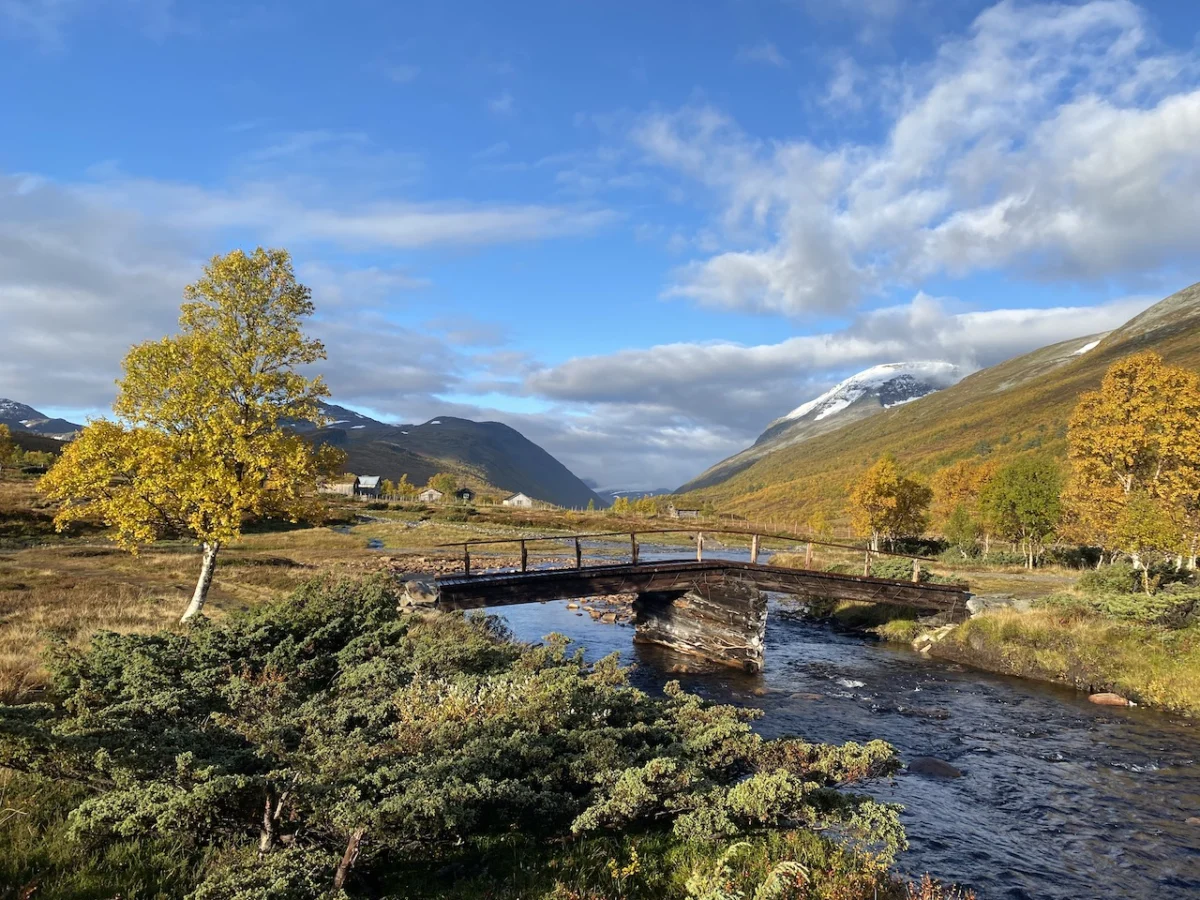
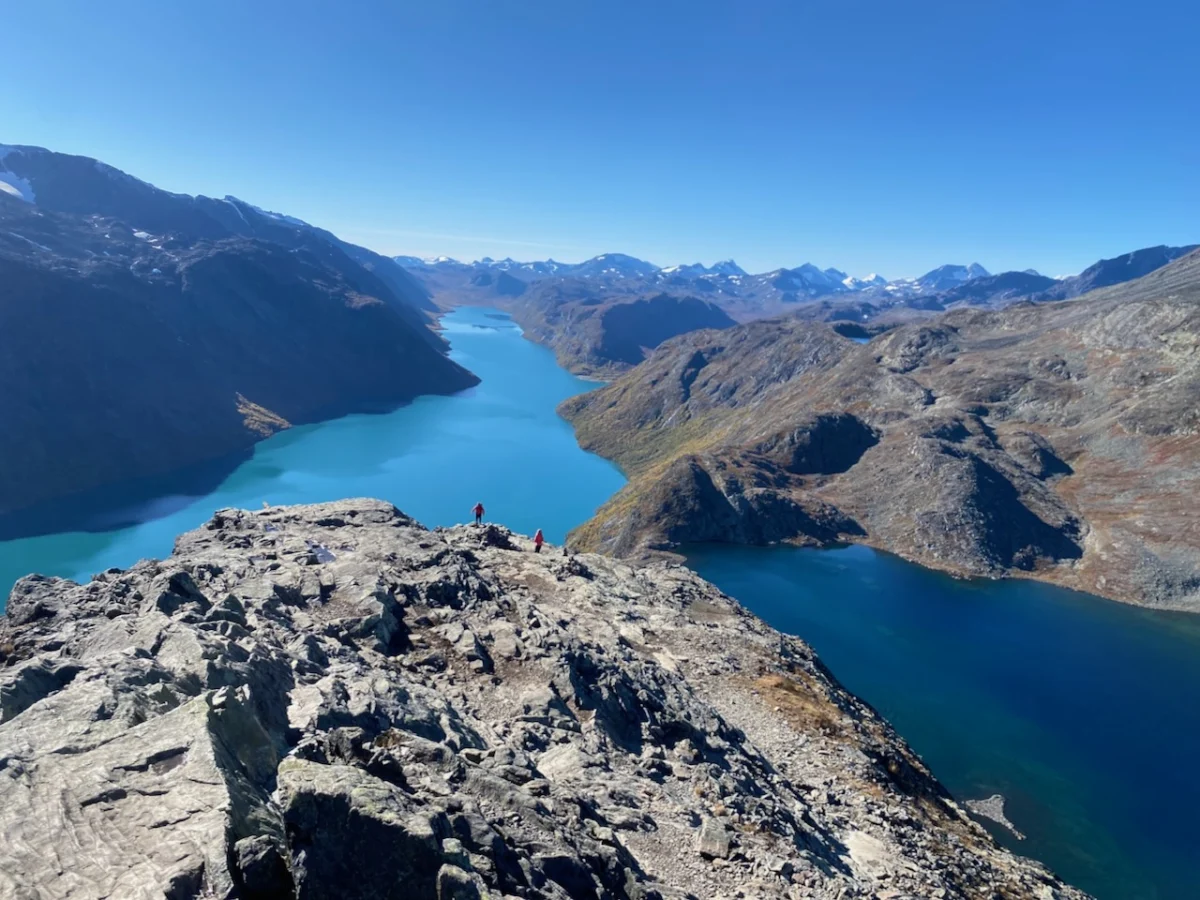
- 2018: Acquisition of the Alsek 22°F. Initial field testing occurred in the rugged environments of the Scottish Highlands and the Lofoten Islands of Norway, where humidity and wind provided a stern test for the down fill.
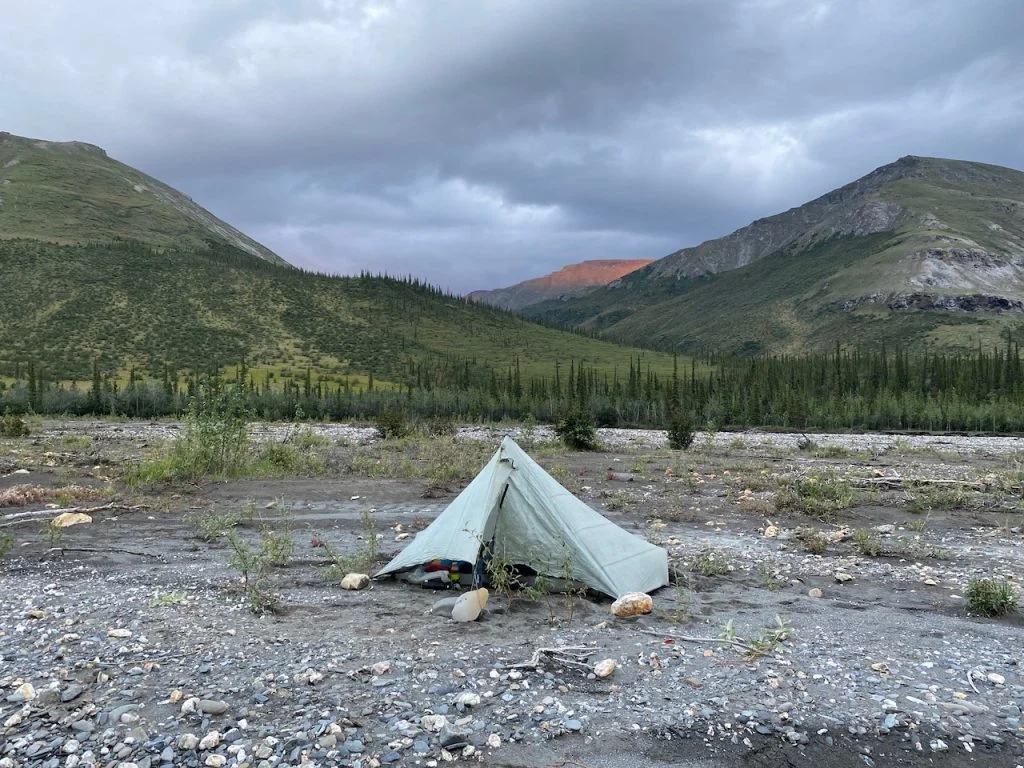
- 2019–2021: The quilt saw service in the Dolomites (Italy), the Stubai High Trail (Austria/Slovenia), and deep wilderness expeditions in Alaska’s Denali National Park and the Brooks Range.
- 2024: The most recent stress test involved a 300-mile (483 km) traverse of Washington’s Olympic Peninsula, specifically the challenging Bailey Range. Despite the harsh, moisture-heavy environment of the Pacific Northwest, the quilt’s performance remained consistent with its factory-new state.
Supporting Data: Why "You Get What You Pay For"
In an era of disposable consumerism, the durability of the Alsek is an anomaly. Most ultralight equipment is designed for a specific season or a limited number of miles. However, the Alsek demonstrates that with proper care, a high-end down quilt can last well over a decade.

Thermal Performance and Loft
The primary concern for any down product is "loft collapse"—the point at which the feathers clump, lose their ability to trap heat, and ultimately fail. Because Katabatic utilizes premium down treated for moisture resistance, the Alsek has maintained its loft through thousands of compression cycles. Even when pushing the quilt beyond its 22°F rating—as seen during winter trips in Mexico’s Sierra Madre or the freezing temperatures of the Brooks Range—the insulation remained lofted and effective.
The Attachment System
The technical brilliance of the Alsek lies in its proprietary attachment system. Unlike many quilts that rely on simple elastic straps, Katabatic utilizes:
- Dual Cords: These allow for a "loose mode" for temperature regulation during mild nights and a "tight mode" that locks the quilt against the sleeping pad for maximum heat retention.
- Webbing Straps: These are placed strategically to sit under the sleeper, ensuring that the quilt stays centered even for active sleepers.
This architecture ensures that the user is not just covered by a "blanket," but is instead inside an engineered thermal system.

Industry Perspective: How It Stacks Up
When analyzing the competitive landscape, it is clear that while many brands offer "ultralight" options, few match the specific blend of weight, warmth, and attachment security provided by Katabatic.
The "Goldilocks" Verdict
The Alsek is the recommended choice for the hiker who refuses to compromise. While synthetic quilts—such as those from Mountain Laurel Designs—are superior for hot, humid climates where synthetic insulation retains loft when damp, the Alsek remains the king of the dry-to-temperate wilderness.
It is important to note that for those who have not yet "gone down the rabbit hole" of owning specialized gear for every conceivable temperature range, the Alsek 22°F (or its sibling, the Flex 22°F) serves as the ultimate "one-quilt" solution. It is versatile enough to be vented in the shoulder seasons and sealed tight for sub-freezing nights.

Implications for the Modern Backpacker
What does the long-term viability of the Katabatic Alsek mean for the average hiker? It signifies a shift in purchasing strategy.
Sustainability through Longevity
The most sustainable piece of gear is the one you don’t have to replace. By investing in premium, RDS-certified materials and expert craftsmanship, users are not just buying a quilt; they are investing in a decade of comfort. The fact that my original Katabatic quilts from 2011 are still in rotation in 2024 serves as a testament to the economic and environmental value of quality over quantity.
The Psychological Benefit of Trust
In the backcountry, confidence is a factor of safety. Knowing that your primary thermal layer has survived the Brooks Range and the Scottish Highlands without failing provides a psychological edge. It allows the hiker to focus on navigation, terrain, and the experience of the outdoors, rather than worrying about the integrity of their gear.

Conclusion: Final Thoughts
As the industry continues to innovate, the Alsek 22°F remains a benchmark. It is a product that has been refined through thousands of miles of real-world testing, not just marketing iterations. Whether you are planning a multi-month thru-hike or a series of weekend alpine treks, the Alsek offers a balance that is increasingly rare in the modern market.
For those looking to upgrade their kit, the current holiday sale is a rare opportunity to acquire professional-grade equipment at a more accessible price point. While the initial investment may seem higher than mass-produced alternatives, the cost-per-night over a decade of use makes it one of the most cost-effective pieces of equipment in the sport of backpacking.
Disclosure: The author received the Alsek 22 (900 fp Expedry) free of charge in exchange for feedback from the field. No obligation to review was mandated, and all opinions expressed are strictly those of the author. This article contains affiliate links; purchases made through these links support the continued creation of independent, long-term gear analysis.