By Ann Willis | October 14, 2026
As California stands on the precipice of another winter defined by atmospheric uncertainty, the state’s water managers and policymakers face a recurring, increasingly urgent dilemma: how to prepare for the pendulum swing between bone-dry drought and catastrophic deluge. With meteorologists forecasting a 95% probability of an extreme El Niño system, the state is bracing for a season that could erase the memories of 2025’s weak snowpack and prolonged parching. However, this immediate crisis is merely a symptom of a larger, systemic misalignment. For the century ahead, California’s survival depends not on more concrete, but on a fundamental paradigm shift in how we define "infrastructure."
The Myth of Control: A Historical Reckoning
For the past hundred years, California’s approach to water was rooted in the hubris of the 20th century: the belief that nature could be mastered through engineering. We built a sprawling network of over 8,000 dams, thousands of miles of levees, and vast aqueduct systems designed to channel, store, and distribute water according to human demand.
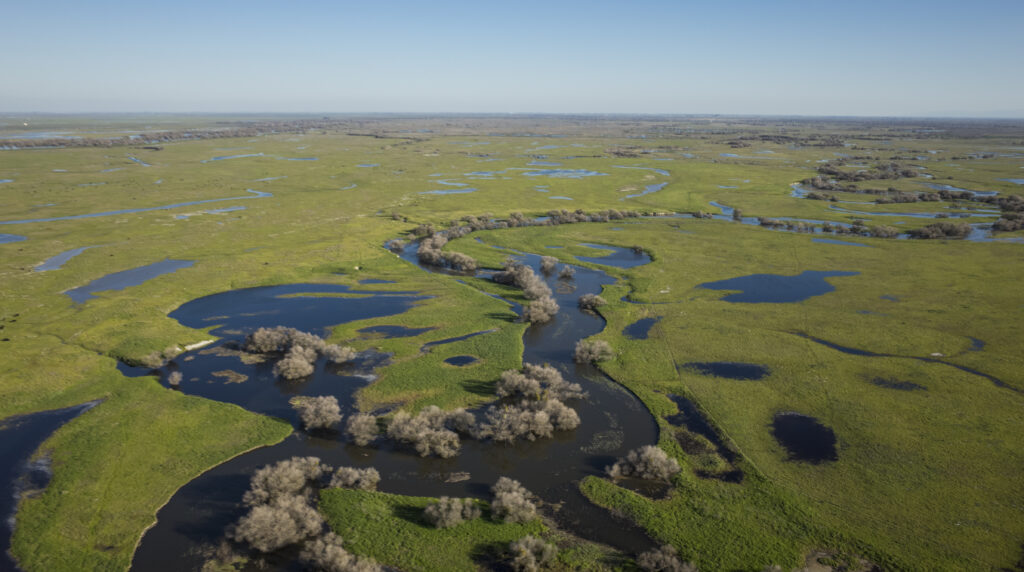
This model operated under a foundational—and now dangerously obsolete—assumption: that the future climate would mirror the past. We treated rivers as pipes and floodplains as real estate to be protected. By divorcing our rivers from their natural floodplains and constraining them with rigid concrete boundaries, we stripped the landscape of its inherent ability to buffer against extreme weather. Today, as climate change intensifies the hydrologic cycle, this "gray" infrastructure is increasingly failing to provide the security it once promised.
Chronology of a Changing Landscape
The evolution of California’s water crisis is not a sudden event, but a slow-motion collision between legacy engineering and a rapidly warming atmosphere.
- 1900s–1970s (The Era of Expansion): The height of California’s hydraulic empire. Massive dam projects were completed, and rivers were disconnected from their natural cycles to fuel agricultural and urban expansion.
- 2020–2025 (The Era of Extremes): A period marked by record-breaking heat and erratic precipitation. The 2025 drought exposed the fragility of the existing water grid, as reservoirs struggled to meet demand during unprecedented low-flow periods.
- Late 2026 (The Current Outlook): Meteorologists identify a "Super El Niño" formation. The state pivots to emergency flood preparations, highlighting the vulnerability of legacy levees that have not been maintained for high-velocity, high-volume flow.
- 2027 and Beyond (The Transition): A proposed pivot toward watershed-scale restoration, where the focus shifts from controlling water to guiding it through natural, resilient pathways.
Supporting Data: The Case for Living Infrastructure
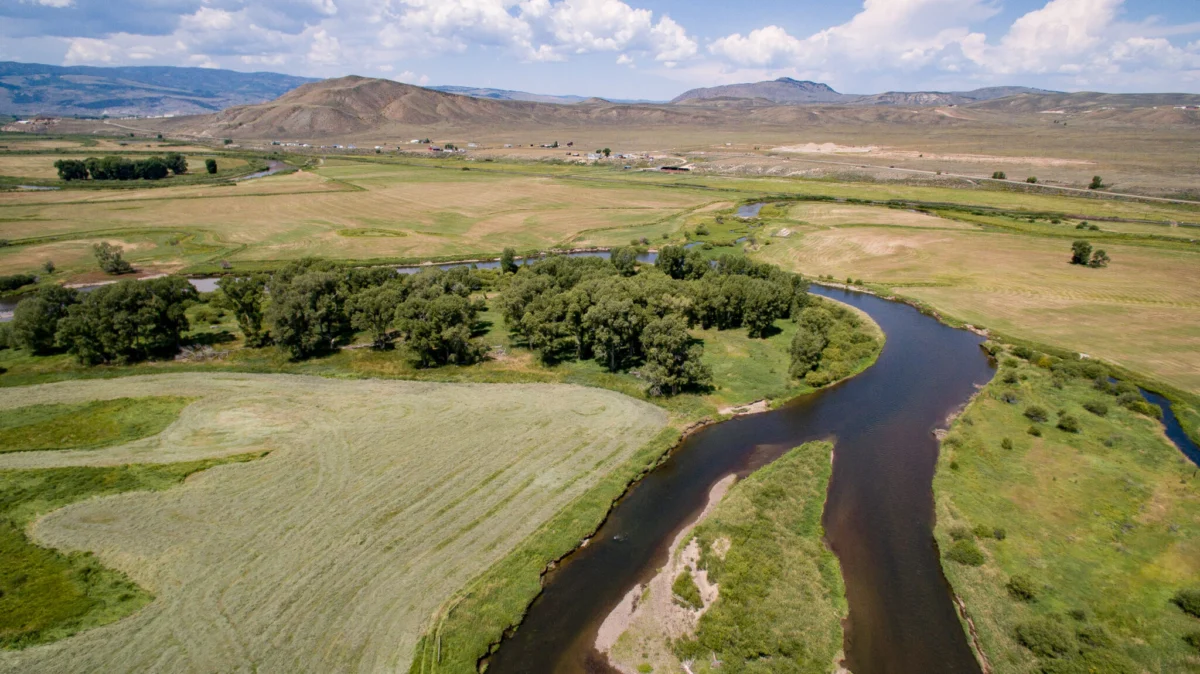
The argument for shifting to "living infrastructure"—healthy, functioning rivers and floodplains—is backed by both ecological science and economic necessity. When rivers are allowed to access their historical floodplains, they perform "ecosystem services" that man-made structures cannot replicate.
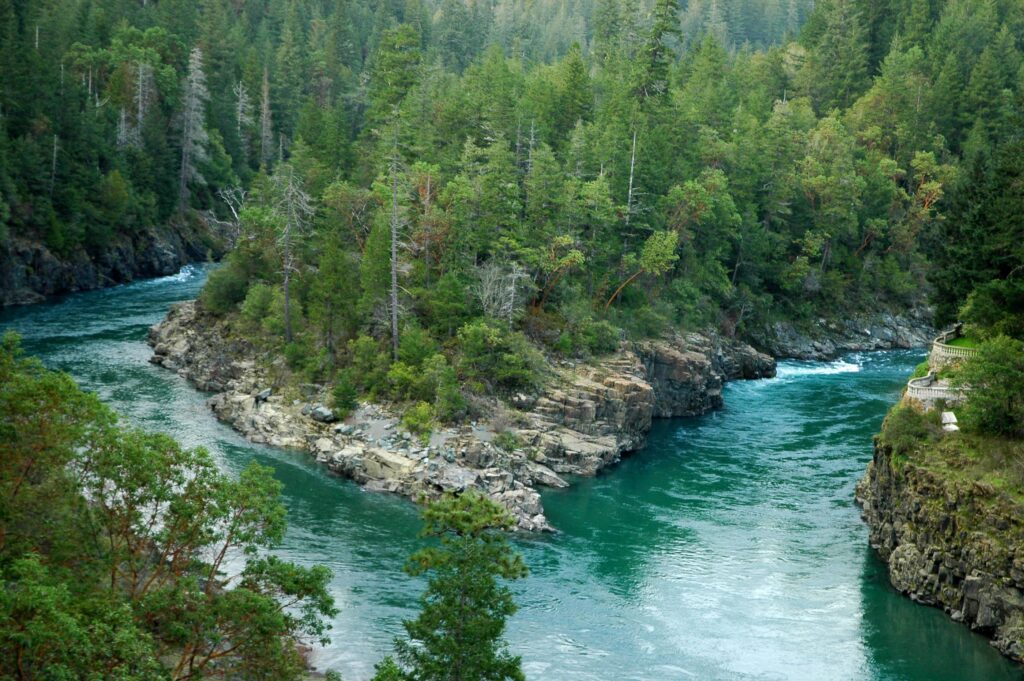
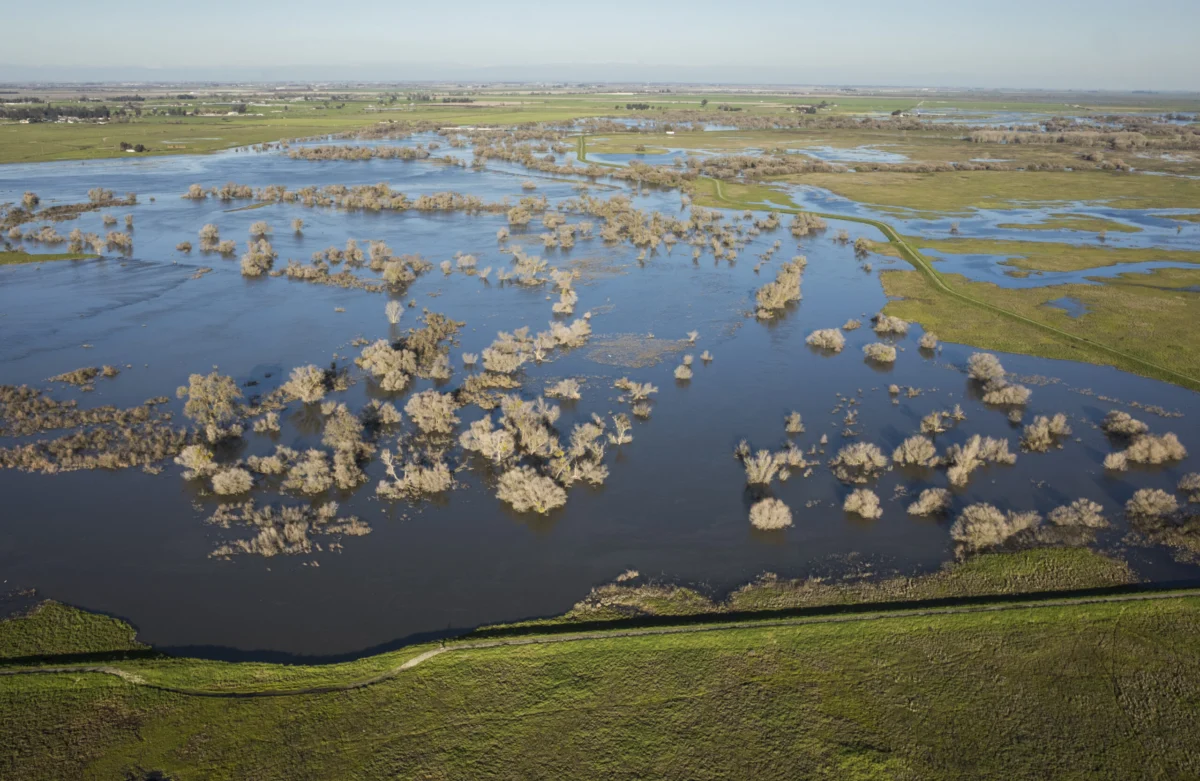
- Flood Mitigation: By re-connecting rivers to floodplains, we create "safety valves" that absorb the energy of floodwaters, lowering water levels in downstream areas and protecting high-density human settlements.
- Groundwater Recharge: Flooding a field or a meadow is not a loss of water; it is a storage opportunity. Natural infiltration into aquifers is the cheapest, most efficient way to store water for the inevitable droughts that follow the floods.
- Fire Resilience: Healthy, wet meadows act as natural firebreaks. By retaining moisture in the landscape, these ecosystems reduce the fuel load in our headwaters, providing a vital first line of defense against the wildfires that have plagued the state.
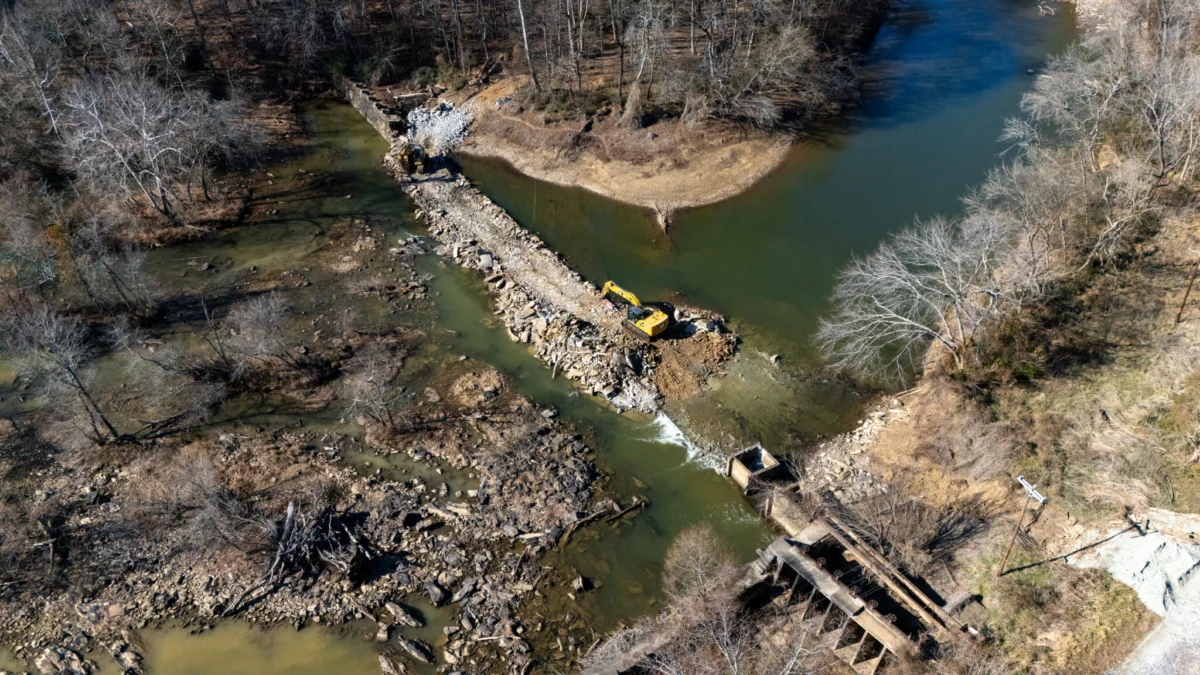
- Cost-Benefit Ratios: While building a new dam requires billions in upfront capital and decades of maintenance, restoration projects—such as the Klamath River dam removals—often provide higher returns in habitat recovery, water quality improvement, and long-term risk reduction.
Official Responses and The Shift in Strategy
The policy community is beginning to take note. Recent successes in the Central Valley, specifically the Yolo Bypass restoration, have provided a "proof of concept" that is impossible to ignore. By giving the Sacramento River more room to spread, the state has seen a dramatic decrease in downstream flood pressure.
Similarly, in the Sierra Nevada, the restoration of Ackerson Meadow in the Tuolumne River watershed is a testament to the power of returning degraded lands to their natural state. These projects are no longer seen as mere "environmental amenities"; they are being audited by state agencies as essential capital projects. The largest, and perhaps most symbolic, move in this direction has been the Tribally-led removal of four hydroelectric dams on the Klamath River. By prioritizing the restoration of river connectivity over the operation of obsolete, aging energy infrastructure, California has signaled that it is finally ready to let its rivers breathe.
Implications: The False Choice of "Gray vs. Green"
One of the most persistent hurdles to this transition is the political tendency to view water management as a choice between "gray" (built) and "green" (natural) infrastructure. This is a false dichotomy. The future of California does not require the destruction of all dams, nor does it require ignoring the reality of our water needs.
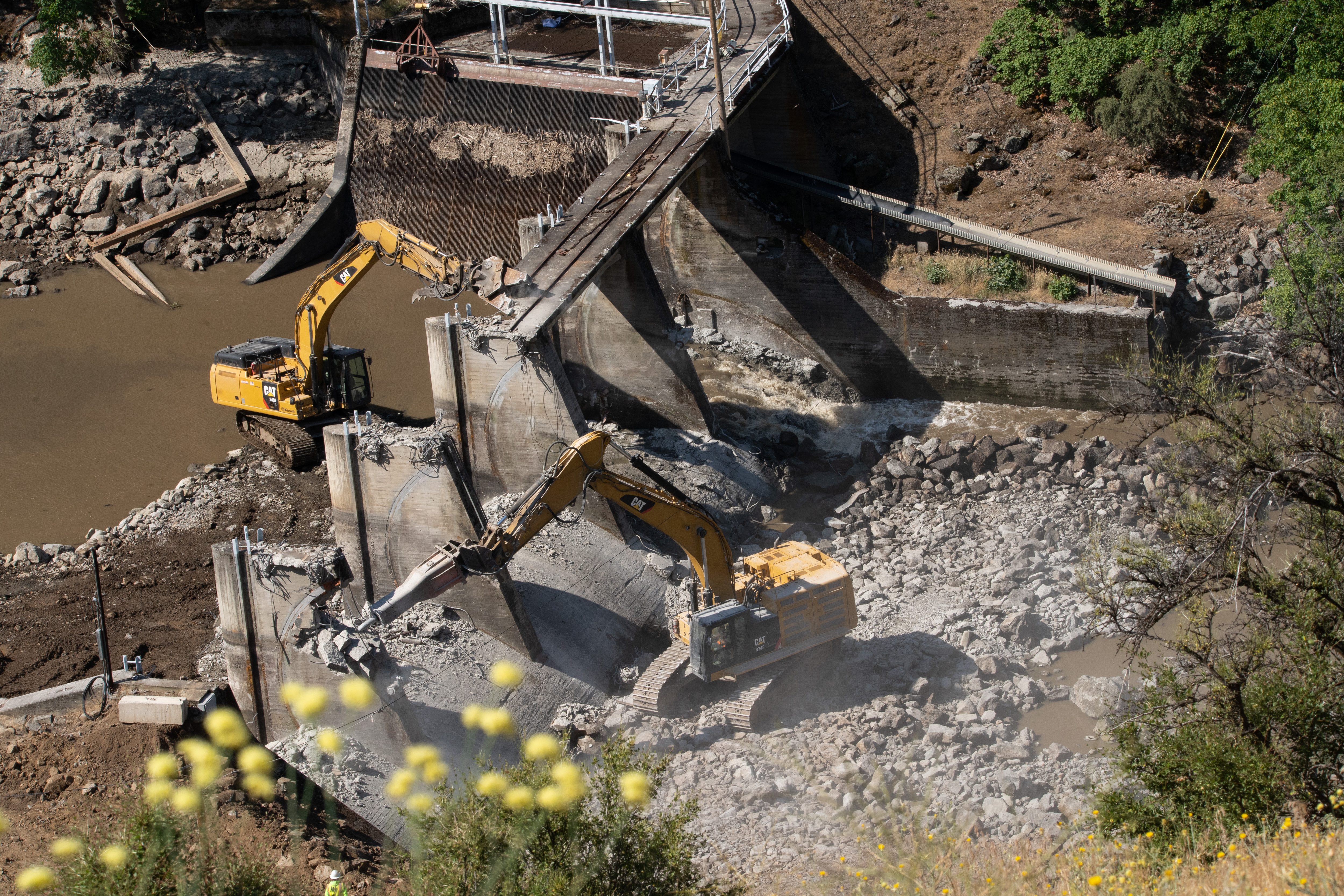
Instead, the requirement is a hybrid approach. We must identify which legacy assets—dams that have outlived their safety life-cycle or levees that provide a false sense of security—should be retired. Simultaneously, we must scale up investment in the watershed. This means looking at the entire hydrologic unit: from the mountain forests that trap snow, to the meadows that slow runoff, to the floodplains that recharge our aquifers.
The implications for the state are profound:
- For Communities: A move toward living infrastructure will mean lower flood insurance premiums and a more secure water supply during drought years, as aquifers will be better managed.
- For the Economy: Investment in restoration is labor-intensive, creating jobs in engineering, biology, and construction that are rooted in the local landscape.
- For Public Safety: As the climate becomes more erratic, relying on a rigid, aging infrastructure system is a gamble with human lives. Resilience requires flexibility, and natural systems are inherently more flexible than concrete ones.
Conclusion: Investing in the Future
As we head into this winter, our immediate focus will rightfully remain on reservoir operations and emergency flood response. However, we must not allow the urgency of the moment to blind us to the long-term necessity of structural reform.
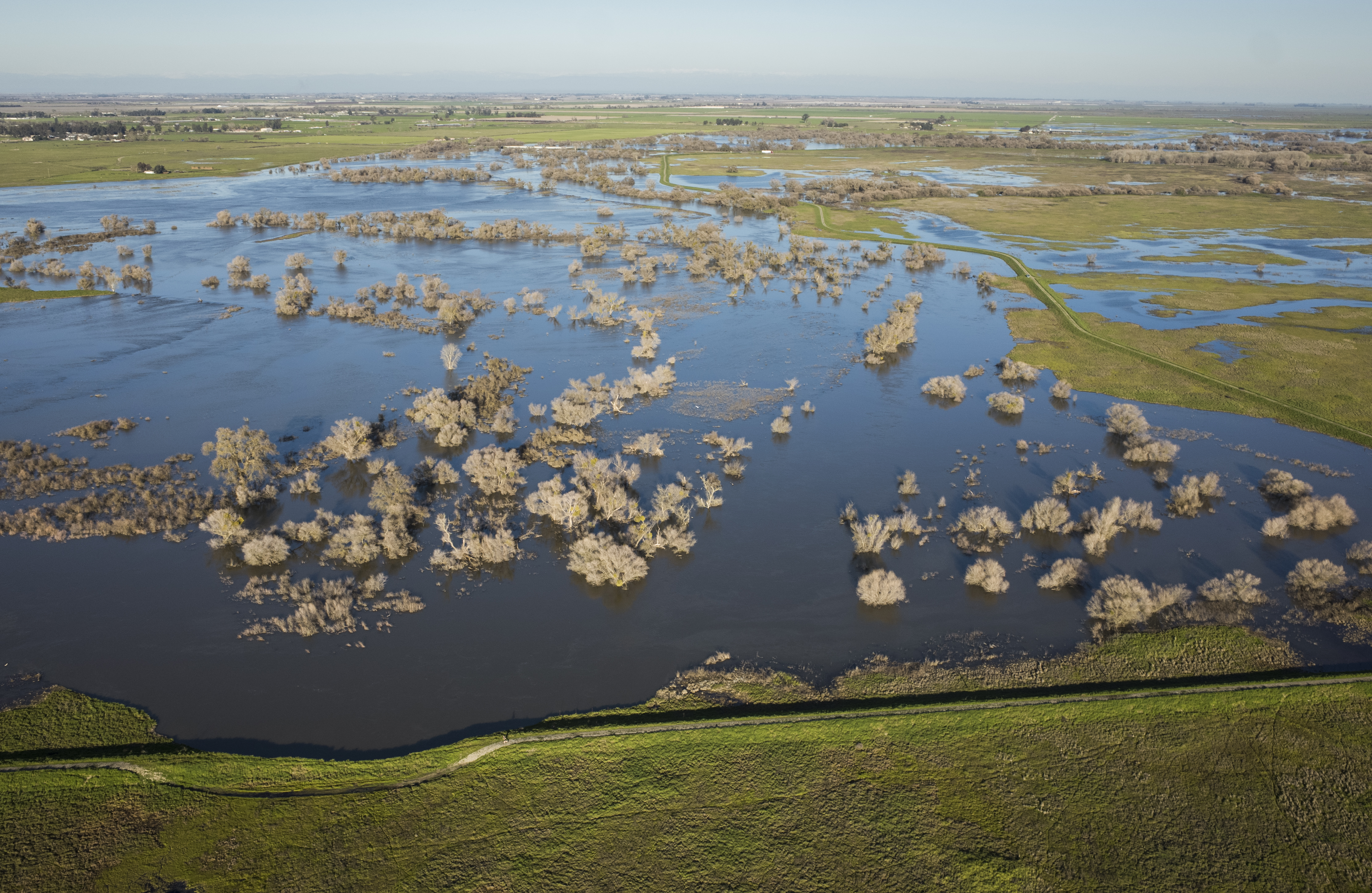
California’s rivers are not just features of the landscape or conduits for our supply; they are the most sophisticated infrastructure we have. They have spent millennia perfecting the art of storing, moving, and purifying water. To continue ignoring their capacity is to fight against the very systems that could save us.
The next drought is coming. The next flood is inevitable. We cannot control the weather, but we can control our relationship with the land. By shifting our investment toward the restoration of our rivers and watersheds, we are not just helping nature; we are building a more resilient, secure, and sustainable future for every Californian.
Healthy rivers are not the beneficiaries of infrastructure investment; they are the infrastructure itself. It is time we started treating them with the respect and the funding they deserve.