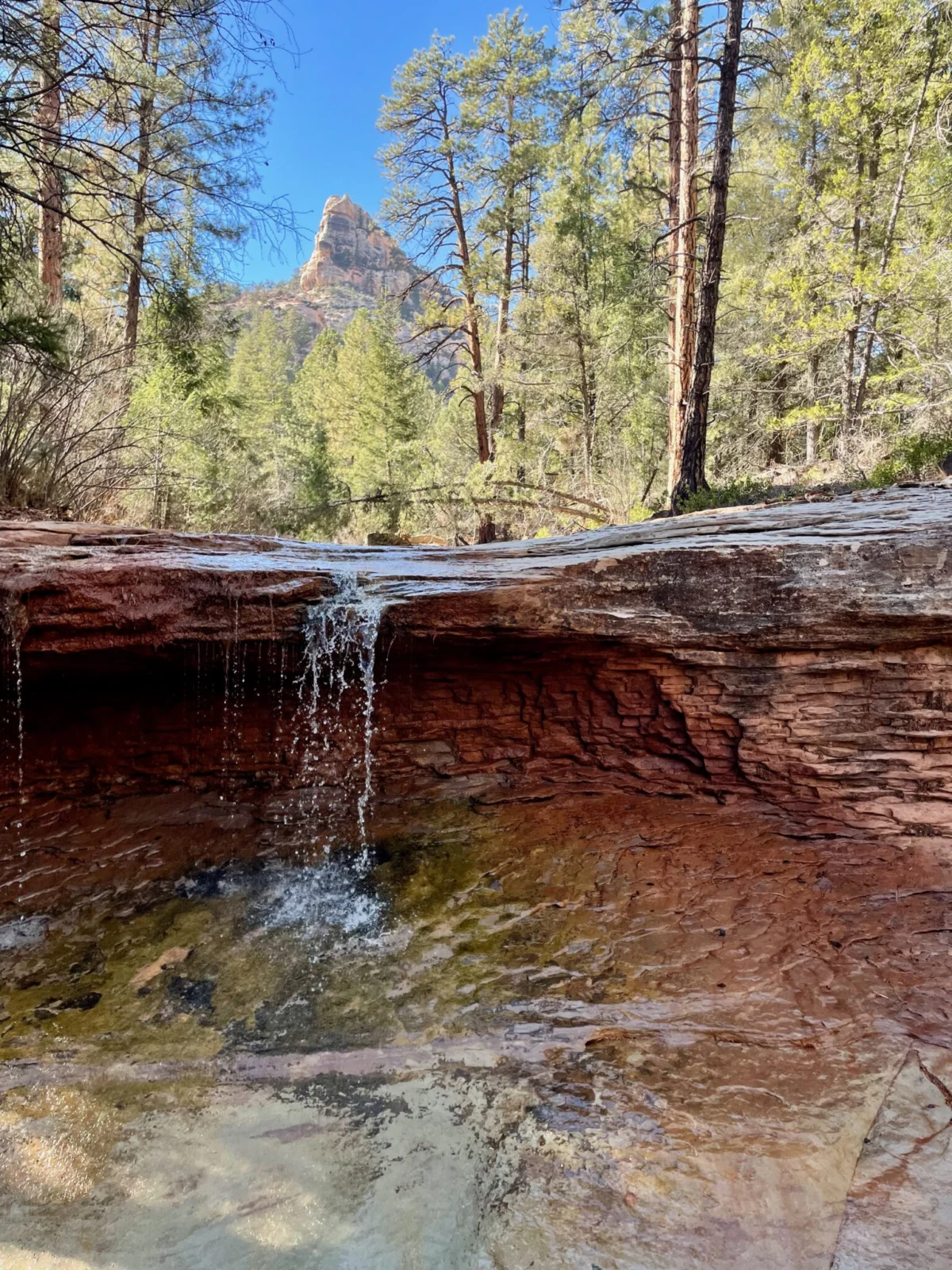
For over a century, the Antiquities Act of 1906 has served as one of the most powerful tools in the American conservation arsenal. By granting the President the authority to designate public lands as National Monuments, this legislation has protected the very fabric of our natural and cultural history. From the towering spires of Arches to the profound depths of the Grand Canyon, nearly half of America’s National Parks began their journey as National Monuments.
However, on Monday, July 13, 2026, that legacy faced an unprecedented challenge. In a move that has sent shockwaves through the conservation community and among tribal nations, two presidential proclamations were issued to reduce the boundaries of the Bears Ears and Grand Staircase-Escalante National Monuments by 90 percent. This decision effectively strips protections from nearly 3 million acres of public land, leaving only a fraction—roughly 300,000 acres—under federal monument status.
A Legacy Built on Preservation
The Antiquities Act was signed into law by Theodore Roosevelt, a titan of American conservation who immediately utilized the new power to designate 18 national monuments. The philosophy behind the act was simple yet profound: to prevent the destruction of antiquities and to ensure that the nation’s most significant landscapes remained in the public trust for future generations.
Across the decades, forty presidents from both sides of the political aisle have invoked this power. These designations have proven to be more than just lines on a map; they are engines of regional economic growth. Gateway communities near these monuments often see substantial boosts in tourism, tax revenue, and employment. For instance, after the designation of Rio Grande Del Norte National Monument, the nearby town of Taos, New Mexico, reported a 40 percent surge in tourism and a 20 percent increase in lodging tax revenue. Similarly, a National Park Service study found that Katahdin Woods and Waters National Monument injected $3.4 million into the local Maine economy in 2024 alone.
The Vital Role of Watersheds and Wildlife
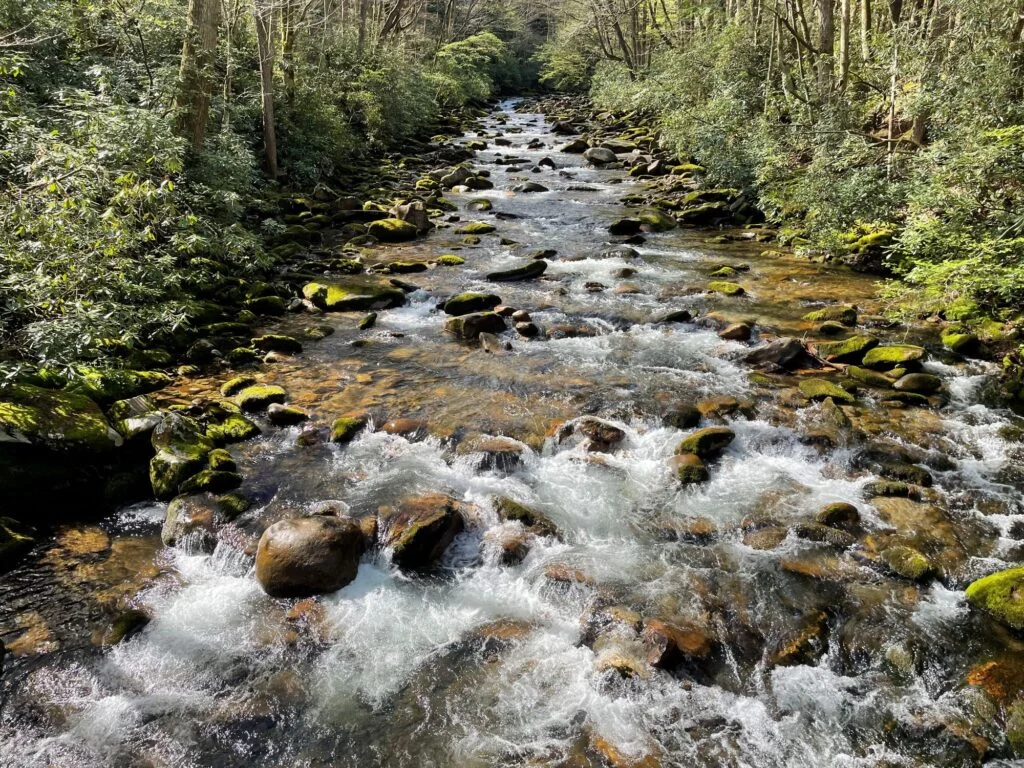
Beyond their cultural significance, National Monuments serve as essential "water towers." The 31 national monuments designated over the last 30 years protect more than 21,143 miles of rivers across 2,125 watersheds. These waters provide a critical resource for more than 13 million people, ensuring clean, reliable supplies for human consumption, agriculture, and industry.
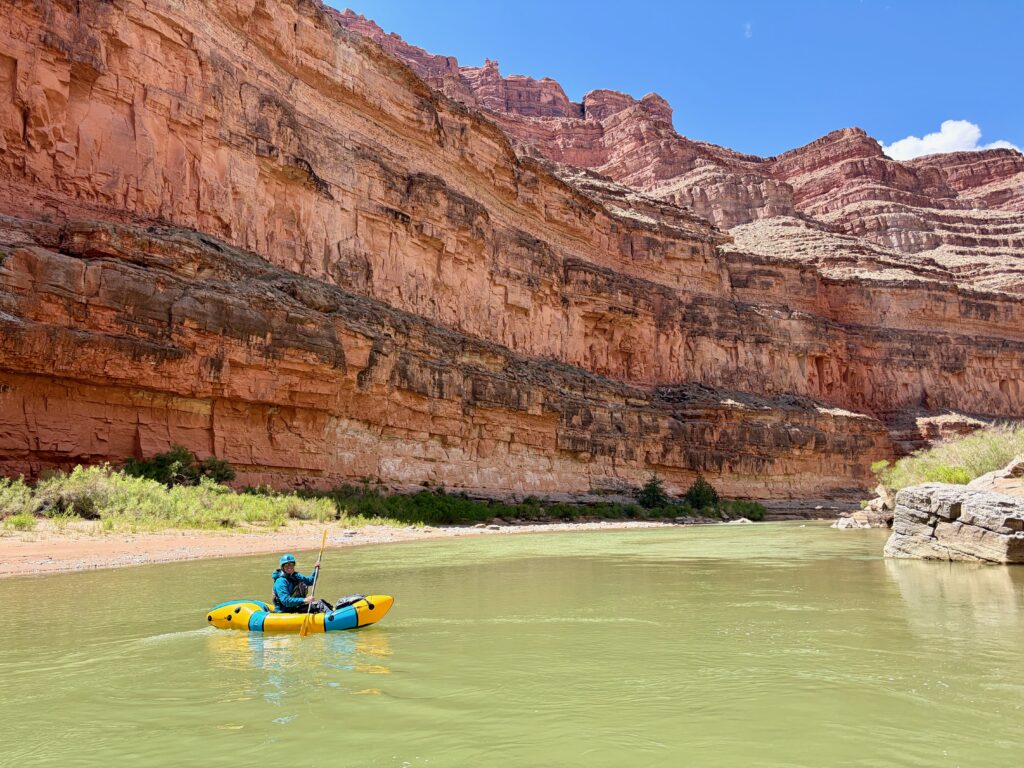
These lands are also biodiversity hotspots. In the East Branch of the Penobscot River, protected within the Katahdin Woods and Waters monument, the landscape sustains endangered Atlantic salmon, wild brook trout, moose, and Canada lynx. In the Southwest, the river corridors of Bears Ears and Grand Staircase-Escalante act as vital migration routes for elk, pronghorn, bighorn sheep, and mule deer. To fragment these landscapes is to sever the web of life that relies on these interconnected ecosystems.
Chronology of a Conflict: From Protection to Dismantling
The struggle over these specific Utah monuments has been a defining feature of 21st-century environmental policy.
- 1996: President Bill Clinton designates Grand Staircase-Escalante National Monument, recognizing its unparalleled geological and paleontological value.
- 2016: Following decades of advocacy from an inter-tribal coalition, President Barack Obama designates Bears Ears National Monument, the first in the nation to be established specifically based on the continuous, millennial-long connection of tribal nations to the landscape.
- 2017: A previous administration attempts to reduce these monuments by 2 million acres, sparking years of legal battles and political controversy.
- 2021: The incoming administration reverses the 2017 rollbacks, restoring the monuments to their original intended size.
- July 13, 2026: New presidential proclamations are issued, initiating a 90 percent reduction—a rollback far more extensive than the 2017 effort—and the dissolution of the Bears Ears Commission.
The Human Connection: Tribal Sovereignty and Stewardship
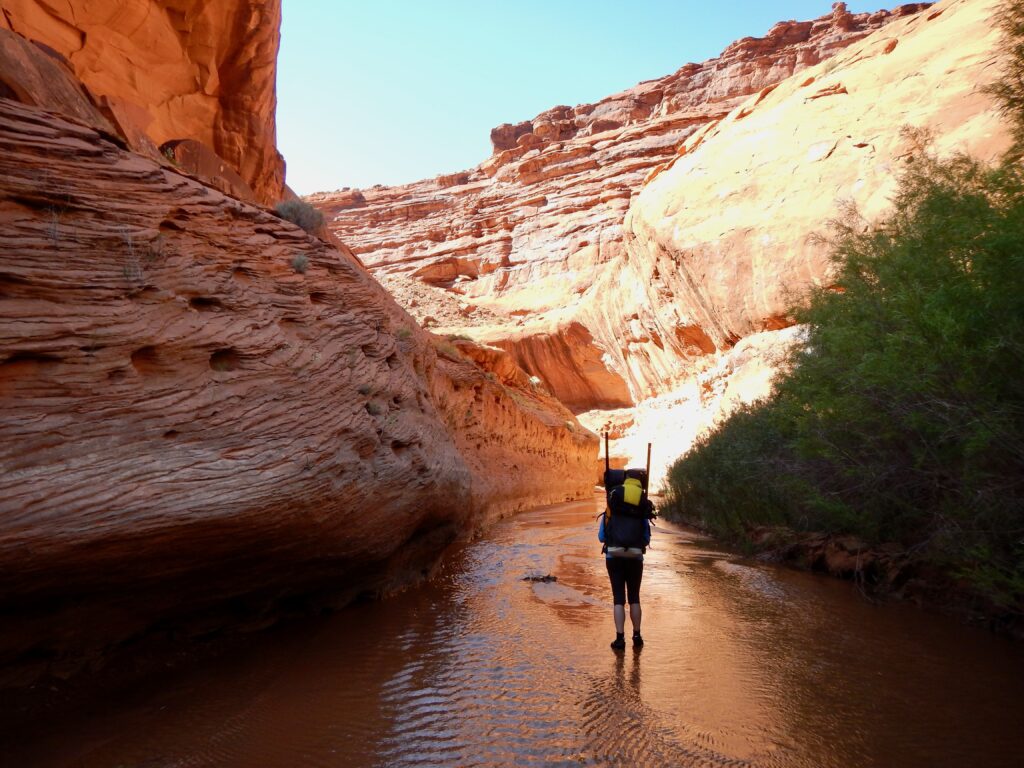
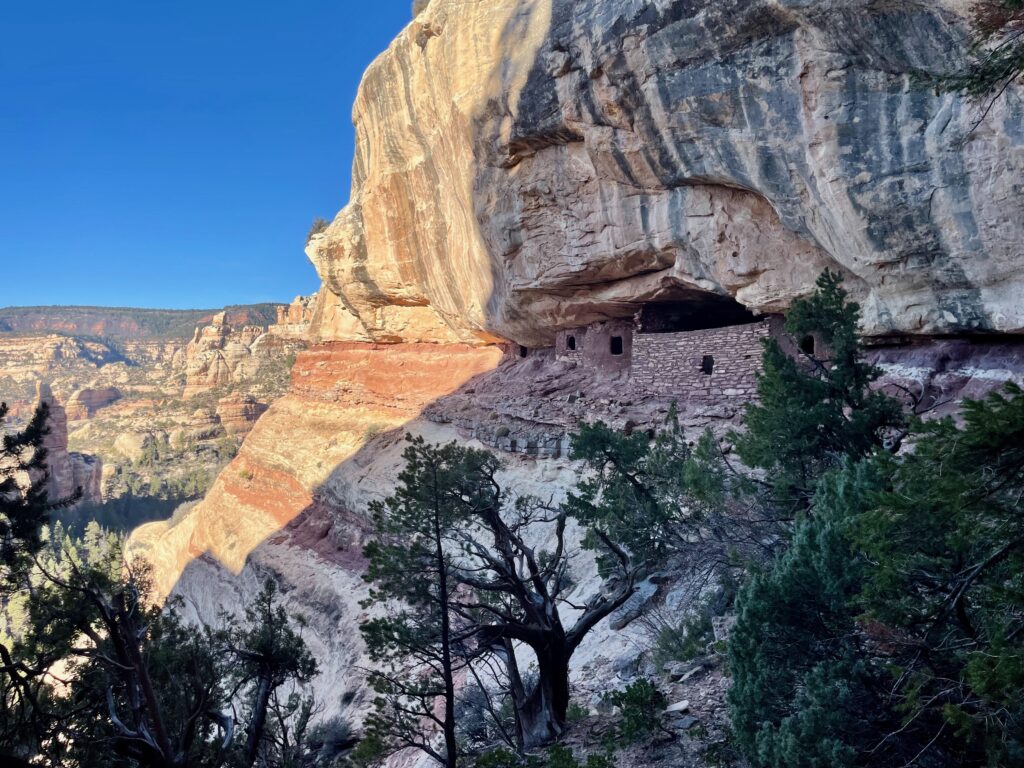
The recent actions are particularly painful for the indigenous peoples who have called these lands home for millennia. The Bears Ears Inter-Tribal Coalition—comprising the Hopi Tribe, Navajo Nation, Ute Mountain Ute Tribe, Zuni Tribe, and Ute Indian Tribe of the Uintah and Ouray Reservation—was instrumental in the 2016 designation. The area contains nearly 100,000 archeological sites, including cliff dwellings, kivas, and sacred rock art.
By disbanding the Bears Ears Commission—a management body composed entirely of tribal representatives—and removing tribal seals from monument signage, the government has effectively sidelined the very stakeholders who hold the deepest historical and spiritual connection to these lands. This is not merely a land management issue; it is a question of honoring tribal sovereignty and the government-to-government relationships that are essential to modern conservation.
Economic and Ecological Implications
The economic fallout from this decision is expected to be significant for gateway communities that have built their livelihoods around the promise of protected public lands. When federal protection is removed, the shift toward extractive industries—such as mining, drilling, and commercial grazing—often replaces the sustainable model of recreation-based tourism.
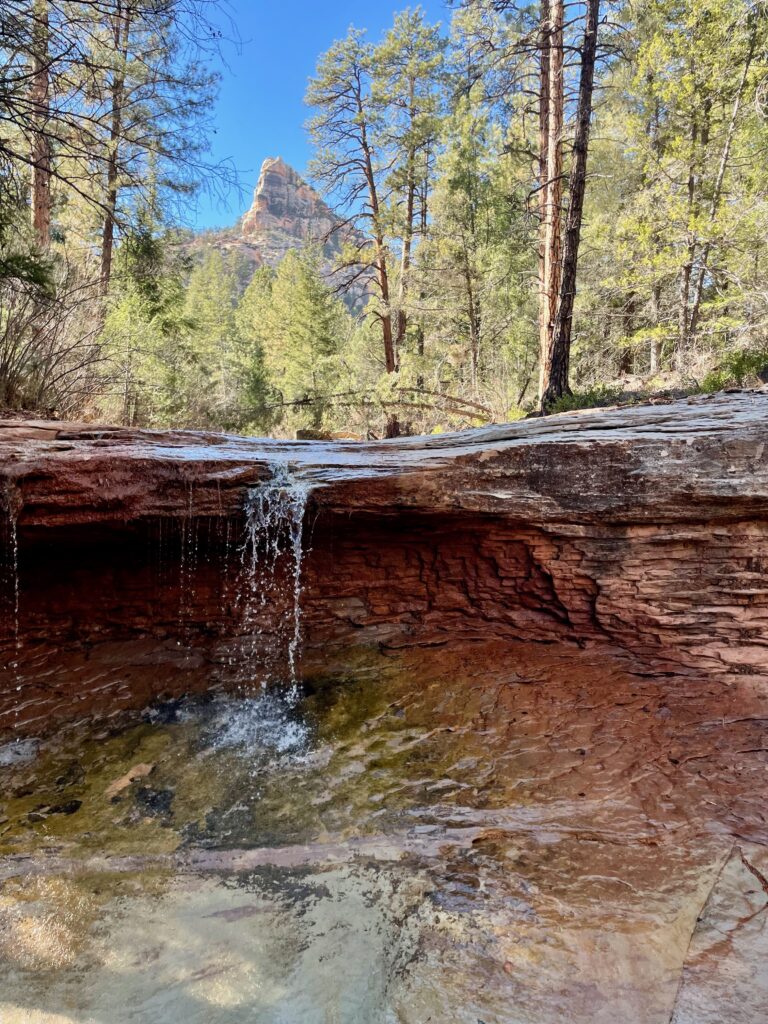
Ecologically, the damage is potentially irreversible. These monuments were designated precisely because they are "irreplaceable." Once the high-altitude mesas and desert canyons of the Colorado and San Juan river systems are opened to unrestricted development, the fragile seeps and springs that support life in the arid Southwest will be at risk of contamination and depletion.
Furthermore, the scale of this rollback sets a dangerous precedent. If 3 million acres can be removed from protection at the stroke of a pen, no national monument in the United States remains truly secure. The uncertainty created by such actions stifles long-term planning for conservationists and businesses alike.
Public Outcry and the Path Forward
The public response to the July 2026 announcement was immediate. Over 1,000 people took to the streets across six Utah cities to protest the decision, signaling that the American public is not a passive bystander when it comes to their natural heritage.
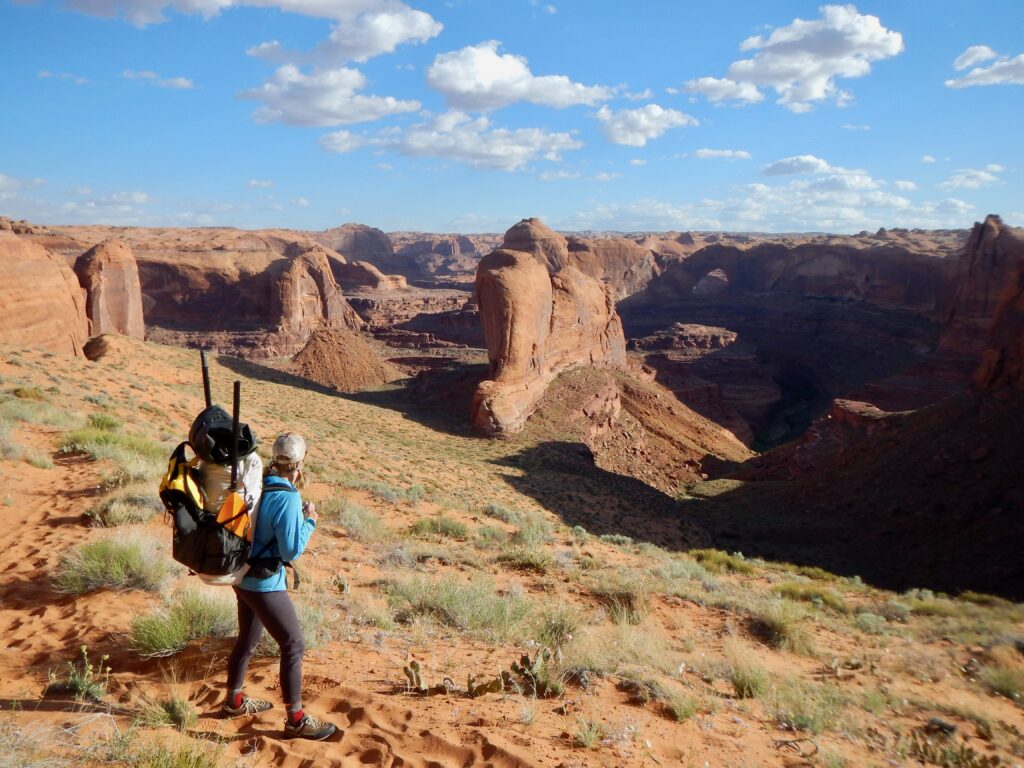
For those who have spent decades traversing these landscapes—whether on foot, by bike, or on the water—the loss is personal. These monuments are more than just geographical features; they are living cathedrals of red rock and sagebrush. They offer a rare opportunity for citizens to connect with the deep time of the American West.
As we look toward the future, the defense of these lands remains a critical litmus test for our national priorities. The debate is no longer just about boundaries; it is about the role of the federal government in acting as a steward for future generations. As a nation, we must decide if we value short-term industrial gain over the long-term health of our watersheds, our cultural heritage, and the sovereignty of the nations who have been the original stewards of these lands for thousands of years.
Conclusion: A Call to Vigilance
The recent reduction of Bears Ears and Grand Staircase-Escalante serves as a stark reminder that conservation is not a static achievement but an ongoing struggle. The Antiquities Act was designed to be a flexible, responsive tool for protection, not a revolving door for political convenience.
Whether these monuments can be restored remains to be seen, but the fight to protect them has already moved into the courts and the court of public opinion. If you care about the preservation of our national heritage, the protection of our clean water, and the respect of tribal sovereignty, the message is clear: these places are not just empty land. They are the bedrock of our national identity. We must continue to speak for the canyons, the rivers, and the communities that depend on them. The future of our public lands depends on it.