For over half a century, the Endangered Species Act (ESA) has served as the bedrock of American conservation law. Signed into law in 1973, it was hailed as a bold, bipartisan commitment to prevent the irreversible loss of the nation’s natural heritage. However, a seismic shift in federal policy enacted within the last month threatens to dismantle the efficacy of this landmark legislation. By narrowing the regulatory definition of "harm" to exclude the degradation of critical habitat, the current administration has created a legal loophole that environmental advocates warn will accelerate the extinction crisis.
The Core Conflict: Redefining "Harm"
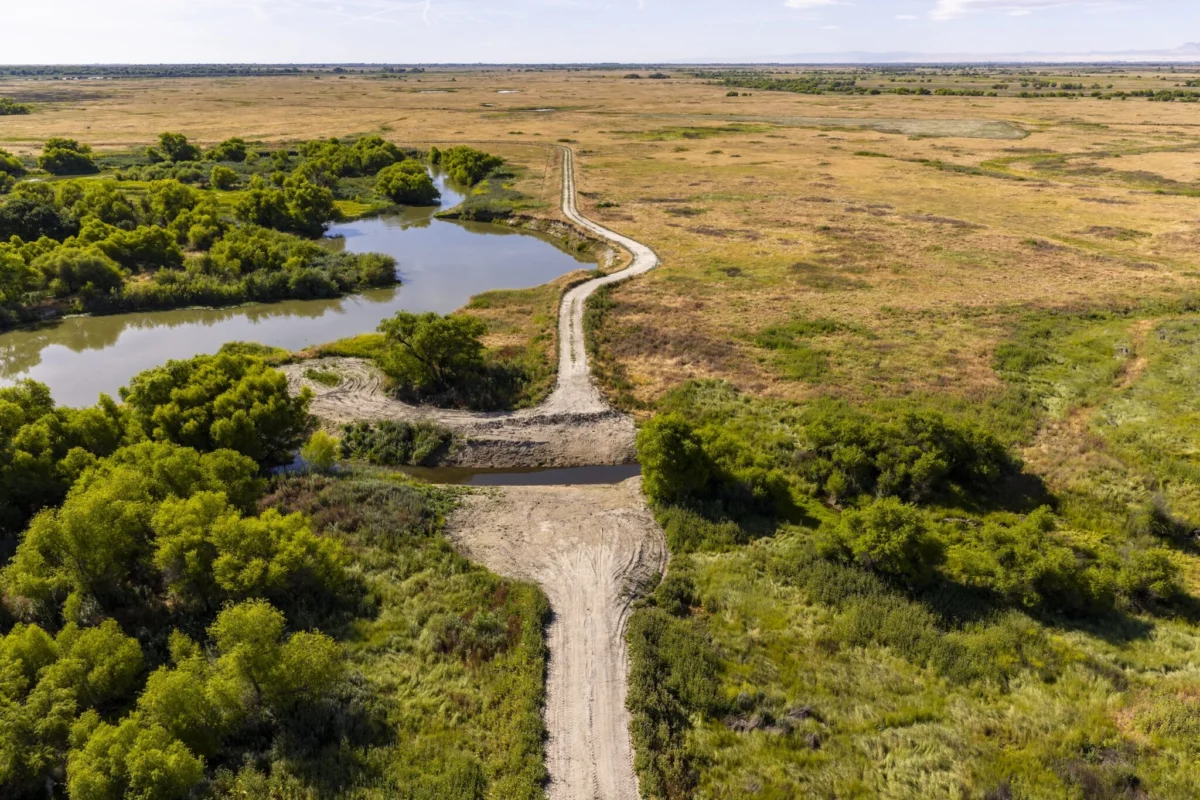
At the heart of the controversy is a bureaucratic adjustment with profound real-world consequences. Under the original interpretation of the ESA, "harm" to an endangered species was broadly defined to include significant habitat modification or degradation. This interpretation acknowledged a fundamental biological truth: you cannot save a species if you destroy the place it calls home.
By administratively excising "habitat" from the definition of harm, federal agencies have effectively lowered the bar for extractive industries. Where developers, mining operations, and industrial projects were once required to mitigate damage to sensitive ecosystems, they may now operate with significantly reduced oversight. Environmental groups argue that this change is not merely a technicality; it is a fundamental retreat from the "commonsense" approach that has defined American conservation for decades.
A Chronology of Conservation and Contention
To understand the gravity of this shift, one must look at the evolution of the ESA:
- 1973: The Endangered Species Act is signed into law with overwhelming bipartisan support, establishing the federal government’s authority to protect imperiled species and their essential environments.
- 1970s–1990s: The Fish and Wildlife Service (FWS) reinforces the necessity of habitat protection, a stance consistently upheld by federal courts and the Supreme Court, which recognized that habitat loss is the primary driver of extinction.
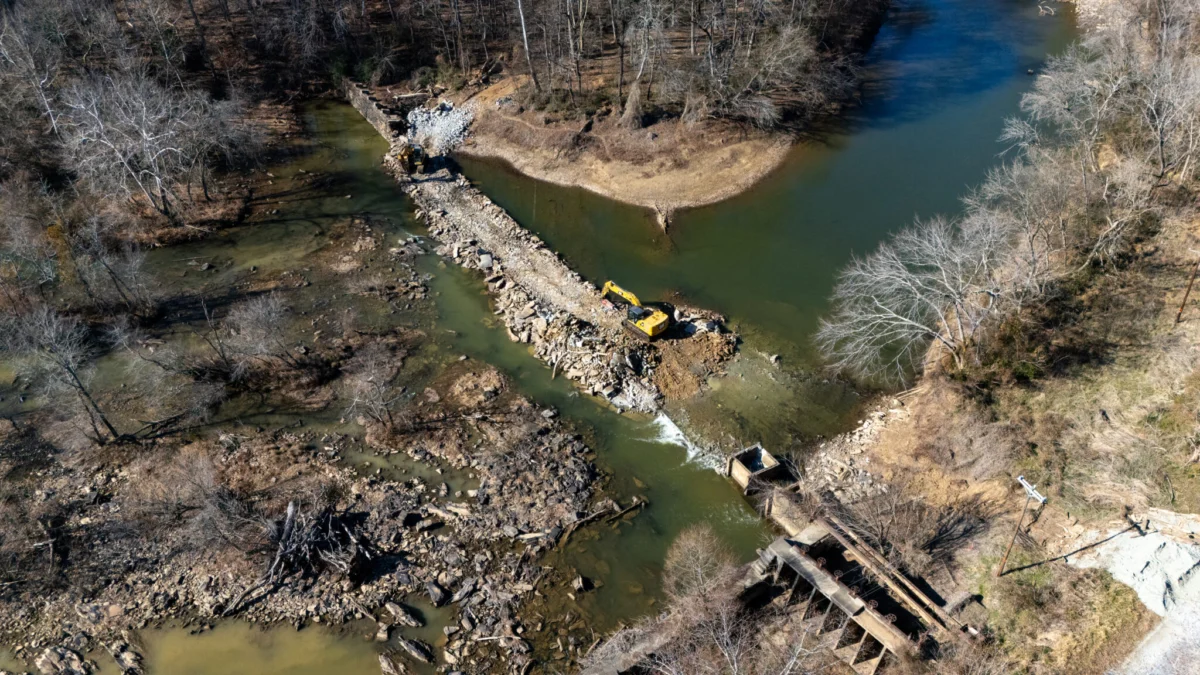
- 2020s: Conservationists celebrate successes such as the recovery of the Roanoke logperch, achieved through dam removal and habitat reconnection, proving that restoration works when the focus remains on ecosystems.
- 2026 (Last Month): The administration issues a directive modifying the definition of "harm," stripping "habitat degradation" from the regulatory framework. This decision is met with immediate backlash from the scientific and conservation communities.
Supporting Data: The Freshwater Crisis
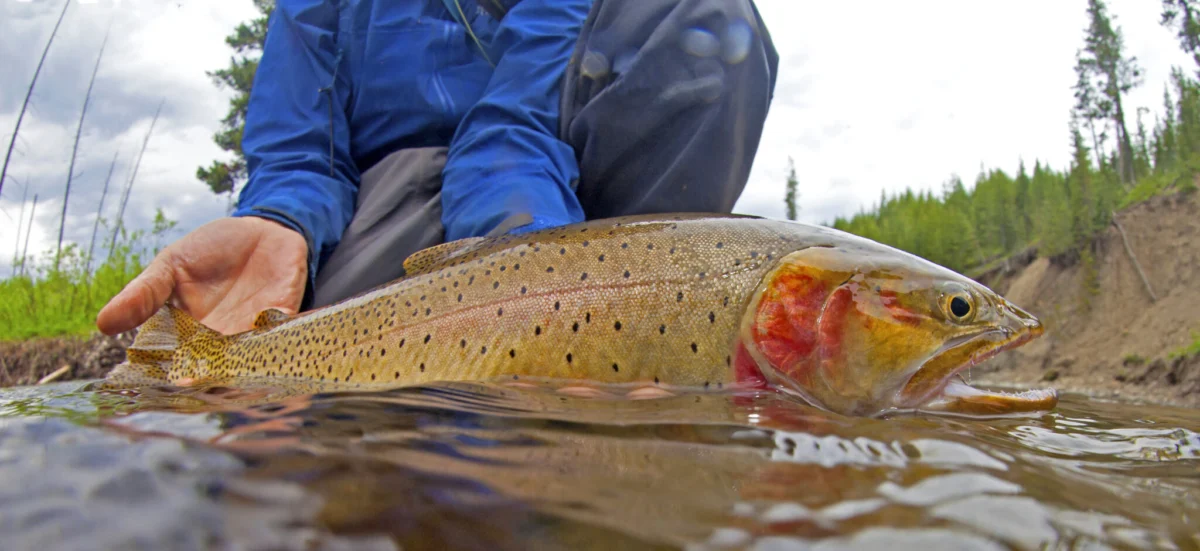
While the policy shift impacts all endangered wildlife, its most immediate and devastating effects will likely be felt in our rivers and streams. Freshwater biodiversity is currently in a state of freefall, with species in these ecosystems going extinct at rates significantly higher than their terrestrial or marine counterparts.
According to data from the World Wildlife Fund and various ecological surveys, approximately 25% of the world’s freshwater species are currently at risk of extinction. The primary culprit? Habitat fragmentation and degradation.
The Mussels: Nature’s Unsung Engineers
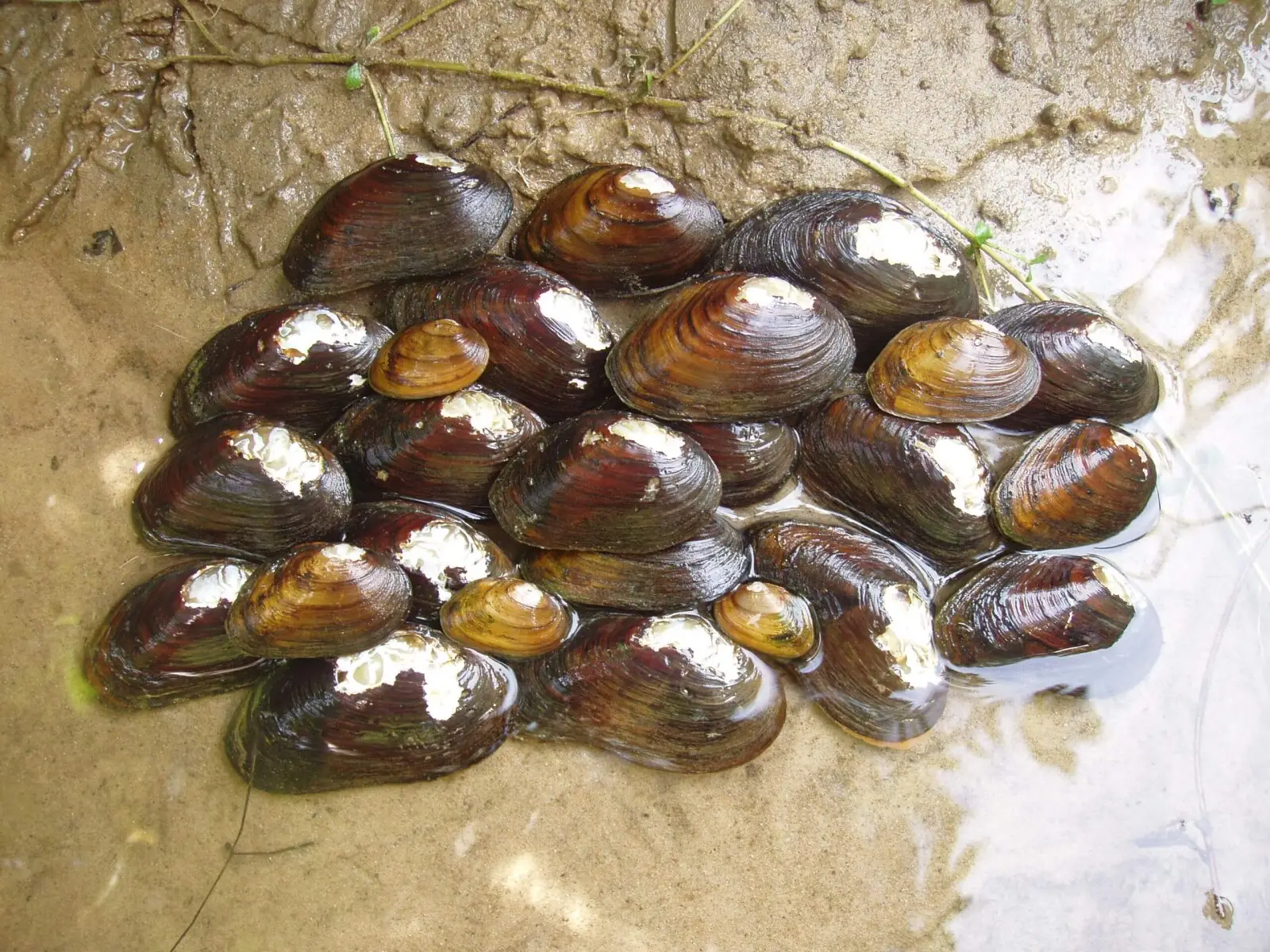
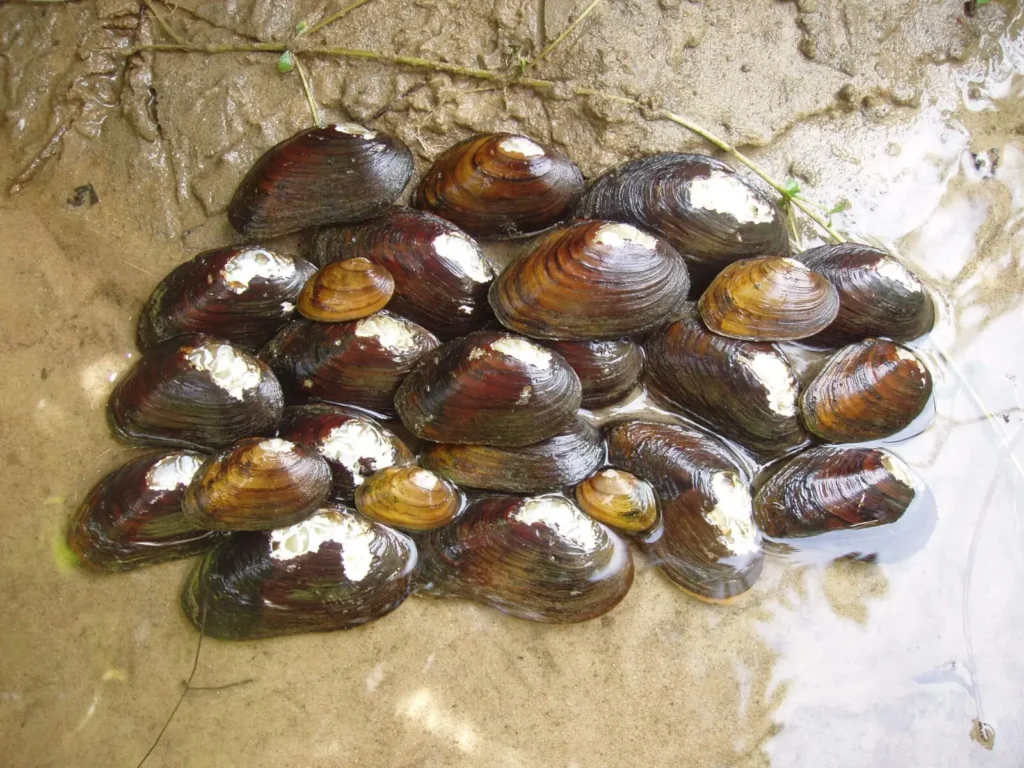
Nowhere is this threat more visible than in the plight of freshwater mussels. Often overlooked, these bivalves are the "liver" of the river. They are prolific filter-feeders; a single healthy individual can process up to 30 gallons of water per day, scrubbing out sediment and pathogens like E. coli that would otherwise contaminate the water supply.
Their life cycle is a marvel of evolutionary complexity, often requiring specific host fish to transport their larvae upstream. When rivers are dammed, polluted, or dredged, these delicate life cycles are severed. With the new regulatory changes, projects that would have once required an environmental impact study to prevent mussel bed destruction may now bypass these hurdles, leaving these vital species increasingly vulnerable.
Official Responses and Legal Precedent
The administration’s move has prompted a firestorm of criticism from legal scholars and conservationists. Critics point to the Supreme Court’s long-standing endorsement of the Fish and Wildlife Service’s original, broader definition of harm. By moving to ignore the scientific consensus—that a species is inextricably linked to its environment—the government is arguably inviting a cascade of litigation.
"The intention of Congress in 1973 was clear," says a representative from the conservation sector. "The ESA was designed to be a safety net for biodiversity. By pulling the thread of habitat protection, they are essentially unraveling the entire net."
Conversely, proponents of the change argue that the new definition provides "regulatory certainty" and reduces the burden on private landowners and industry. They suggest that the government can protect species without imposing restrictive land-use regulations that hinder economic development. However, environmental scientists maintain that this is a false dichotomy; economic stability, particularly in sectors like agriculture and municipal water management, depends on the ecosystem services—like those provided by mussels—that these protections safeguard.
Implications: The Path Forward
The implications of this policy shift are vast and unsettling. If habitat is no longer a protected element of a species’ survival, the "extinction vortex" becomes difficult to escape. Once a habitat is fragmented or destroyed, the population viability of the species plummets, making recovery efforts significantly more expensive and less likely to succeed.
The Roanoke logperch provides a hopeful counter-narrative to this trend. After 36 years on the endangered list, the fish was recently delisted. This success was not achieved by ignoring habitat, but by actively restoring it—removing four obsolete dams and reconnecting hundreds of miles of river. This case study serves as a masterclass in how targeted, habitat-focused intervention can bring a species back from the brink.
The Cost of Inaction
If the administration persists in this course, the U.S. risks losing irreplaceable components of its natural heritage. The loss of freshwater mussels, for instance, is not just a tragedy for the mussels; it is a loss of water filtration, a decline in river health, and a degradation of the natural resources that human communities rely on.
We are currently at a crossroads. One path leads toward the continued unraveling of the Endangered Species Act, prioritizing short-term industrial convenience over long-term ecological stability. The other path requires a renewed commitment to the principles that made the ESA a world-leading model for conservation: the recognition that species survival and habitat integrity are one and the same.

Call to Action: The Responsibility of Stewardship
The battle for the survival of endangered species is far from over, but it requires the engagement of an informed public. As the administration moves forward with these changes, citizens, local governments, and non-profit organizations must act as the last line of defense.
Protecting our rivers is synonymous with protecting our future. Whether through supporting local dam removal projects, advocating for stronger state-level protections, or simply becoming educated on the species that keep our local watersheds clean, the responsibility of stewardship falls to us all.
The question remains: How will we justify the loss of our planet’s most vulnerable creatures if we allow the very foundations of their existence to be erased? The time to speak up for the voiceless—the mussels, the hellbenders, and the countless species that rely on the health of our waterways—is now. The legacy of the Endangered Species Act depends on our willingness to fight for the habitat that keeps these species alive.