By Donna Myers | July 2, 2026
The residents of North Carolina’s Cape Fear River Basin—a region that has served as a national bellwether for the industrial crisis of per- and polyfluoroalkyl substances (PFAS)—find themselves back at ground zero. After years of hard-fought advocacy, community-led scientific investigation, and the landmark establishment of federal drinking water standards, a sudden pivot by the Environmental Protection Agency (EPA) has injected profound uncertainty into the future of public health.
On May 18, 2026, the EPA announced two proposed rules that threaten to unravel years of progress. The first proposal seeks to roll back federal protections for several specific PFAS compounds, while the second aims to delay the implementation of existing compliance standards. For a population already grappling with the long-term health consequences of "forever chemicals," these announcements represent a significant regulatory retreat, casting doubt on the federal government’s commitment to addressing chemical contamination at its source.
The Nature of the Threat: Understanding PFAS
Often referred to as "forever chemicals," PFAS are a vast class of synthetic compounds used in everything from non-stick cookware and food packaging to fire-fighting foams and industrial coatings. Their chemical structure—characterized by incredibly strong carbon-fluorine bonds—makes them virtually indestructible in the natural environment.
When these chemicals enter the watershed through industrial discharge, they do not dissipate. Instead, they accumulate in the river sediment, the groundwater, and ultimately, the human body. Research has increasingly linked exposure to PFAS, even at trace concentrations, to a suite of severe health outcomes, including endocrine disruption, developmental issues in infants, impaired immune function, and increased risks of various cancers.
Because these chemicals are persistent, "treating" water once it reaches the tap is often insufficient and exorbitantly expensive for municipal utilities. This is why federal standards are so vital: they shift the economic and operational burden away from ratepayers and taxpayers and toward the industrial polluters, creating a powerful financial incentive for corporations to stop the contamination at the source.

A Chronology of Contention: From Discovery to Deregulation
The current climate of uncertainty follows a volatile decade of discovery and debate regarding the Cape Fear River:
- 2017: Public attention explodes as reports emerge regarding the presence of GenX—a specific PFAS compound—in the drinking water supply of thousands of North Carolinians, traced back to the Chemours facility in Fayetteville.
- 2018–2023: A period of intense local advocacy. Organizations like Cape Fear River Watch and the Haw River Assembly partner with independent researchers to document the extent of the contamination, forcing the issue onto the state and federal agendas.
- May 2024: The EPA delivers a historic win for public health by finalizing the nation’s first enforceable drinking water standards for several PFAS chemicals. This move is celebrated as a monumental shift in how the U.S. regulates industrial toxins.
- October 2025: Community advocates report that despite the 2024 standards, enforcement remains inconsistent, with local utilities struggling to fund the infrastructure needed to meet the new federal thresholds.
- May 18, 2026: The EPA announces the "Rescission Rule" and a "Compliance Extension Rule," effectively pausing and rolling back the protections established just two years prior.
- July 2026: As the comment period for these rules opens, basin communities are mobilizing to challenge the EPA’s reversal.
The Human and Ecological Cost: The Cape Fear Reality
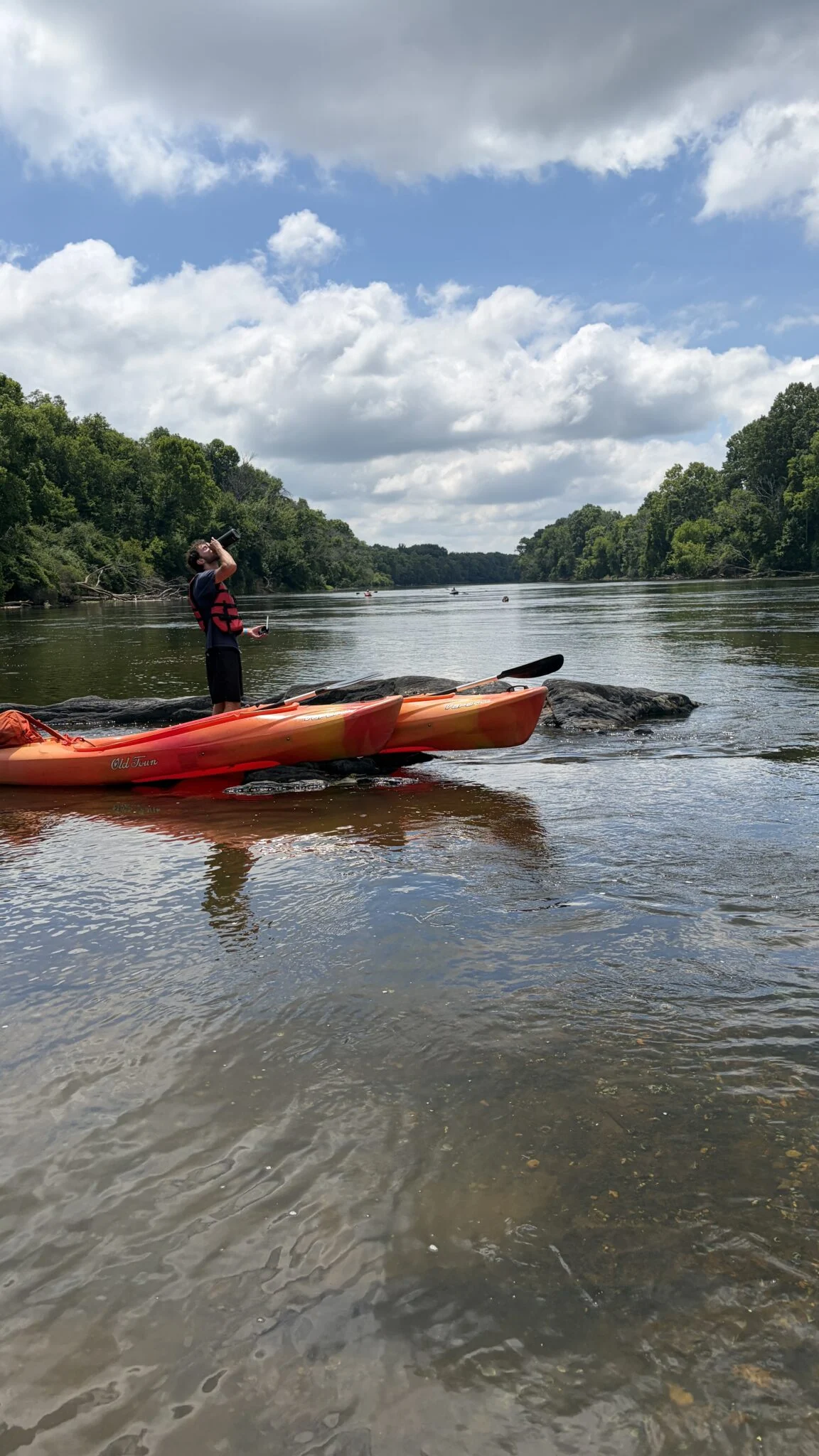
The Cape Fear River Basin is not merely a pipeline for drinking water; it is one of the most ecologically diverse regions in the southeastern United States. Its network of wetlands, floodplains, and river channels supports a delicate balance of wildlife and sustains the local economy, from agriculture to recreation.
However, the "cost" of PFAS has become a defining feature of life in the basin. Families are forced to rely on bottled water or expensive, high-maintenance filtration systems. Municipalities are being forced to raise water rates to pay for carbon-filtration systems that are barely capable of keeping pace with the chemical influx.
The proposed rollbacks ignore this lived reality. By delaying compliance, the EPA is effectively allowing the continued flow of known toxins into the ecosystem. The implications extend beyond human health; they touch upon the integrity of the entire watershed. If the federal government eases the pressure on industrial polluters now, the cumulative damage to the region’s flora and fauna may become irreversible.
Official Responses and the Regulatory Gap
The EPA’s justification for the May 2026 proposals centers on "technical feasibility" and "economic impact on small water systems." Agency officials have argued that the original timeline for compliance was too aggressive for rural municipalities that lack the tax base to finance massive water treatment upgrades.
Critics, however, argue that this is a false dichotomy. "The cost of compliance should not be balanced against the cost of human lives," says one advocate from Clean Cape Fear. "If the EPA is concerned about small systems, the answer is federal funding and technical support, not the removal of the public health standards themselves."

Environmental law experts have noted that these rollbacks appear to be a response to intense lobbying from industrial trade groups, who have long argued that the 2024 standards were overreaching. The legal battleground is now shifting to whether the EPA has the statutory authority to walk back these standards once they have been formally codified and deemed necessary for public health.
The Path Forward: Advocacy and Legislative Action
Despite the setbacks, the movement to protect the Cape Fear River remains resilient. Local partner organizations are refusing to back down, continuing to document pollution impacts and providing a platform for the voices of impacted residents. Groups such as Sustainable Sandhills and the Haw River Assembly are working to ensure that the public comment period for these new rules is flooded with testimonies that highlight the human toll of the proposed rollbacks.
Beyond local activism, there is a push for federal legislative intervention. The Healthy H2O Act (H.R. 4721 / S. 2436) has emerged as a critical piece of bipartisan legislation that could provide a lifeline. The act seeks to:
- Expand Testing: Provide federal resources for rural homeowners who rely on private wells and are currently "off the grid" regarding municipal water quality data.
- Infrastructure Grants: Create a dedicated funding stream for the installation of treatment technologies specifically designed for PFAS removal.
- Modernization: Modernize aging water infrastructure to prevent the leakage of contaminated groundwater into clean supply lines.
Why Source Reduction Matters
The debate over PFAS often focuses on "end-of-pipe" solutions—essentially, how we filter the water once the toxins are already in the river. While essential, this is a reactive approach. The most effective, affordable, and sustainable way to protect the Cape Fear River is to prevent these chemicals from entering the water system in the first place.
This requires a fundamental shift in industrial policy. It means holding companies accountable for their waste streams, mandating transparency in chemical production, and implementing strict limits on what can be discharged into public waterways. Protecting the river is not just an environmental goal; it is a public health necessity.
As we look toward the remainder of 2026, the situation in the Cape Fear River Basin serves as a stark reminder that the right to clean, safe water is not guaranteed. It is something that must be constantly defended against the pressures of industrial interest and administrative volatility. For the residents of the basin, the fight for their water—and their health—is far from over. It is, in every sense, a fight for their future.