Introduction: An Expedition of Scale and Spirit
For professional river guides, the allure of the world’s great whitewater is more than a vocation; it is a calling. Recently, Mike and Cody, seasoned experts in river navigation and rescue, returned from a transformative expedition to Northern India. Their journey was not merely a technical training mission with the Hannibal Outdoor Center, but a profound immersion into a land of staggering topographical extremes, ancient spiritual tapestries, and the complex duality of progress and preservation.
Navigating the Ganges—the most sacred waterway in Hinduism—provided the pair with a unique lens through which to view the subcontinent. From the towering foothills of the Himalaya to the chaotic, vibrant pulse of Haridwar, the expedition served as a masterclass in the intersection of extreme sport, cultural anthropology, and environmental reality.
The Chronology of an Expedition
The trip began in the high-altitude regions of Northern India, where the scale of the landscape defies conventional comprehension.
Phase I: The Himalayan Foothills
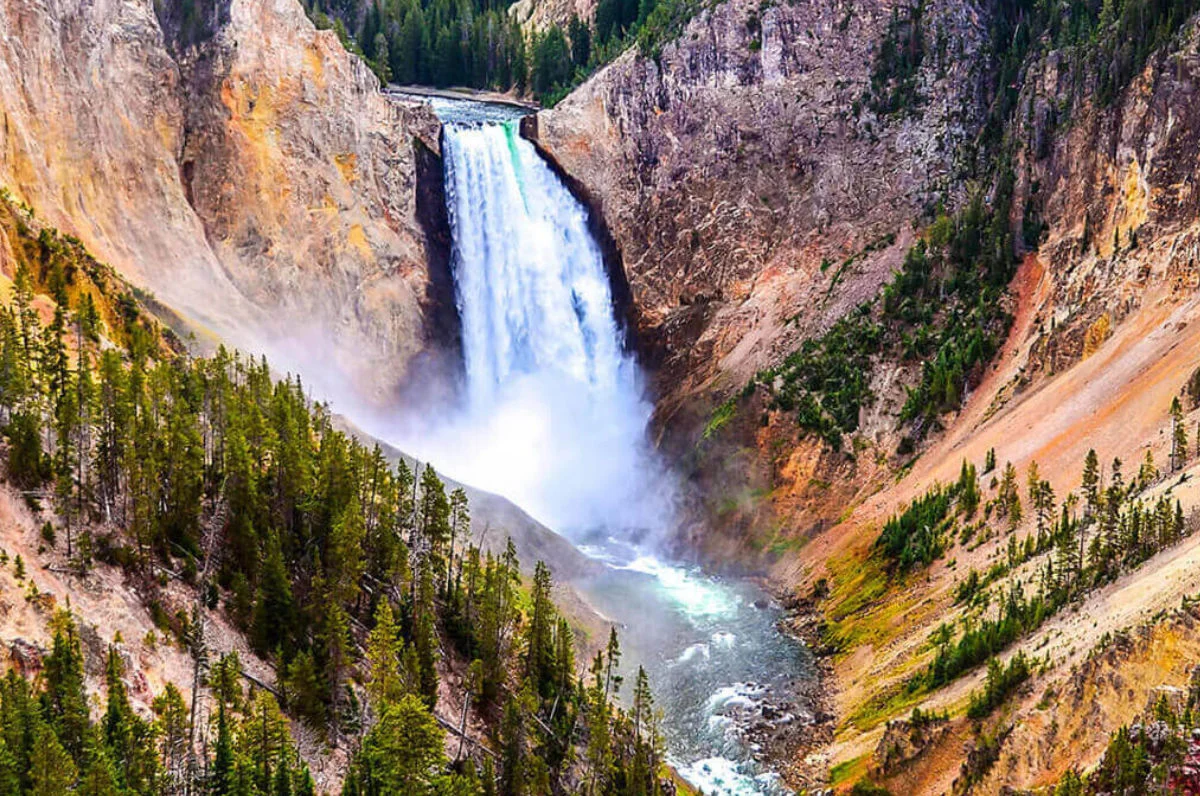
Upon arrival, the team immediately confronted the sheer magnitude of the Himalayan range. In regions where towns and villages are perched at elevations between 8,000 and 12,000 feet, the geography is humbling. The team noted that what the locals consider "foothills" are mountains of monumental proportions by Western standards. Here, the rivers do not simply flow; they tumble with a raw, kinetic energy born from glacial melt and extreme gradients.
Phase II: The Ganges Descent
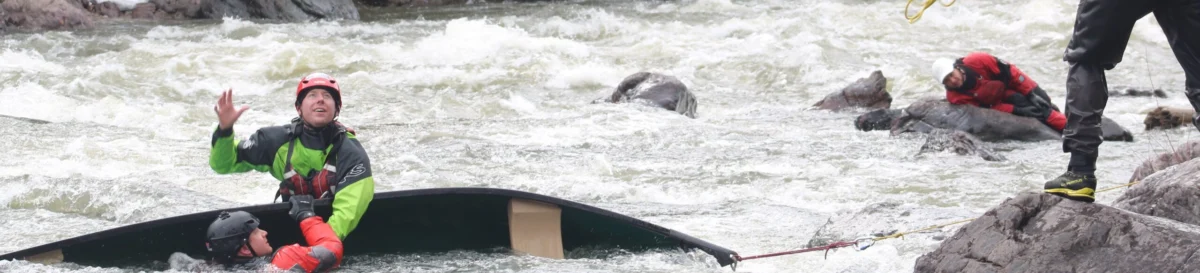
The centerpiece of the trip was the descent of the Ganges. Coordinating with local guides from the Hannibal Outdoor Center, Mike and Cody analyzed regional rafting standards and safety protocols. During their run, they estimated the river’s flow at approximately 40,000 cubic feet per second (cfs). Navigating a volume of this magnitude requires not only technical precision but a deep respect for the river’s unpredictable nature.
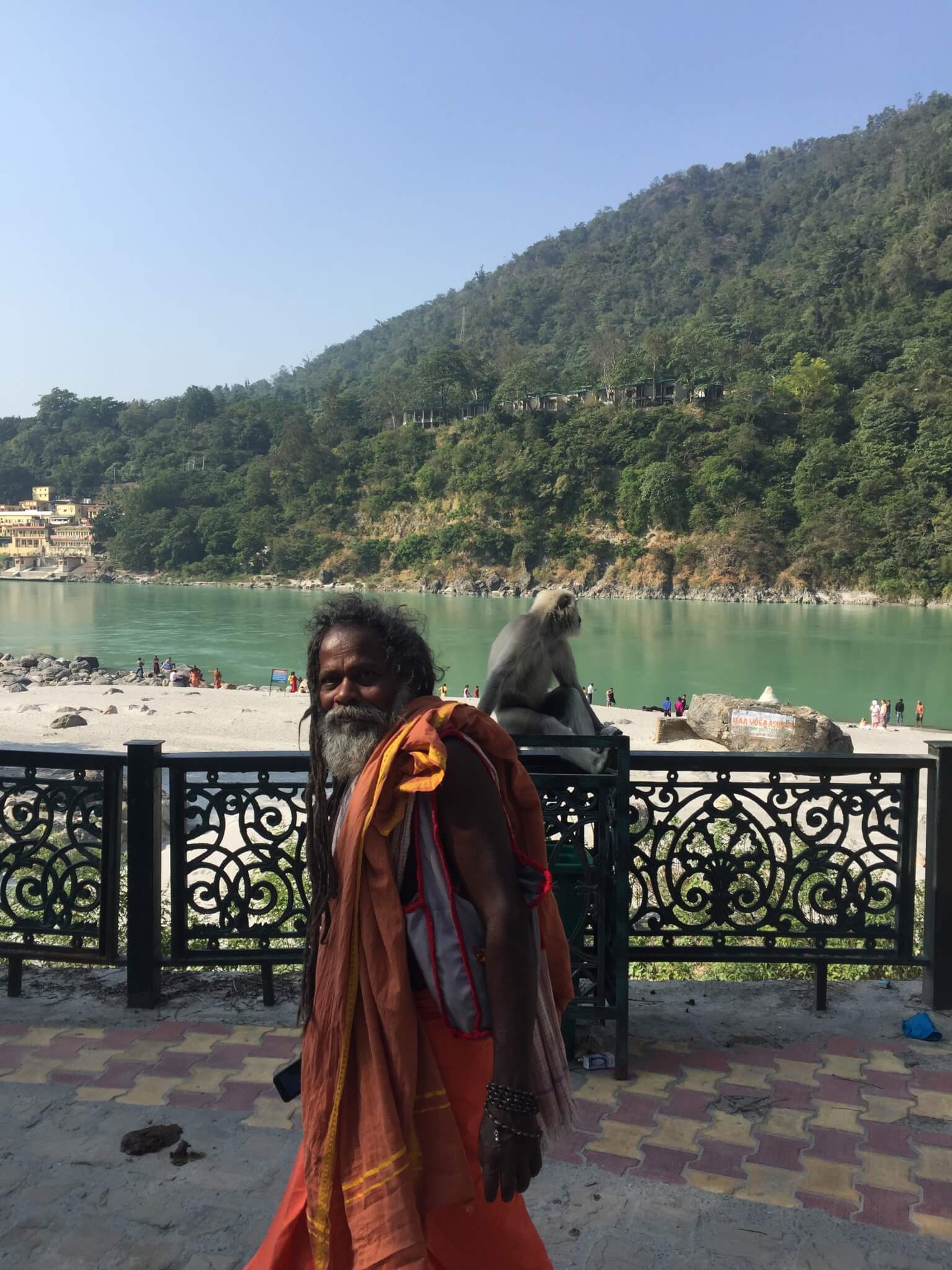
Phase III: Cultural Immersion in Haridwar
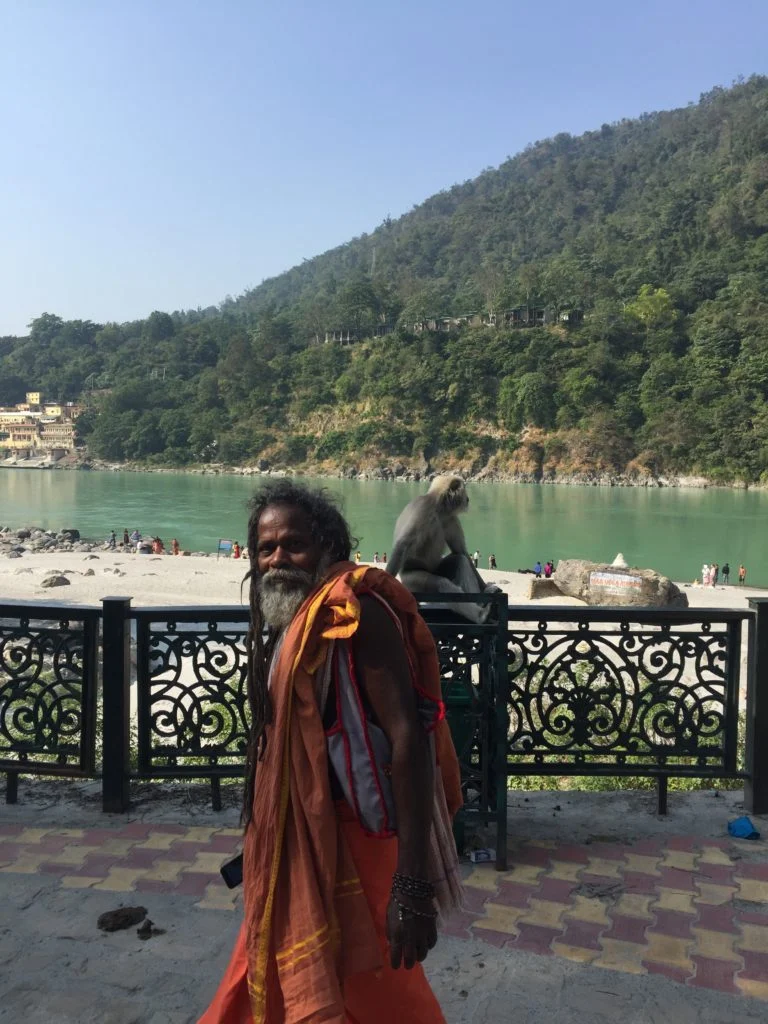
Transitioning from the wilderness to the spiritual heart of the river, the team traveled to Haridwar. This city serves as a primary site for pilgrimage, where thousands gather daily to engage in religious ceremonies. The team’s footage from the banks of the Ganges captured the sensory overload of the site: the chanting, the ritual cleansing, and the sheer density of human devotion. This immersion provided a stark contrast to the solitude of the upper river stretches, highlighting the Ganges’ dual identity as both a wild, powerful force of nature and a living, breathing altar.
Supporting Data: The Complexity of the Subcontinent
India is a country that operates on a scale difficult to quantify. To understand the experience of the guides, one must look at the data surrounding the environment they navigated.
The Demographic and Linguistic Tapestry
India is home to nearly 1.4 billion people—roughly one-fifth of the global population. This massive demographic is mirrored by a linguistic diversity that is perhaps unmatched anywhere on Earth. While Hindi is a primary language of administration and communication, the nation boasts approximately 3,000 distinct languages and dialects. For the traveler, this means that every train stop or village crossing presents a new social and cultural dynamic.
The Hydrological Challenge
The Ganges is more than a river; it is a lifeline. However, the team witnessed the severe environmental strain placed upon it. While the river remains a site of worship, it is also documented as one of the most polluted waterways globally. The combination of untreated human waste and industrial runoff presents a critical challenge to the government and the millions of people who depend on the river for their daily survival. The tension between the river’s spiritual status and its ecological degradation is one of the most pressing narratives of modern India.
Biodiversity in the High Country
Beyond the river banks, the team encountered an ecosystem of immense variety. Northern India supports a wealth of wildlife, including wild elephants, leopards (often referred to locally as jaguars in some contexts), diverse monkey populations, and cobras. These creatures thrive in the same corridors where human agricultural practices are pushed to the limit, showcasing a precarious balance between wildlife conservation and the needs of a growing agrarian society.

Official Perspectives and Industry Standards
The collaboration with the Hannibal Outdoor Center was a vital component of the trip. By working alongside local instructors, the American guides were able to evaluate how Indian outfitters manage risk in high-volume, high-consequence whitewater.
Industry experts note that Indian rafting standards are evolving rapidly as adventure tourism grows in the Himalayan regions. The integration of international safety protocols—such as those taught by rescue organizations—with local knowledge is becoming the standard for safe operation on the Ganges. The exchange of knowledge between the American guides and the Hannibal staff focused on the standardization of rescue techniques, equipment maintenance, and the management of large-group logistics in volatile river environments.
Implications: The Future of Adventure and Conservation
The journey taken by Mike and Cody carries significant implications for the future of adventure travel and environmental advocacy.
The Evolution of Travel
The pair noted that while they have always preferred the "river or trail" approach to travel, India demanded a shift in perspective. The Indian railway system emerged as a highlight of the experience. Traveling by train offered an unparalleled view of the nation’s expanse—from bustling cities to the "heroic subsistence agriculture" of rural landscapes. The experience of riding between train cars, breathing the air, and watching the changing topography served as a reminder that the most meaningful travel often occurs in the spaces between destinations.
Environmental Stewardship
The contrast between the beauty of the Himalayas and the reality of the landfills near the rivers creates a complex cognitive dissonance. The team’s reflections emphasize that the beauty of India is inseparable from its challenges. The "potential" of the region, as noted by the guides, lies in the resilience of its people. However, the environmental burden on the Ganges suggests that sustainable development is no longer an option—it is an existential necessity.

The team’s observations suggest that for the Ganges to remain both a spiritual icon and a functional resource, significant infrastructure investment in waste management is required. This is a point of ongoing debate within the Indian government, which has launched various initiatives to clean the river, though the scale of the project remains daunting.
Conclusion: A Lingering Respect
Returning from a country as vast and contradictory as India leaves a lasting impression on the traveler. Mike and Cody’s experience was defined by a shift in their own perceptions of scale—not just in terms of mountain height or water volume, but in terms of human capacity.
The "overwhelming" nature of the experience—the poverty, the pollution, the spiritual fervor, and the incredible hospitality—created a synthesis of emotions that few other places can replicate. The team returned with more than just video clips and data; they returned with a profound admiration for a culture that manages to persist and flourish amidst immense complexity.
As they look toward future expeditions, the lessons learned in the foothills of the Himalaya will undoubtedly influence their approach to river safety and global adventure. India is a place that does not merely ask to be visited; it demands to be understood. For Mike and Cody, the return to the Ganges is not a matter of "if," but "when." The river, in all its sacred and scarred glory, has a way of calling those who have touched its waters back to its banks.