In an era defined by rapid urbanization, digital saturation, and the relentless pace of modern life, the human connection to the natural world has become increasingly tenuous. As society pivots further toward consumerism and convenience, the visceral, grounding experience of nature is often relegated to the background of our lives. William E. Simpson II, a renowned naturalist, author, and conservationist, argues that this growing disassociation is not merely a lifestyle shift, but a crisis of understanding that threatens the very ecosystems upon which we depend.
While documentaries and educational media serve as vital windows into distant habitats, they remain secondary to the transformative power of direct experience. According to Simpson, there is no substitute for the tangible immersion provided by ecotourism—a movement that promises to reshape our relationship with the environment, foster responsible stewardship, and provide innovative solutions to some of our most pressing ecological challenges.
The Sensory Imperative: Why We Need Nature
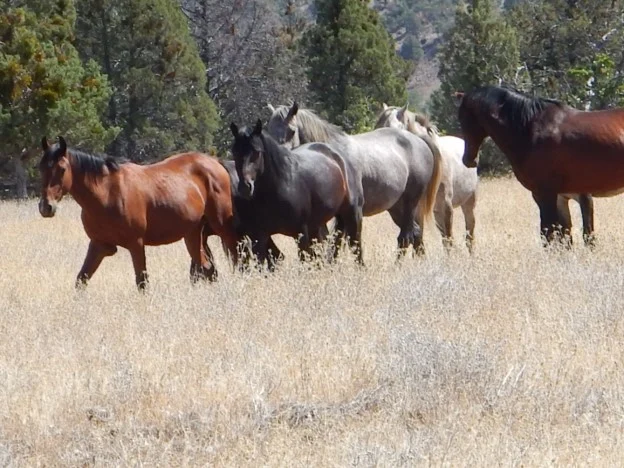
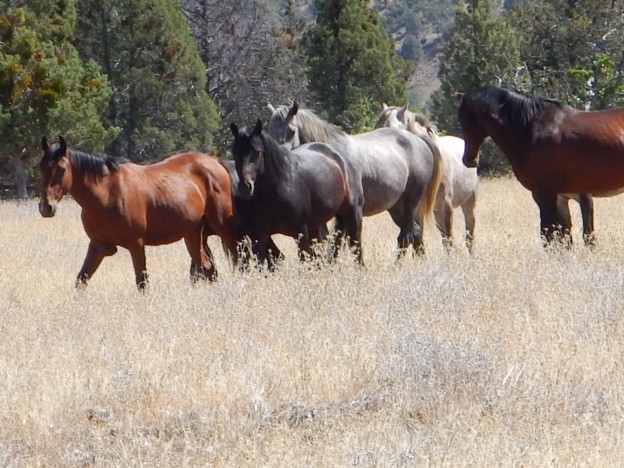
To understand the value of ecotourism, one must first recognize what is being lost. The "natural world" is not a static image on a screen; it is a sensory symphony. It is the sharp, bracing scent of a pine forest at dawn, the intricate, communicative calls of eagles circling in the high-altitude thermals, the sight of a wild stallion standing vigil over his band in the high desert, and the rhythmic, meditative sound of a crystalline mountain stream tumbling over granite.
These experiences are not just leisure activities; they are sensory inputs that ground the human psyche. When we are physically present in nature, we transition from observers to participants. This immersion triggers a cognitive shift: we move from viewing nature as a collection of resources to be managed or exploited, to recognizing it as a complex, living system that demands our respect and protection.
A Chronology of the Ecotourism Evolution
The concept of ecotourism has evolved significantly over the past four decades, moving from a niche hobby for nature enthusiasts to a sophisticated, global economic and environmental strategy.
- The 1980s: Emergence of Sustainable Travel. The term "ecotourism" gained traction as a response to the negative environmental impacts of mass tourism. It was initially focused on minimal impact and basic education.
- The 1990s: Institutionalization. The formation of organizations like The International Ecotourism Society (TIES) in 1990 marked a turning point. Guidelines were established to ensure that tourism could actually fund conservation projects rather than merely observing them.
- The 2000s: The Economic Integration. Ecotourism began to be recognized as a viable economic driver for rural and developing regions. Governments started to see that a living forest or a thriving wildlife population could generate more revenue through long-term tourism than through extractive industries like logging or mining.
- The 2020s: The "Rewilding" Frontier. Today, the focus has shifted toward proactive conservation. Ecotourism is no longer just about looking; it is about facilitating ecosystem health. The integration of "rewilding"—the restoration of native species to their ancestral habitats—has become the new frontier, linking wildlife management directly to tourism revenue.
Supporting Data: The Case for Wild Horse Rewilding
One of the most compelling examples of modern, data-driven ecotourism is the proposed rewilding of American wild horses. The intersection of wildlife advocacy and economic common sense provides a clear blueprint for future conservation efforts.
The Economic Burden of Current Policy
Currently, the Bureau of Land Management (BLM) spends nearly $100 million annually managing wild horse populations, often through expensive, controversial roundups and long-term captive holding facilities. These horses, which are iconic symbols of the American West, are frequently caught in conflicts with livestock production interests.
The Ecotourism Dividend
Research suggests that a shift in strategy could turn this financial burden into an economic asset. By transitioning these horses to carefully selected wilderness areas where they can roam freely, local and regional economies stand to benefit significantly.
- Tourism Revenue: Communities near wild horse habitats often report a marked increase in tourism spending. Visitors travel from around the world to witness these animals in their natural environment, supporting local hotels, restaurants, and tour operators.
- Wildfire Mitigation: Beyond the aesthetic and economic benefits, there is a scientific argument for the presence of horses in certain ecosystems. Properly managed wild horse populations graze on grass and brush, effectively reducing the fuel load in ecologically sensitive areas. By mimicking the role of historical herbivores, they can serve as a natural defense against catastrophic wildfires, a growing concern in the arid West.
For more detailed data on the economic impact of wild horse tourism, refer to studies conducted in regions like Moffat County, where wildlife observation has proven to be a reliable and sustainable economic pillar.
Official Responses and Stakeholder Perspectives
The debate surrounding the implementation of large-scale ecotourism initiatives involves a complex web of stakeholders, including government agencies, private landowners, conservationists, and the public.
The Bureau of Land Management (BLM) and Government Agencies
Historically, government agencies have prioritized utilitarian land use. However, as public opinion shifts toward a greater appreciation for biodiversity, agencies are facing increased pressure to modernize their management plans. The move toward "intelligent natural resource management" suggests that the government is beginning to acknowledge that wildlife, when effectively managed, can provide services—such as fire prevention—that are cheaper and more effective than traditional mechanical or chemical interventions.
The Conservationist Viewpoint
Experts like William E. Simpson II advocate for a paradigm shift in how we categorize "natural resources." The consensus among conservationists is that current management models are outdated. By integrating ecotourism into the policy framework, we can incentivize the protection of wild spaces. When the local community benefits financially from the presence of wild animals, the animals themselves gain a new, human-provided layer of security.
The Public and Media
The Hollywood fascination with wild horses is a testament to the cultural value of these animals. From blockbuster documentaries to feature films, the horse remains an enduring symbol of freedom and the American spirit. This cultural connection is a powerful tool; when the public feels an emotional bond with a species, they are significantly more likely to support policies that protect that species and its habitat.
Implications: The Future of Our Natural Heritage
The implications of adopting a robust, ecotourism-centered conservation strategy are profound. If we successfully bridge the abyss between modern society and the natural world, the benefits will manifest in three primary areas:
1. Stewardship through Compassion
When individuals experience the majesty of a wild animal in its native habitat, the abstract concept of "environmental protection" becomes a personal mission. This shift in perspective is the foundation of long-term conservation. It replaces apathy with stewardship.
2. Economic Diversification
For many rural areas, the dependence on extractive industries (such as mining or heavy grazing) is increasingly precarious. Ecotourism offers a sustainable alternative that preserves the landscape for future generations while providing stable, long-term employment. It creates a circular economy where the health of the land directly correlates to the prosperity of the people.
3. Ecological Resilience
By incorporating natural processes—such as the grazing of wild horses to mitigate fire risk—we move toward a model of "co-management" with nature. We stop trying to control every variable of the environment and instead allow the environment to regain its inherent resilience.
Conclusion
William E. Simpson II’s assertion that there is "no substitute" for firsthand experience is a call to action for every citizen. The digital age has provided us with unprecedented access to information, yet it has simultaneously isolated us from the physical reality of our planet.
Ecotourism is the bridge back to that reality. It is a powerful, multifaceted tool that satisfies our innate human curiosity, bolsters local economies, and provides a framework for the intelligent management of our natural resources. As we look toward the future, the integration of wild horses into appropriate wilderness areas serves as a poignant, practical, and highly effective example of how we can live in harmony with the wild. By embracing these opportunities, we do more than just travel; we evolve our society toward a future where man and nature are no longer in conflict, but in communion.
For further information on the potential for wild horse rewilding and the benefits of modern conservation, visit www.WHFB.us or explore the resources provided by The International Ecotourism Society at www.ecotourism.org.