Scaling Sustainability: Insights from the 4th Annual AUA Ecotourism Conference

Introduction: A Strategic Pivot for Global Tourism

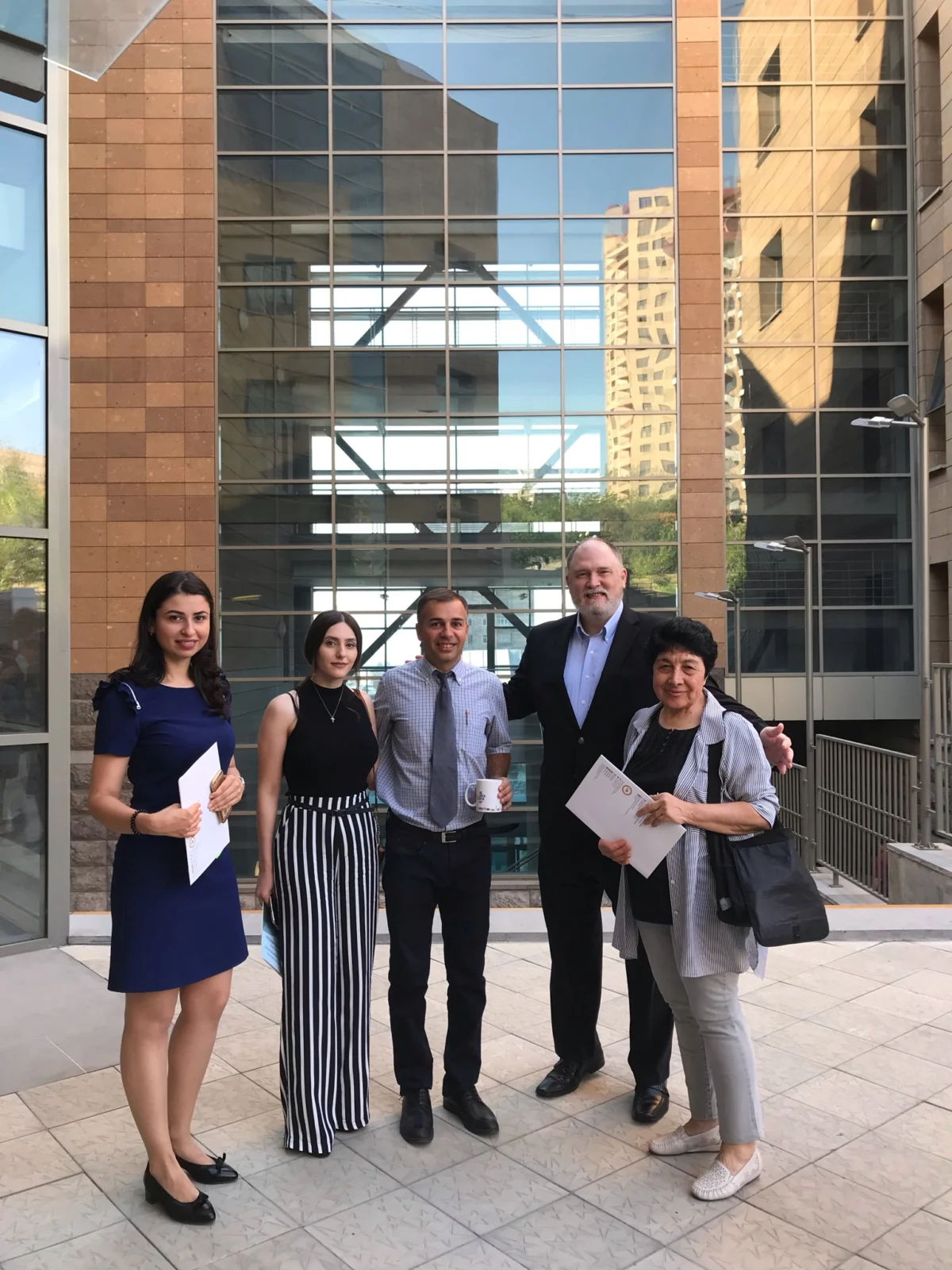
On August 30–31, the American University of Armenia (AUA) Acopian Center for the Environment convened the fourth annual AUA Ecotourism Conference, a landmark event that brought together international experts, policy makers, and environmental stewards. Held in partnership with the Tourism Committee of the Ministry of Economy of the Republic of Armenia (RA), the RA Ministry of Environment, WWF Armenia, and the Transboundary Joint Secretariat—funded by the German KfW development bank—the conference served as a critical platform for reimagining the intersection of protected area management and economic growth.

As the global travel industry shifts away from mass-tourism models toward more regenerative practices, this year’s conference focused on a singular, urgent question: How can protected areas serve as engines for sustainable national development while ensuring the long-term preservation of biodiversity?


The Economics of Preservation: Beyond Entrance Fees

A recurring theme throughout the two-day summit was the necessity of re-evaluating how nations quantify the success of their protected areas. Dr. Thiago Souza, a representative of the IUCN Commission on Protected Areas’ Tourism Specialists Group, challenged the prevailing "accounting-only" mindset held by many government officials.

Challenging the Financial Narrow-View

Dr. Souza noted that in most regions, protected area success is measured solely by the balance sheet of entrance fees versus maintenance budgets. "Politically, the value of investing in protected areas is often lost because we typically don’t make an adequate economic analysis," he explained.

To illustrate the disparity between simple financial tracking and comprehensive economic analysis, Dr. Souza pointed to Brazil. In many Brazilian protected areas, the operational budget is nine times higher than the revenue generated from entry fees, leading policymakers to view these spaces as financial drains. However, when the analysis includes broader economic indicators—such as visitor spending, local job creation, and the multiplier effects of tax revenue—the perspective shifts dramatically.

"In Brazil, we’ve been able to show that for every dollar budgeted and spent on protected areas, the national economy gains 15 dollars," Dr. Souza revealed. The returns on investment are, by any standard, staggering. Similarly, data from Europe suggests that every euro invested in the infrastructure of protected areas yields between 7 to 10 euros in GDP activity. These figures align with a 2015 study by Balmford et al., which estimated that the world’s protected areas receive 8 billion visits annually, generating approximately US $600 billion in direct in-country expenditures.


Global Trends: The Rise of the Conscious Traveler

Jon Bruno, executive director of The International Ecotourism Society (TIES), provided the audience with a broader context on the industry’s evolution. According to Mr. Bruno, the rapid rise of ecotourism is unprecedented in the modern economy.

A Fundamental Shift in Industry

"Over 90 nations now have an ecotourism or sustainable tourism initiative at a national or regional level," Mr. Bruno noted. "This has happened in the last 30 years; there is no other form of tourism or industry that has become so fundamental to the global economy so quickly."
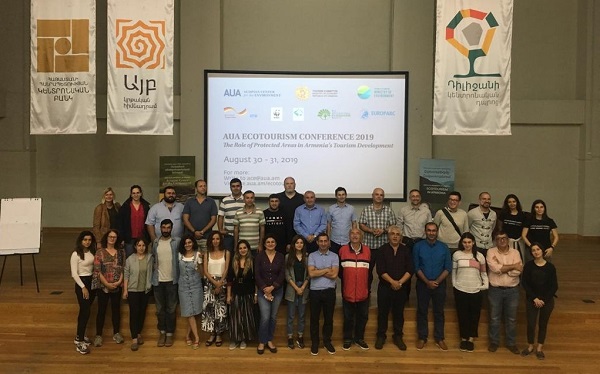
Fourth annual Armenia Ecotourism Conference: Key Stakeholders Gather to Discuss the Future of Ecotourism connected with Protected Areas - The International Ecotourism Society The fourth annual AUA Ecotourism Conference was held on August 30-31. The event was organized by the AUA Acopian Center for the Environment. in partnership with the Tourism Committee of the Ministry of Economy of the Republic of Armenia (RA), RA Ministry of Environment, WWF Armenia and Transboundary Joint Secretariat funded by the KfW German state-owned development bank and The International Ecotourism Society (TIES). Experts from The International Ecotourism Society, EUROPARC Federation, and the International Union for Conservation of Nature (IUCN) were among the key speakers. The invited participants included tour operators, policy makers, and protected area managers and experts. This year’s Conference focused on the role of protected areas in ecotourism and sustainable tourism development, which ensure protecting the environment and enabling nearby communities to benefit from growth in tourism. Protected Areas and the National/Regional Economy Dr. Thiago Souza, from the IUCN Commission on Protected Areas’ Tourism Specialists Group, talked about the global experience with investing in protected areas and the returns to the national and regional economies. “Politically, the value of investing in protected areas is often lost because we typically don’t make an adequate economic analysis,” points out Dr. Souza. He explains that in most places officials simply make an accounting or financial analysis. That is, they look at the budget of the protected area and the revenues generated from the entrance fees. “For most protected areas, the fees would be substantially smaller than the budgets of the protected areas,” he says. “In Brazil, for instance, budgets can be 9 times greater than fees collected.” But when an economic analysis is conducted, which considers more broadly the visitor spending and the tax and multiplier effects of this spending, a very different picture appears. “In Brazil, we’ve been able to show that for every dollar budgeted amount spent on protected areas, the national economy gains 15 dollars. The returns on investment are staggering,” says Dr. Souza. Europe shows smaller but still impressive numbers. Once adequate investments are made in the protected areas and the needed infrastructure, every euro spent on protected areas see 7 to 10 euros in GDP activity. A 2015 study shows that there are an estimated 8 billion visits per year to protected areas worldwide. This generates about US $600 billion per year in direct in-country expenditures. (Balmford et al, 2015). Growing Market of Ecotourism and Visiting Protected Areas Jon Bruno, the executive director of The International Ecotourism Society, offered a global perspective on the growth of the ecotourism sector. “Over 90 nations now have an ecotourism or sustainable tourism initiative nationally or at a regional level. This has happened in the last 30 years; there is no other form of tourism or industry that has become so fundamental to the global economy so quickly.” Mr. Bruno believes that this is a growing trend. And the travelers are developing greater sensitivity toward sustainable tourism. He says, “Travelers have greatly increased both their awareness of ecotourism and their willingness to increase payment to ensure a sustainable travel experience. Seventy percent of people under 30 say sustainable travel is a priority.” This is a market for which countries like Armenia have to be prepared as part of their efforts aimed at sustainable development. “Ecotourism and sustainable tourism can help local communities economically and create engagement for protecting their natural assets. Ecotourism provides the strongest community revenue and the best return on investment,” emphasizes Mr. Bruno. The fourth annual AUA Ecotourism Conference was held on August 30-31. The event was organized by the AUA Acopian Center for the Environment. in partnership with the Tourism Committee of the Ministry of Economy of the Republic of Armenia (RA), RA Ministry of Environment, WWF Armenia and Transboundary Joint Secretariat funded by the KfW German state-owned development bank and The International Ecotourism Society (TIES). Experts from The International Ecotourism Society, EUROPARC Federation, and the International Union for Conservation of Nature (IUCN) were among the key speakers. The invited participants included tour operators, policy makers, and protected area managers and experts. This year’s Conference focused on the role of protected areas in ecotourism and sustainable tourism development, which ensure protecting the environment and enabling nearby communities to benefit from growth in tourism. Protected Areas and the National/Regional Economy Dr. Thiago Souza, from the IUCN Commission on Protected Areas’ Tourism Specialists Group, talked about the global experience with investing in protected areas and the returns to the national and regional economies. “Politically, the value of investing in protected areas is often lost because we typically don’t make an adequate economic analysis,” points out Dr. Souza. He explains that in most places officials simply make an accounting or financial analysis. That is, they look at the budget of the protected area and the revenues generated from the entrance fees. “For most protected areas, the fees would be substantially smaller than the budgets of the protected areas,” he says. “In Brazil, for instance, budgets can be 9 times greater than fees collected.” But when an economic analysis is conducted, which considers more broadly the visitor spending and the tax and multiplier effects of this spending, a very different picture appears. “In Brazil, we’ve been able to show that for every dollar budgeted amount spent on protected areas, the national economy gains 15 dollars. The returns on investment are staggering,” says Dr. Souza. Europe shows smaller but still impressive numbers. Once adequate investments are made in the protected areas and the needed infrastructure, every euro spent on protected areas see 7 to 10 euros in GDP activity. A 2015 study shows that there are an estimated 8 billion visits per year to protected areas worldwide. This generates about US $600 billion per year in direct in-country expenditures. (Balmford et al, 2015). Growing Market of Ecotourism and Visiting Protected Areas Jon Bruno, the executive director of The International Ecotourism Society, offered a global perspective on the growth of the ecotourism sector. “Over 90 nations now have an ecotourism or sustainable tourism initiative nationally or at a regional level. This has happened in the last 30 years; there is no other form of tourism or industry that has become so fundamental to the global economy so quickly.” Mr. Bruno believes that this is a growing trend. And the travelers are developing greater sensitivity toward sustainable tourism. He says, “Travelers have greatly increased both their awareness of ecotourism and their willingness to increase payment to ensure a sustainable travel experience. Seventy percent of people under 30 say sustainable travel is a priority.” This is a market for which countries like Armenia have to be prepared as part of their efforts aimed at sustainable development. “Ecotourism and sustainable tourism can help local communities economically and create engagement for protecting their natural assets. Ecotourism provides the strongest community revenue and the best return on investment,” emphasizes Mr. Bruno. The fourth annual AUA Ecotourism Conference was held on August 30-31. The event was organized by the AUA Acopian Center for the Environment. in partnership with the Tourism Committee of the Ministry of Economy of the Republic of Armenia (RA), RA Ministry of Environment, WWF Armenia and Transboundary Joint Secretariat funded by the KfW German state-owned development bank and The International Ecotourism Society (TIES). Experts from The International Ecotourism Society, EUROPARC Federation, and the International Union for Conservation of Nature (IUCN) were among the key speakers. The invited participants included tour operators, policy makers, and protected area managers and experts. This year’s Conference focused on the role of protected areas in ecotourism and sustainable tourism development, which ensure protecting the environment and enabling nearby communities to benefit from growth in tourism. Protected Areas and the National/Regional Economy Dr. Thiago Souza, from the IUCN Commission on Protected Areas’ Tourism Specialists Group, talked about the global experience with investing in protected areas and the returns to the national and regional economies. “Politically, the value of investing in protected areas is often lost because we typically don’t make an adequate economic analysis,” points out Dr. Souza. He explains that in most places officials simply make an accounting or financial analysis. That is, they look at the budget of the protected area and the revenues generated from the entrance fees. “For most protected areas, the fees would be substantially smaller than the budgets of the protected areas,” he says. “In Brazil, for instance, budgets can be 9 times greater than fees collected.” But when an economic analysis is conducted, which considers more broadly the visitor spending and the tax and multiplier effects of this spending, a very different picture appears. “In Brazil, we’ve been able to show that for every dollar budgeted amount spent on protected areas, the national economy gains 15 dollars. The returns on investment are staggering,” says Dr. Souza. Europe shows smaller but still impressive numbers. Once adequate investments are made in the protected areas and the needed infrastructure, every euro spent on protected areas see 7 to 10 euros in GDP activity. A 2015 study shows that there are an estimated 8 billion visits per year to protected areas worldwide. This generates about US $600 billion per year in direct in-country expenditures. (Balmford et al, 2015). Growing Market of Ecotourism and Visiting Protected Areas Jon Bruno, the executive director of The International Ecotourism Society, offered a global perspective on the growth of the ecotourism sector. “Over 90 nations now have an ecotourism or sustainable tourism initiative nationally or at a regional level. This has happened in the last 30 years; there is no other form of tourism or industry that has become so fundamental to the global economy so quickly.” Mr. Bruno believes that this is a growing trend. And the travelers are developing greater sensitivity toward sustainable tourism. He says, “Travelers have greatly increased both their awareness of ecotourism and their willingness to increase payment to ensure a sustainable travel experience. Seventy percent of people under 30 say sustainable travel is a priority.” This is a market for which countries like Armenia have to be prepared as part of their efforts aimed at sustainable development. “Ecotourism and sustainable tourism can help local communities economically and create engagement for protecting their natural assets. Ecotourism provides the strongest community revenue and the best return on investment,” emphasizes Mr. Bruno.

The growth is driven by a demographic shift in the traveling public. Modern tourists are increasingly prioritizing sustainability, not just as a preference but as a non-negotiable requirement. Mr. Bruno highlighted that 70% of travelers under the age of 30 now cite sustainable travel as a top priority. For a country like Armenia, which possesses significant natural assets, this represents a unique window of opportunity. By aligning with these global standards, Armenia can position itself as a premier destination for high-value, low-impact tourism that benefits rural communities.


The EUROPARC Blueprint: Networking for Resilience

While economic data provides the "why," the EUROPARC Federation provided the "how." Carol Richie, executive director of the Federation, alongside council member Paulo Castro, outlined the importance of international cooperation in managing natural heritage.

Safeguarding Heritage Through Policy

The EUROPARC Federation connects over 380 members across 37 countries, facilitating an exchange of best practices that transcends borders. Armenia’s potential membership in this network could unlock vital resources for its protected areas.

Ms. Richie issued a stark warning regarding the dangers of unchecked tourism: "Poorly managed tourism allows societal tensions to persist, weakens local communities’ connection to their heritage, landscape, and environment, erodes cultures and values, and does irreparable damage to nature and wildlife."

To mitigate these risks, the Federation champions the European Charter for Sustainable Tourism in Protected Areas. This framework is not a quick fix; it is a multi-stakeholder commitment to long-term governance. Mr. Castro emphasized that the charter requires a permanent forum for local participation. "You have to be patient and committed," he advised. "The protected area management must demonstrate coordination between environmental agencies and tourism businesses, ensuring that the products promoted are rooted in local resources rather than imported, mass-market concepts."


Chronology and Scope: A Deep Dive into the Conference

The event was structured to move from high-level theoretical frameworks to practical, on-the-ground applications.

Day 1: Theoretical Frameworks

The first day was dedicated to keynote presentations from experts representing the IUCN, TIES, and EUROPARC. Discussions focused on the strategic importance of "investing in nature" as a tool for poverty alleviation in rural regions and the role of international standards in preventing "greenwashing."

Day 2: Practical Application and Site Visits

The second day shifted focus to the Armenian context. Six panel discussions brought together government officials, independent researchers, and NGOs to identify the specific gaps in Armenia’s current ecotourism infrastructure.
Fourth annual Armenia Ecotourism Conference: Key Stakeholders Gather to Discuss the Future of Ecotourism connected with Protected Areas - The International Ecotourism Society The fourth annual AUA Ecotourism Conference was held on August 30-31. The event was organized by the AUA Acopian Center for the Environment. in partnership with the Tourism Committee of the Ministry of Economy of the Republic of Armenia (RA), RA Ministry of Environment, WWF Armenia and Transboundary Joint Secretariat funded by the KfW German state-owned development bank and The International Ecotourism Society (TIES). Experts from The International Ecotourism Society, EUROPARC Federation, and the International Union for Conservation of Nature (IUCN) were among the key speakers. The invited participants included tour operators, policy makers, and protected area managers and experts. This year’s Conference focused on the role of protected areas in ecotourism and sustainable tourism development, which ensure protecting the environment and enabling nearby communities to benefit from growth in tourism. Protected Areas and the National/Regional Economy Dr. Thiago Souza, from the IUCN Commission on Protected Areas’ Tourism Specialists Group, talked about the global experience with investing in protected areas and the returns to the national and regional economies. “Politically, the value of investing in protected areas is often lost because we typically don’t make an adequate economic analysis,” points out Dr. Souza. He explains that in most places officials simply make an accounting or financial analysis. That is, they look at the budget of the protected area and the revenues generated from the entrance fees. “For most protected areas, the fees would be substantially smaller than the budgets of the protected areas,” he says. “In Brazil, for instance, budgets can be 9 times greater than fees collected.” But when an economic analysis is conducted, which considers more broadly the visitor spending and the tax and multiplier effects of this spending, a very different picture appears. “In Brazil, we’ve been able to show that for every dollar budgeted amount spent on protected areas, the national economy gains 15 dollars. The returns on investment are staggering,” says Dr. Souza. Europe shows smaller but still impressive numbers. Once adequate investments are made in the protected areas and the needed infrastructure, every euro spent on protected areas see 7 to 10 euros in GDP activity. A 2015 study shows that there are an estimated 8 billion visits per year to protected areas worldwide. This generates about US $600 billion per year in direct in-country expenditures. (Balmford et al, 2015). Growing Market of Ecotourism and Visiting Protected Areas Jon Bruno, the executive director of The International Ecotourism Society, offered a global perspective on the growth of the ecotourism sector. “Over 90 nations now have an ecotourism or sustainable tourism initiative nationally or at a regional level. This has happened in the last 30 years; there is no other form of tourism or industry that has become so fundamental to the global economy so quickly.” Mr. Bruno believes that this is a growing trend. And the travelers are developing greater sensitivity toward sustainable tourism. He says, “Travelers have greatly increased both their awareness of ecotourism and their willingness to increase payment to ensure a sustainable travel experience. Seventy percent of people under 30 say sustainable travel is a priority.” This is a market for which countries like Armenia have to be prepared as part of their efforts aimed at sustainable development. “Ecotourism and sustainable tourism can help local communities economically and create engagement for protecting their natural assets. Ecotourism provides the strongest community revenue and the best return on investment,” emphasizes Mr. Bruno. The fourth annual AUA Ecotourism Conference was held on August 30-31. The event was organized by the AUA Acopian Center for the Environment. in partnership with the Tourism Committee of the Ministry of Economy of the Republic of Armenia (RA), RA Ministry of Environment, WWF Armenia and Transboundary Joint Secretariat funded by the KfW German state-owned development bank and The International Ecotourism Society (TIES). Experts from The International Ecotourism Society, EUROPARC Federation, and the International Union for Conservation of Nature (IUCN) were among the key speakers. The invited participants included tour operators, policy makers, and protected area managers and experts. This year’s Conference focused on the role of protected areas in ecotourism and sustainable tourism development, which ensure protecting the environment and enabling nearby communities to benefit from growth in tourism. Protected Areas and the National/Regional Economy Dr. Thiago Souza, from the IUCN Commission on Protected Areas’ Tourism Specialists Group, talked about the global experience with investing in protected areas and the returns to the national and regional economies. “Politically, the value of investing in protected areas is often lost because we typically don’t make an adequate economic analysis,” points out Dr. Souza. He explains that in most places officials simply make an accounting or financial analysis. That is, they look at the budget of the protected area and the revenues generated from the entrance fees. “For most protected areas, the fees would be substantially smaller than the budgets of the protected areas,” he says. “In Brazil, for instance, budgets can be 9 times greater than fees collected.” But when an economic analysis is conducted, which considers more broadly the visitor spending and the tax and multiplier effects of this spending, a very different picture appears. “In Brazil, we’ve been able to show that for every dollar budgeted amount spent on protected areas, the national economy gains 15 dollars. The returns on investment are staggering,” says Dr. Souza. Europe shows smaller but still impressive numbers. Once adequate investments are made in the protected areas and the needed infrastructure, every euro spent on protected areas see 7 to 10 euros in GDP activity. A 2015 study shows that there are an estimated 8 billion visits per year to protected areas worldwide. This generates about US $600 billion per year in direct in-country expenditures. (Balmford et al, 2015). Growing Market of Ecotourism and Visiting Protected Areas Jon Bruno, the executive director of The International Ecotourism Society, offered a global perspective on the growth of the ecotourism sector. “Over 90 nations now have an ecotourism or sustainable tourism initiative nationally or at a regional level. This has happened in the last 30 years; there is no other form of tourism or industry that has become so fundamental to the global economy so quickly.” Mr. Bruno believes that this is a growing trend. And the travelers are developing greater sensitivity toward sustainable tourism. He says, “Travelers have greatly increased both their awareness of ecotourism and their willingness to increase payment to ensure a sustainable travel experience. Seventy percent of people under 30 say sustainable travel is a priority.” This is a market for which countries like Armenia have to be prepared as part of their efforts aimed at sustainable development. “Ecotourism and sustainable tourism can help local communities economically and create engagement for protecting their natural assets. Ecotourism provides the strongest community revenue and the best return on investment,” emphasizes Mr. Bruno. The fourth annual AUA Ecotourism Conference was held on August 30-31. The event was organized by the AUA Acopian Center for the Environment. in partnership with the Tourism Committee of the Ministry of Economy of the Republic of Armenia (RA), RA Ministry of Environment, WWF Armenia and Transboundary Joint Secretariat funded by the KfW German state-owned development bank and The International Ecotourism Society (TIES). Experts from The International Ecotourism Society, EUROPARC Federation, and the International Union for Conservation of Nature (IUCN) were among the key speakers. The invited participants included tour operators, policy makers, and protected area managers and experts. This year’s Conference focused on the role of protected areas in ecotourism and sustainable tourism development, which ensure protecting the environment and enabling nearby communities to benefit from growth in tourism. Protected Areas and the National/Regional Economy Dr. Thiago Souza, from the IUCN Commission on Protected Areas’ Tourism Specialists Group, talked about the global experience with investing in protected areas and the returns to the national and regional economies. “Politically, the value of investing in protected areas is often lost because we typically don’t make an adequate economic analysis,” points out Dr. Souza. He explains that in most places officials simply make an accounting or financial analysis. That is, they look at the budget of the protected area and the revenues generated from the entrance fees. “For most protected areas, the fees would be substantially smaller than the budgets of the protected areas,” he says. “In Brazil, for instance, budgets can be 9 times greater than fees collected.” But when an economic analysis is conducted, which considers more broadly the visitor spending and the tax and multiplier effects of this spending, a very different picture appears. “In Brazil, we’ve been able to show that for every dollar budgeted amount spent on protected areas, the national economy gains 15 dollars. The returns on investment are staggering,” says Dr. Souza. Europe shows smaller but still impressive numbers. Once adequate investments are made in the protected areas and the needed infrastructure, every euro spent on protected areas see 7 to 10 euros in GDP activity. A 2015 study shows that there are an estimated 8 billion visits per year to protected areas worldwide. This generates about US $600 billion per year in direct in-country expenditures. (Balmford et al, 2015). Growing Market of Ecotourism and Visiting Protected Areas Jon Bruno, the executive director of The International Ecotourism Society, offered a global perspective on the growth of the ecotourism sector. “Over 90 nations now have an ecotourism or sustainable tourism initiative nationally or at a regional level. This has happened in the last 30 years; there is no other form of tourism or industry that has become so fundamental to the global economy so quickly.” Mr. Bruno believes that this is a growing trend. And the travelers are developing greater sensitivity toward sustainable tourism. He says, “Travelers have greatly increased both their awareness of ecotourism and their willingness to increase payment to ensure a sustainable travel experience. Seventy percent of people under 30 say sustainable travel is a priority.” This is a market for which countries like Armenia have to be prepared as part of their efforts aimed at sustainable development. “Ecotourism and sustainable tourism can help local communities economically and create engagement for protecting their natural assets. Ecotourism provides the strongest community revenue and the best return on investment,” emphasizes Mr. Bruno.

To bridge the gap between policy and practice, participants visited several key sites:

  • The Dilijan Tourism Information Center: Evaluating the effectiveness of visitor-facing infrastructure.
  • The Dilijan National Park Tourism Visitor Center: Analyzing the integration of educational outreach and tourism.
  • The Caucasian Red Deer Reintroduction Center: Assessing how conservation efforts can serve as a draw for niche tourism markets.

Official Responses and Future Implications

The Ministry of Environment of the Republic of Armenia expressed high satisfaction with the conference outcomes. Officials highlighted that the event provided the necessary momentum to draft a comprehensive growth strategy for ecotourism.

Implications for Armenia

The implications of the conference are twofold. First, there is an immediate need to professionalize the management of protected areas by adopting international standards, such as the European Charter. Second, there is a requirement for better inter-agency coordination, ensuring that the Ministry of Economy and the Ministry of Environment work in lockstep to support local entrepreneurs.

By fostering partnerships between local villagers, tourism operators, and park authorities, Armenia can ensure that the revenue generated from ecotourism remains in the regions where the natural assets are located. This "community-first" approach is essential for preventing the leakage of economic benefits and ensuring that the protection of the environment is seen as a source of local pride and prosperity rather than a restriction on development.


Conclusion: A Path Forward

The 4th Annual AUA Ecotourism Conference succeeded in shifting the conversation from a narrow focus on "conservation versus development" to a nuanced dialogue about "sustainable growth through stewardship."

As global demand for authentic, nature-based experiences continues to climb, the lessons shared by TIES and EUROPARC will be instrumental for nations like Armenia. The path forward requires a rigorous commitment to economic analysis, the establishment of permanent multi-stakeholder forums, and an unwavering dedication to preserving the natural heritage that makes ecotourism possible.

The Acopian Center for the Environment, in its role as a facilitator, has provided the blueprint. It is now up to policymakers and stakeholders to transform these insights into a tangible strategy that benefits both the Armenian landscape and its people.


*For organizations interested in collaborating on future sustainable tourism initiatives, The International Ecotourism Society invites inquiries at ev@****sm.org.*