Executive Summary: A New Horizon for Renewable Energy
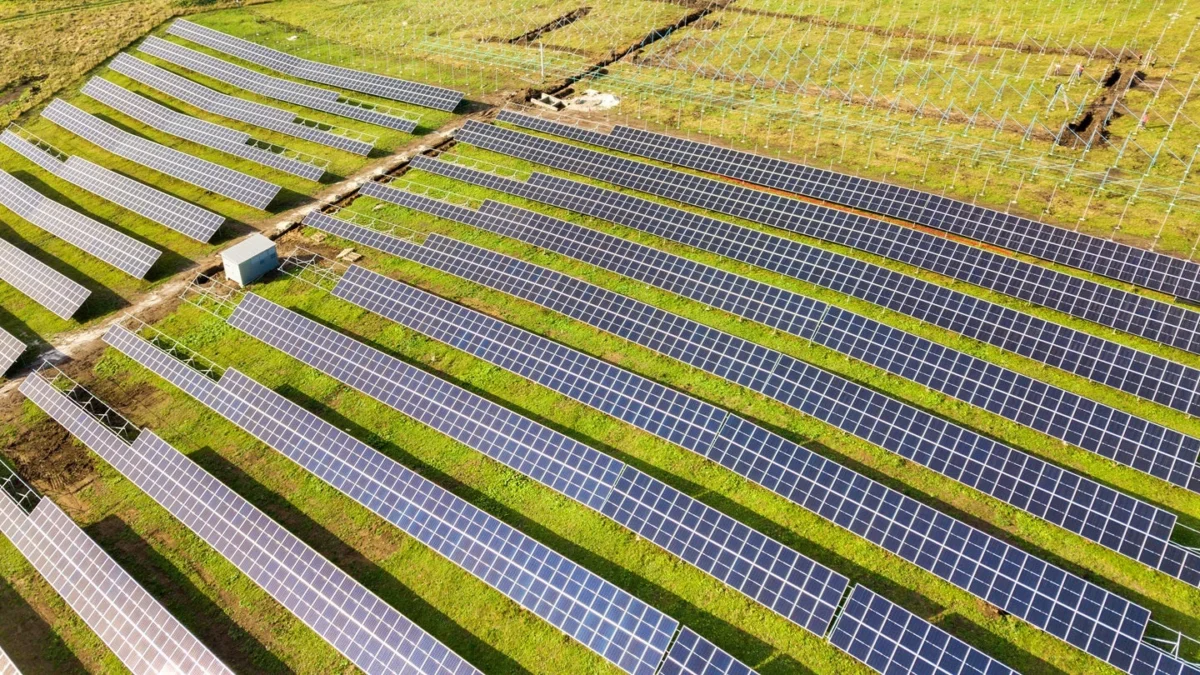
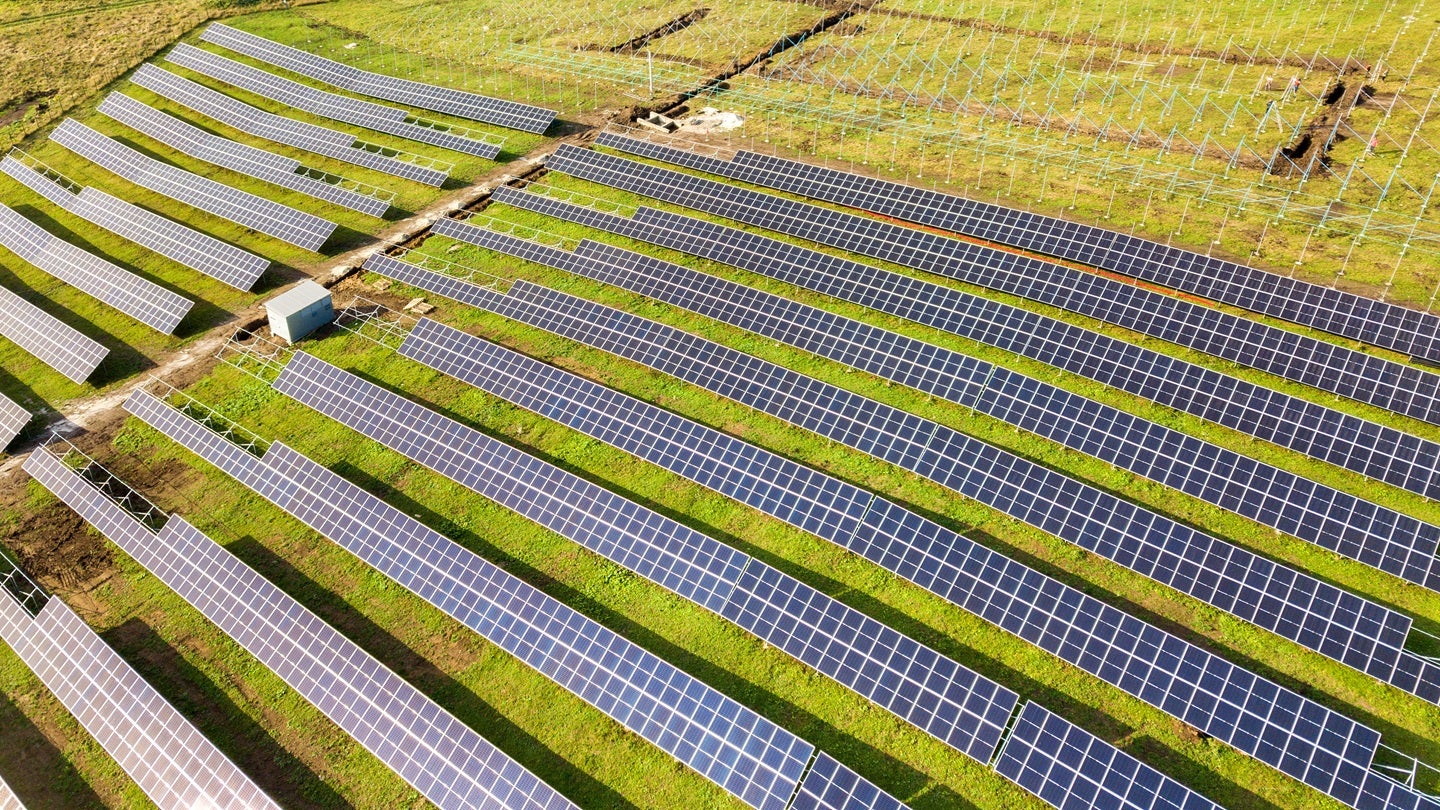
In a move that underscores the accelerating shift toward corporate-led renewable energy procurement, global energy giant RWE and technology titan Google have finalized a long-term power purchase agreement (PPA). The deal centers on the Crooked Creek Solar project, a 155-megawatt (MW) facility to be located in McCurtain County, Oklahoma. This partnership not only marks RWE’s inaugural foray into solar development within the state but also serves as a strategic blueprint for how private-sector investment can catalyze regional economic growth while advancing the decarbonization of the American power grid.
The 15-year agreement mandates that the entirety of the project’s capacity be dedicated to Google’s operations within the Southwest Power Pool (SPP) market. As the tech industry’s demand for carbon-free energy intensifies to support the burgeoning requirements of artificial intelligence and cloud computing, projects like Crooked Creek represent a vital bridge between high-tech energy needs and local economic development.
The Crooked Creek Project: Main Facts and Technical Scope
The Crooked Creek Solar project is more than just a power generation site; it is a significant infrastructure investment designed to integrate seamlessly into Oklahoma’s existing energy ecosystem.
- Capacity: 155MW of solar generation.
- Location: McCurtain County, Oklahoma.
- Contract Duration: 15-year PPA with Google.
- Operational Timeline: Construction is slated to begin later this year, with a targeted commercial operations date of 2028.
- Market Integration: The power generated will support Google’s operational footprint within the Southwest Power Pool, a critical regional transmission organization (RTO) that manages the flow of electricity across the central United States.
For RWE, this project is a linchpin in its broader North American growth strategy. While the company has historically maintained a strong presence in the wind sector—notably through its Boiling Springs wind project—Crooked Creek signifies a deliberate pivot toward diversifying its renewable portfolio in Oklahoma, a state historically dominated by fossil fuels and wind energy.
Chronology of Development
The path to this agreement reflects a multi-year effort to identify optimal sites for utility-scale solar deployment.
- Site Identification and Feasibility: RWE conducted extensive grid studies and environmental assessments in McCurtain County, identifying the area’s solar irradiance levels and proximity to transmission infrastructure as ideal for a 155MW installation.
- Negotiation Phase: Over the past 24 months, RWE and Google entered into advanced discussions to align the project’s output with Google’s aggressive "24/7 carbon-free energy" procurement goals.
- Finalization (2026): The PPA was officially signed, providing the financial certainty required for RWE to reach the Final Investment Decision (FID).
- Upcoming Construction (Late 2026): Site preparation and civil works are scheduled to commence in the coming months.
- Targeted Commercial Operation (2028): Following a roughly 18-to-24-month construction and testing window, the facility is expected to supply clean energy to the grid.
Economic Impact and Community Integration
Perhaps the most compelling aspect of the Crooked Creek project is its localized economic footprint. Renewable energy projects in rural America are increasingly viewed as engines for community revitalization, and this project is no exception.
The Construction Phase
During the construction period, the project is forecast to generate approximately $24.3 million in local economic activity. This injection of capital will stem from the utilization of local contractors, hospitality services for the workforce, and the procurement of materials. The project is expected to create up to 250 jobs at the peak of construction, providing a short-term but significant boost to the labor market in McCurtain County. Furthermore, the project will contribute $1.4 million in state and local tax revenue throughout the building phase.
Long-Term Revenue Streams
Once operational, the financial benefits to the county become structural. The project is projected to generate roughly $25 million in revenue for McCurtain County over its operational lifespan. These funds are earmarked to support:
- Public Education: Funding for local school districts, ensuring that the tax base of the county is not solely reliant on traditional industries.
- Emergency Services: Direct financial support for fire, police, and medical response infrastructure.
- Technology Education: Investments in regional technology education centers, which align with the long-term vision of training the local workforce for the modern energy economy.
Official Perspectives: Aligning Corporate and Environmental Goals
RWE’s Strategic Vision
Ingmar Ritzenhofen, Chief Commercial Officer of RWE Americas, highlighted the symbiotic nature of the agreement. "This agreement with Google marks an important milestone for RWE Americas and reflects the growing demand for affordable, reliable, domestically produced energy," Ritzenhofen noted.
He further emphasized the broader implications of the deal, stating, "Crooked Creek Solar demonstrates how strategic partnerships can accelerate new energy development while creating jobs, generating local tax revenue, and strengthening communities." By bridging the gap between renewable energy supply and corporate sustainability requirements, RWE is positioning itself as a utility-scale partner for the tech giants of the world.
Google’s Commitment to 24/7 Clean Energy
Will Conkling, Director of Energy and Power at Google, framed the deal as a vital addition to the regional power supply. "Our agreement with RWE adds critical new generation to the local system, boosting the amount of affordable and reliable power supply for Oklahoma and the region," said Conkling.
For Google, this is not merely a carbon-offsetting exercise; it is an infrastructure-led approach to energy security. By investing in new, large-scale generation capacity, Google helps stabilize the grid in the Southwest Power Pool, ensuring that the company’s data centers and operations are powered by increasingly clean energy.
Broader Implications: RWE’s North American Expansion
The Crooked Creek project does not exist in a vacuum. It is part of a larger, aggressive development pipeline for RWE in Oklahoma and beyond.
A Growing Portfolio
In addition to the Crooked Creek initiative, RWE manages the Boiling Springs wind project, which has already established the company’s credibility in the region. Currently, RWE has six additional energy projects in various stages of development across Oklahoma, totaling 1.6 gigawatts (GW) of potential capacity. This massive scale demonstrates RWE’s commitment to transforming Oklahoma into a renewable energy hub.
Global Strategy
This move is consistent with RWE’s global strategy of scaling up renewable assets to meet international climate goals. Just last month, the company achieved a major milestone in Europe with its Nordseecluster A offshore wind farm, which successfully delivered its first electricity to the German grid. Whether in the North Sea or the plains of Oklahoma, RWE is focusing on high-capacity projects that offer tangible, measurable outcomes for the grids they serve.
Challenges and Future Outlook
Despite the optimism surrounding the Crooked Creek project, the renewable energy sector faces ongoing hurdles. Supply chain volatility, the complexities of grid interconnection, and the fluctuating costs of raw materials for solar panels remain points of concern for developers.
However, by securing a 15-year PPA with a creditworthy counterparty like Google, RWE has successfully mitigated the primary financial risk of the project. This "bankability" allows for the mobilization of capital and resources even in an uncertain macroeconomic climate.
Furthermore, as the Southwest Power Pool continues to evolve to accommodate more intermittent renewable resources, projects like Crooked Creek—which are planned with grid stability in mind—will be essential. The integration of such projects ensures that the regional energy mix becomes more resilient against the volatility of fossil fuel pricing.
Conclusion: A Model for Sustainable Development
The partnership between RWE and Google regarding the Crooked Creek Solar project represents a convergence of interests. It brings together the technical expertise and development scale of a global energy leader with the ambitious sustainability and energy needs of one of the world’s most prominent technology firms.
For the residents of McCurtain County, the project promises more than just clean energy; it promises a legacy of infrastructure investment, job creation, and a stronger tax base to support essential public services. As the energy transition continues to unfold, the Crooked Creek Solar project stands as a testament to the fact that when corporate environmental goals align with local economic needs, the result is a cleaner, more prosperous future for all stakeholders involved.
As the construction crews prepare to break ground later this year, the industry will be watching closely, seeing in this Oklahoma field a blueprint for how to power the digital age with the natural resources of the earth.