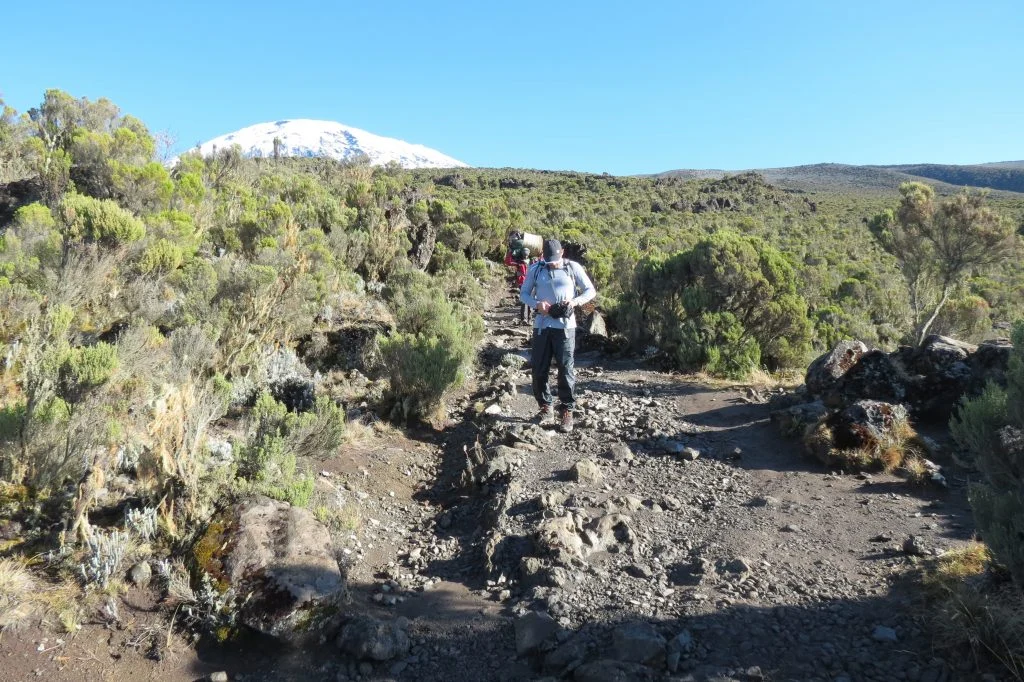
The city of Tokat, a historic crossroads nestled between the rolling landscapes of the Black Sea and the rugged heart of the Anatolian plateau, is set to take center stage on the international stage. From July 27 to 31, 2021, the city will host the 16th Ecotourism and Sustainable Tourism Conference (ESTC), organized by The International Ecotourism Society (TIES). This event marks a significant milestone for a city that has served as a melting pot for 14 distinct civilizations over the last 1,500 years, positioning itself as a modern-day leader in sustainable development.
A Legacy of Civilizations: The Historical Context
To understand the significance of Tokat, one must look at its geological and historical tapestry. Dating back to the 5th century, the region has long been favored for its unique microclimate, which serves as a transitional zone between the humid, lush northern coasts and the continental, arid interior of Turkey. This climatic versatility has made it an agricultural haven and a strategic point of settlement throughout history.
Archaeological evidence suggests that the city’s location at the intersection of trade routes allowed it to thrive as a hub for commerce and culture. Today, the city is dominated by the imposing silhouette of Tokat Castle, a fortification that has watched over the valley for centuries. It remains a focal point for visitors, standing as a silent witness to the various empires—from the Romans to the Seljuks and Ottomans—that have left their mark on the local architecture and social fabric.
Visionary Leadership: An Interview with Mayor Eyüp Eroğlu
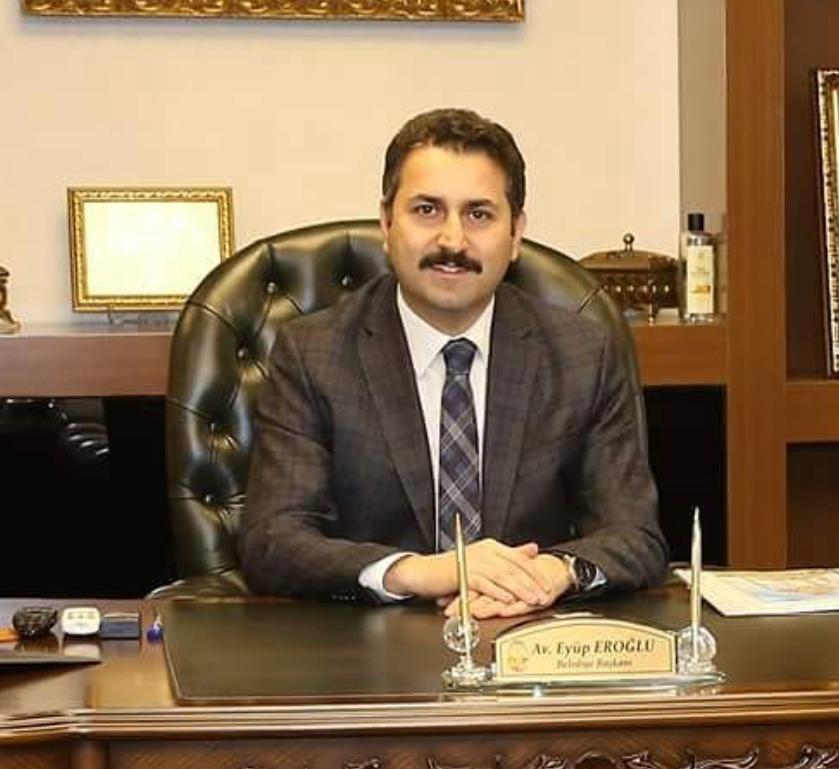
At the helm of this transition is Mayor Eyüp Eroğlu, one of Turkey’s youngest and most proactive municipal leaders. Known for his commitment to balancing modernization with heritage preservation, Mayor Eroğlu sees the ESTC as a vital component of his administration’s long-term strategy for Tokat.
In a recent conversation, Mayor Eroğlu emphasized that the choice of Tokat for this year’s conference was not coincidental. "Our city represents a perfect marriage between ancient tradition and modern ecological responsibility," the Mayor noted. "Along with Tokat’s friendly local people and their welcoming outlook, the Municipality is making every effort to ensure our city is represented in the international arena. We are committed to achieving this growth in a truly sustainable way."
The Mayor’s strategy is clear: by integrating the city’s rich agricultural heritage with eco-conscious tourism, Tokat intends to set a benchmark for other inland cities in Turkey and beyond.
The Geography of Abundance: Biodiversity and Gastronomy
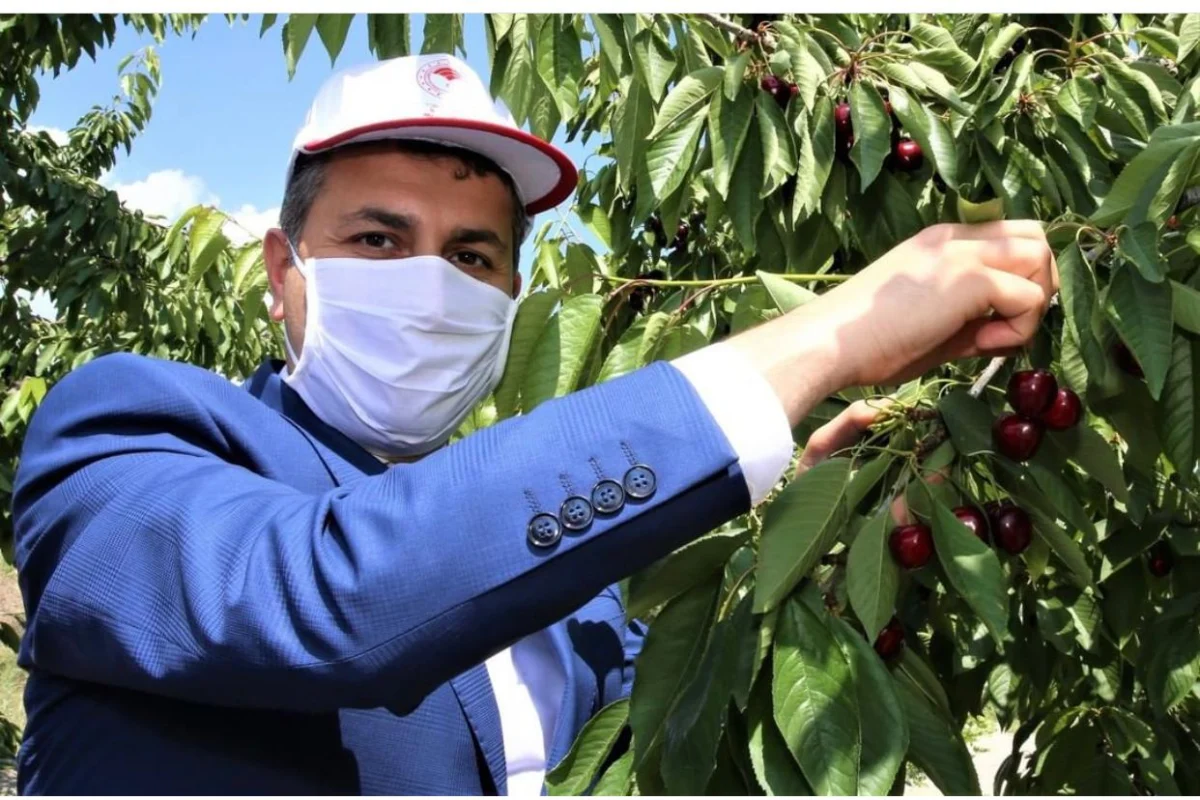
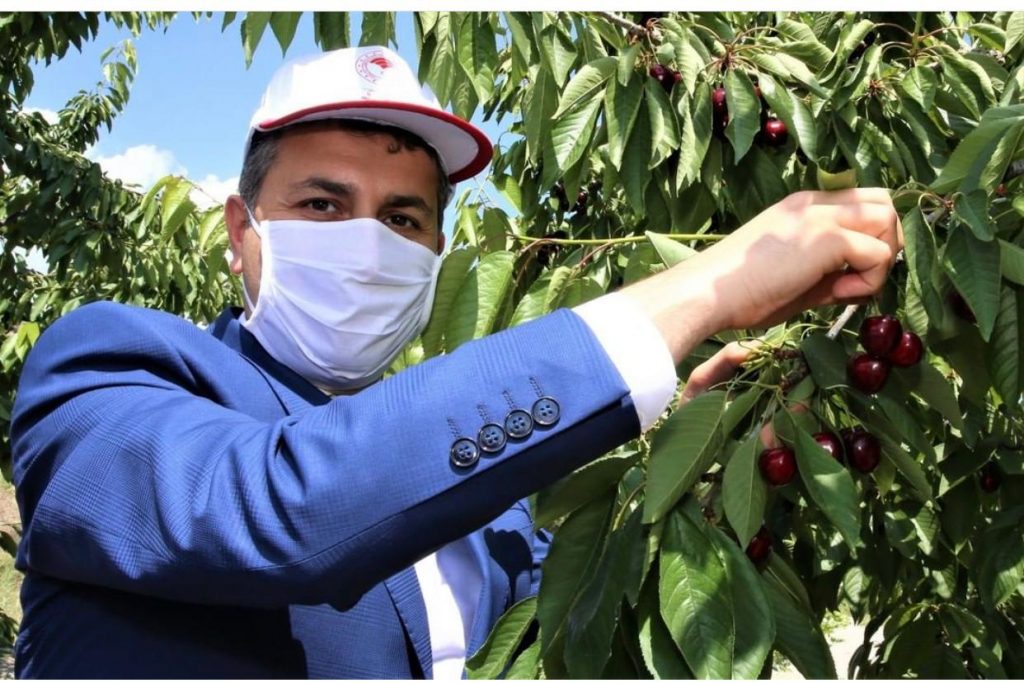
One of the core themes of the upcoming conference is the relationship between land use and tourism. Tokat is widely celebrated for its biodiversity, which has fostered a robust agricultural economy. The region boasts an impressive 82 varieties of cereals, vegetables, and fruits. This agricultural wealth is not merely a statistical curiosity; it is the foundation of the local identity.
The local culinary scene serves as a primary draw for sustainable travelers. The world-famous "Tokat Kebab"—a dish that requires precise, traditional methods of preparation—is just the beginning. The city is also known for its high-quality grape leaves, molasses, walnuts, and fenugreek. These products, grown under the shadow of the historic castle, offer a "farm-to-table" experience that is inherently sustainable, minimizing the carbon footprint associated with food transport while supporting local farmers.
Chronology of Development: A Path to the ESTC
The path to hosting the 16th ESTC has been a methodical journey for the city of Tokat.
- 2019-2020: The Tokat Municipality began an aggressive campaign to upgrade municipal infrastructure with a focus on "Green City" initiatives, including improved waste management and the promotion of heritage tourism.
- Early 2021: TIES identified Tokat as a prime candidate for the 16th conference due to its combination of intact historical sites and untapped potential for ecotourism.
- February 2021: The official announcement of the conference was released, featuring collaborations between the municipal government and global tourism experts.
- July 2021 (The Conference): A five-day program scheduled to bring together global leaders, environmentalists, and travel industry stakeholders to discuss the future of the industry.
Supporting Data: Why Tokat?
The selection criteria for an ESTC host city are rigorous. TIES evaluates candidates based on environmental conservation, community involvement, and infrastructure capability.
Tokat excels in these areas for several reasons:
- Cultural Sustainability: The city’s ability to maintain its 5th-century historical sites while adapting them for public access demonstrates a model for preservation-based tourism.
- Economic Resilience: The diversity of the local agricultural sector provides a buffer against the volatility of the global economy, making the city a stable partner for long-term tourism ventures.
- Accessibility and Transit: Recent infrastructure improvements have made the historically significant, elevated geography of the region accessible to a global audience without compromising the landscape.
Official Responses and Safety Protocols
In the wake of the global health challenges that have affected the travel industry, safety remains a paramount concern for all attendees. When asked about the measures in place for the July event, Mayor Eroğlu expressed his confidence in the collaborative effort between local health authorities and international safety standards.
"I am deeply impressed with the care TIES has taken to ensure the safety of ecotravelers and the community of Tokat," the Mayor stated. "We have developed a comprehensive protocol that ensures our guests can experience the wonders of our city without compromising their health or the health of our residents."
The city is preparing to implement enhanced sanitary measures at all conference venues, hotels, and tourist attractions, ensuring that the focus remains on the intellectual and cultural exchange of the conference.
Implications for the Future of Ecotourism
The hosting of the 16th ESTC in Tokat is expected to have far-reaching implications for the region. By shifting the focus of tourism away from mass-market, high-impact travel toward more sustainable, culturally immersive experiences, Tokat is positioning itself as a pioneer in the Anatolian tourism sector.
The conference is expected to attract delegates from across the globe, providing a platform for Tokat to demonstrate how smaller, historically rich cities can thrive on the international stage. The success of this event could catalyze further investment in sustainable infrastructure and encourage other cities in the region to adopt similar models of development.
A Call to Action for Delegates
The International Ecotourism Society (TIES) continues to invite delegates to register for the upcoming conference. For those interested in the intersection of cultural heritage, agricultural biodiversity, and sustainable development, the event promises to be a transformative experience.
As Mayor Eroğlu noted, "Tokat Municipality welcomes the International Ecotourism Society and its valuable guests to our city. We look forward to showing the world our cultural legacy and our unique Anatolian heritage. We are certain that travelers will depart with unforgettable memories and a new perspective on how history and the future can coexist."
For those ready to witness this historic meeting of minds in the heart of Turkey, registration is currently open. By participating in this conference, delegates are not only attending an event; they are supporting a movement toward a more sustainable and equitable future for global tourism.
Interested delegates should register here to secure their place at the 16th ESTC.
Summary of Key Takeaways
- Event: 16th Ecotourism and Sustainable Tourism Conference (ESTC).
- Location: Tokat, Turkey.
- Dates: July 27–31, 2021.
- Core Themes: Sustainable development, agricultural preservation, cultural heritage, and safe, eco-conscious travel.
- Vision: To establish Tokat as a global model for sustainable, community-based tourism that respects both historical integrity and environmental health.