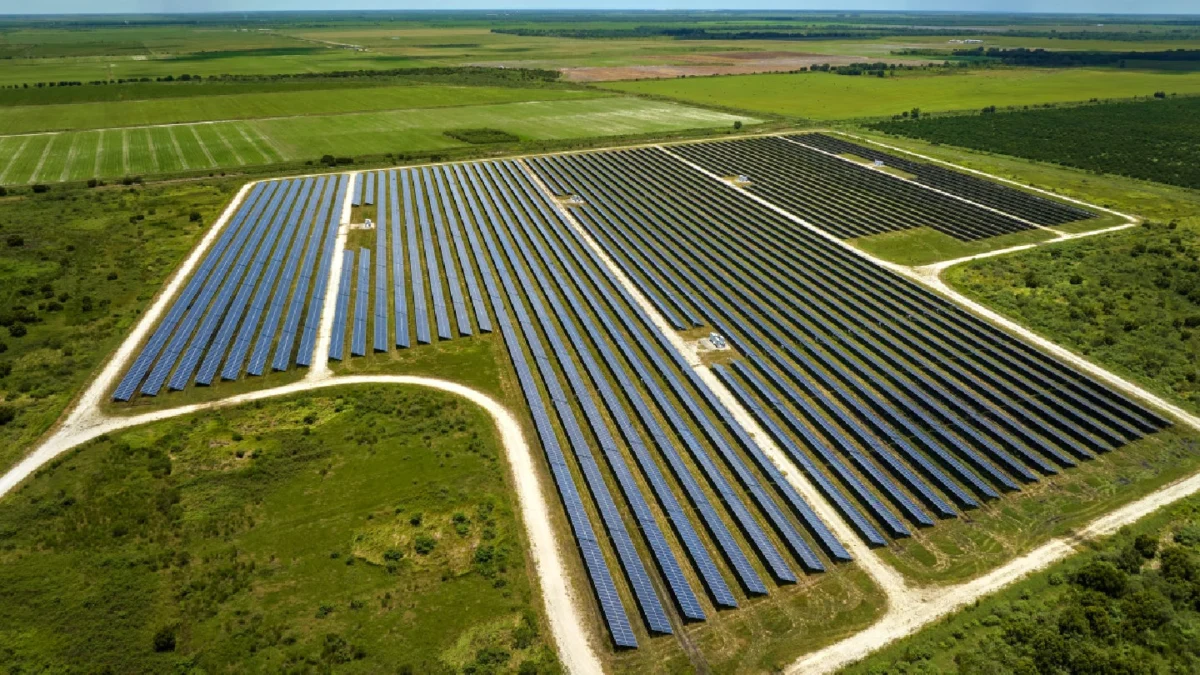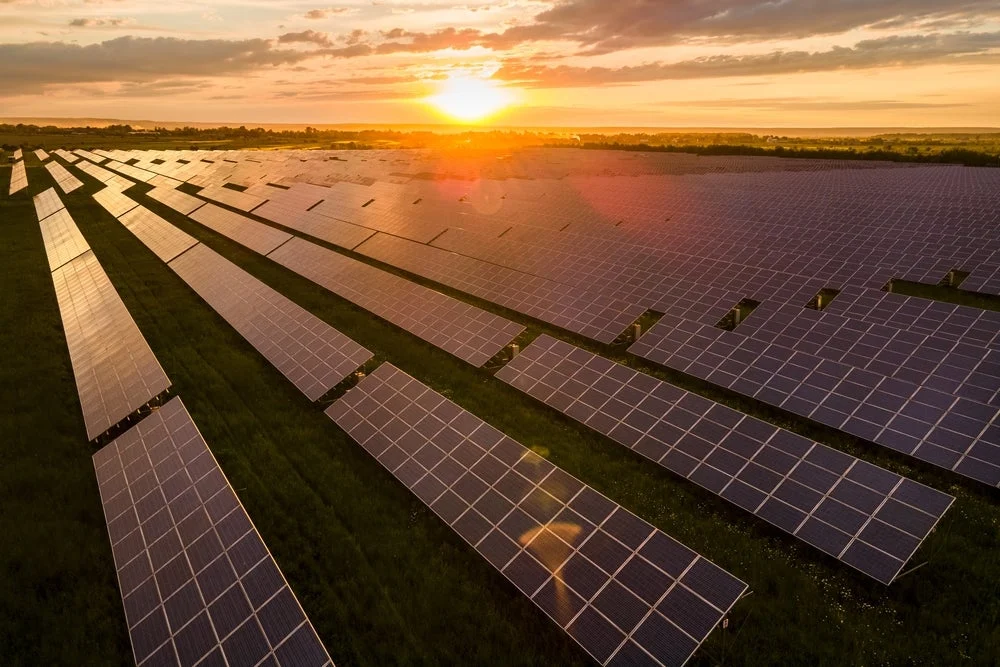
In a landmark development for the renewable energy landscape of the Middle East, global photovoltaic (PV) leader Trinasolar has officially entered into a memorandum of understanding (MoU) with the Al-Raebi for Trading and Solar Energy Systems Company. This strategic partnership aims to catalyze the development of a massive 1.5GW solar pipeline in Yemen between 2026 and 2029, signaling a significant shift toward large-scale sustainable infrastructure in a region historically plagued by energy instability.
By marrying Trinasolar’s cutting-edge TOPCon 3.0 module technology with Al-Raebi’s deep-rooted expertise in the Yemeni market, the collaboration seeks to address the country’s chronic electricity shortages while setting a blueprint for clean energy transition across the broader Middle Eastern corridor.
Main Facts: A Blueprint for Regional Energy Security
The partnership is built on the shared objective of deploying large-scale utility and commercial solar projects. Under the framework of the MoU, both companies have committed to a rigorous evaluation phase, assessing technical requirements, logistical hurdles, and the regulatory landscape necessary to realize a 1.5GW capacity addition over the next three years.
Key elements of the agreement include:
- Technological Integration: The deployment of Trinasolar’s high-efficiency TOPCon (Tunnel Oxide Passivated Contact) 3.0 modules, which represent the current industry benchmark for power output and longevity in arid, high-temperature environments.
- Strategic Scope: While the primary focus is the Yemeni market, the agreement explicitly includes provisions to explore opportunities for wider expansion across the Middle East.
- Capacity Goal: The 1.5GW target is ambitious, representing one of the most significant renewable energy commitments in Yemen’s modern history, intended to stabilize the national grid and power large-scale industrial and commercial operations.
Chronology of the Partnership
The journey toward this agreement did not happen in a vacuum. It follows years of increasing interest from international investors in the Middle East’s "solar belt."
- 2023–2025: Market Assessment: During this period, Trinasolar conducted a feasibility study regarding the operational challenges in Yemen, identifying the urgent need for modular, decentralized, and utility-scale energy solutions. Al-Raebi, acting as a pivotal local player, provided the necessary on-the-ground intelligence regarding infrastructure gaps and local energy demand profiles.
- Early 2026: Preliminary Negotiations: Discussions intensified as Yemen’s energy sector began showing signs of prioritizing long-term sustainability over reliance on expensive, volatile imported fuel.
- July 2026: The Signing: The formal signing of the MoU marks the transition from conceptual planning to active project pipeline development.
- 2026–2029: Execution Phase: This three-year window is dedicated to the phased implementation of projects, beginning with pilot utility-scale sites followed by larger, grid-connected solar farms.
The Technical Edge: Why TOPCon 3.0 Matters
A significant portion of this partnership hinges on the deployment of Trinasolar’s TOPCon 3.0 technology. In the context of the Middle East, where high ambient temperatures and dust accumulation are major factors, standard solar panels often experience performance degradation.
TOPCon 3.0 technology offers several distinct advantages:
- High-Efficiency Performance: These modules achieve significantly higher conversion rates compared to traditional PERC modules, ensuring that even with limited space or specific environmental constraints, energy yield is maximized.
- Temperature Coefficient: The modules are engineered to maintain high performance in extreme heat, a critical requirement for projects located in the Arabian Peninsula.
- Bifacial Capabilities: Trinasolar’s modules are often configured as bifacial, allowing them to capture sunlight reflected from the ground—a highly effective strategy in sandy, high-albedo environments common in Yemen.
Official Responses: Aligning International Expertise with Local Vision
The leadership of both organizations has expressed strong optimism regarding the synergy created by this agreement.
Todd Li, President of the Asia-Pacific, Middle East, and Africa Region at Trinasolar, emphasized the company’s commitment to regional growth. "This MoU marks an important step in strengthening Trinasolar’s presence in Yemen and supporting the country’s renewable energy development," Li stated. He further highlighted that the partnership is not merely about selling hardware, but about providing the "global project experience" necessary to navigate complex market environments.
From the perspective of Al-Raebi, the partnership represents a transformative moment for the Yemeni private sector. By aligning with a Tier-1 global manufacturer like Trinasolar, Al-Raebi gains the technical backing required to bid on large-scale government and international tenders, effectively bridging the gap between local market requirements and world-class technological standards.
Implications for Yemen’s Energy Future
The implications of a 1.5GW solar pipeline for Yemen are profound and multifaceted, touching upon economic, social, and environmental dimensions.
1. Economic Diversification and Stability
Yemen’s current energy sector is heavily reliant on fossil fuels, which are not only environmentally taxing but also economically draining due to import costs. A 1.5GW solar infusion could drastically reduce the fiscal burden on the state, allowing capital to be redirected toward other critical infrastructure sectors like healthcare and education.
2. Grid Reliability and Resilience
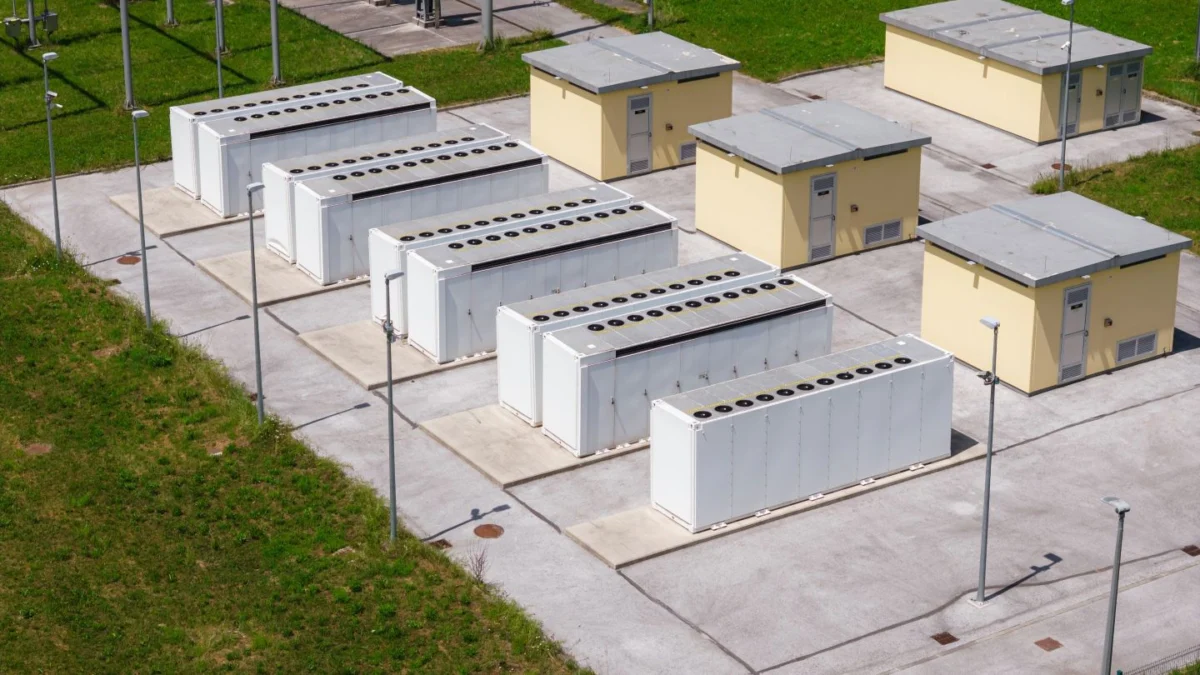
The current Yemeni grid is highly centralized and prone to frequent outages. The transition to utility-scale solar allows for a more distributed energy model. By integrating solar into the grid, the country can reduce the risk of systemic failure. Furthermore, the partnership includes provisions for energy storage solutions, which are essential for stabilizing the grid when the sun is not shining.
3. Addressing the Humanitarian Energy Crisis
Energy poverty is a significant driver of the humanitarian situation in Yemen. Reliable power is a prerequisite for water desalination, agricultural irrigation, and hospital operations. This partnership, while focused on "utility-scale" projects, provides the foundational energy security required to support these essential humanitarian services.
4. Setting a Precedent for Investment
By successfully initiating a multi-gigawatt project in a challenging environment, Trinasolar and Al-Raebi are sending a signal to the international investment community: Yemen is "open for business" in the renewable energy sector. This could pave the way for a influx of climate finance, green bonds, and international development bank support, which are essential for the next phase of the country’s economic reconstruction.
Challenges and the Path Forward
Despite the clear benefits, the path to 1.5GW is not without hurdles. The success of the Trinasolar-Al-Raebi partnership will depend on several key factors:
- Security and Stability: Ongoing regional instability necessitates sophisticated risk management and the development of secure site locations.
- Infrastructure Interconnectivity: Converting solar power into usable energy requires a robust transmission and distribution network. Significant investments in grid modernization must accompany the installation of solar farms.
- Regulatory Framework: The Yemeni government will need to provide clear, long-term policy support for renewable energy, including Power Purchase Agreements (PPAs) that offer the financial certainty required for such massive capital outlays.
Conclusion: A New Dawn for Yemen’s Energy Sector
The collaboration between Trinasolar and Al-Raebi is more than a commercial agreement; it is a vital step toward a sustainable future. As the world shifts away from carbon-heavy energy sources, Yemen is positioning itself to leapfrog older technologies and embrace the potential of its abundant solar resources.
With a 1.5GW pipeline targeted for 2029, the partnership provides a tangible roadmap for growth. By leveraging high-efficiency TOPCon technology and combining it with the indispensable local knowledge provided by Al-Raebi, the project has the potential to become a cornerstone of Yemen’s post-conflict reconstruction and a beacon of hope for renewable energy adoption in the Middle East.
As the implementation phase begins, the eyes of the international energy community will be fixed on this partnership, observing how, even in the most challenging of circumstances, innovation and collaboration can illuminate the path toward a brighter, more sustainable future.