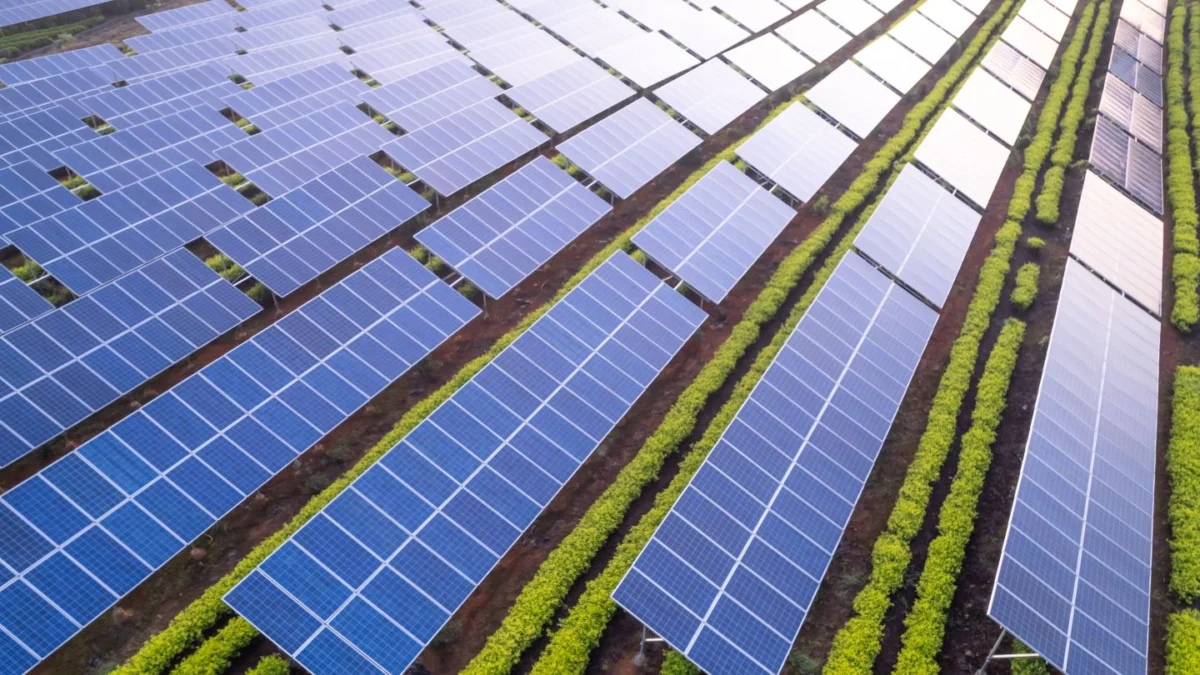
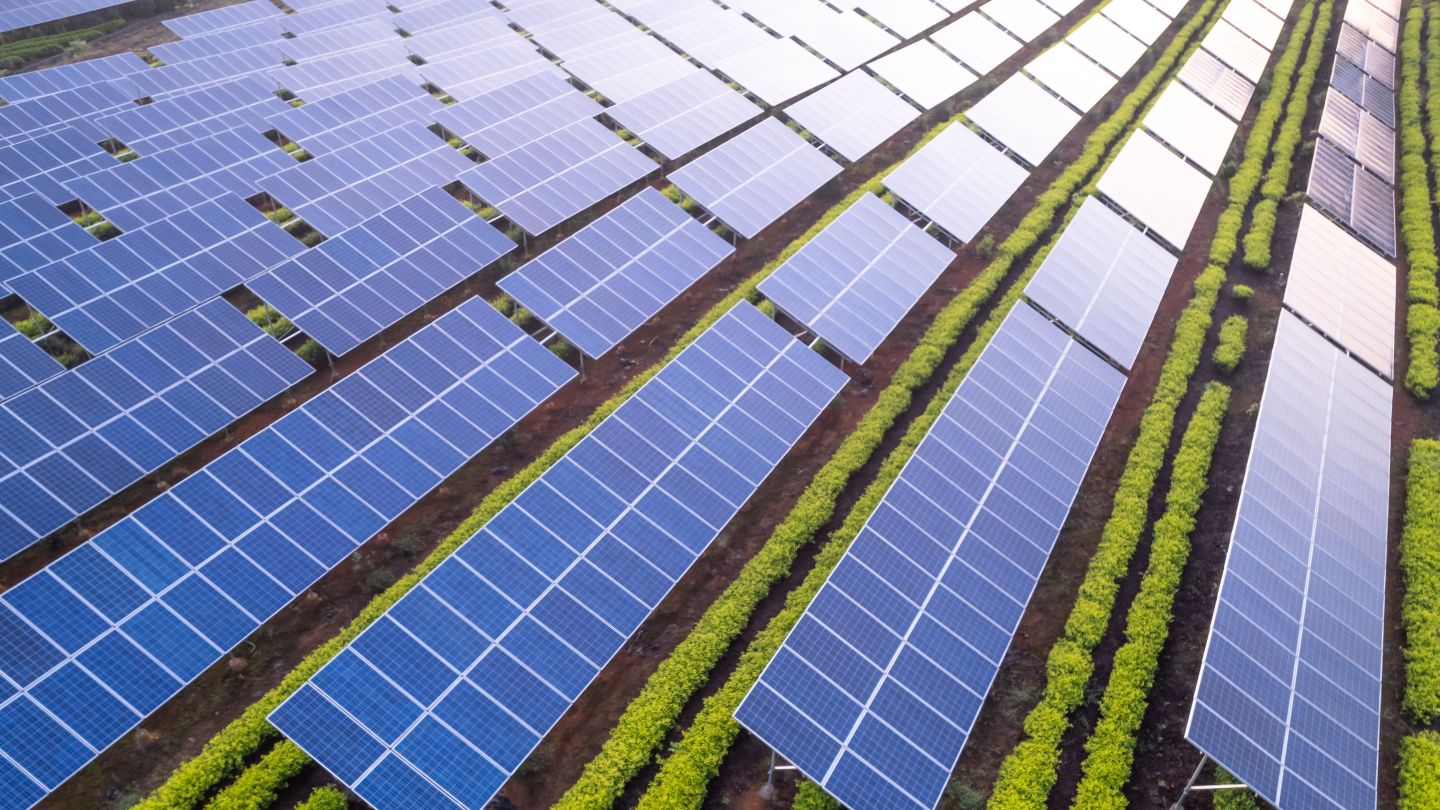
In a landmark shift toward a sustainable energy future, Indonesian President Prabowo Subianto has officially inaugurated a sweeping solar energy program designed to transform the nation’s power landscape. The initiative, which targets a massive 100 gigawatt-peak (GWp) of solar capacity by 2029, represents a fundamental pivot away from the country’s historical reliance on coal and diesel, positioning Indonesia as a burgeoning leader in the Southeast Asian renewable energy transition.
The program’s launch, held at the historic Java-Bali Sea Crossing Operation Monument in Gilimanuk, Bali, marks the beginning of an aggressive infrastructure overhaul. With a projected total investment value of $73 billion (Rp1,140 trillion), the initiative is one of the largest renewable energy commitments in the region’s history, promising not only to overhaul the national grid but to stimulate significant economic growth through job creation and industrial localization.
The Foundation: 14 Projects and 5.3GW of Clean Power
The initial phase of this monumental program encompasses 14 distinct solar power projects with a combined capacity of 5.3GW. These projects serve as the vanguard of a broader strategy to diversify the nation’s energy mix and diminish the carbon footprint of its industrial and residential sectors.
According to Eniya Listiani Dewi, a senior official at the Ministry of Energy and Mineral Resources, the financial commitment for this initial cluster of projects stands at approximately Rp135 trillion. The status of these projects reflects a mature development pipeline: two are already operational, six are currently in the construction phase, and six are slated for imminent bidding by private investors.
Among the marquee developments is the 300MWp Gilimanuk solar power plant. Once fully integrated, this facility is expected to generate 470 gigawatt-hours (GWh) of electricity annually, effectively displacing 151 million liters of fuel consumption every year. Other cornerstone projects include the 605MWp PLTS Madura, the 636MWp PLTS Jatigede, and the massive 1.25GWp PLTS Cirata. These installations are designed to provide stable, clean baseload power to the Java-Bali grid, which serves as the economic heartbeat of the nation.
A Chronological Roadmap to 2029
The Indonesian government has structured this transition in a phased, multi-stage rollout to ensure grid stability and logistical feasibility. The roadmap follows a clear progression:
- The Immediate Horizon (2025–2026): The government has set an ambitious interim milestone to reach 30GWp of installed solar capacity by the end of 2026. This period will be characterized by the aggressive decommissioning of 13GW of aging, high-emission diesel-fired power plants.
- The Scaling Phase (2027–2028): Following the initial surge, the rollout will continue in stages of 17GWp and 18GWp, focusing on expanding grid infrastructure to remote and underserved areas of the archipelago.
- The 2029 Target: By the end of the decade, the completion of the final infrastructure tiers will bring the total capacity to 100GWp, effectively meeting the president’s mandate for a cleaner, more efficient energy grid.
Supporting Data: Economic and Environmental Metrics
Indonesia’s solar potential is vast, estimated at approximately 3.29 terawatt-peak (TWp). However, the current installed capacity remains modest at roughly 1.5GWp. The new program aims to bridge this massive gap, leveraging the country’s equatorial geography to harvest solar energy year-round.
The economic implications of this transition are substantial. Minister of State Secretary Prasetyo Hadi emphasized that the full implementation of the 100GWp plan is expected to generate annual electricity cost savings of approximately Rp73.9 trillion ($4.5 billion). These savings are projected to materialize through reduced fuel imports and lower operational costs compared to traditional fossil-fuel generators.
Furthermore, the government’s electricity supply plan for 2025–2034 forecasts the creation of approximately 1.7 million jobs. Of these, over 760,000 are classified as “green jobs,” encompassing roles in engineering, renewable energy installation, grid maintenance, and environmental monitoring. The spillover effects are expected to bolster local manufacturing, specifically in the production of solar cells, advanced battery storage systems, and specialized electrical transmission equipment.
Official Responses and Strategic Mandates
The political will behind this initiative is unequivocal. President Prabowo has directed all relevant ministries to accelerate the development timeline to ensure the 2029 goal is met without delay.
"The president has instructed that the development of 100GWp of solar power capacity be accelerated and completed by 2029," Minister Prasetyo Hadi stated in a recent address. "This is a cornerstone of our national development strategy to ensure energy security and long-term economic stability."
The Ministry of Energy and Mineral Resources is currently coordinating with state-owned utility providers and international partners to ensure the grid can accommodate such a significant influx of intermittent power. The strategy involves not only building generation capacity but also investing in smart-grid technologies and large-scale battery energy storage systems (BESS) to manage the variability of solar energy.
Implications for Indonesia’s Future
The shift toward solar power carries profound implications for Indonesia’s domestic and international standing:
1. Energy Independence
By moving away from imported diesel and coal, Indonesia aims to insulate its economy from the volatility of global fossil fuel markets. This move significantly enhances national energy security, ensuring that the power supply remains stable even during periods of global geopolitical tension.
2. Industrial Competitiveness
Lower electricity costs are a strategic advantage for Indonesia’s manufacturing sector. As global markets increasingly demand products manufactured with renewable energy, the availability of a green power grid will make Indonesia a more attractive destination for foreign direct investment (FDI), particularly in the electronics and electric vehicle (EV) battery sectors.
3. Regional Leadership in Climate Action
As a major G20 economy, Indonesia’s commitment to a 100GWp solar goal serves as a signal to the international community. By retiring 13GW of diesel-powered plants, the country is making a tangible, verifiable contribution to the global effort to mitigate climate change, fulfilling its commitments under the Paris Agreement and subsequent COP climate summits.
4. Rural Electrification and Equity
A critical component of the program is the focus on "remote, frontier, and underserved areas." Historically, the Indonesian archipelago has faced challenges in extending reliable electricity to its more than 17,000 islands. Decentralized solar micro-grids offer a cost-effective solution to bring power to these regions, reducing the "development gap" between major urban centers like Jakarta and the outer islands.
Conclusion: A New Era of Energy
The launch of the 100GWp solar program marks a turning point in Indonesian history. Moving from a reliance on the extraction of finite resources to the harvesting of infinite solar energy is a monumental task that will require sustained investment, policy consistency, and technological innovation.
As the government moves from the initial 14 projects to the broader 2029 target, the world will be watching to see how the "Emerald of the Equator" navigates the complexities of the energy transition. If successful, this program will not only define President Prabowo’s administration but will also establish a blueprint for other developing nations seeking to balance rapid economic growth with the urgent necessity of a clean, green, and sustainable energy future. The road to 100GWp is long, but for Indonesia, the journey has finally begun in earnest.