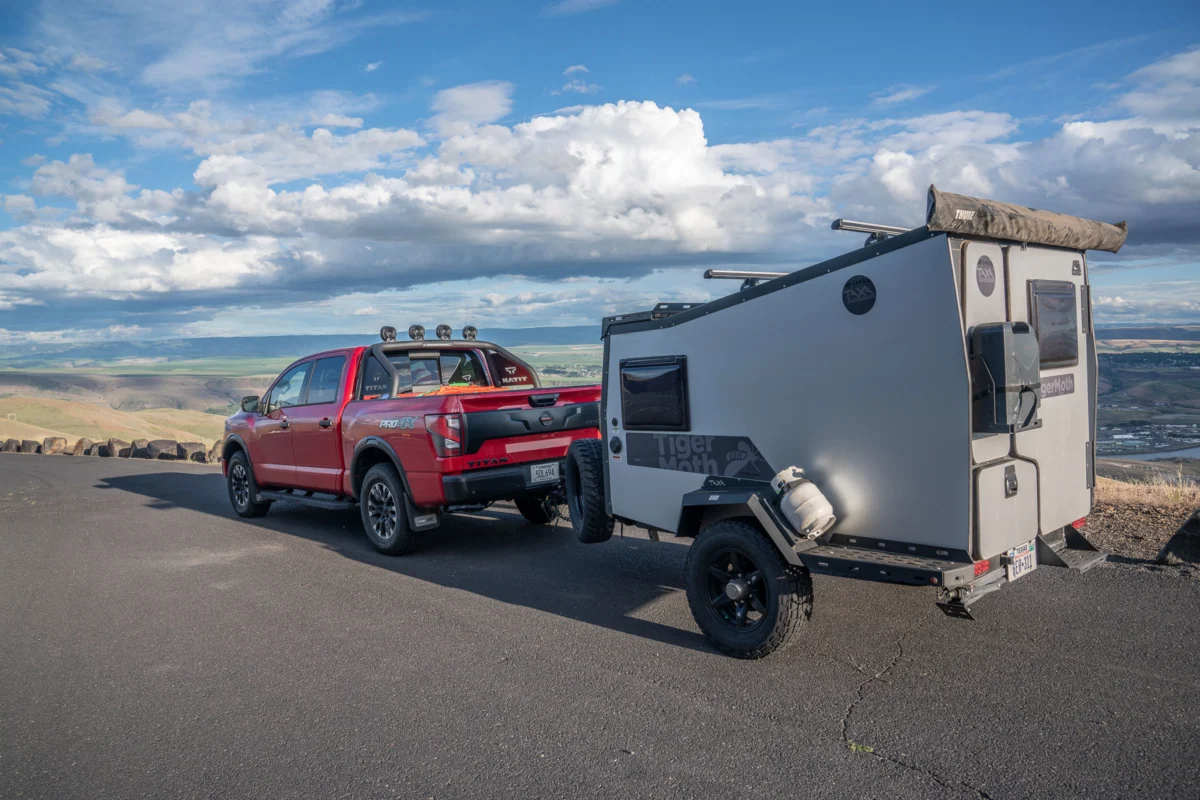
Touring the country remains one of the most compelling and popular adventures for those seeking to reconnect with the great outdoors. Whether it is a weekend getaway to a nearby state park or a multi-month expedition across the continent, the camper trailer has cemented its position as the premier vehicle for the modern traveler.
Compared to the high maintenance and significant financial investment required for a motorhome, a camper trailer offers an economical, flexible alternative. The primary advantage lies in the separation of the living space from the tow vehicle; once you reach your destination, you can unhitch your trailer, leaving your SUV or truck free for grocery runs, trail exploration, or navigating narrow city streets.
As technology advances, these rigs are becoming increasingly sophisticated. Modern, well-constructed trailers allow adventurers to settle into remote landscapes, far from the distractions of urban life. With the integration of high-efficiency solar panels, robust battery systems, pressurized water tanks, and clean-burning propane, today’s trailers allow travelers to remain off-grid for extended periods.

After rigorous field testing, our team has curated a selection of top-tier designs that cater to a vast spectrum of travel needs—from minimalist teardrop explorers to high-luxury, off-road-capable living quarters.
The Evolution of the Camper Trailer: A Chronology of Comfort
The history of the camper trailer is a journey from simple tow-behind cargo boxes to high-tech, self-sustaining mobile homes.
In the mid-20th century, the "teardrop" craze captured the imagination of post-war travelers. These small, aerodynamic units were designed for efficiency and ease of towing. However, they were often limited in terms of amenities. As the 1990s and 2000s arrived, consumer demand shifted toward "rugged luxury."

Over the past decade, we have seen a massive leap in engineering. The introduction of axleless suspension systems, such as the Timbren setup found on many modern models, has allowed even the smallest trailers to traverse rocky terrain that would have destroyed a traditional suspension system just twenty years ago. Simultaneously, the adoption of lithium-ion battery technology and flexible solar panels has moved the industry away from loud, fuel-guzzling generators toward silent, sun-powered independence.
Top-Tier Trailer Profiles: Our Expert Picks
1. TAXA Outdoors TigerMoth: The Minimalist’s Overlander
Hauling a trailer through challenging terrain usually implies sacrificing comfort, but the Taxa Outdoors TigerMoth Overland challenges that notion. It is a functional, "haul-anywhere" habitat that avoids the bulk of traditional campers.
The standout feature is the modular interior; the sleeping area quickly converts into a dining area or a workspace, making it highly versatile for digital nomads. The swing-up side door serves a dual purpose: it promotes exceptional airflow and creates a protected, covered space for outdoor dining. With 15 inches of ground clearance and an axleless suspension, it is built to handle the road less traveled.

2. Winnebago Micro Minnie 2306BHS: The Family Standard
For those who prefer a "home away from home" experience, the Winnebago Micro Minnie is the gold standard. Designed to be towed by a half-ton truck or a capable SUV, this trailer offers a level of refinement rarely found in compact units. The inclusion of a Murphy bed allows the floor plan to remain open during the day, while the deep barn sink and three-burner cooktop provide a legitimate kitchen experience. It is specifically designed for families, featuring a flip-up bunk bed that doubles as high-capacity storage for bikes or heavy camping gear.
3. Off Grid Trailers Expedition 3.0: Built for the Backcountry
When the goal is true "boondocking," the Expedition 3.0 stands in a league of its own. It is an engineering marvel in terms of durability. The exterior storage bins are powder-coated and utilize lockable compression latches, ensuring that dust and moisture stay out of your gear. The 31-gallon water tank and the 55L fridge-freezer make it possible to stay remote for weeks. Its ability to provide hot water on demand via an outdoor showerhead turns a rugged, dirty trail day into a surprisingly luxurious evening.
4. Black Series HQ19: Rugged Luxury
The Black Series HQ19 is the "heavyweight champion" of our test list. It is one of the few full-size trailers that genuinely excels off-road. The Polyblock hitch, which provides 360-degree articulation, allows the trailer to follow the tow vehicle over uneven, aggressive terrain without putting undue stress on the chassis. Inside, it feels like a high-end apartment, complete with a washing machine, oven, and a full-size stall shower.

5. Timberleaf Classic Off-Road: The Teardrop Refined
Timberleaf has mastered the intersection of aesthetics and utility. The woodworking inside the galley and storage cubbies is exquisite. Beyond its beauty, the off-road package—including the 4-inch lift and all-terrain tires—makes it a favorite for couples who want to reach the most scenic, remote trailheads in the country.
6. nüCamp Tab 320: The Iconic Teardrop
The nüCamp Tab 320 remains a classic for a reason. It is incredibly easy to tow, making it the perfect choice for those who are new to the world of trailering. Despite its small footprint, it includes a wet bath, a galley kitchen, and a sleeping area that can be configured in multiple ways. It is a masterclass in space management.
7. Airstream Flying Cloud 23FB: The Iconic Silver Bullet
The Airstream brand requires little introduction. The Flying Cloud 23FB is an ideal size for two people embarking on a long-distance road trip. During our testing, we were particularly impressed by the responsiveness of the digital thermostat and the durability of the interior components. It is a premium product, but it offers a level of build quality that stands the test of time.

Supporting Data: Understanding Key Metrics
When investing in a trailer, weight and capacity are the most critical factors. A common mistake among novices is ignoring the Gross Vehicle Weight Rating (GVWR).
- Dry Weight: The weight of the trailer as it leaves the factory, empty of water, fuel, and gear.
- GVWR: The maximum total weight the trailer can safely weigh when fully loaded.
- Payload: You must ensure your tow vehicle’s payload capacity can handle the trailer’s tongue weight, along with the passengers and cargo in your vehicle.
Our analysis of the models listed shows a vast range in dry weights, from roughly 1,400 pounds to over 6,000 pounds. Always consult your vehicle’s manual before making a purchase.
Implications of Off-Grid Technology
The industry is currently trending toward "Energy Independence." Manufacturers are moving away from traditional lead-acid batteries toward Lithium Iron Phosphate (LiFePO4) systems. These batteries provide more usable power and weigh significantly less.

The implication for the consumer is clear: you can now travel further with more power. However, this also brings a higher upfront cost. Buyers must weigh the price of these advanced electrical systems against their actual usage patterns. If you only camp at RV parks with shore power, a complex solar/lithium system may be an unnecessary expense. If you prefer the quiet solitude of National Forest land, it is an essential investment.
Official Industry Outlook and Expert Advice
Industry experts emphasize that the "best" trailer is the one that matches your specific lifestyle rather than the one with the most features.
"Many buyers look at the largest, most expensive trailer on the lot," says one industry analyst. "But if you aren’t comfortable towing a 30-foot rig through a mountain pass, that luxury will quickly become a burden. Start by defining your ‘must-have’ features: Is it a bathroom? A full kitchen? Or the ability to reach a 4WD-only campsite? Once you define that, the selection process becomes much easier."

Furthermore, as the trend of "Leave No Trace" becomes more vital to protecting our public lands, the industry is seeing a push toward better waste management. We encourage all buyers to investigate their trailer’s waste tank capacities and ensure they are prepared for the reality of long-term off-grid waste management, including the use of WAG bags and proper disposal techniques for those without black-water systems.
Final Thoughts: Choosing Your Adventure
The decision to purchase a camper trailer is an invitation to explore the world on your own terms. Whether you choose the rugged simplicity of the Taxa TigerMoth, the family-friendly layout of the Winnebago Micro Minnie, or the iconic, enduring design of an Airstream, you are choosing a lifestyle defined by mobility and discovery.
Take the time to assess your tow vehicle’s capabilities, understand the nuances of the weight ratings, and decide on the level of off-grid independence you truly require. The road is waiting—ensure your home-on-wheels is ready to meet it.