Introduction: A Seasonal Transition on the Clark Fork
As the snowmelt subsides and the high-water intensity of spring gives way to the sun-drenched, reliable flows of mid-summer, Montana River Guides (MRG) has officially transitioned its operations. After a rigorous season dedicated to training emergency responders and outdoor professionals in the delicate, high-stakes craft of swiftwater rescue, the company is pivoting its focus toward the recreational heartbeat of Western Montana: the Alberton Gorge.
The Clark Fork River, currently flowing at a picturesque 4,000 cubic feet per second (CFS), serves as the primary stage for this shift. For locals and tourists alike, this flow rate represents the "Goldilocks zone" of whitewater—robust enough to offer genuine thrills, yet accessible enough for family-oriented adventure. As the region experiences a surge in outdoor tourism, the expertise of guides on the Clark Fork remains a critical component in balancing high-octane river recreation with the imperative of safety.
Main Facts: The State of the Alberton Gorge
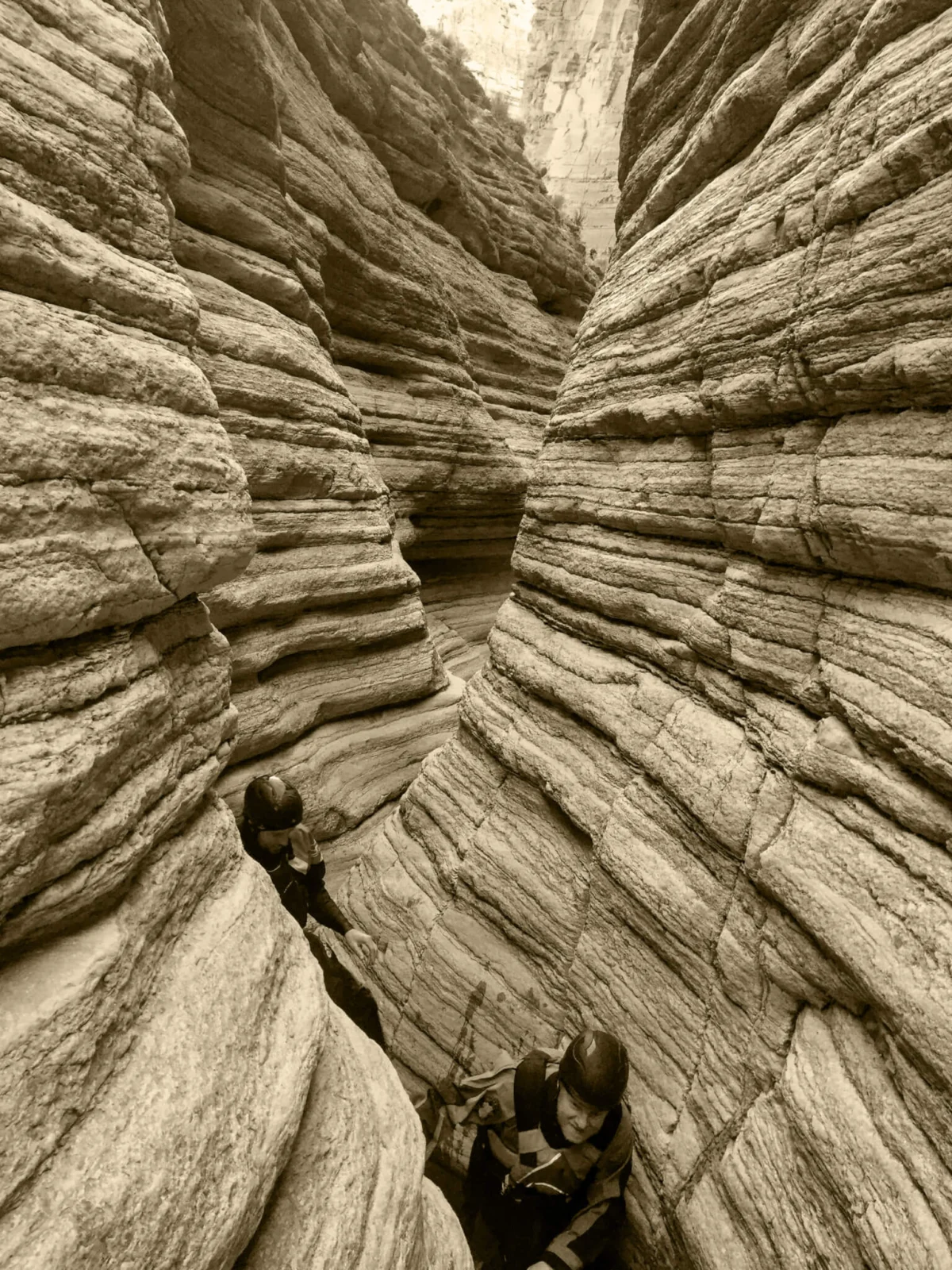
The Alberton Gorge is widely considered the crown jewel of river recreation in the Missoula area. Stretching through a dramatic canyon of schist and quartzite, the river offers a series of Class II and III rapids that provide a perfect introduction to whitewater rafting and kayaking.
Current Conditions
- Flow Rate: Currently holding steady at approximately 4,000 CFS.
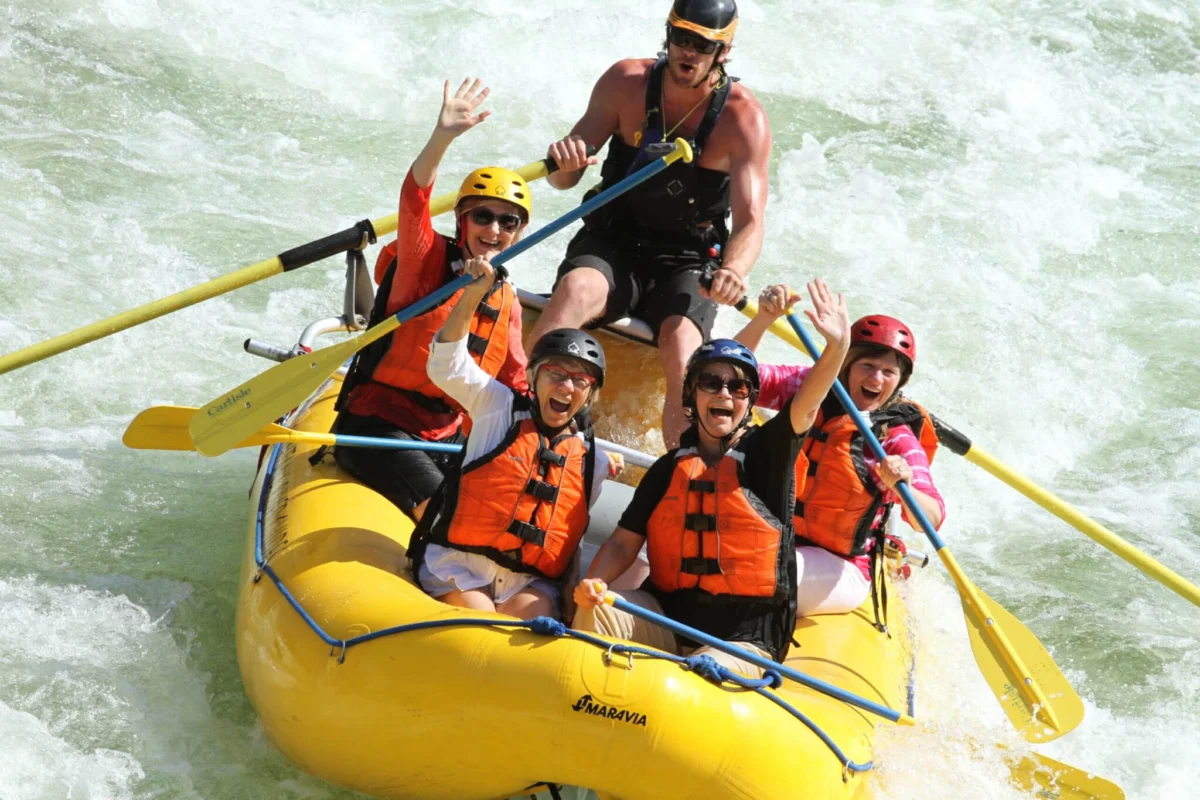
- Rapids Status: Iconic features such as Tumbleweed and Fang are currently operating at optimal levels. These rapids are providing just enough "splash" to occasionally send paddlers overboard—a hallmark of an authentic Gorge experience—while remaining manageable for guided commercial trips.
- Geological Changes: As the water volume drops, the upper reaches of the Gorge are seeing the emergence of new rock gardens. This shifts the river from a "high-water" run, where the goal is often simply to avoid large holes, to a "technical" run, where precision maneuvering is required to navigate the emerging obstacles.
Chronology: From Rescue Training to Recreational Tourism
The operational calendar of Montana River Guides is a reflection of the river’s natural rhythm.
Phase I: Spring Education (April–June)
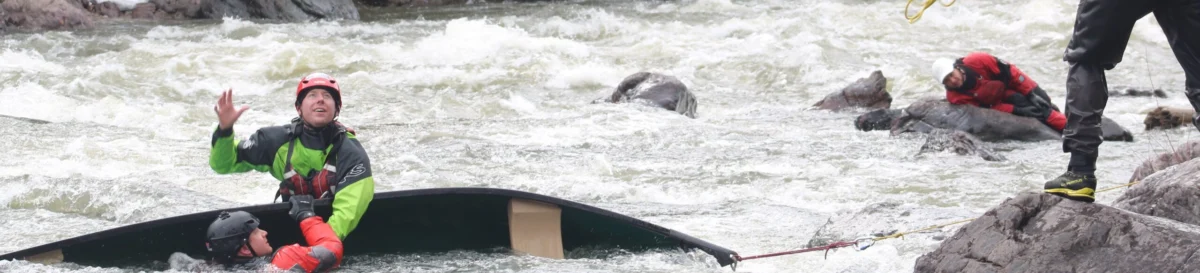
The season began with a series of intensive swiftwater rescue classes. These courses are not merely recreational; they are vital training grounds for fire departments, search and rescue teams, and professional river guides. During this period, the river is often high, cold, and unforgiving. Instruction focuses on mechanical advantage systems, knot tying, self-rescue, and the physics of moving water.
Phase II: The Recreational Pivot (July–August)
As June concludes, the focus shifts. With the primary educational curriculum largely complete, the company transitions into its high-season commercial operations. This phase is characterized by daily rafting trips and scenic kayaking tours. The emphasis moves from "how to survive the water" to "how to enjoy the water."
Phase III: Specialized Spill Response (Late Summer)
The cycle closes with a specialized focus on industrial safety. Later this summer, MRG will host several "Swiftwater Spill Response" workshops. These sessions represent a unique intersection of environmental protection and water rescue, teaching professionals how to deploy containment booms and sorbent materials in moving current—a skill set increasingly in demand as industrial infrastructure near waterways faces heightened scrutiny.
Supporting Data: Understanding the Flow
In the context of the Clark Fork, the CFS measurement is the definitive metric for the river’s "personality."
- Under 2,000 CFS: Considered low water. The river becomes highly technical, requiring expert navigation to avoid scraping or getting pinned on rocks.
- 3,000–5,000 CFS: The "Family Fun" window. This is where MRG is currently operating. The water is deep enough to cover most hazards but moving fast enough to maintain momentum through the rapids.
- 8,000+ CFS: High-water conditions. These levels are generally reserved for expert paddlers and commercial trips led by highly experienced senior guides, as the consequences of a swim (falling out of the raft) are significantly amplified.
The current 4,000 CFS level is a "sweet spot" that minimizes the risk of entrapment while maximizing the fun factor. It allows guides to focus on the educational aspects of the river—teaching passengers about the local geology, the history of the dam removals on the Clark Fork, and the delicate ecosystem of the riparian corridor.
Official Perspectives: The Philosophy of Preparedness
For the team at Montana River Guides, the transition from teaching rescue to conducting tours is not a shift in mindset, but a continuation of a safety-first culture.
"We know you are all wearing the right gear and keeping an eye on each other," says an MRG representative. This sentiment encapsulates the "buddy system" that the company promotes. Regardless of whether a guest is a first-time rafter or a seasoned kayaker, the expectation is that they arrive prepared.
The Importance of Gear
Professional guidance is only half the equation; the other half is personal protective equipment (PPE). The standard kit promoted by the company includes:
- Coast Guard-Approved PFDs: Properly fitted and worn at all times.
- Helmets: Essential for any whitewater environment, especially as rocks emerge in the upper gorge.
- Appropriate Footwear: Secure, closed-toe shoes are mandated to prevent injury during river entries and exits.
The guides at MRG emphasize that the "fun" of the river is predicated on the "control" of the river. By teaching passengers the basics of paddle commands and river communication, they transform guests from passive observers into active participants in their own safety.
Implications: The Role of Rivers in Modern Society
The operations at Montana River Guides reflect a broader trend in the American West: the evolution of rivers from strictly industrial or agricultural resources into critical hubs for tourism and environmental stewardship.
The Spill Response Necessity
The upcoming Swiftwater Spill Response classes highlight a growing awareness of the environmental risks posed by industrial activity near major waterways. By teaching participants how to deploy equipment to mitigate chemical or fuel spills, Montana River Guides is contributing to the regional resiliency of the Clark Fork. This is not just about recreational safety; it is about protecting the water quality that sustains the local economy.
Economic and Environmental Stewardship
Missoula’s status as a premier destination for rafting and kayaking brings significant economic revenue to the region. However, the reliance on the river for tourism also creates a strong incentive for conservation. Every guest who experiences the Alberton Gorge firsthand gains a deeper appreciation for the river’s health.
As the summer progresses, the interaction between the public and the river is expected to remain high. The presence of professional guides acts as a stabilizing force, ensuring that as more people flock to the water, the incidence of preventable accidents remains low.
Conclusion: Looking Ahead to the Late Summer
As the season reaches its zenith, the Clark Fork River continues to offer a perfect balance of excitement and serenity. Whether it is through the adrenaline of navigating the Fang rapids or the quiet focus of a swiftwater spill response training, the work done by Montana River Guides remains a cornerstone of the Missoula outdoor community.
For those looking to engage with the river, the message is clear: the water is inviting, the conditions are optimal, and the safety protocols are in place. As the season progresses, the combination of professional instruction and recreational tourism will ensure that the Alberton Gorge remains one of the safest and most enjoyable whitewater destinations in the United States.
For more information on booking a trip or enrolling in upcoming rescue courses, visitors are encouraged to review the resources provided by Montana River Guides to ensure their outing is as safe as it is memorable. The river is waiting—but as the experts suggest, always come prepared.