Introduction: A Journey into the Heart of the Ganges
In an era where global travel often feels sanitized and predictable, the recent expedition undertaken by Mike and Cody into the depths of Northern India serves as a visceral reminder of the world’s untamed complexity. Seeking to bridge the gap between Western whitewater expertise and the ancient, high-volume waterways of the Himalayas, the duo embarked on a journey that transcended mere sport. By training with instructors from the Hannibal Outdoor Center and navigating the formidable Ganges, they gained more than just technical proficiency; they gained a window into the soul of a subcontinent.
Their experience, characterized by massive mountain landscapes, a staggering human density, and the deep, spiritual gravity of the Ganges, offers a unique perspective on the intersection of extreme outdoor adventure and profound cultural immersion. This report details their expedition, the technical challenges of the Himalayan runoff, and the broader societal implications of operating within one of the world’s most complex river systems.
The Expedition: Chronology and Scope
Phase I: Cultural Immersion and River Standards
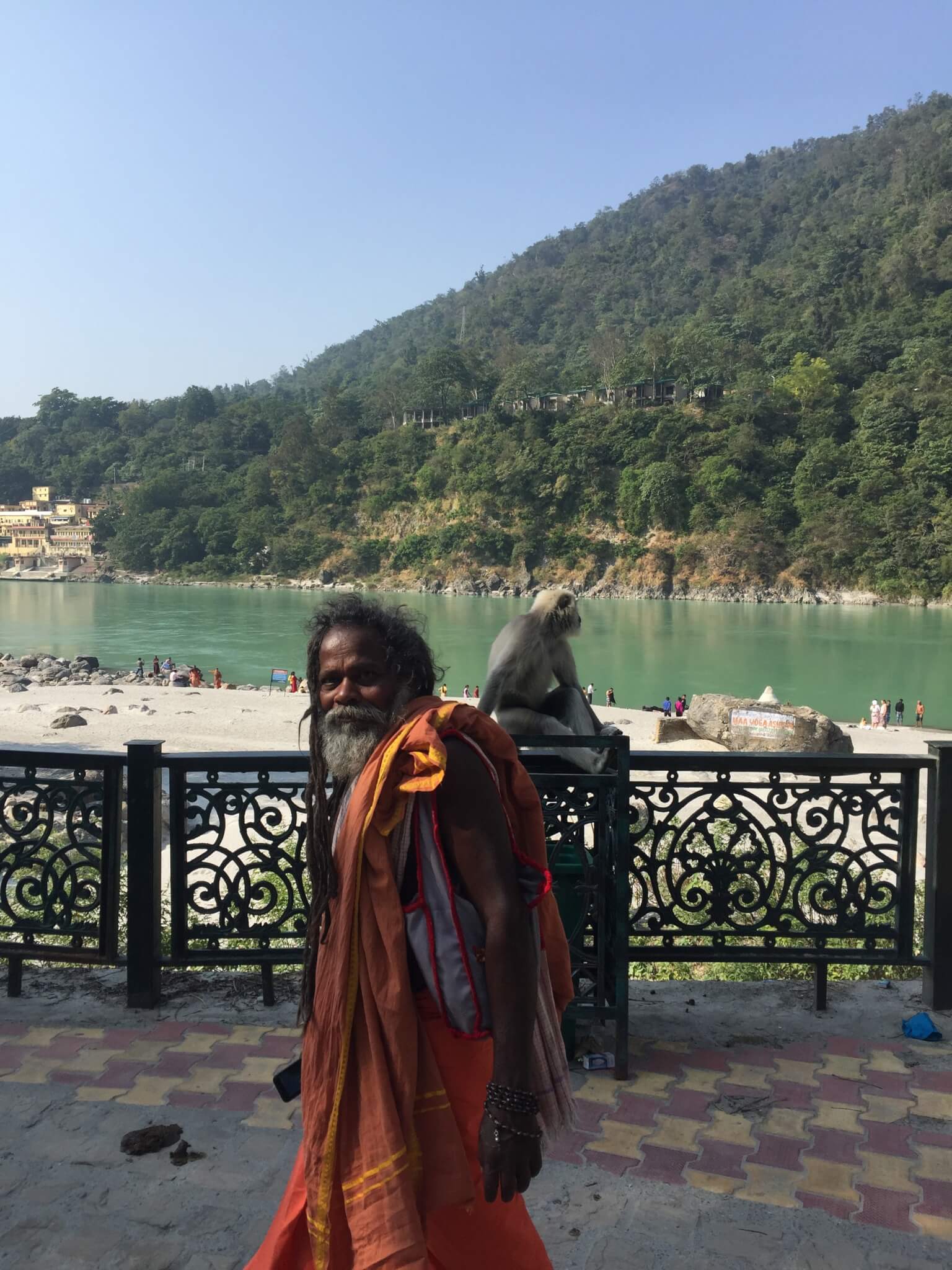
The journey began in the foothills of the Himalayas, where the scale of the geography immediately challenged the travelers’ perceptions. Unlike the rivers of the American West, the Ganges—often referred to as Ganga—carries a cultural weight that dictates the rhythm of life along its banks.
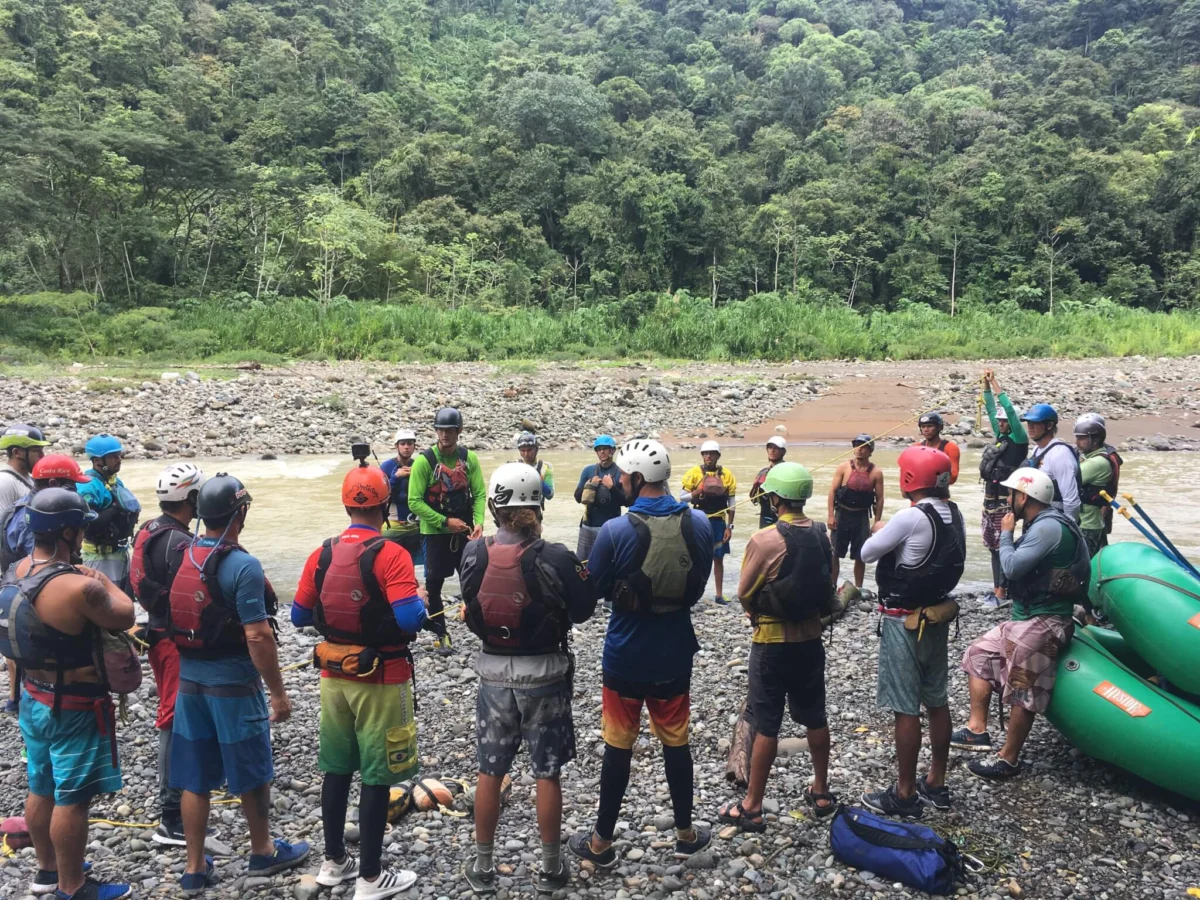
During the initial phase of their trip, Mike and Cody collaborated with local guides from the Hannibal Outdoor Center. This was not a tourist excursion; it was a professional exchange designed to align international safety standards with local navigational practices. The guides provided invaluable insight into the nuances of Indian river rafting, where the water is not merely a venue for recreation, but a central artery of religious life.
Phase II: Navigating the Giant
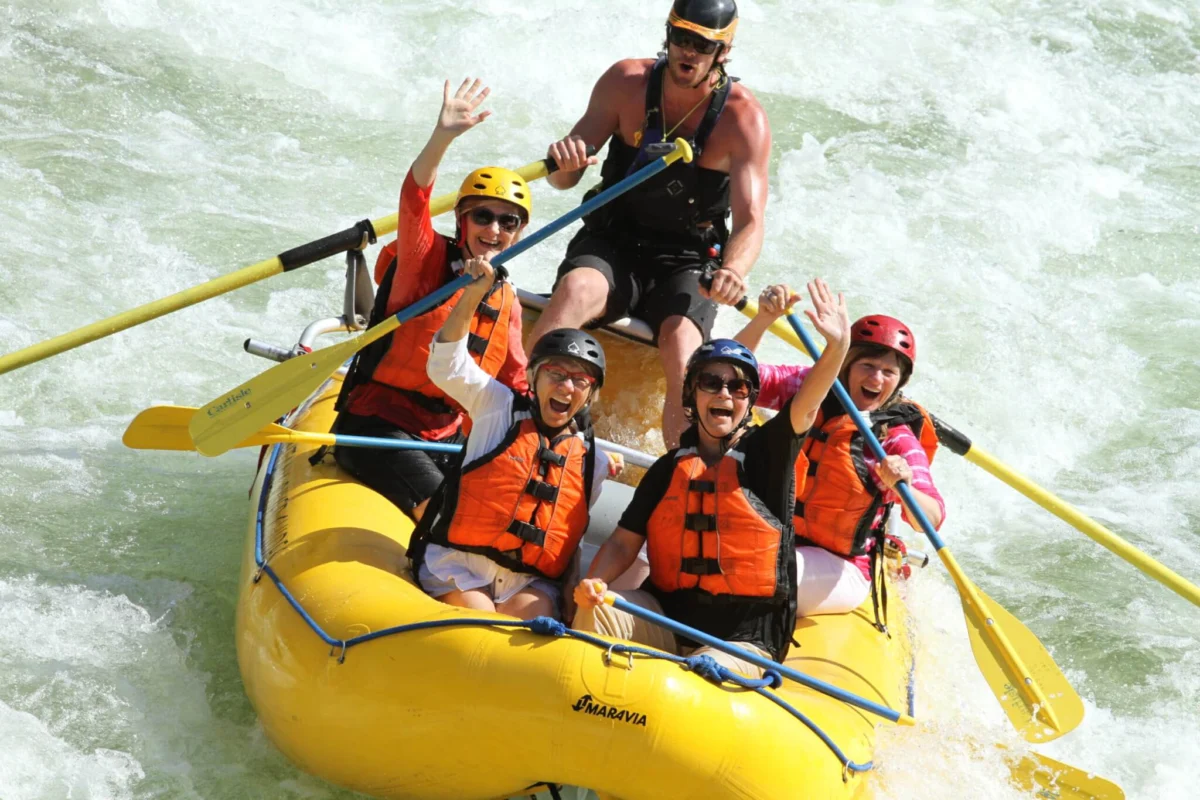
The technical challenge of the Ganges is dictated by its sheer volume. Even at elevations of 8,000 to 12,000 feet, the terrain remains rugged and steep. During their descent, the team estimated the flow of the Ganges at approximately 40,000 cubic feet per second (cfs). For context, this volume requires a high level of technical competency and respect for the river’s erratic power. Navigating these waters involves constant awareness of both the physical hazards—such as powerful hydraulics and submerged debris—and the human activity that defines the river’s path.
Phase III: Transit and Reflection
The duo’s transit across Northern India highlighted the juxtaposition of the country’s modernization and its traditional roots. By utilizing India’s extensive train network and the ubiquitous rickshaw, Mike and Cody moved through landscapes that shifted rapidly from pristine mountain vistas to dense, urban centers. The decision to travel "between the cars" on the trains—a classic, if unconventional, way to experience the passing landscape—allowed them a raw, unfiltered view of the country’s agricultural heartlands and its burgeoning industrial challenges.
Supporting Data: The Geography of a Subcontinent
To understand the environment Mike and Cody encountered, one must look at the statistical reality of India. As the world’s most populous nation, India presents a tapestry of linguistic and cultural diversity that is unparalleled; there are roughly 3,000 languages and dialects spoken across the country.
The Himalayan Hydrology
The rivers originating in the Himalayas are unique globally. They are fed by massive glacial melt and monsoon rains, creating a surge that is both a source of life and a force of destruction.
- Elevation: 8,000 to 12,000 feet (foothills).
- Flow Rates: 40,000+ cfs on the main stem of the Ganges.
- Biodiversity: The region supports a diverse array of fauna, including wild elephants, cobras, and primates, existing in close proximity to human settlements.
The Paradox of the Ganges
The Ganges serves as a focal point for this environmental study. It is simultaneously a site of deep religious pilgrimage—where millions participate in ritual cleansing—and a site of severe ecological degradation. The river faces critical threats from:
- Untreated Human Waste: Due to the extreme population density in riverside cities.
- Industrial Runoff: Chemicals from the industrial corridors of Northern India flowing directly into the water.
- Pollution Load: Despite its status as a "sacred" river, it remains one of the most polluted waterways on the planet, creating a tension between the spiritual sanctity of the river and the reality of its ecological health.
Cultural Observations: The Human Element
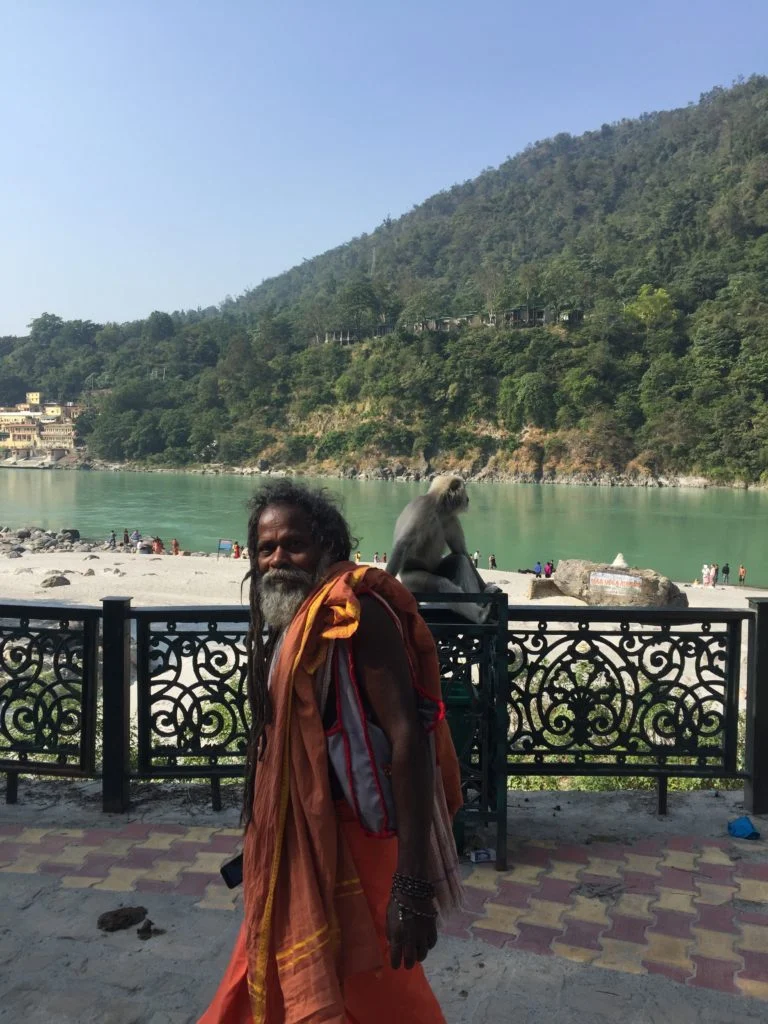
The footage captured by Mike and Cody in Haridwar—a city that acts as a spiritual gateway—serves as a primary document of this tension. The imagery of thousands of individuals cleansing themselves in the river reveals a profound devotion that ignores the objective realities of the water’s pollution.

For the western traveler, this is an "overwhelming" experience. It is a collision of the ancient and the modern. The "heroic subsistence agriculture" witnessed from the train windows provides a contrast to the landfills and industrial zones. It is a society that is rapidly evolving while remaining anchored in traditions that are thousands of years old.
Implications: The Future of Adventure Tourism
The expedition raises significant questions about the ethics of adventure tourism in developing nations.
Professional Responsibility
For experts like Mike and Cody, the takeaway is not just the mastery of a new river, but the realization that outdoor professionalism in India requires a deep understanding of local environmental and social issues. Training with local instructors is no longer just a "best practice"; it is a necessity for anyone looking to navigate these waters responsibly.
Environmental Stewardship
The pollution crisis on the Ganges is not a local issue; it is a global ecological tragedy. Travelers who engage with these environments have a responsibility to witness and report on these conditions. The contrast between the "spectacular expanse" of the Indian landscape and the degradation caused by waste is a poignant reminder of the fragility of even our most "sacred" natural resources.
Potential for Growth
Despite the obvious challenges, the potential for India as an outdoor destination is immense. The sheer size of the geography ensures that there will always be new trails to hike, new rivers to run, and new cultures to encounter. However, the future of such travel must be rooted in sustainability and mutual respect. The "admiration for the people and the culture" expressed by Mike and Cody suggests that there is a path forward—one where the thrill of the river is matched by a commitment to preserving the environment that makes such experiences possible.

Conclusion: Lessons from the Water
Mike and Cody’s trip was more than an adrenaline-fueled run down a massive river. It was an exercise in perspective. In a short period, they witnessed the vastness of the Himalayan range, the complexities of a nation with a fifth of the world’s population, and the stark reality of environmental struggle.
As they plan their return, the message remains clear: India is a land of extremes. To experience it is to be humbled. Whether it is the roar of 40,000 cfs of water, the chaos of a crowded train station, or the quiet, enduring prayer of a pilgrim at the river’s edge, India demands that one pay attention.
For the professional adventurer, the Ganges offers a lesson that transcends sport: the river is not just a challenge to be conquered, but a living, breathing entity that reflects the state of the society surrounding it. Mike and Cody’s journey serves as an invitation to the rest of the world to look closer, respect the risks, and appreciate the immense, overwhelming beauty of the Indian subcontinent. Their return is not just desired—it is necessary for those who seek to understand the intersection of human spirit and the natural world.