By Samuli Haapasalo | Vuosi luonnossa | October 6, 2026
The short-eared owl (Asio flammeus) is a master of the open landscape. With a silent, rhythmic flight that mirrors the gentle swaying of coastal grasses, this medium-sized raptor remains one of the most enigmatic inhabitants of the Nordic wilderness. As the 2026 season draws to a close, observations from the Varanger Fjord in Northern Norway provide a rare window into the life of this bird—a species defined by its nomadic nature and its deep dependence on the fluctuating populations of small rodents.
Main Facts: The Character of the Short-Eared Owl
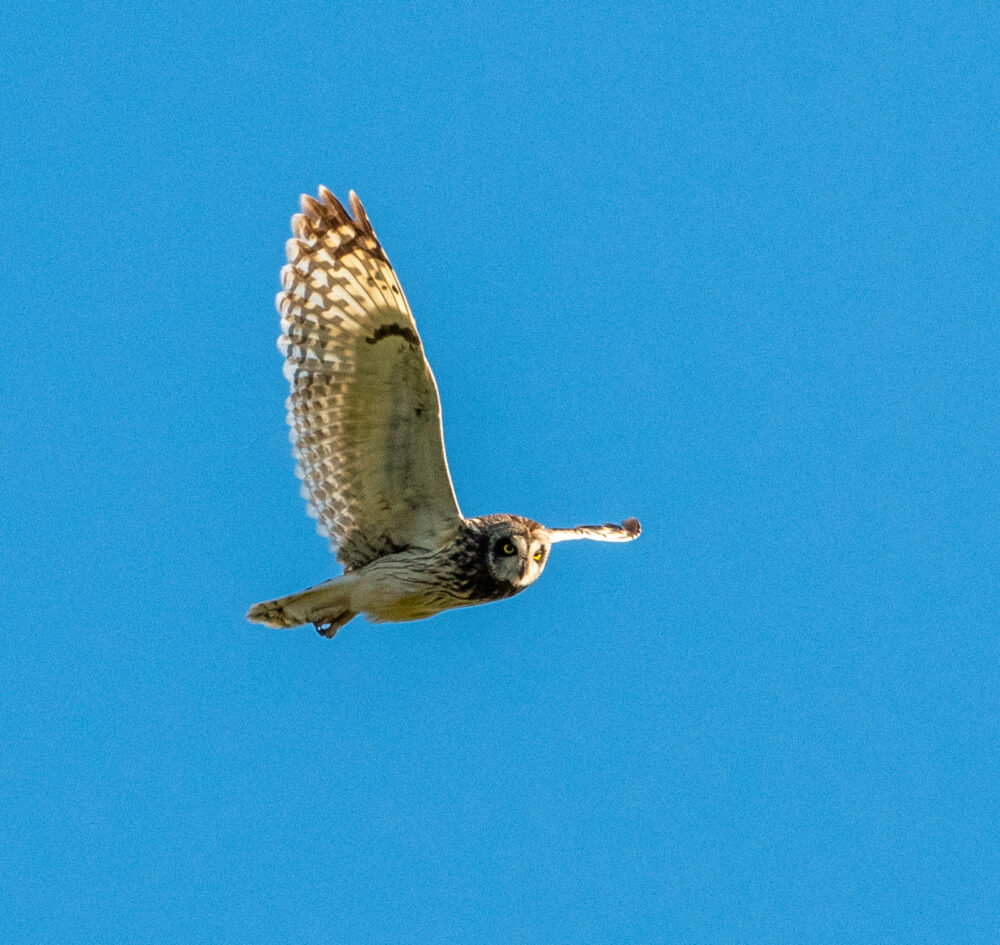
The short-eared owl is often described by enthusiasts and researchers alike as possessing a uniquely "sympathetic" or approachable demeanor. Unlike many of its nocturnal relatives, the short-eared owl is frequently diurnal, hunting in the broad daylight across open marshes, meadows, and coastal heaths.
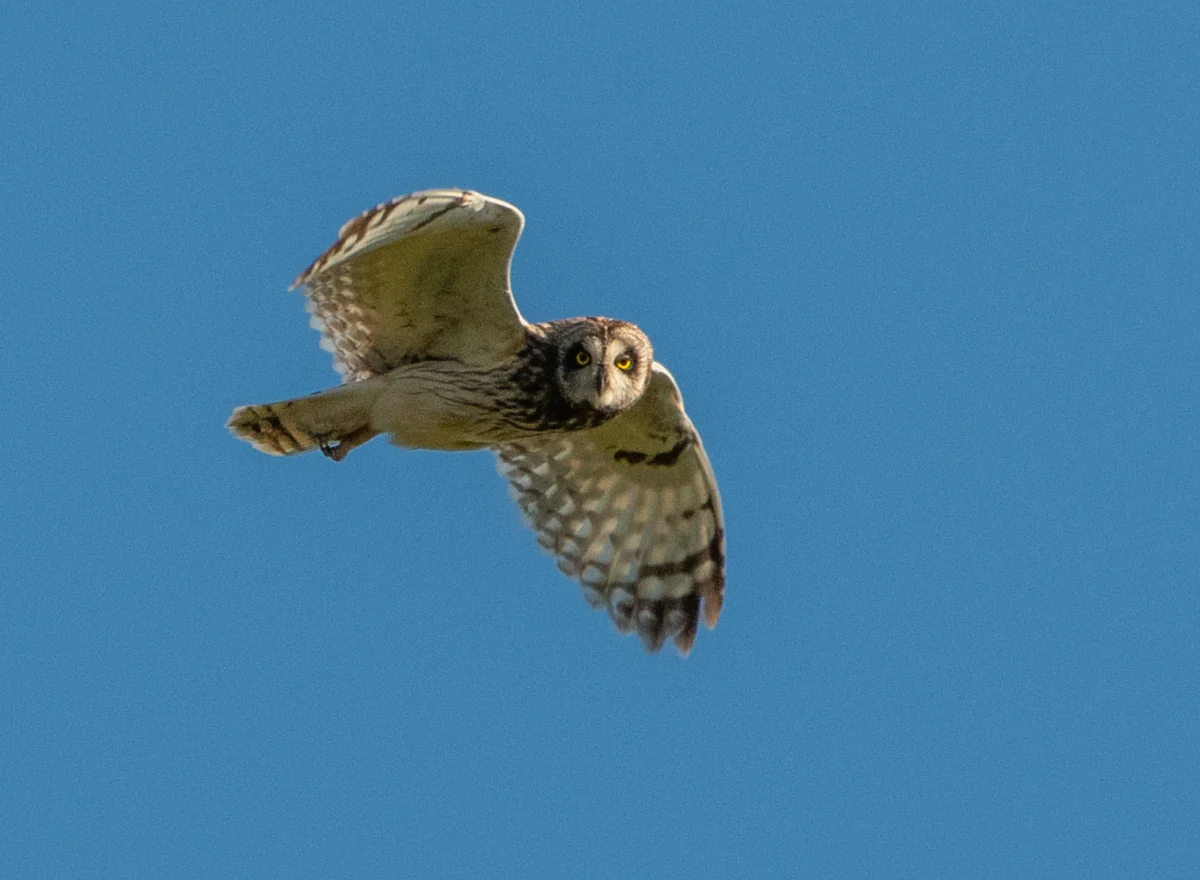
Its physical appearance is unmistakable. When facing an observer, its large, piercing eyes and relatively broad, rounded head give it an expression of intense, quiet curiosity. However, this calm exterior hides a highly efficient predator. When threatened—or when defending a nesting site—the owl undergoes a dramatic shift in behavior, often circling high above the intruder while emitting a series of sharp, vocal alarm calls. These vocalizations are often the only clue an observer has that a "silent" hunter has been nearby all along.
Chronology: Observations from the Varanger Fjord
The 2026 season has been particularly notable for the northern regions. Reports from the Varanger Fjord, specifically around the coastal village of Ekkerøy, indicate a successful breeding season for the species.
- Late July – Early August 2026: During this pivotal window, I conducted multiple observations along the coastal meadows of the Varanger Fjord. The timing coincided with the tail end of the "nightless night," where the constant, soft light of the Arctic summer provided perfect conditions for monitoring avian activity.
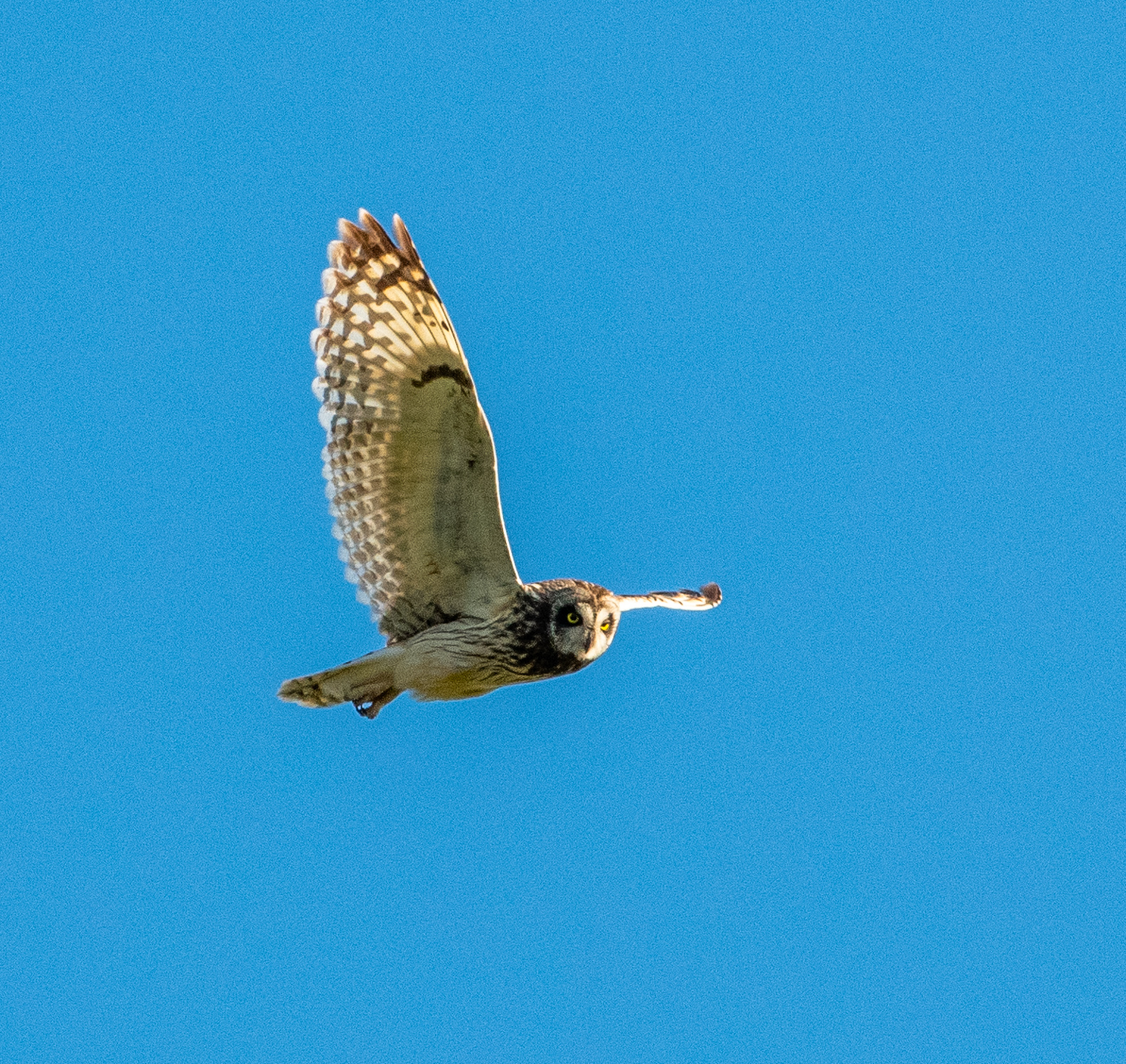
- The Ekkerøy Encounter: While traversing a coastal path in late afternoon, I had the privilege of witnessing a parent owl in flight. The bird’s behavior—frequent vocalization and distinct altitude changes—strongly suggested the presence of a nearby fledgling brood hidden within the thick coastal grasses. Respecting the sensitivity of the nesting period, I withdrew, allowing the parent to return to its protective duties.
- Wider Regional Context: Throughout the summer, anecdotes from local naturalists suggested that rodent populations—the primary food source for Asio flammeus—were higher than average in the North this year. This "lemming year" phenomenon is the primary driver of successful short-eared owl breeding cycles.
Supporting Data: Rodent Cycles and Habitat Dynamics
The life cycle of the short-eared owl is inextricably linked to the population density of voles and lemmings. In ecology, this is referred to as a "boom-and-bust" dynamic. When rodent numbers spike, the short-eared owl population flourishes; when the prey crashes, the owls move on to find more fertile hunting grounds.
The Geography of the Hunt
In Finland, the core of the short-eared owl population is found in the open landscapes of the Ostrobothnian coast. However, they are far from stationary. Their range is vast, covering much of the northern hemisphere.
A particularly illustrative case study took place at Lake Kyyvesi in Haukivuori. During an extended period of observation, I tracked a specific individual that repeatedly crossed the lake, flying along a fixed route. Through careful use of optics, it became clear that the bird was transporting prey to a small, isolated island. This island served as a sanctuary, providing a natural moat of water that protected the nest from terrestrial predators—a brilliant, if simple, evolutionary adaptation to the threats posed by foxes and other ground-dwelling hunters.
Comparative Distribution
While the species is a fixture in the Nordic coastal regions, its status elsewhere is precarious. In the coastal meadows of Estonia, for instance, the short-eared owl is considered a very rare breeding bird, highlighting the species’ preference for specific, undisturbed open habitats that are increasingly fragmented by human development.
Official Responses and Conservation Implications
The conservation of the short-eared owl is not merely a matter of protecting a single species; it is a matter of preserving the integrity of our meadow and marshland ecosystems.
The Fragility of Open Landscapes
Ecologists have long warned that the loss of traditional grazing lands and the encroaching forest line due to climate change are shrinking the habitats required by the short-eared owl. Unlike forest owls, which can adapt to varying densities of timber, the short-eared owl requires vast, unobstructed vistas to hunt effectively.
Recommendations for Management
- Preservation of Coastal Meadows: Agencies involved in land management must prioritize the maintenance of open, low-vegetation areas. The practice of mowing and traditional grazing is vital, as it keeps the vegetation at a height where the owls can spot movement in the undergrowth.
- Disturbance Mitigation: During the breeding season—typically from May through August—recreational traffic in known nesting areas should be restricted. As seen at Ekkerøy, the birds are highly sensitive to human presence, and unnecessary stress can lead to the abandonment of nests or increased vulnerability to predators.
- Cross-Border Monitoring: Because these birds are nomadic, national-level conservation efforts are insufficient. Nordic countries must continue to share data regarding population fluctuations and habitat use to ensure a cohesive strategy across the Barents region and beyond.
The Broader Significance
The short-eared owl is an indicator species. Its presence in our fields and marshes tells us that the food web is healthy and that the rodent cycle is functioning as it should. When we see the silhouette of a short-eared owl against the twilight, we are seeing the resilience of the northern wild.
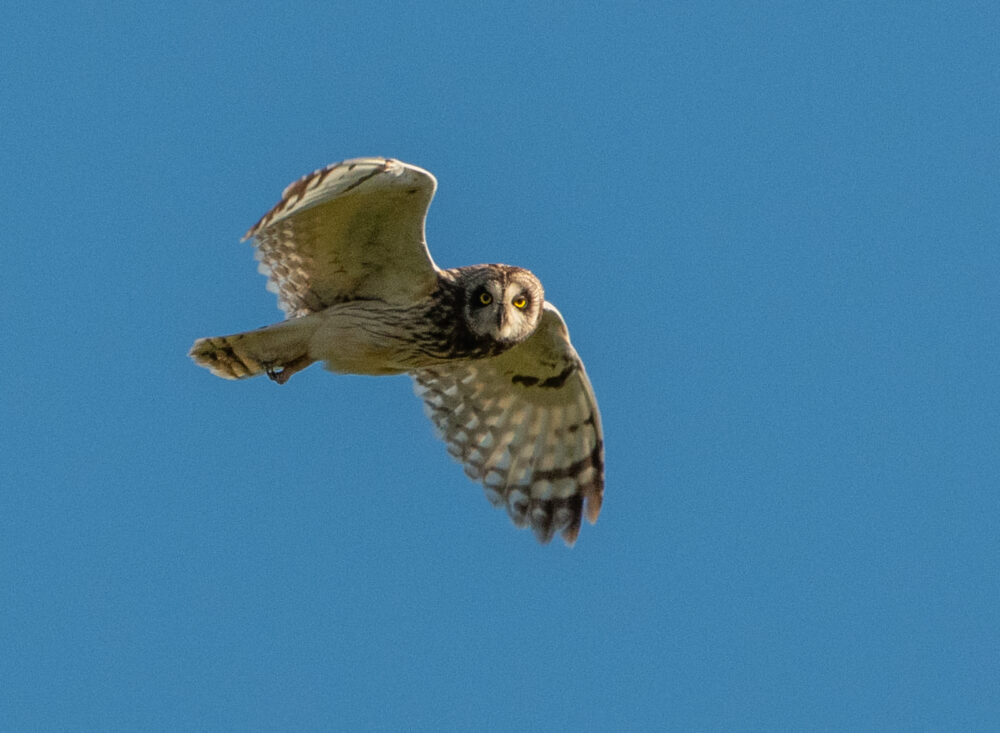
As we look toward the 2027 season, the challenge remains to provide the space these birds need. Whether they are hunting over the coastal fells of Norway or the wetlands of the Finnish interior, their quiet, graceful flight reminds us that nature is not something to be conquered, but something to be observed with patience and respect.
For those interested in supporting this work, the continued documentation of such species through organizations like Suomen Luonto is essential. By tracking these populations, we build the body of knowledge necessary to advocate for the protection of the lands they call home. As the autumn light fades and the owls move further south or into their winter territories, we are left with the memory of a silent hunter, a reminder of the delicate balance that governs life in the North.
Samuli Haapasalo is a researcher and photographer specializing in the avian life of the Nordic regions. His work contributes to the ongoing project "A Year in Nature" (Vuosi luonnossa), dedicated to documenting biodiversity across Northern Europe.