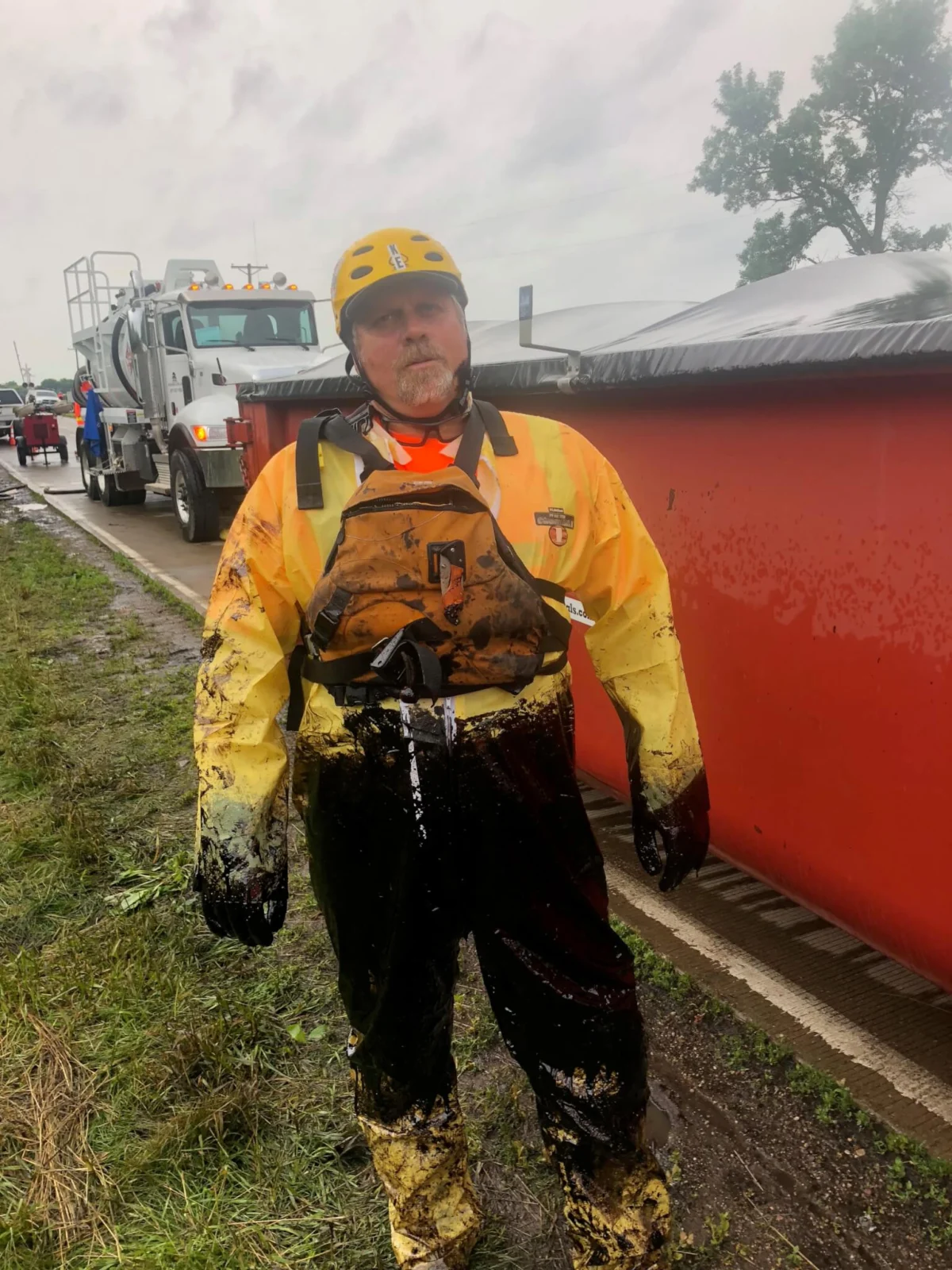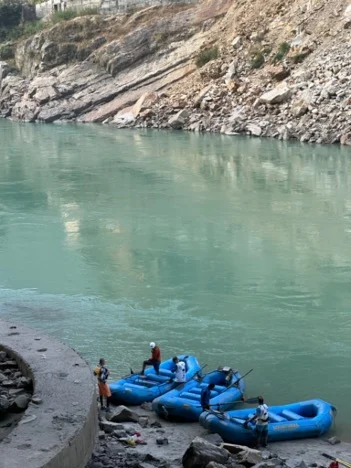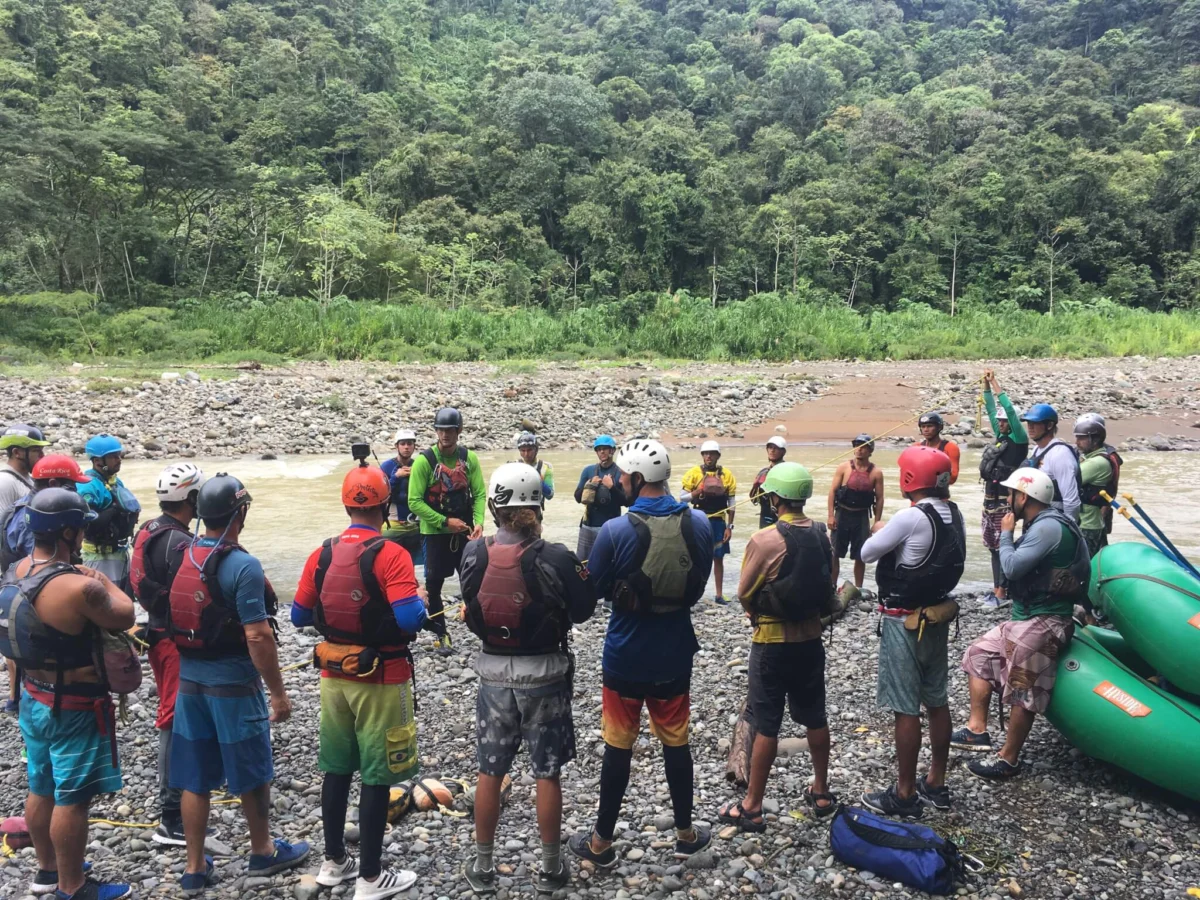
In the rugged, lush corridors of Costa Rica’s river systems, the line between an exhilarating adventure and a life-threatening emergency can be thin. Recognizing this reality, 50 of the country’s most seasoned whitewater rafting guides recently gathered for an intensive five-day Swiftwater Rescue Training program. Led by instructor Paul Heffernan and his team from the Whitewater Rescue Institute, the course served as a vital bridge between local expertise and international safety protocols.
The training, which took place along the pristine and powerful Rio Savegre, focused on the critical intersection of risk management, rapid response, and organizational discipline. As commercial rafting continues to thrive in the region, this initiative highlights a proactive shift toward standardized, high-level emergency preparedness.
Main Facts: The Anatomy of the Training
The curriculum was designed to address the specific challenges faced by river professionals operating in remote, tropical environments. With Costa Rica’s rivers often located in areas where traditional emergency services—such as paramedics or fire rescue—may be hours away, the burden of stabilization and transport falls squarely on the shoulders of the guides themselves.
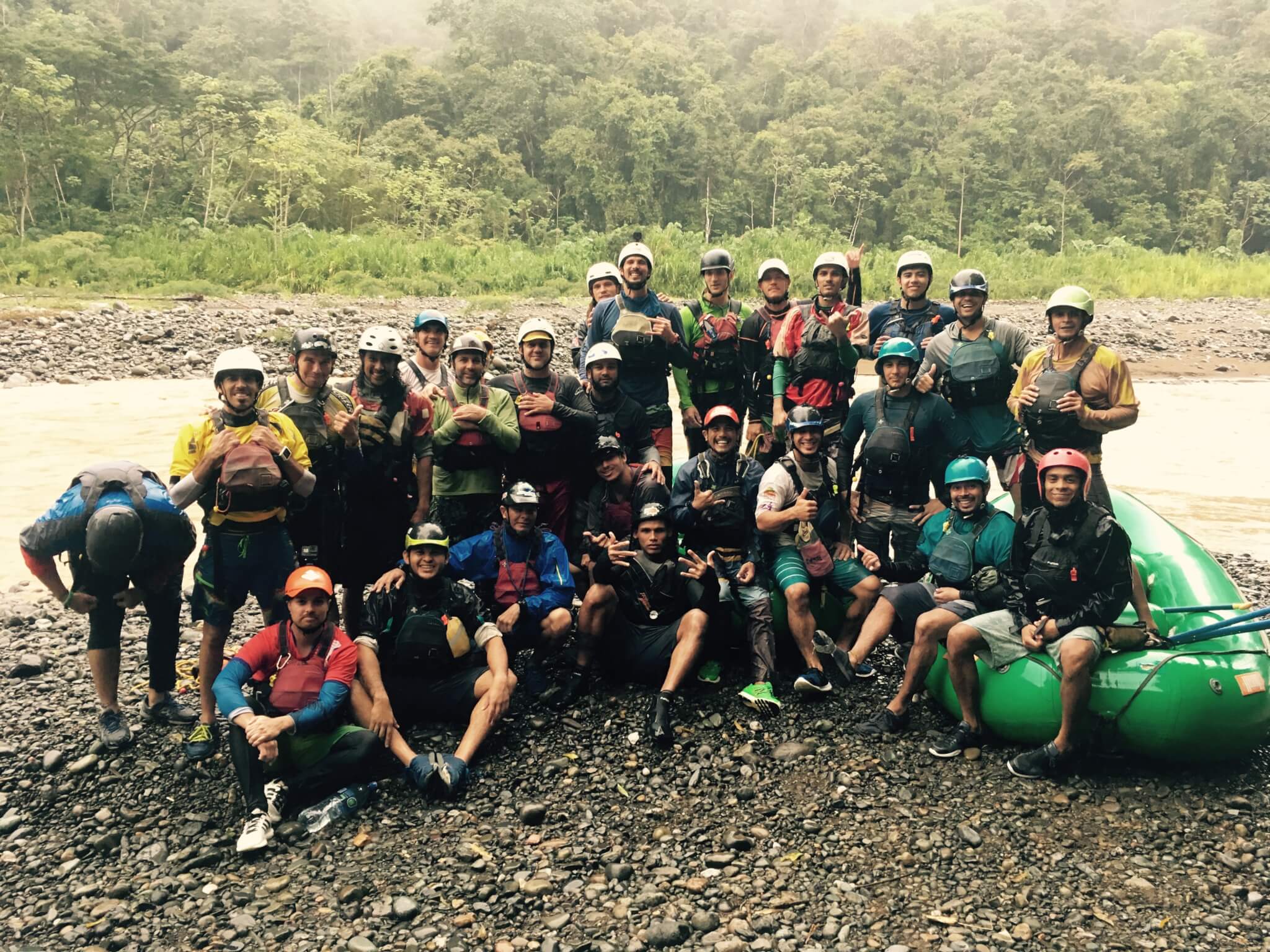
The training covered the four essential pillars of rescue: Locate, Access, Stabilize, and Transport. Participants delved into the physics of hydrology, the maintenance of complex rescue equipment, and the nuances of scene management. By emphasizing that rescue is not merely about pulling someone from the water, but about maintaining the safety of the entire team, the instructors fostered a culture of "preventative rescue."
Chronology: A Five-Day Intensive
The program was structured to move from theoretical foundations to high-stress, real-world simulations.
Phase 1: The Foundation (Quepos)
The course began in the town of Quepos. Here, instructors and guides engaged in deep-dive discussions on the philosophy of river rescue. Topics included incident command structures, the inherent risks of whitewater environments, and the critical importance of pre-trip briefings. This phase established a common language for the guides, who arrived with varying levels of certification, including Wilderness First Responder (WFR) and Emergency Medical Technician (EMT) credentials.

Phase 2: Skills Acquisition (The Rio Savegre)
For the remaining four days, the group transitioned to the Rio Savegre. The initial focus was on the "basics," which in a swiftwater context means mastery of defensive and aggressive swimming, throw-bag accuracy, and shallow-water crossing techniques. Participants practiced these skills in the river’s warm, crystal-clear currents, refining their ability to maneuver in challenging flows.
Phase 3: The Simulation Crucible
The latter half of the training was dominated by increasingly complex scenarios. Guides were required to manage "victims" (played by fellow participants) with simulated injuries, forcing them to integrate medical first aid with technical rope rescue. These exercises tested the guides’ ability to maintain focus, assign roles, and communicate effectively amidst the chaos of a simulated accident.
Supporting Data: The Logistics of Remote Response
The training highlighted several logistical hurdles that define the Costa Rican river experience. Remote locations often lack cellular connectivity, making the traditional "call for help" impossible. Consequently, the instructors placed heavy emphasis on:

- Communication Protocols: Beyond verbal commands, the group reviewed standardized hand and whistle signals essential for maintaining coordination in loud, turbulent water.
- Mechanical Advantage: Intensive workshops on knots, anchors, and Z-drags provided the guides with the technical capability to extract boats and victims from complex pinning situations.
- Scene Containment: Instructors stressed the importance of upstream and downstream "safety teams," a fundamental element of risk management that prevents a secondary incident during an active rescue.
Official Perspectives and Professional Insights
The collaboration between international experts and local guides proved to be a symbiotic exchange of knowledge. Paul Heffernan noted that the Costa Rican guides’ year-round experience on their home rivers gives them an intuitive understanding of hydrology that is difficult to replicate.
"The guides brought a considerable amount of training and experience to the classes," Heffernan observed. "This made it a much more valuable learning experience and opportunity to prepare for worst-case scenarios."
From the guides’ perspective, the training reinforced the necessity of the "Progression of Risk" model: Hello, Reach, Throw, Row, Tow, and Go. This framework forces a rescuer to assess the scene and choose the option with the lowest risk to themselves and the victim, emphasizing that the first priority in any rescue is the safety of the rescuer.

Implications: The Future of River Safety in Costa Rica
The implications of this training extend far beyond the five-day workshop. By fostering a standardized approach to rescue, the participating companies—including Amigos del Rio, Pro Rafting, Unique Tours, and H2O Adventures—are setting a new benchmark for safety in the tourism sector.
A Proactive Risk Management Culture
The primary takeaway for the attendees was the move toward a "preventative" mindset. When a team trains for the worst-case scenario—such as an unconscious victim trapped under a pinned raft—they gain a heightened level of situational awareness. This awareness is the most effective tool in preventing the incident from occurring in the first place.
Strengthening the Incident Command System (ICS)
A critical lesson learned was the difficulty of organization during an actual rescue. The training emphasized the adoption of the Incident Command System, where a clear leader is identified immediately upon the realization that an emergency is unfolding. This hierarchy eliminates the "too many cooks" dilemma, ensuring that every guide on the river knows their specific task, whether it is providing medical aid, managing the boat, or maintaining the downstream safety net.

The Role of Local Logistics
The success of the training was bolstered by the logistical support of the Rafiki Safari Lodge. The involvement of local experts like Loki, Randall, Kenneth, and Allan underscored the importance of community integration. By leveraging local knowledge of river flows and access points alongside international rescue standards, the training ensured that the skills taught were not just theoretically sound, but locally applicable.
Conclusion: A Culture of "Pura Vida" and Professionalism
The training concluded not just with a sense of accomplishment, but with a renewed commitment to the profession. In the context of Costa Rican river culture, where the term "Pura Vida" represents a way of life, this training served to ground that philosophy in a robust, professional framework.
As these 50 guides return to their respective companies, they carry with them more than just technical certifications. They possess a shared lexicon of safety, a refined understanding of group dynamics, and the confidence to lead their clients through the thrilling, and sometimes unpredictable, waters of Costa Rica. By prioritizing training and pre-planning, these professionals have ensured that the future of the Costa Rican whitewater industry remains as safe as it is spectacular.

For the river professionals involved, the message was clear: in the high-stakes world of swiftwater, you are only as strong as your last training session. And as evidenced by the rigorous activity on the Rio Savegre, this community is stronger than ever.