In a significant consolidation move within the European energy sector, French energy giant TotalEnergies has unveiled a two-pronged strategy to reshape its renewable portfolio. The company has announced the acquisition of Shell’s entire European onshore renewables business, while simultaneously divesting a 50% stake in a separate 1.2GW portfolio to an investment vehicle managed by KKR. These moves represent a calculated recalibration of assets, signaling a shift toward high-yield, integrated power generation in key deregulated markets.
Main Facts: The Scope of the Transaction
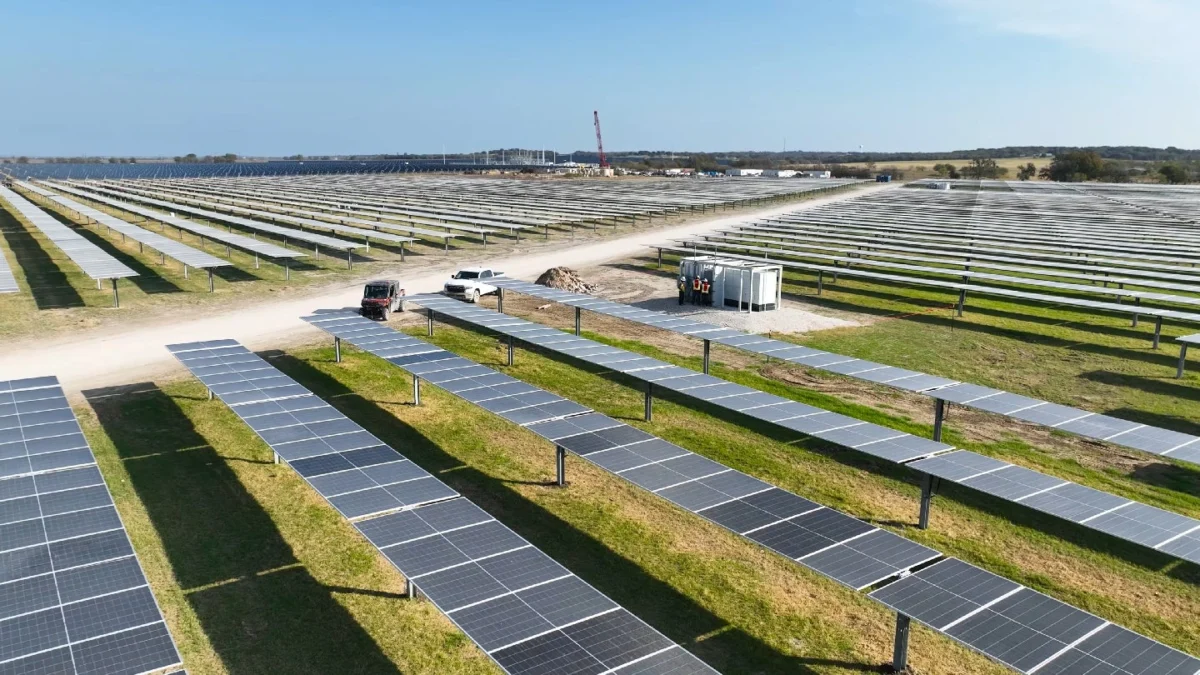
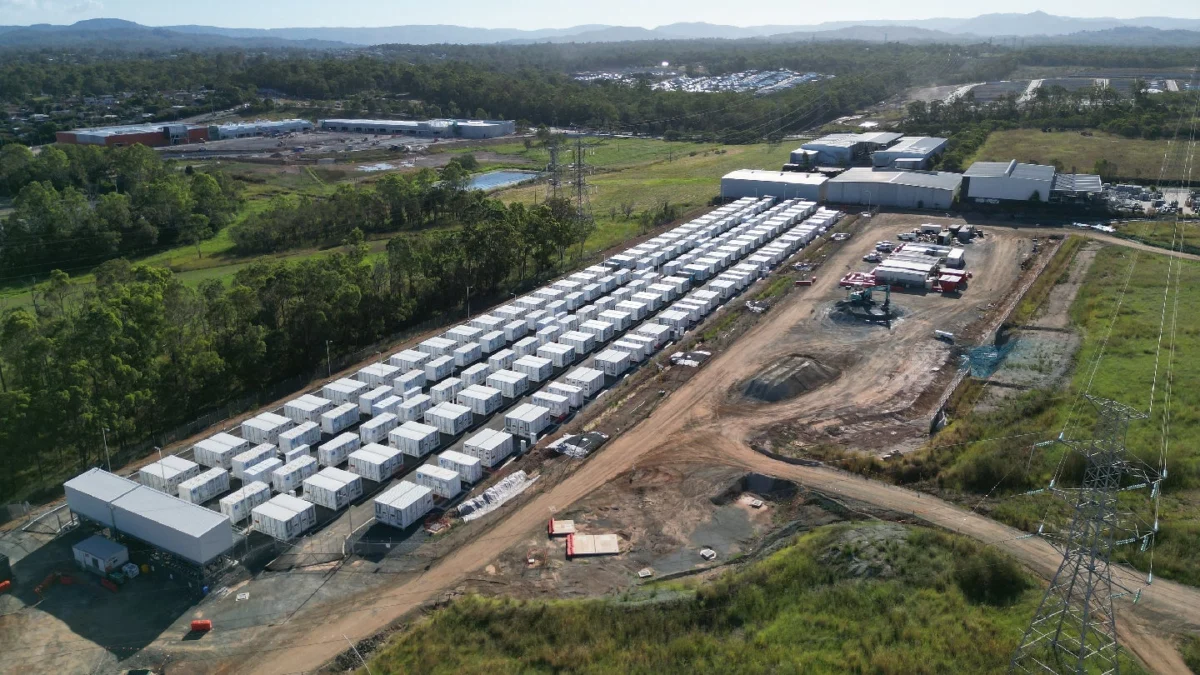
The headline development is TotalEnergies’ acquisition of Shell’s European onshore renewable business. This transaction secures 500MW of operational or under-construction solar and wind projects, primarily concentrated in Italy and the Netherlands. Beyond these immediate assets, the deal grants TotalEnergies a massive 3.5GW development pipeline, encompassing wind, solar, and battery storage projects across Italy, the UK, and Spain. By the time the deal closes, TotalEnergies will hold full ownership of these 4GW of assets.
Simultaneously, TotalEnergies has entered into an agreement to sell a 50% stake in a separate 1.2GW portfolio of solar and wind assets to an insurance account managed by KKR. This portfolio, valued at an enterprise value of €1.8bn ($2.07bn), spans assets in France, Germany, Spain, and Poland. Under this arrangement, TotalEnergies will retain a 50% stake and continue to act as the operator of the assets, while the electricity produced will be sold to third parties or managed through TotalEnergies’ existing power marketing channels. Both transactions are slated for completion by the end of 2026, subject to customary regulatory approvals.
Chronology and Context: The Evolution of European Energy Strategy
The European energy landscape has been defined by rapid transition since the volatility of the 2022 energy crisis. For both Shell and TotalEnergies, the period between 2023 and 2026 has been marked by a transition from "growth at all costs" to "disciplined capital allocation."
The Strategic Pivot
- Early 2025: During its Capital Markets Day, Shell outlined a rigorous strategy to "high-grade" its power portfolio. The company moved to exit markets or technologies where it lacked competitive differentiation, prioritizing instead its strength in asset-backed power trading and customer-centric energy solutions.
- Mid-2026: The current divestment of its European onshore assets marks the culmination of this strategic pivot, as Shell offloads non-core assets to focus on its downstream and integrated gas segments.
- Late 2026 (Projected): Final regulatory approval is expected for both the Shell acquisition and the KKR partnership, solidifying the new footprint for TotalEnergies in the European power market.
Supporting Data: Assessing the Portfolio Impact
The scale of these transactions is substantial, cementing TotalEnergies’ position as a dominant player in the European energy transition.
- TotalEnergies’ Portfolio Growth: Following these transactions, TotalEnergies’ European renewable asset portfolio will stand at nearly 10GW of gross installed capacity or capacity under construction. Furthermore, the company maintains a massive pipeline of 27GW under development.
- Financial Objectives: A key driver for TotalEnergies is the Return on Average Capital Employed (ROACE). The company has publicly committed to reaching a 12% ROACE by 2030 for its "Integrated Power" business. By partnering with KKR for the 1.2GW portfolio, TotalEnergies effectively recycles capital, freeing up cash flow to reinvest in higher-yielding, core projects while maintaining operational control.
- Market Concentration: The acquisition of Shell’s pipeline is strategically geographic. By focusing on Italy, the UK, and Spain—nations with aggressive decarbonization targets and deregulated electricity markets—TotalEnergies is positioning itself to capitalize on the price volatility inherent in these grids.
Official Responses: Perspectives from the Boardrooms
The leadership teams of both companies have framed these transactions as a logical evolution of their respective corporate strategies.
The View from Shell
Machteld de Haan, President of Shell Downstream, Renewables and Energy Solutions, emphasized the necessity of portfolio optimization. "This agreement reflects Shell’s continued focus on actively managing and high-grading our power portfolio in line with the strategy set out at our 2025 Capital Markets Day," de Haan stated. "We are recycling capital and prioritizing areas where we have differentiated capabilities and can create the most value over time, including through asset-backed power trading and customer-focused energy solutions."
The View from TotalEnergies
Stéphane Michel, President of Gas, Renewables and Power at TotalEnergies, highlighted the synergy between these acquisitions and the company’s broader "Integrated Power" strategy. "These two transactions enable us to optimize our capital allocation in renewables while continuing to deploy our integrated strategy," Michel said. He specifically noted that the Shell assets complement the flexible generation capacity of the company’s joint venture with EPH (TTEP), particularly in the UK and Dutch markets.
"With the agreement with KKR, we demonstrate once again our ability to implement our business model in renewables, ensuring our Integrated Power segment reaches its 12% ROACE target by 2030," Michel added.
Implications: What This Means for the Market
The implications of this "swap" are profound for the European energy sector, suggesting three major trends:
1. The Rise of "Capital Recycling"
The model of selling a stake to an institutional investor like KKR while retaining operational control is becoming the industry standard. It allows energy majors to maintain their "green" credentials and operational footprint while keeping their balance sheets lean. This allows them to fund massive capital expenditures without excessive debt, a critical consideration in a high-interest-rate environment.
2. Focus on "Integrated Power"
TotalEnergies is not just buying wind and solar farms; they are building an integrated ecosystem. By pairing their new renewable assets with existing gas-fired power plants (such as those in the TTEP joint venture), they are creating a "baseload-plus-intermittent" energy package. This hybrid approach is increasingly favored by industrial customers who require reliable, 24/7 power that can be balanced during periods of low wind or solar output.
3. Market Consolidation
The exit of Shell from European onshore renewables, and its acquisition by a more specialized player like TotalEnergies, suggests that the market is maturing. The "land grab" phase of the energy transition is ending, replaced by an "operational efficiency" phase. Larger players with the ability to manage complex, multi-asset portfolios across borders are absorbing the assets of firms that are retreating to their core competencies.
Looking Ahead: The Broader Horizon
While these European transactions dominate the current news cycle, they are part of a global, ongoing push by TotalEnergies to diversify. Beyond Europe, the company continues to invest in hybrid renewable energy projects, such as its recent deployment in South Africa. These international ventures, combined with their refined European strategy, underscore a company that is betting heavily on the electrification of the global economy.
As 2026 progresses, the industry will be watching closely to see if other energy majors follow the Shell model of aggressive divestment in non-core renewables. For now, TotalEnergies appears to have successfully navigated a complex series of negotiations that bolsters its portfolio, optimizes its return on capital, and strengthens its grip on the vital European power markets. The success of this strategy will ultimately be judged by the company’s ability to integrate these 4GW of assets effectively while maintaining the financial discipline required to meet its 2030 targets.