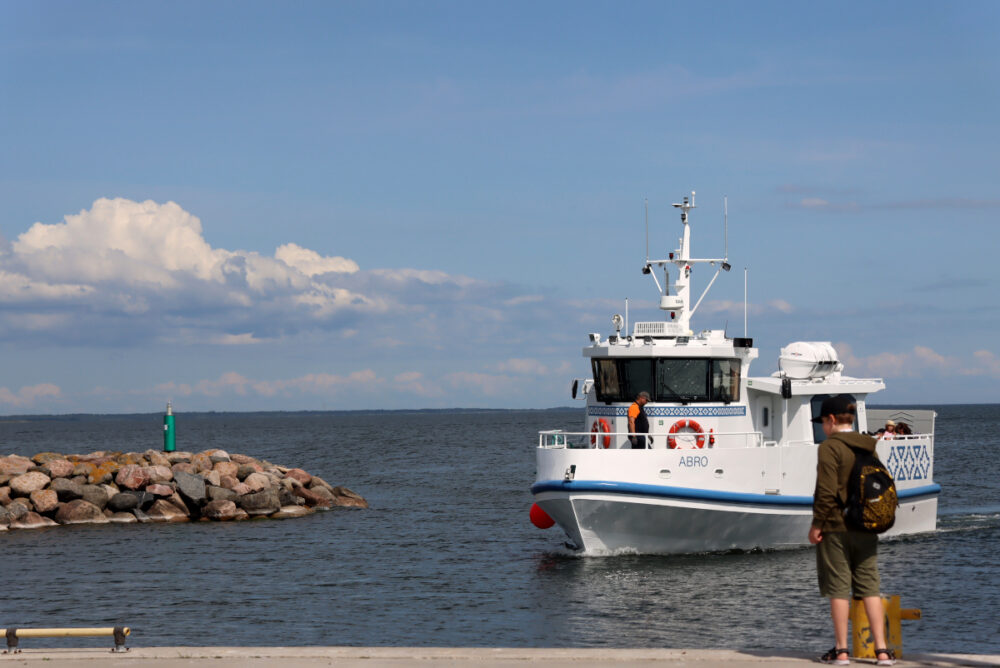
The morning sun beats down on the pavement as we pedal from the bustling heart of Kuressaare toward the Roomassaare harbor. With our bicycles secured on the deck of the local ferry, we set off on a journey that, while lasting only thirty minutes across the Baltic Sea, feels like a voyage into a completely different era.
As the ferry docks at Abruka, the transition is jarring. The frenetic energy of the midsummer tourist season in Kuressaare is replaced by a profound, almost hypnotic, stillness. Abruka is a place where time doesn’t just slow down; it seems to surrender to the rhythms of the island’s ancient forests and the gentle tides of the Baltic.
The Ecological Heart of the Baltic
Abruka, a small island spanning approximately eight square kilometers, is far more than a simple summer stopover. It is a biological sanctuary, anchored by a rare, naturally protected deciduous forest that has stood undisturbed since its conservation designation in 1937.
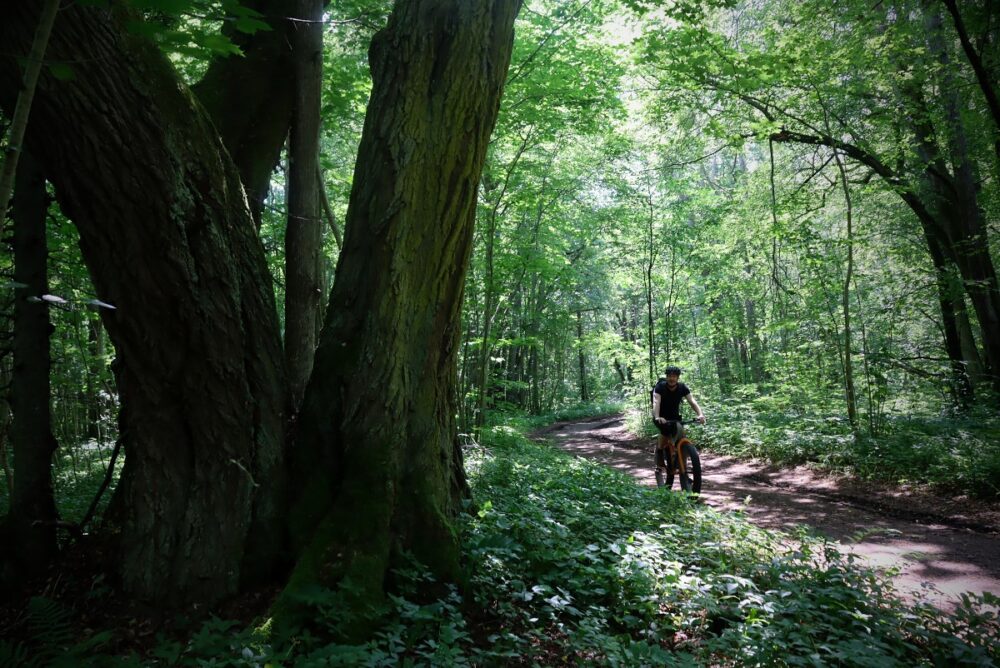
Ecologists and naturalists often describe Abruka’s forest as the northernmost outpost of the Central European broad-leaved forest belt. Stepping into this woodland is akin to stepping into a fairy tale. Massive, sturdy trunks of oak and linden are draped in thick carpets of ivy, creating a dense, verdant canopy that filters the harsh summer light into a soft, dappled glow. For a cyclist, the sandy tracks that wind through this deep shade provide an idyllic retreat from the heat of the July sun.
A Chronology of Exploration: From Village Life to the Sea
Our journey through the island was a carefully paced exploration of its diverse habitats and historical footprints.
Morning: The Verdant Interior
After disembarking, we set our sights on the southern tip of the island. The ride begins in the village—a sleepy, charming collection of a few dozen houses that reflect a way of life deeply tied to the land and sea. We moved quickly through the center, drawn by the pull of the ancient forest. The contrast between the open, sun-baked village paths and the cool, humid microclimate of the protected woodland is stark. Here, the flora is lush, and the air carries the scent of damp earth and blooming linden.
Midday: The Coastal Pastures
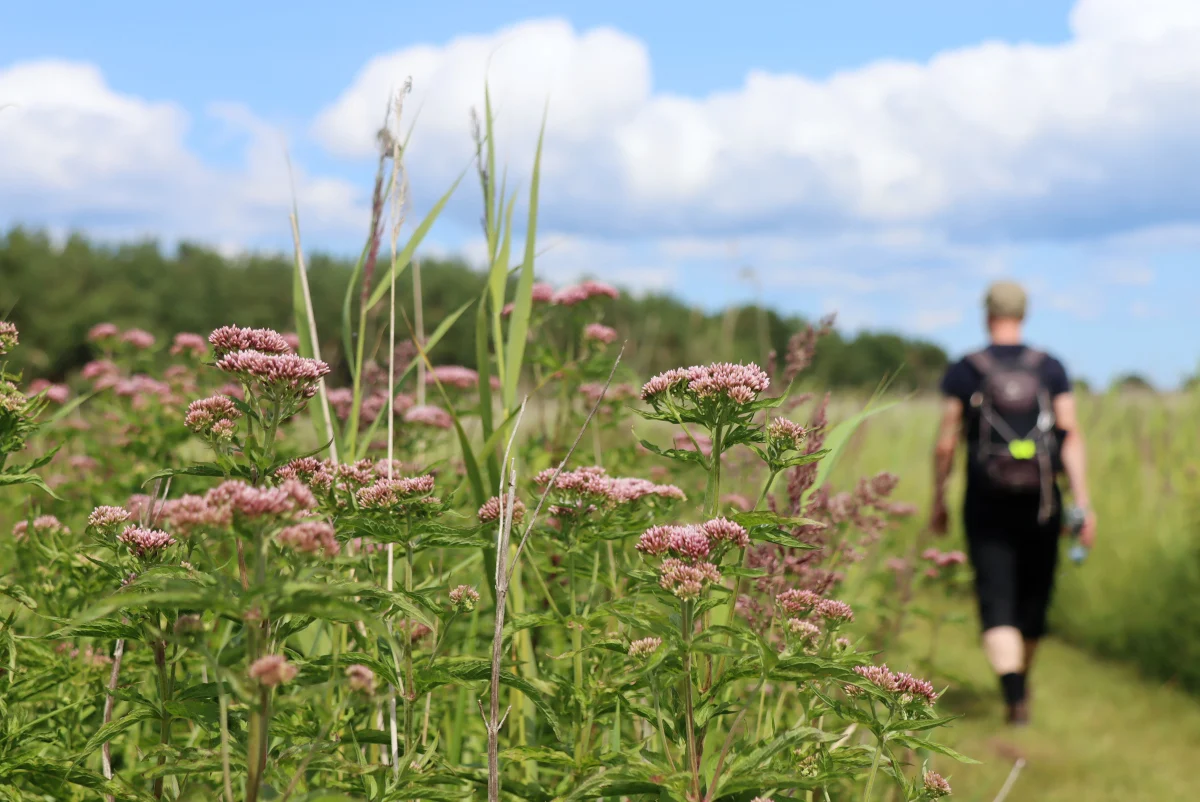
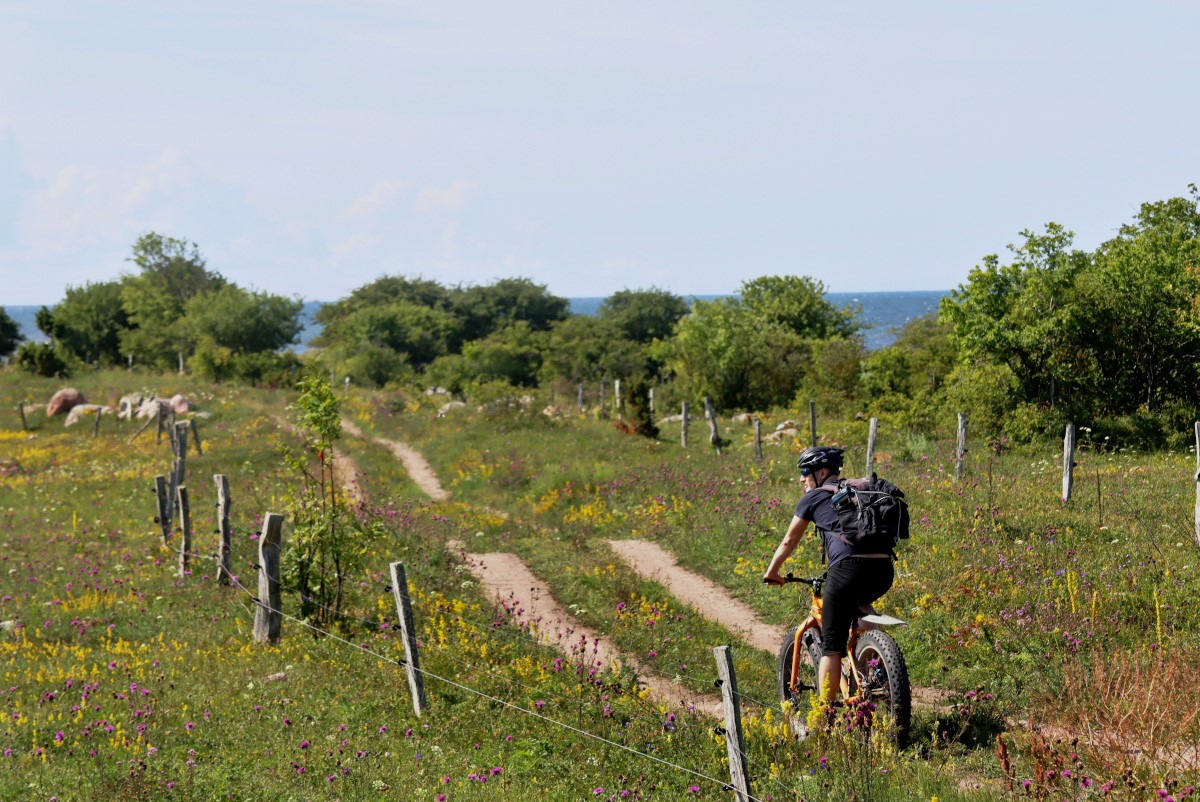
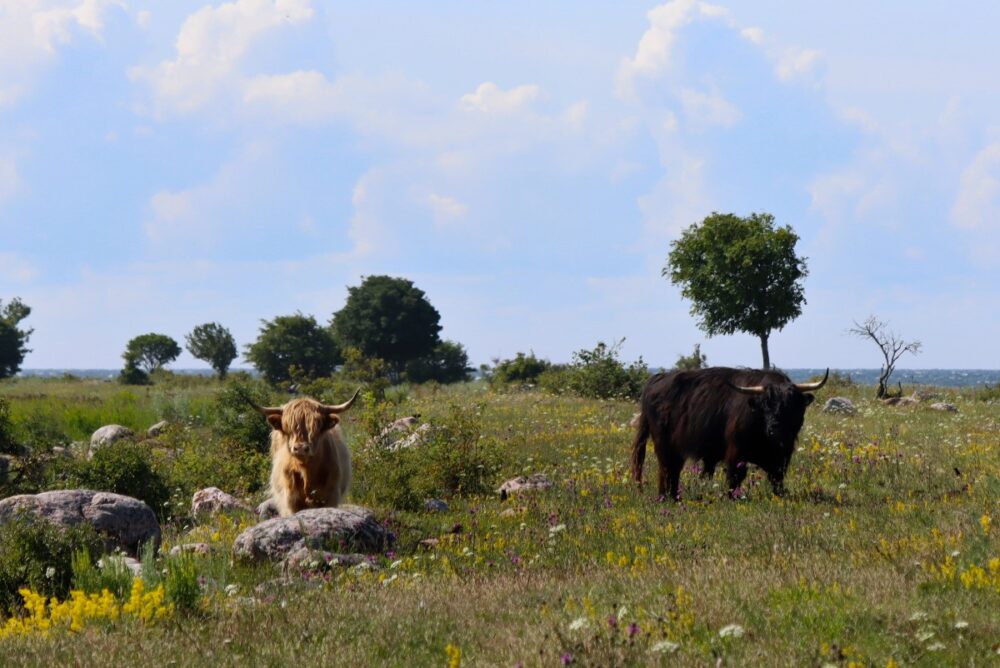
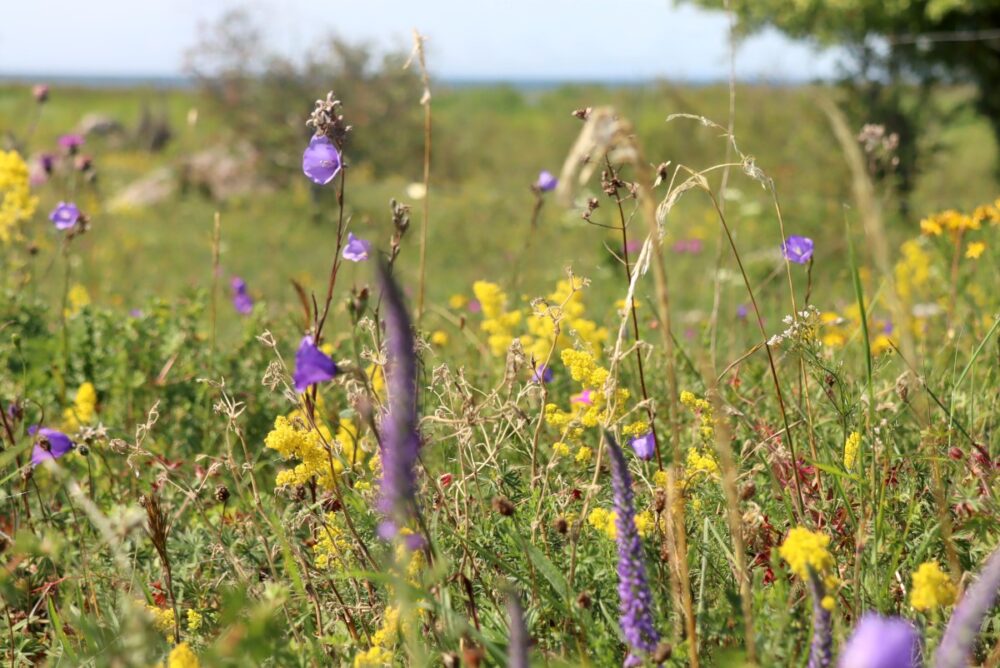
Emerging from the forest, we reached the southern coast, where the landscape opens into sweeping, flower-filled meadows. These coastal pastures are maintained by the presence of Highland cattle, whose grazing keeps the vegetation in check, allowing for a spectacular display of biodiversity.
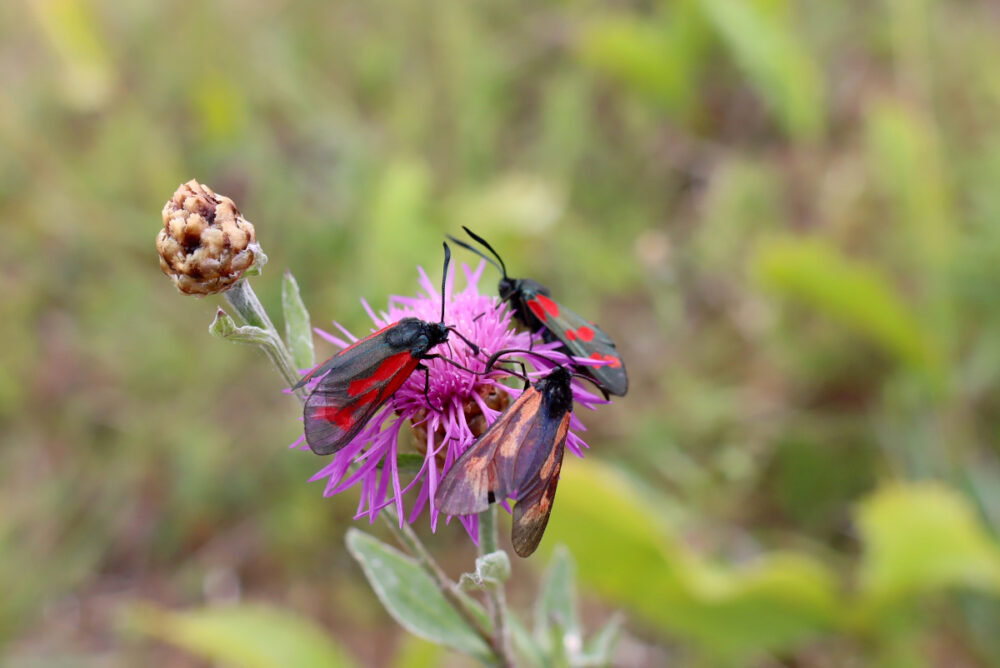
The meadow was a riot of color: blue harebells, yellow bedstraw, knapweeds, and the striking red of the blood-red geraniums. The sheer density of the flora was matched only by the abundance of butterflies. We were particularly struck by the "virnapunatäplä" (the Zygaena viciae, or Vetch Burnet moth), whose vibrant black and crimson wings were visible on nearly every stem.
Afternoon: The Wading Trail to Vahase
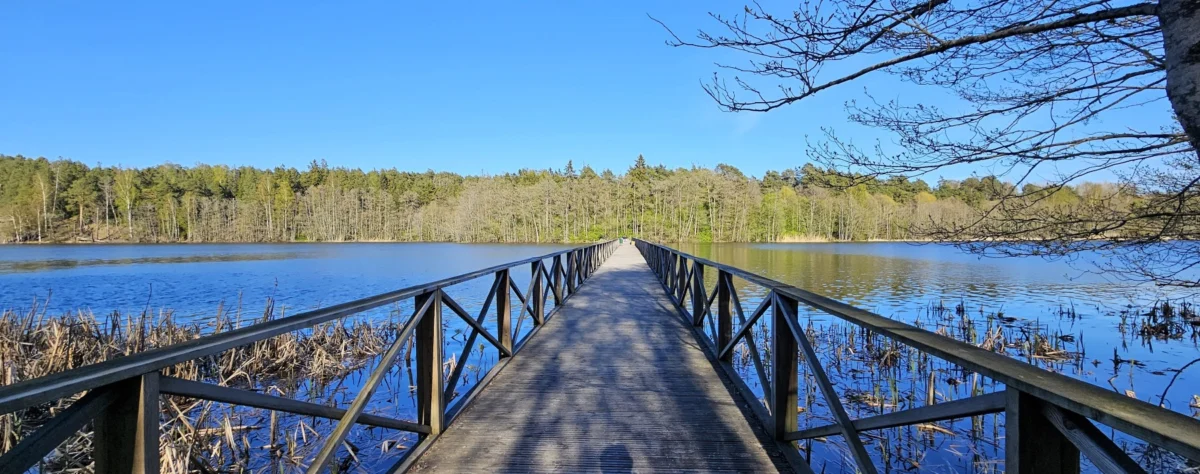
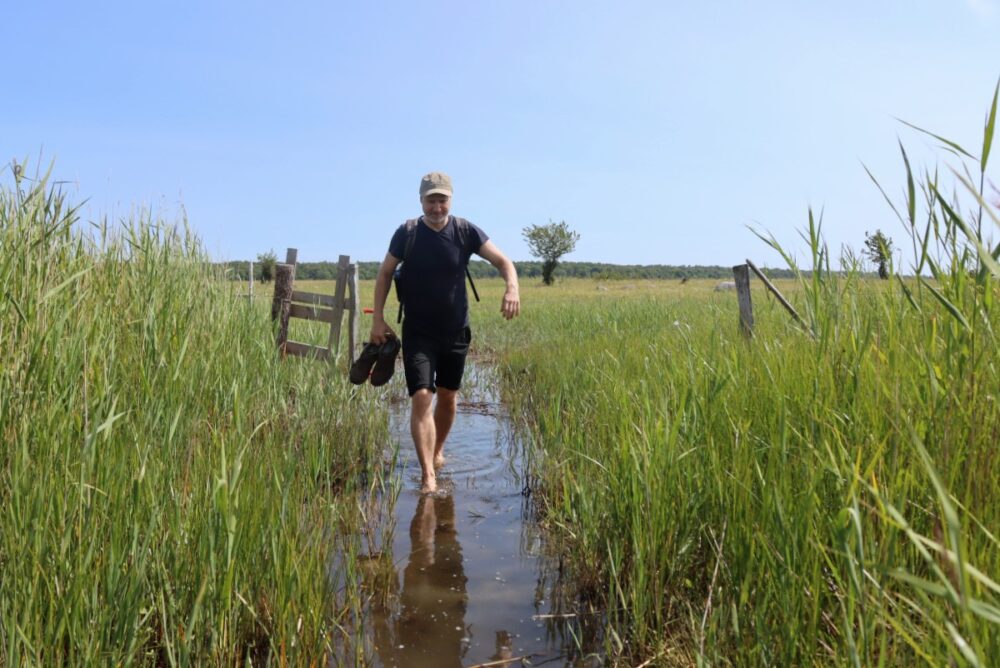
Perhaps the most memorable leg of our journey was the trek to the neighboring islet of Vahase. We parked our bikes at the edge of the grazing lands and continued on foot. Local lore and maps point to a marked wading route—a narrow, shallow crossing that reveals itself only at low tide.
The initial section through the reeds was testing, as the stalks were sharp and required careful footing. However, the reward was a 300-meter stretch of crystal-clear water and firm sandy bottom. Wading through the Baltic with the water reaching our mid-thighs provided the perfect reprieve from the summer heat. While we did not have the time to traverse the entirety of Vahase, we did reach the island’s famous glacial erratics—massive, ancient boulders that have become cultural monuments in Estonia, some even equipped with ladders for visitors to climb and gain a panoramic view of the surrounding archipelago.
Supporting Data: The Biological Significance of Abruka
The preservation of Abruka is not merely an aesthetic choice; it is a critical scientific endeavor. The island serves as a laboratory for the study of Central European flora in a northern climate.
- Biodiversity Metrics: The island hosts a variety of protected plant species that are rare in the northern Baltic region.
- Historical Preservation: The local museum on the island serves as a repository for the cultural history of the region, documenting centuries of fishing traditions, isolated island living, and the resilience of the local community.
- The Vahase Connection: The land bridge to Vahase is a dynamic feature of the ecosystem, illustrating the shifting topography of the Estonian coastline, heavily influenced by seasonal water levels and glacial history.
Perspectives on Island Conservation
While the island remains a popular destination for nature enthusiasts, the challenge for local authorities is maintaining the balance between tourism and ecological integrity.
"Abruka represents a fragile intersection of human heritage and pristine nature," notes local historical society members. The museum, while small, provides essential context for visitors, emphasizing that the island is not just a park, but a living, breathing community. Efforts to keep the trails maintained and the grazing pastures managed are essential to preventing the encroachment of invasive brush and ensuring the continued survival of the island’s unique botanical profile.
Implications: Why Abruka Matters
The allure of Abruka lies in its ability to disconnect the visitor from the digital, high-speed world. It is a reminder of the importance of "slow travel."
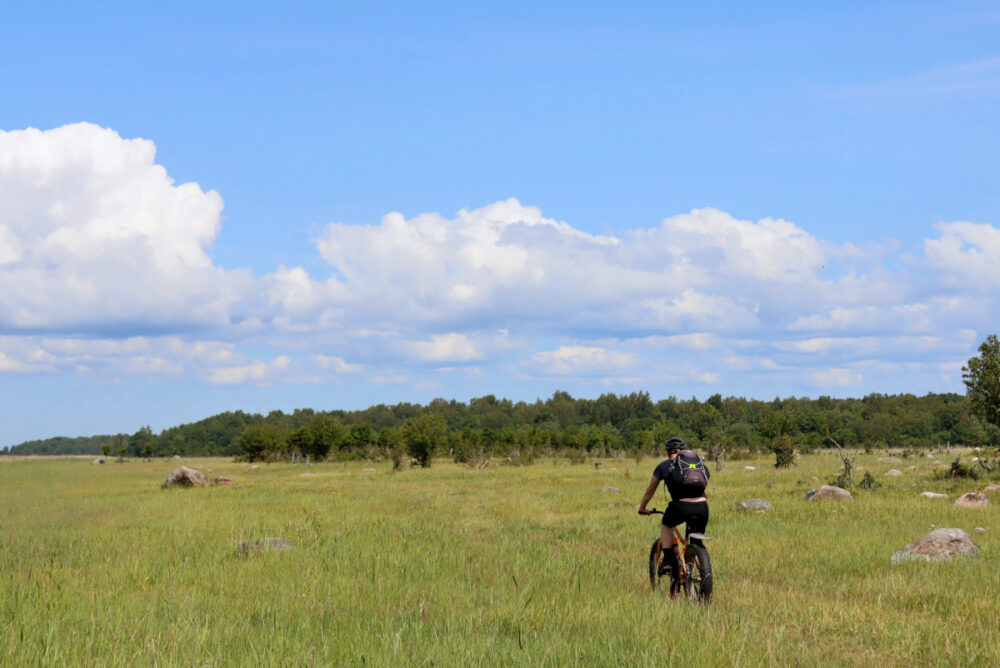
- Sustainable Tourism: By encouraging cycling and foot travel, the island naturally limits the carbon footprint of its visitors.
- Educational Value: For those interested in botany, history, or the simple art of observation, the island provides a density of experience that is rare.
- Future Accessibility: As climate patterns shift, low-lying areas like the wading path to Vahase may become less predictable. Documenting these routes is not just for tourists—it is part of the ongoing record of the Baltic’s changing geography.
Reflections on a Return Trip
As the day waned, we circled back to the village, stopping briefly at the lighthouse—a silent sentry overlooking the tranquil waters. The realization hit us as we waited for the return ferry: eight square kilometers of land had managed to occupy our entire day, yet we had only scratched the surface.
Abruka is not a place you visit to "check off" a list of attractions. It is a place you visit to observe the delicate interplay of light, water, and life. We departed with our legs tired from the pedals and our minds cleared by the sea air, knowing with absolute certainty that this was not a one-time visit. The island, with its ancient forests and hidden paths, demands a return.
For the modern traveler, Abruka offers a rare, essential commodity: the opportunity to be still, to listen to the wind in the linden trees, and to appreciate the quiet, resilient beauty of the Baltic. Whether you are a cyclist, a botanist, or simply someone looking to escape the noise of the mainland, Abruka serves as a poignant reminder that some of the most profound journeys are the ones that take us back to the basics of the natural world.