In a seismic shift for the Winter Olympic movement, the International Olympic Committee (IOC) has officially finalized the sport program for the 2030 Winter Games in the French Alps. The most notable casualty of this reorganization is Nordic Combined, a discipline that has been a cornerstone of the Winter Olympics since their inception in 1924.
The decision, confirmed by the IOC Executive Board, marks the end of a century-long Olympic tradition for the sport, which combines cross-country skiing and ski jumping. Simultaneously, the IOC has signaled a push toward modernization by introducing new disciplines, including the debut of "Synchro 9"—a nine-person team version of synchronized skating—and the inclusion of free-skiing and snowboarding variations.
This restructuring is the first major implementation of the IOC’s "Fit for the Future" strategy, a long-term initiative spearheaded by IOC President Kirsty Coventry to ensure the Games remain relevant, sustainable, and economically viable in a rapidly changing sporting landscape.
Chronology: From Chamonix to the French Alps
The history of Nordic Combined at the Olympic level is nearly synonymous with the Winter Games themselves.
- 1924 (Chamonix): Nordic Combined makes its debut at the first-ever Winter Olympic Games. It is immediately established as a test of the "complete skier," requiring both the explosive power of ski jumping and the aerobic endurance of cross-country skiing.
- 1924–2026: For over 100 years, the sport remained a constant, surviving shifts in equipment, technique, and global politics. It cemented itself as a traditional highlight of the Winter program.
- June 2026: The IOC General Assembly approves a new, more transparent methodology for determining the Olympic program, emphasizing global popularity, athlete participation quotas, and cost-efficiency.
- May 2027 (Projected): Final preparations for the 2030 program reach their culmination, as the Executive Board moves to prune legacy events to make room for youth-oriented and gender-balanced disciplines.
- 2030 (French Alps): The Olympic program officially enters a new era, with Nordic Combined absent from the schedule for the first time in history.
Supporting Data: Why the IOC Moved to Cut Nordic Combined
The decision to exclude Nordic Combined was not taken lightly, but it reflects the cold, hard metrics now used by the IOC to evaluate Olympic sports. According to the criteria established under the "Fit for the Future" framework, sports are evaluated based on:
- Global Participation: The sport must demonstrate a robust and expanding footprint across multiple continents. Nordic Combined has historically struggled to grow beyond a core group of Central and Northern European nations.
- Gender Parity: The IOC has mandated that all new sports must offer equal opportunities for both men and women. While efforts were made to integrate women’s Nordic Combined, the lack of depth in the field and the logistical burden of adding a new category ultimately weighed against the sport.
- Cost-Efficiency and Infrastructure: Nordic Combined requires two distinct, highly specialized venues. In an era where the IOC is prioritizing the use of existing facilities to minimize the environmental and financial footprint of the Games, the resource-heavy nature of the sport was deemed a disadvantage.
- Television and Digital Engagement: The IOC utilizes data on viewership and digital interaction to determine if a sport engages a younger, global audience. Nordic Combined has seen declining interest in key markets, making it a target for displacement.
Official Responses: Disappointment and Strategic Shifts
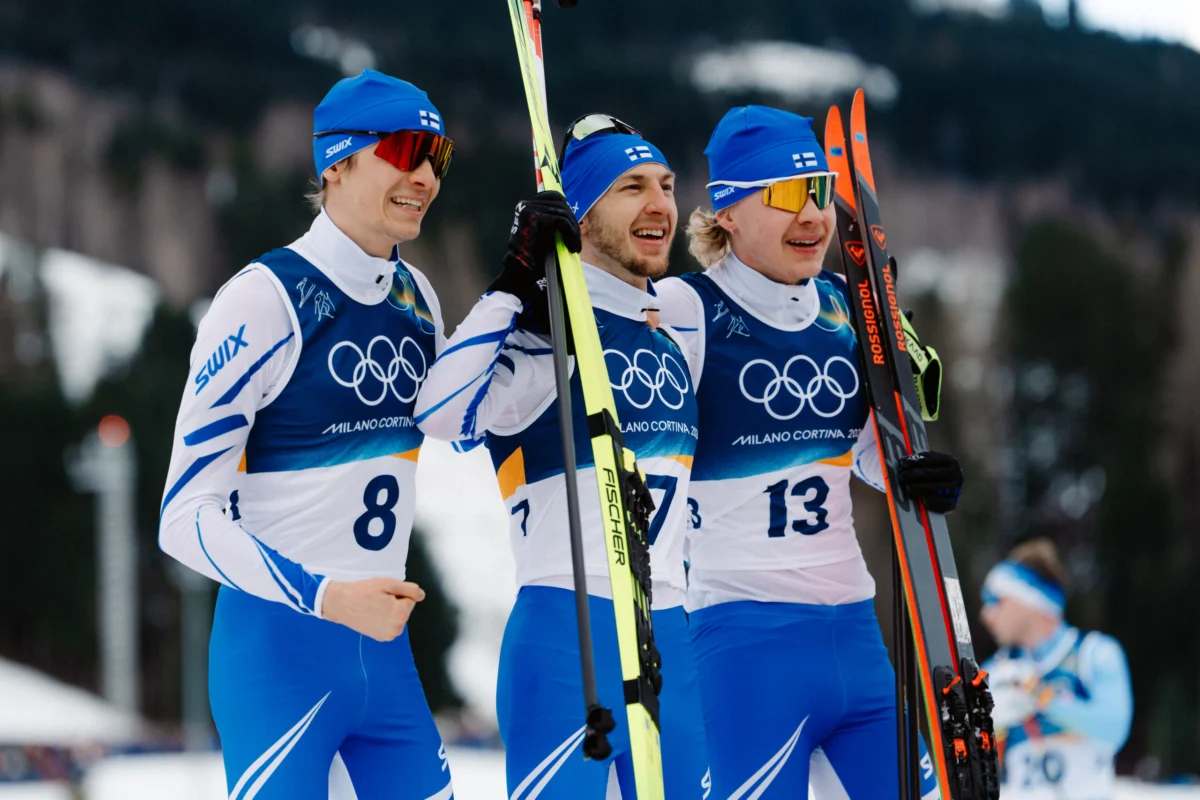
The decision has sent shockwaves through the sporting world, particularly in nations like Finland, Norway, and Germany, where Nordic Combined is considered a national treasure.
The View from Helsinki
Janne Hänninen, the High-Performance Director of the Finnish Olympic Committee, expressed profound disappointment regarding the IOC’s ruling.
"The decision is a significant blow to us," Hänninen stated. "Nordic Combined is one of the most traditional and prestigious sports in the Winter Olympics. Finland has a remarkably strong history in this discipline, and we feel the sport’s legacy is being undervalued. It is particularly disheartening that women, who have been fighting for their place on this stage, have been denied the opportunity to compete at the 2030 Games."
Hänninen emphasized that despite the Olympic exclusion, the Finnish federation remains committed to the sport. "An Olympic status is important, but a single decision does not define the inherent value of Nordic Combined. The sport possesses a deep history, world-class athletes, and a passionate community. We believe in the future of the sport and will continue our work with the International Ski Federation (FIS) to ensure its vitality."
A New Chapter for Skating: Synchro 9
While the news regarding Nordic Combined is somber, the introduction of "Synchro 9" has been met with enthusiasm by the skating community. This discipline, derived from synchronized skating, involves a team of nine skaters performing complex, high-speed maneuvers in unison.
"While we are disappointed about Nordic Combined, we are simultaneously very happy that Synchro 9 has achieved Olympic status," Hänninen noted. "Finland has a strong international position and a long, successful history in team skating. We look forward to the first Olympic competitions and are ready to support its development in cooperation with the Finnish Figure Skating Association."
Implications: The "Fit for the Future" Reality
The removal of Nordic Combined is a clear indicator that no sport, regardless of its historical significance, is immune to the pressures of modern Olympic governance. The "Fit for the Future" strategy is designed to make the Games more flexible, allowing the IOC to rotate sports in and out of the program based on contemporary relevance.
Impact on Global Development
For smaller federations, the loss of Olympic status can be catastrophic. Funding for many winter sports programs is tied directly to Olympic performance and the prestige associated with the Games. Without the "Olympic" label, national federations may face budget cuts from government sports ministries, leading to a potential talent drain as athletes pivot to sports that remain in the Olympic spotlight.
The Future of Multi-Disciplinary Sports
Nordic Combined’s removal raises questions about other traditional sports that rely on niche infrastructure. The IOC’s focus on "urban" sports, such as those seen in the Summer Olympics (e.g., breaking, skateboarding), suggests that the Winter Games may also lean toward more accessible, youth-oriented events in the coming decades.
A Call for Reform
The international sporting community is now faced with a crossroads. Critics of the IOC’s decision argue that by removing historic sports, the Olympics lose their soul and connection to the heritage of the movement. Proponents, however, argue that the Games must evolve to survive. As the IOC moves forward, the pressure will be on smaller sports to demonstrate not just their history, but their current ability to inspire a new generation of fans and athletes globally.
Conclusion: Looking Ahead
As the world prepares for the 2030 French Alps Winter Games, the landscape will look fundamentally different. The absence of the traditional "King of the Skiers"—the Nordic Combined athlete—will be felt by purists, but the inclusion of Synchro 9 and new free-skiing events promises a dynamic, high-energy spectacle.
The Finnish Olympic Committee and their peers across the globe now face a period of recalibration. While the Olympic rings may not be on the jerseys of Nordic Combined athletes in 2030, the community remains undeterred. As Janne Hänninen noted, the value of a sport is found in its athletes and its fans, not solely in its institutional recognition.
The path forward for the Winter Olympics is clear: transparency, gender equality, and global reach. Whether this evolution will strengthen the movement or erode its historical foundation remains a subject of intense debate, but one thing is certain: the 2030 Games will be a transformative chapter in the history of winter sports.
Background Note: The International Olympic Committee (IOC) holds sole authority over the Olympic program. The Finnish Olympic Committee is not an IOC member and does not participate in the decision-making process regarding the inclusion or exclusion of specific sports.