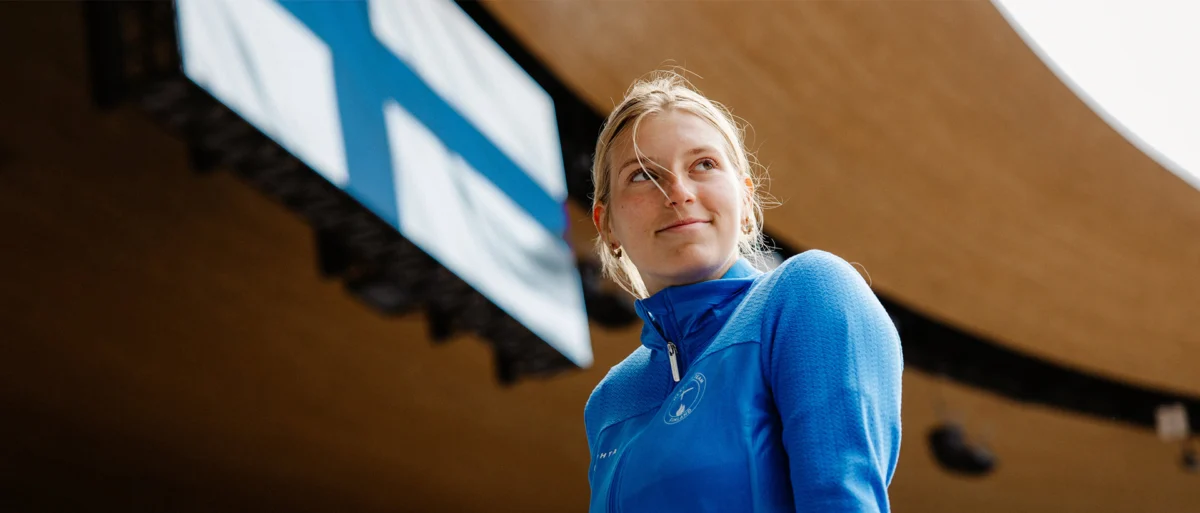
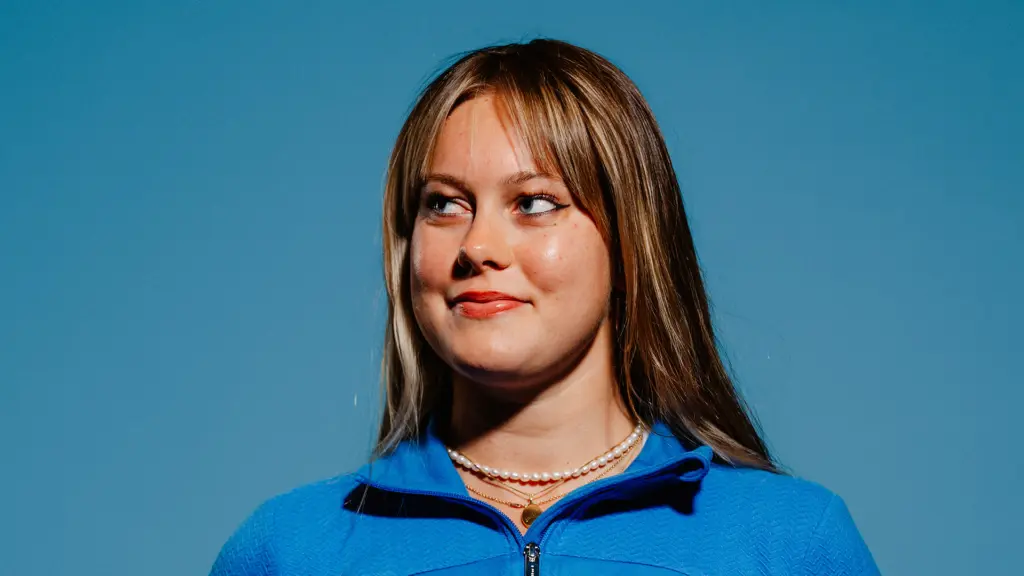
In the quiet, chlorinated stillness of the Leppävaara swimming pool, beneath the grey, low-pressure clouds of a typical Finnish morning, one figure cuts through the water with rhythmic, relentless precision. Louna Kasvio is not merely training; she is sculpting a legacy. As she reaches the end of her two-hour morning session, her hand strikes the tile with a practiced snap. She surfaces, eyes scanning the wall clock, a faint, focused smile playing on her lips.
"Excuse me, could you move slightly? I need to see the clock," she laughs. "I’m not quite done yet."
For Kasvio, 20, this is the daily rhythm of a professional athlete operating at the edge of human endurance. She is, for all intents and purposes, the solitary star of Finnish open-water swimming—a discipline that demands not just physical stamina, but a psychological fortitude that sets her apart from her peers in the pool.
The Brutal Arithmetic of Professionalism
To understand Louna Kasvio is to understand the staggering volume of her daily existence. Her life is measured in kilometers, heart-rate zones, and recovery windows. Her current regimen is nothing short of monastic: 80 to 100 kilometers of swimming per week, supplemented by three intensive strength sessions and four dry-land aerobic workouts. In total, she logs between 30 and 35 hours of high-intensity training every week.
"This is my life now," Kasvio says, drying off after another grueling set. "It’s a full-time, professional commitment. There is no ‘off’ switch. Every minute outside of the water is dedicated to recovery or preparing for the next push."
When asked about the source of her motivation, she is remarkably grounded. "I love everything about it. The training, the racing, the lifestyle of an athlete. It’s a natural choice for me; I’ve never questioned it. It comes from within, from a genuine desire to see how far I can go."
A Four-Generation Legacy
Louna Kasvio is the latest bearer of Finland’s most storied aquatic surname, yet she is determined to define her career through her own merit rather than the shadow of her predecessors. Her father and coach, Antti Kasvio, is a freestyle World Champion, European Champion, and Olympic bronze medalist. Her grandfather, Matti Kasvio, represented Finland at the 1964 Olympics, while her grandmother, Ulla Patrikka, competed in the 1968 Games. The lineage extends even further, including Eino and Rauha Patrikka, who were national-level swimmers, and the family patriarch, Taisto Kasvio, a former national team coach.
Despite this pedigree, Louna has already achieved something none of her ancestors managed: she is the first Finnish open-water swimmer to reach consistent international success.
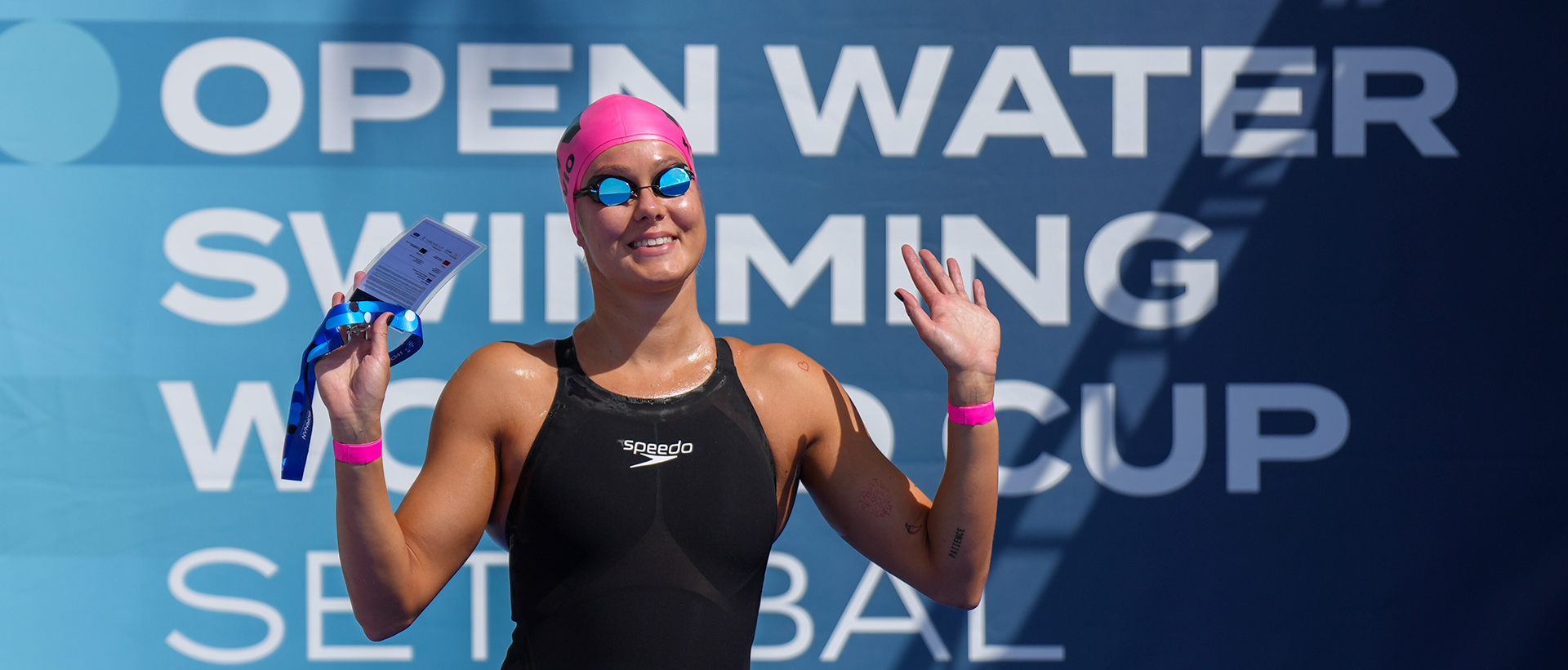
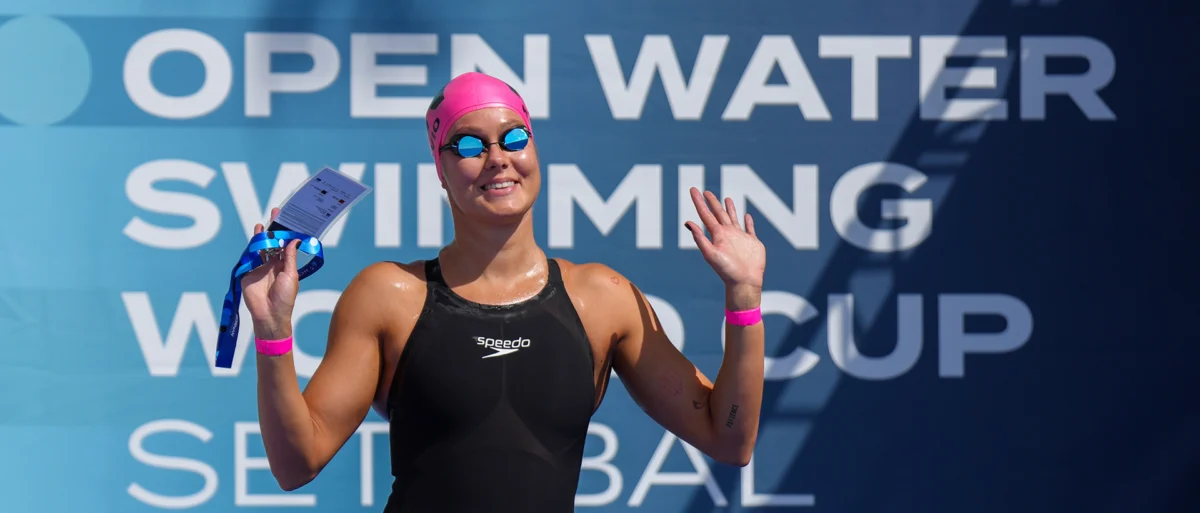
"When I was younger, it was frustrating to be constantly compared to my father or my grandparents," Louna admits. "I decided early on that I wanted to carve out my own career and earn my own results. I don’t carry the weight of the family history; I look forward to my own future."
From the Pool Lane to the Open Sea
Kasvio’s path to the top was not a predetermined destiny. While she learned to swim before the age of three, it took years for the competitive fire to ignite. A turning point occurred in the first grade when she won a 25-meter school competition. That initial taste of success transformed swimming from a pastime into a pursuit. By age 10, she was competing in national championships; by 17, she was a Youth European medalist and a senior European finalist.
However, the transition to open water was the defining pivot of her career. Following a difficult year plagued by illness and performance plateaus, her father suggested she try an open-water event in Raasepori.
"It was cold and raining," she recalls. "But I finished second overall, beating many of the men and women in the field. I was hooked. It brought a whole new dimension to my life. You don’t control the pace yourself; you have to work with the pack, navigate the elements, and deal with physical contact for two hours straight."
The technical differences are stark. In an Olympic pool, the environment is controlled and predictable. In open water, the swimmer must constantly lift their head to sight the buoys, adjust their stroke frequency to counter waves, and manage the tactical nuances of drafting—or "peeing"—behind competitors to conserve energy.
"You have 80 swimmers in a tight cluster," Kasvio explains. "You have to hold your ground, but you can’t be aggressive in a way that spikes your heart rate or ruins your technique. It’s about being calm in the chaos."
The Science of the "Marathon" Swim
Antti Kasvio, transitioning from a sprint-distance champion to the coach of a marathon swimmer, acknowledges the shift in training philosophy. "I used to train for a 2-to-4-minute effort. Louna’s races last 120 minutes. It’s a completely different physiological demand. Her process is, in many ways, more brutal than mine was."
Antti emphasizes that the modern open-water swimmer is a master of technical efficiency. "We focus on maintaining an anaerobic threshold for the duration of the race, with the ability to surge at the end. Her workouts are race-simulations—long, hard efforts followed by high-intensity sprints, mirroring the demands of a world-class field."
The logistics of this training are a family effort. Hanna Kasvio, Louna’s mother, manages the complex scheduling and travel requirements, which see the team spending over a third of the year abroad.
"The biggest challenge in Finland is the lack of exclusive lane access," Hanna notes. "To train for marathon distances, Louna needs a lane to herself for two hours, twice a day. In municipal pools, that’s not always possible. Her international rivals often have access to private facilities where they can train uninterrupted. We have to be very creative to keep her at that level."
Implications and Future Outlook
Despite the hurdles, the results are undeniable. In 2025, Kasvio won the overall Junior World Cup title and finished 19th at the senior World Championships. This summer, she secured 8th place in the 10km and 10th in the 5km at the European Championships.
She is currently part of the Finnish Olympic Committee’s Next Generation Team Finland, a program designed to bridge the gap between national talent and the global podium. The program provides over 10,000 euros in support, including expert services and financial aid, to help young athletes like Kasvio reach the absolute elite.
"I know I belong in the mix," Louna says with quiet confidence. "I’ve trained with Olympic medalists, and I can hold their pace. The difference between 19th and the top 5 is about tactical routine and experiencing those high-pressure environments. In open water, you peak a bit later—usually between 24 and 25. I have time, but I don’t have time to waste."
For Louna, the monotony of the pool is a small price to pay for the ultimate goal. She is a student of the water, viewing the early morning starts in the freezing Finnish autumn not as a chore, but as a necessary investment.
"There are days when it’s dark and cold, and the pool feels endless," she says. "But I know the work pays off. I’m not looking for a shortcut or a life outside of this right now. I’m here to see what I’m capable of. That’s enough."
As she looks toward the next cycle of international competitions, Louna Kasvio stands as a testament to the power of deliberate, long-term athletic development. She is the fourth generation of her family to grace the water, but for the first time in the Kasvio history, the horizon is not a pool wall—it is the open, unpredictable expanse of the sea, where she is finally making her own waves.