For those seeking solace in an increasingly fragmented world, few places offer the primal restoration of a wild river. Tucked away in the rugged terrain of southwest New Mexico, the Gila River headwaters remain a sanctuary of silence, broken only by the rush of water and the call of the canyon wren. However, this ecological jewel is now the focal point of a historic legislative battle that could determine the fate of the American Southwest’s largest remaining free-flowing river system.
The Gila: A Lifeline in the Arid West
The Gila River is more than just a waterway; it is the structural backbone of a 60,000-square-mile watershed. As the southernmost tributary of the mighty Colorado River, the Gila’s reach is vast, feeding the San Francisco, San Pedro, Santa Cruz, Salt, Verde, Agua Fria, and Hassayampa rivers. Throughout history, this system has been the lifeblood of civilization. It nourished the complex agricultural societies of the Hohokam and Mogollon peoples, and it continues to sustain modern communities today, from the small mountain town of Silver City, New Mexico, to the sprawling urban metropolis of Phoenix, Arizona, and the intensive agricultural fields of Yuma County.
Yet, this bounty comes at a cost. As the river traverses the arid landscape of Arizona toward its confluence with the Colorado, it is heavily taxed by human consumption. In many sections, the lower Gila has been reduced to a dry, cracked bed, stripped of its natural character and vital ecosystem services. The contrast between the river’s life-giving upper reaches and its depleted lower stretches serves as a stark reminder of the fragility of water security in the 21st century.
A Sanctuary Under Threat
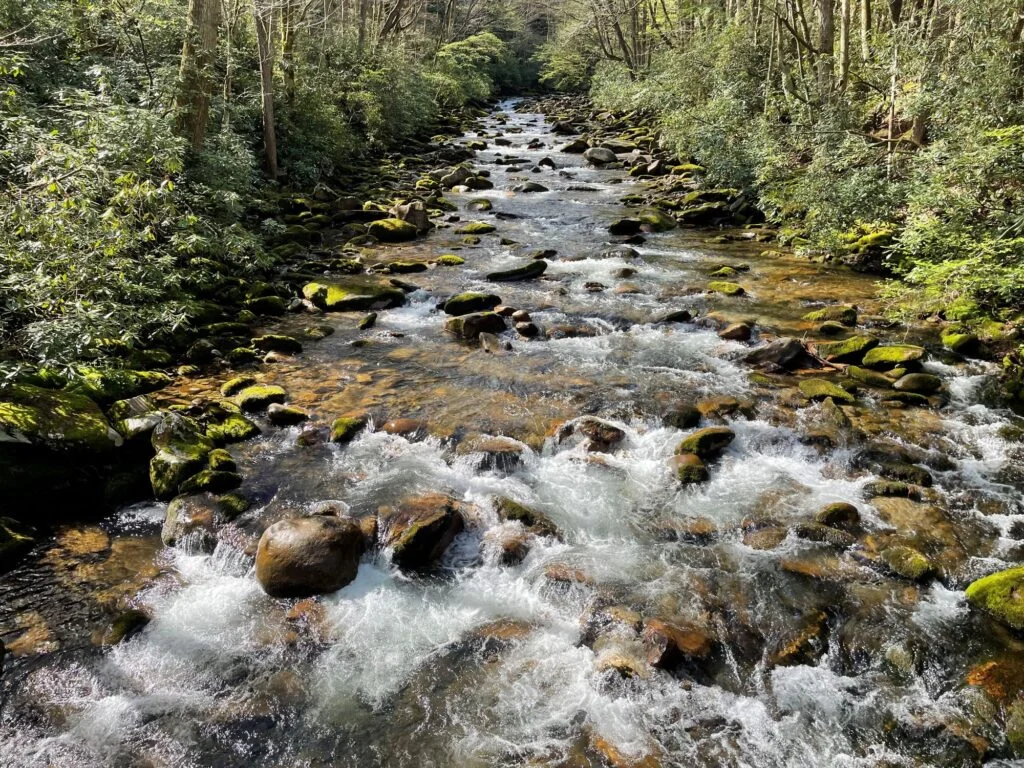
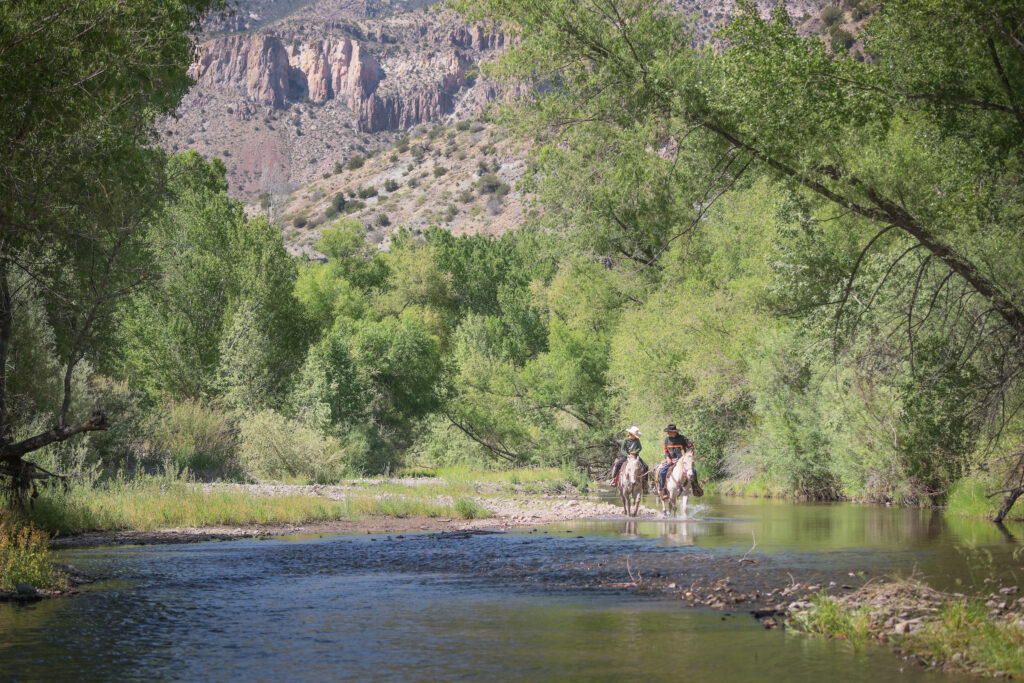
While the lower Gila struggles under the weight of diversion and drought, the headwaters in southwest New Mexico tell a different story. Originating in the Black Range and carving through the volcanic slopes of the Gila Mountains, the forks of the Gila and San Francisco rivers represent the largest, most pristine free-flowing headwaters system left in the American Southwest.

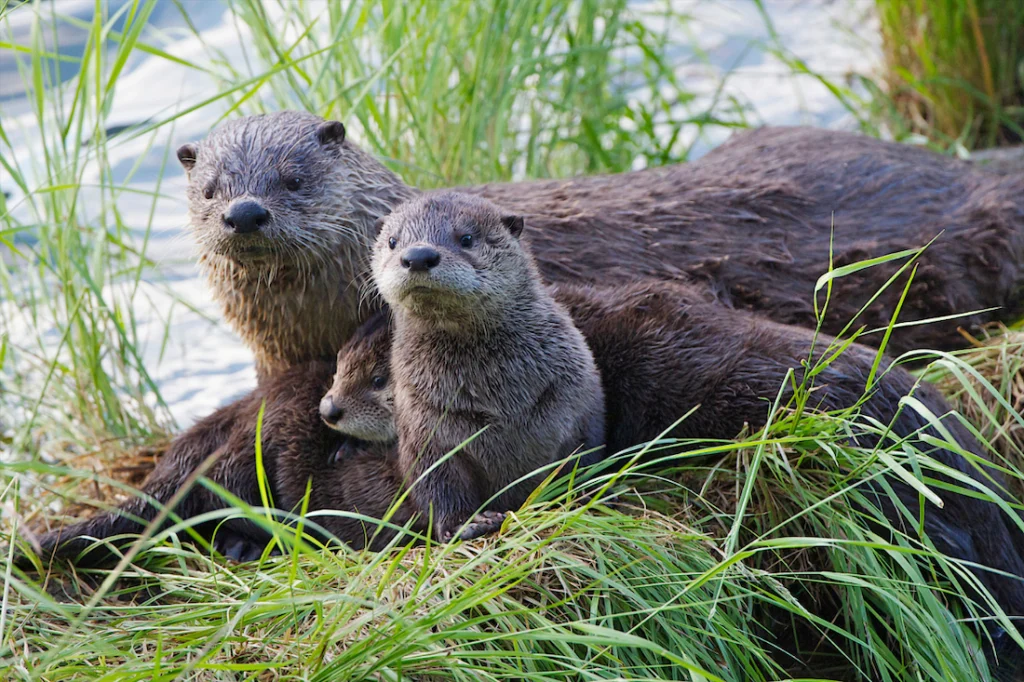
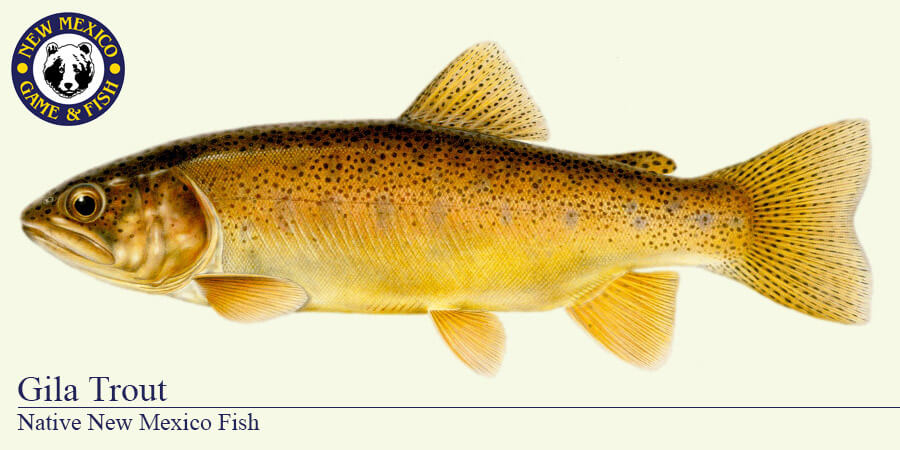
This area is a biological stronghold. It provides critical habitat for the endangered Gila trout, as well as elk, mule deer, black bears, and the elusive Mexican wolf. The region’s deep, shaded canyons are home to soaring peregrine falcons and an array of biodiversity that relies on the clean, cold, and consistent water flow that only a wild river can provide.
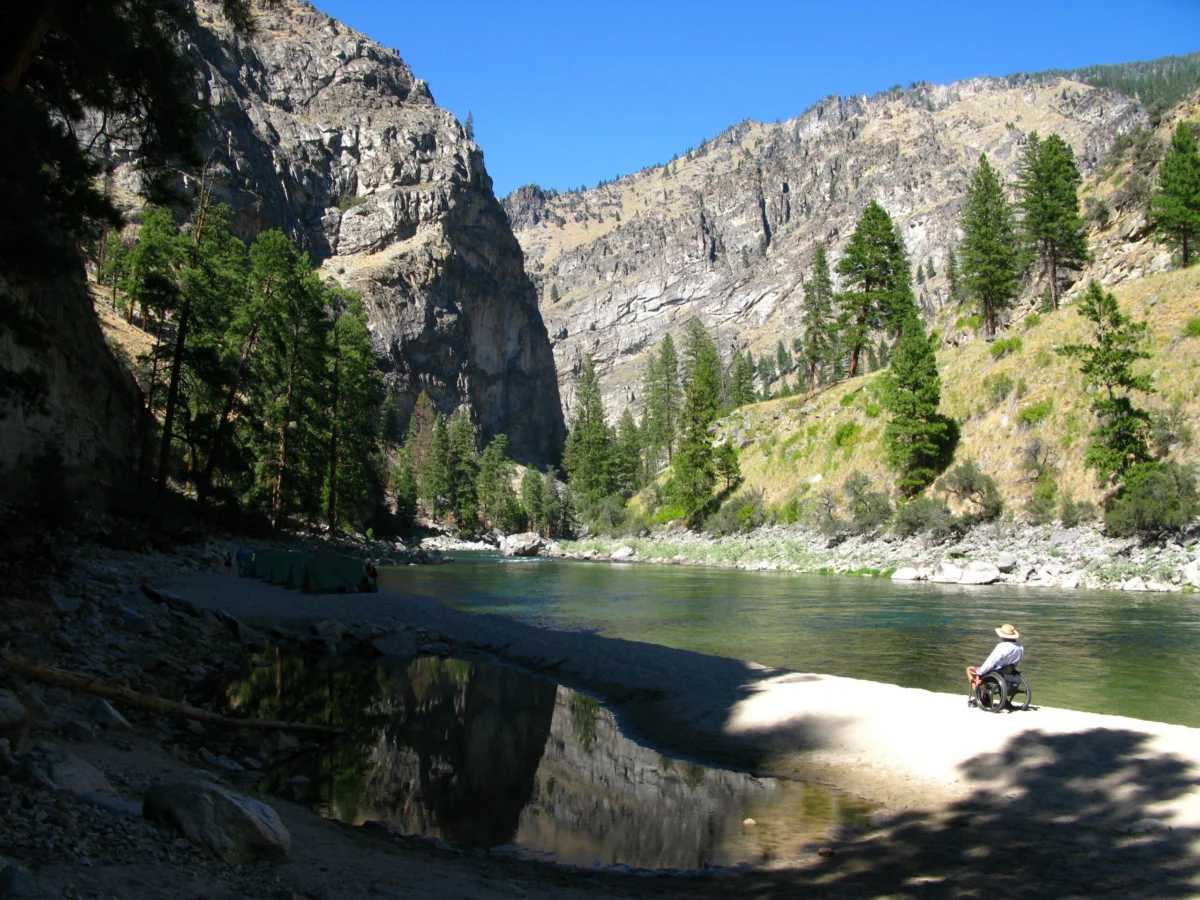
For many, the experience of paddling this section is transformative. In 2020, during the height of the global pandemic, the river provided a necessary respite—a reminder of the resilience of nature when left to its own devices. The old-growth sycamore groves and the gravel bars that punctuate the river’s path offer a rare, intimate connection to the landscape. Protecting this area is not merely an act of environmental conservation; it is an act of preserving a vital natural water tower that recharges groundwater and supports the downstream communities that depend on it for survival.
Chronology of the Legislative Push
The movement to secure permanent protection for the Gila began as a defensive reaction to industrial pressure. Faced with persistent proposals to dam and divert the river, a diverse coalition of New Mexicans recognized that the only way to ensure the Gila’s future was to codify its protection under federal law.
- 2019: The loss of Maynard Hubbard “Dutch” Salmon, a legendary Silver City writer and fierce advocate for the river, galvanized the conservation community. His legacy became the moral compass for the legislative effort.
- The Introduction: A bipartisan coalition of citizens, local leaders, and stakeholders began working with Senator Martin Heinrich to craft a robust protection plan.
- Expansion of Support: The effort gained momentum as Representative Gabe Vasquez joined the cause, leading to the formal introduction of the M.H. Dutch Salmon Greater Gila Wild and Scenic River Act.
- Congressional Hearings: Over the course of three different sessions of Congress, the bill has been scrutinized, debated, and refined. Today, it stands as one of the most well-positioned natural resources bills awaiting final action.
Supporting Data: A Consensus for Protection
The push for Wild and Scenic status for the Gila is not a top-down mandate; it is a grassroots movement backed by an unprecedented breadth of support. The bill aims to protect 450 miles of 30 free-flowing headwater rivers and 144,000 acres of riverside lands. The list of supporters highlights the cultural and economic importance of the river:
- Local Government: The Grant County Board of Supervisors, along with the towns of Silver City, Bayard, and Hurley.
- Indigenous Leadership: The Fort Sill Chiricahua Warm Springs Apache Nation and the All Pueblo Council of Governors.
- Community Stakeholders: More than 150 local businesses, alongside faith-based, veterans, and outdoor recreation organizations.
- Sporting and Conservation Groups: A combined total of 42 organizations dedicated to hunting, fishing, and habitat preservation.
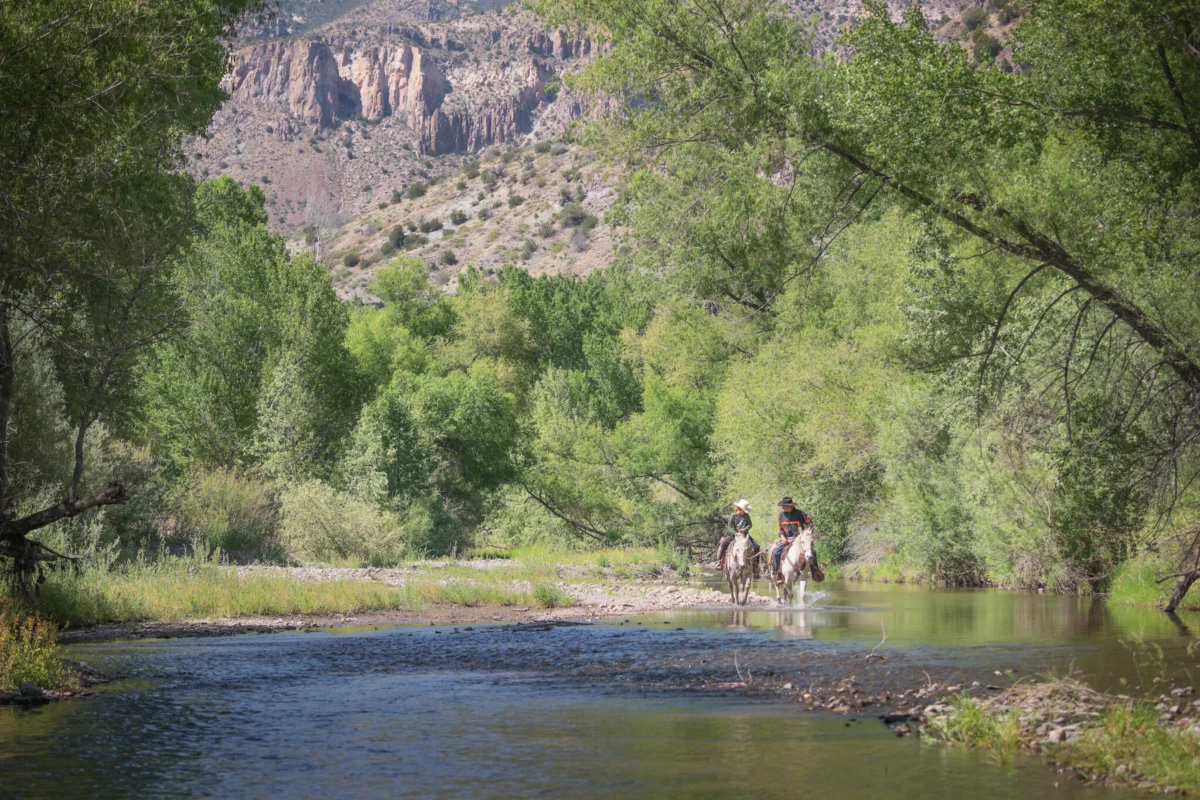
This coalition represents a broad cross-section of New Mexican values. Whether through backcountry horse packing, bird watching, hunting, or simply the necessity of clean water for agriculture, these stakeholders see the river as essential to the state’s identity and economic future.
Implications of Wild and Scenic Designation
The Wild and Scenic Rivers Act of 1968 remains the gold standard for river protection. It is the only federal designation that explicitly guarantees a river will remain free-flowing, preventing future dam construction and industrial encroachment.
If passed, the M.H. Dutch Salmon Greater Gila Wild and Scenic River Act would have profound implications for the region. First, it would solidify the ecological integrity of the Gila’s headwaters, ensuring that the “water tower” of the Southwest remains functional despite increasing heat and aridity. Second, it would provide a permanent shield against development, allowing the local tourism and outdoor recreation economies to thrive without sacrificing the very resources that attract visitors.
Critics often frame conservation as a zero-sum game, pitting economic growth against environmental protection. However, the movement to save the Gila argues the opposite: that the two are inextricably linked. By maintaining a healthy watershed, the region ensures a steady, reliable supply of water for agriculture and urban centers downstream. The "Dutch" Salmon Act proves that we possess the foresight to reconcile these interests, prioritizing long-term sustainability over short-term extraction.
The Path Forward: A National Context
The Gila is not the only river caught in the legislative bottleneck of Congress. There are over a dozen other Wild and Scenic River bills currently awaiting action. These rivers, like the Gila, represent the lifeblood of their respective regions and are essential to the nation’s climate resilience strategy.
As the Southwest faces unprecedented water stress, the need for legislative action is urgent. The Gila River serves as a litmus test for the nation’s ability to protect its most precious resources in an era of climate change. The bill is ready, the coalition is united, and the scientific case for protection is irrefutable. With the support of Congress, the M.H. Dutch Salmon Greater Gila Wild and Scenic River Act could soon become law, ensuring that the Gila remains what it has always been: a wild, free-flowing testament to the enduring power of nature.
The wait for these rivers has been long, but the cost of further delay is a risk the nation can ill afford. Protecting these landscapes is not just about safeguarding water or wildlife—it is about securing the collective spirit and future of the American West.