When the term "ghost" is invoked, it typically conjures imagery of spectral apparitions from the pages of gothic literature or cinematic folklore. However, for those who frequent the world’s inland waterways, the "Ghost" carries a far more tangible, albeit equally elusive, meaning. The Ghost Carp—an enigmatic, iridescent marvel of aquatic engineering—glides through the dark, murky depths of ponds and lakes, captivating anglers and biologists alike with its shimmering presence.
While they may lack the supernatural qualities implied by their name, their ability to vanish into the shadows of a lake bed makes them one of the most sought-after and mysterious trophies in the angling world.
Main Facts: Defining the Ghost Carp
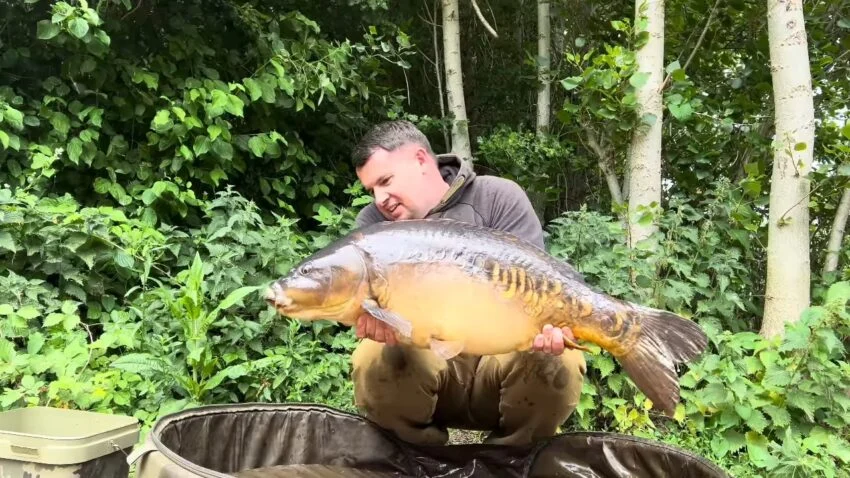
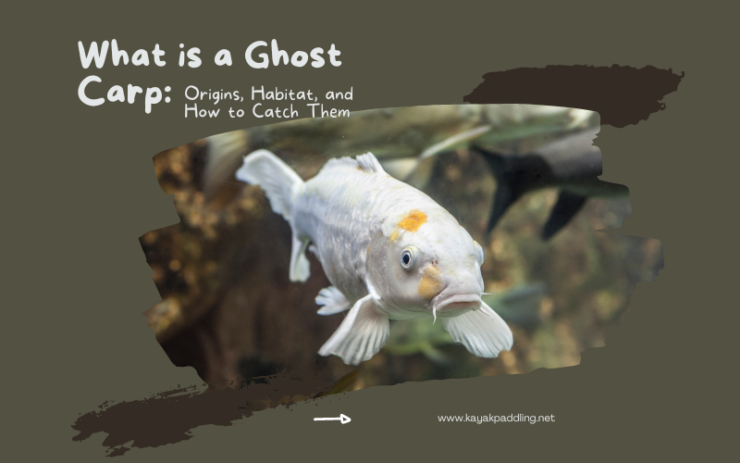
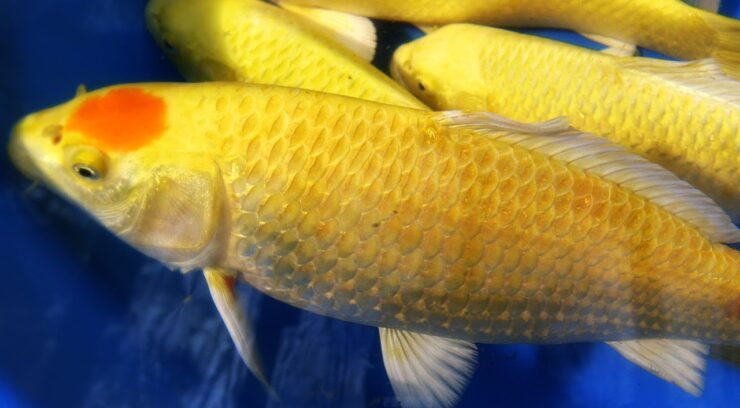
The Ghost Carp (Cyprinus carpio) is not a naturally occurring species in the wild, but rather a deliberate and highly successful hybrid. Biologically, it is a crossbreed between the robust Common or Mirror Carp and the ornamental, metallic Yamabuki Ogon Koi.
This hybridization imbues the Ghost Carp with the best—or, depending on your perspective, the most challenging—traits of both lineages. From their carp ancestors, they inherit a torpedo-shaped, muscular body capable of impressive growth; from the Koi, they inherit their striking, metallic coloration.
Quick Reference Statistics
| Metric | Specification |
|---|---|
| Average Weight | 6–15 lb (2.7 kg – 6.8 kg) |
| Maximum Recorded Weight | 94 lb (42 kg) |
| Average Length | 18–26 inches (45 cm – 65 cm) |
| Maximum Length | 48 inches (120 cm) |
| Life Span | 9–45 years |
The "ghostly" appearance for which the fish is named is not a result of pigment alone. Their skin contains dense concentrations of crystalline purine cells. These cells reflect sunlight, creating a shimmering, ethereal effect that allows the fish to blend seamlessly into the light-refracting surface of murky water, appearing and disappearing at will.
A Chronology of Creation: From Breeding Tanks to Open Water
The origin of the Ghost Carp is a relatively modern tale, rooted in the mid-20th century drive for ornamental aquaculture.
- The Early Years (Pre-1980s): Initial attempts at breeding carp for the ornamental market were focused on traditional, dark-colored koi varieties. The market for metallic, highly reflective fish was still in its infancy.
- The 1980s Breakthrough: An ingenious farmer, seeking to combine the hardiness of the common carp with the aesthetic brilliance of the Yamabuki Ogon Koi, successfully cross-bred the two. This event marked the birth of the modern Ghost Carp as a distinct commercial breed.
- Expansion and Global Spread: By the 1990s, the breed had gained significant popularity in the United Kingdom and across Europe, where they became a centerpiece of specialized sport fisheries.
- The Modern Era: Today, Ghost Carp are established globally. While they remain a niche interest for pedigree koi enthusiasts—some of whom still refuse to recognize them as "true" koi—they have cemented their status as a premier sport fish in recreational angling circles.
Supporting Data: Biology and Environmental Adaptability
The biological success of the Ghost Carp stems from its extreme hardiness. These fish are physiological survivors, capable of thriving in water temperatures ranging from a frigid 3°C to a sweltering 30°C.
Survival Mechanisms
Their ability to survive in low-oxygen environments is facilitated by their capacity to surface and gulp atmospheric oxygen, a trait that makes them remarkably resilient to the seasonal changes that often cause die-offs in less robust species.
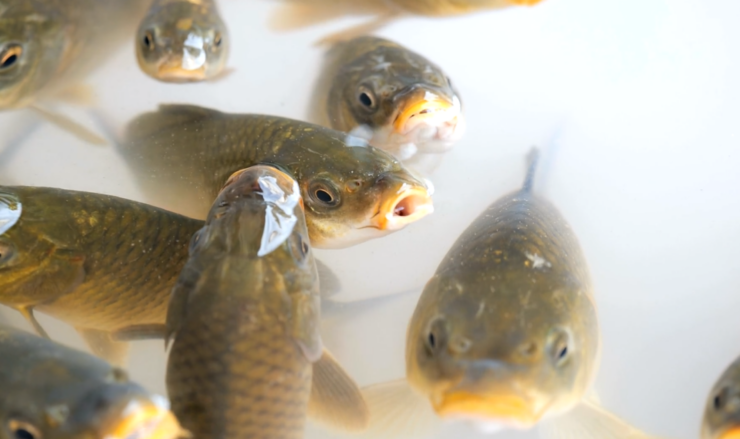
Their growth rate is dictated by environmental variables. In nutrient-rich, eutrophic waters—often fueled by agricultural runoff—Ghost Carp can grow at exponential rates. Their diet is essentially omnivorous, acting as "freshwater pigs." They scour the lake floor for aquatic insects, mollusks, crustaceans, and detritus, utilizing sensitive barbels (whiskers) to detect food in the silt.
Reproduction Cycles
Sexual maturity typically arrives between the ages of two and three. Spawning is triggered by water temperatures reaching 16°C to 22°C. A single female can produce hundreds of thousands of sticky, pale eggs, which are deposited on submerged weeds. Because there is no parental protection, the survival rate of the fry is dependent on the density of the surrounding vegetation, which provides essential cover from predators.
Official Responses and Ecological Implications
The presence of Ghost Carp in public waterways is a subject of significant debate among environmental agencies. Because they are biologically identical to their wild cousins, their impact on the environment mirrors that of the invasive common carp.
The Debate Over Invasive Status
In Europe, the Ghost Carp is celebrated as a "sport fish." In the United States and parts of Canada, however, the classification is far more stringent. The introduction of common carp species in the 1970s was originally intended to control aquatic vegetation; however, the lack of natural predators and the fish’s prolific breeding habits led to an explosion in population.
Ecological Concerns:
- Turbidity: Constant bottom-feeding habits churn up sediment, which reduces water clarity and inhibits the growth of sunlight-dependent native aquatic plants.
- Resource Competition: Their massive appetite for invertebrates can starve native bottom-feeders of essential food sources.
- Disease Vectors: Wild carp populations are known carriers of the Koi Herpesvirus (KHV), which poses a severe risk to both wild and domestic koi populations.
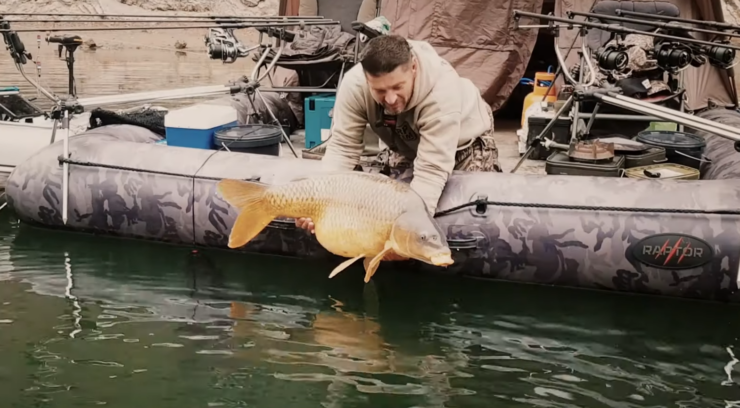
Environmental agencies often mandate that if a Ghost Carp is caught in an open, non-managed public waterway, it should not be returned to the water. In contrast, private fisheries in the UK treat these fish with immense care, often utilizing "catch and release" protocols that prioritize the health and longevity of the specimen.
The Angler’s Perspective: The Challenge of the Ghost
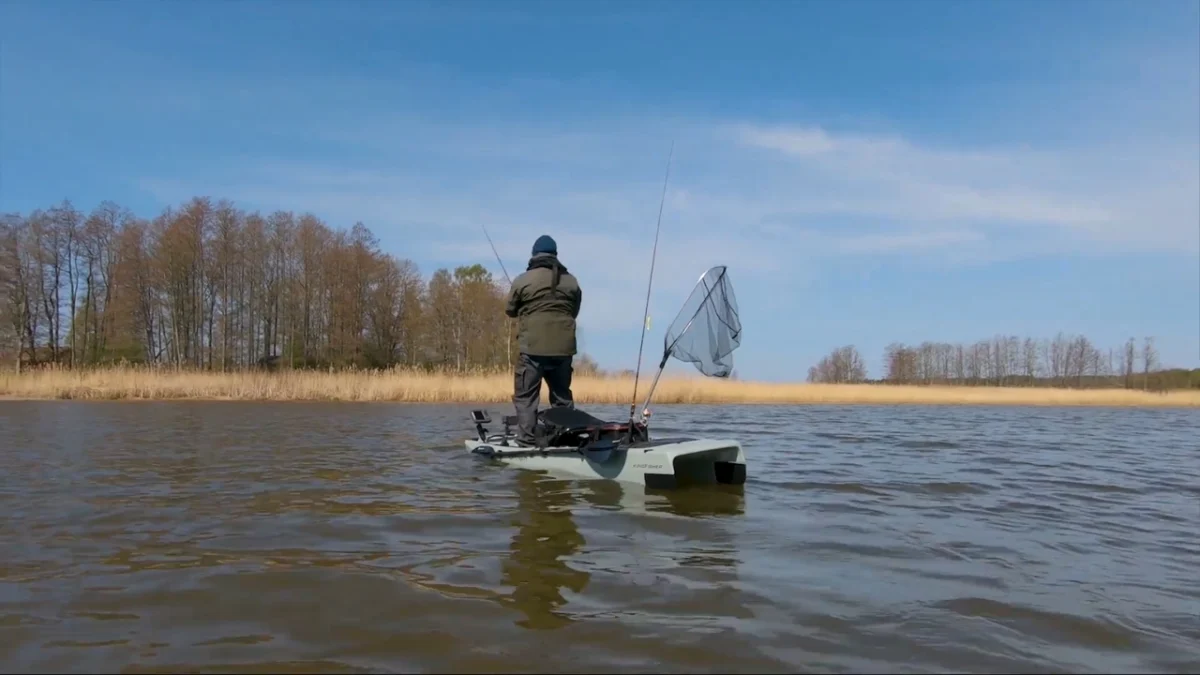
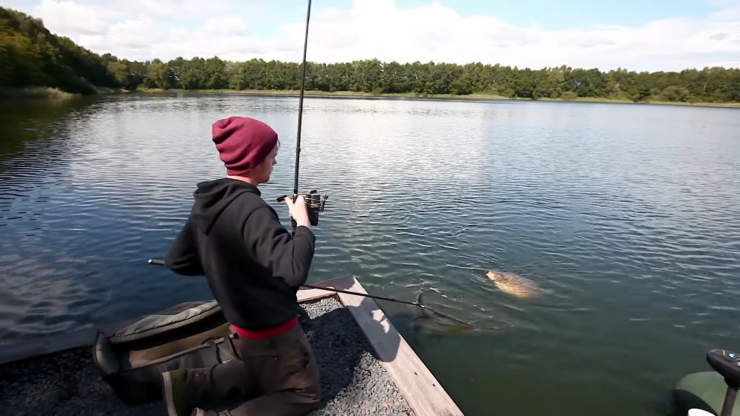
To the recreational fisherman, the Ghost Carp is the ultimate quarry. They are notoriously intelligent and cautious, often requiring specific, high-quality baits to entice a strike.
Expert Fishing Strategies
- Bait Selection: While they will consume almost anything, pellets, sweetcorn, worms, and flavored luncheon meat are considered the gold standard. The key is variety; if a specific spot remains quiet, experts recommend rotating bait profiles to determine what the fish are currently favoring.
- Locating the "Ghosts": These fish prefer still, calm waters. They are often found lurking near obstacles such as submerged timber, lily pads, or dense rush beds.
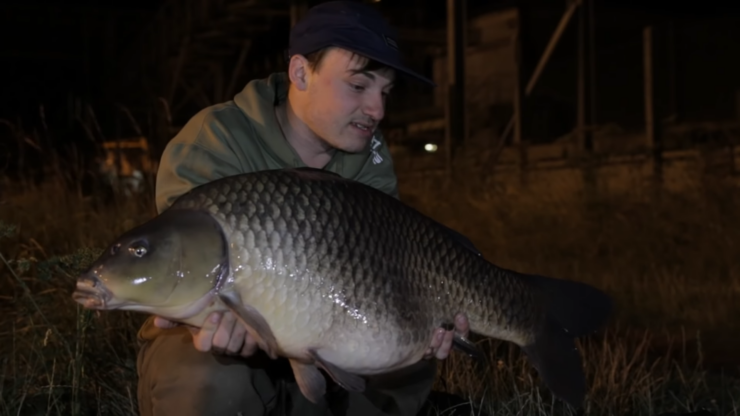
- Equipment: Given their potential to reach 90+ pounds, sturdy gear is non-negotiable. However, because they are wary, a delicate approach to presentation is essential.
Conclusion: A Complex Legacy
The Ghost Carp is a creature of contradictions. It is a man-made hybrid that mimics the wild, a prized sport fish that can be a destructive invader, and a beautiful, shimmering entity that can be as elusive as a phantom.
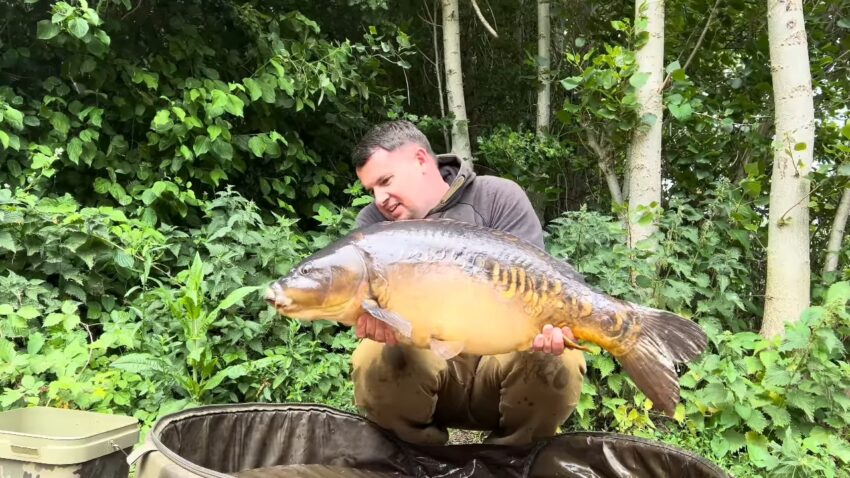
For the prospective keeper or angler, the Ghost Carp requires respect and understanding. They demand space—at least 25 liters of water per individual in a domestic setting—and a high level of dedication to manage their environment effectively. While they may not be the "ghosts" of legend, their ability to continue to captivate, challenge, and confound the human world ensures their place in the history of angling and aquaculture for decades to come. Whether you view them as an ecological threat or an aquatic masterpiece, one thing is certain: the Ghost Carp has permanently altered the landscape of our freshwater ecosystems.