By Samuli Haapasalo
Published July 28, 2026 – "A Year in Nature" Series
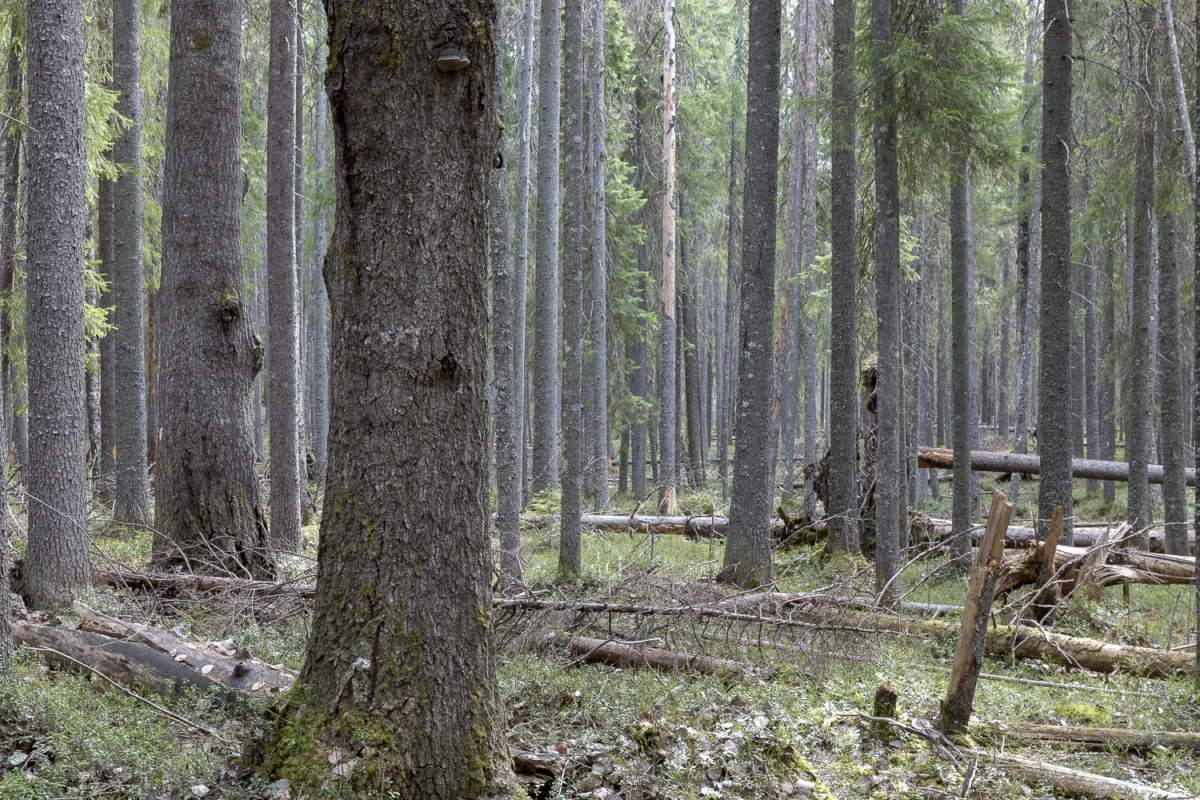
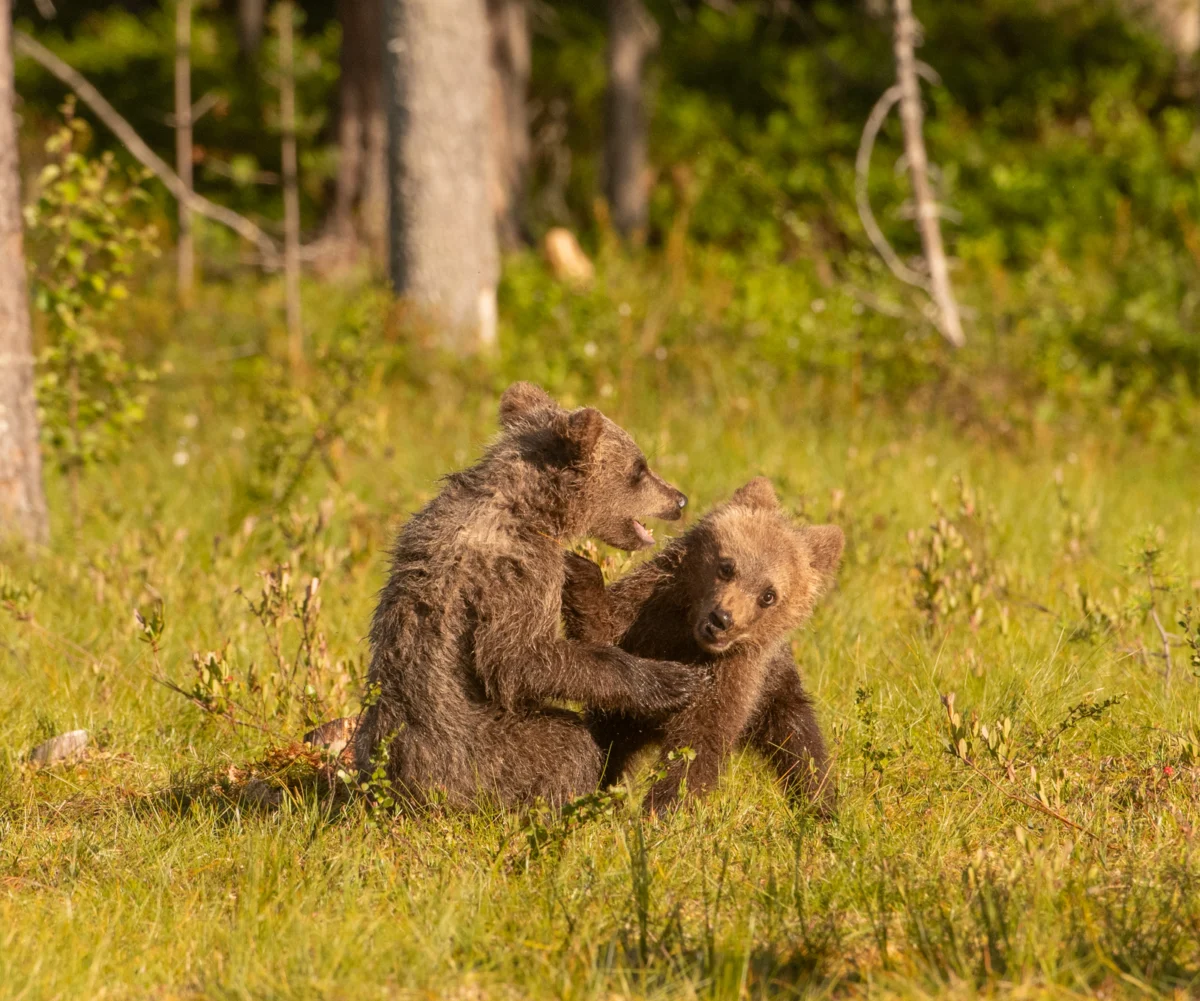
In the heart of the Martinselkonen wilderness, where the Finnish taiga stretches toward the horizon in a tapestry of ancient pines and silver-grey kelo trees, a quiet drama unfolds. Beneath the gaze of towering spruce and the sweeping curtains of lichen draping the branches, a mother bear and her two cubs have emerged from the shadows of the forest to claim the open marshland. It is a scene that captures the raw, untamed essence of the North—a moment of playfulness that belies the survival-driven reality of the wild.
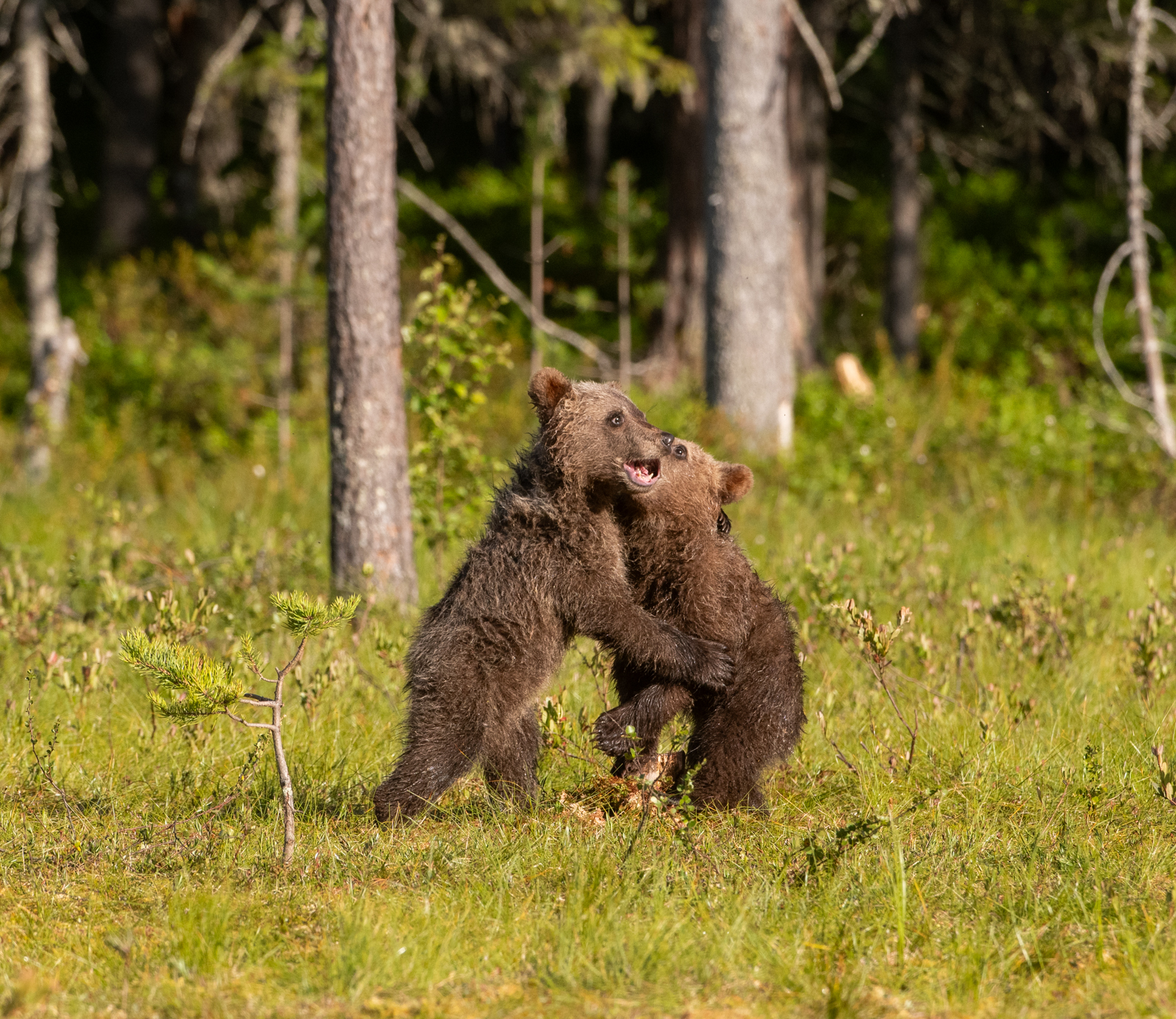
Main Facts: A Glimpse into the Bear’s Life
The Eurasian brown bear (Ursus arctos arctos) remains the undisputed monarch of the Finnish forest. As observed on this mid-summer evening, the maternal bond is the bedrock of cub survival. The mother bear, vigilant and calm, navigates the swamp with her two offspring.
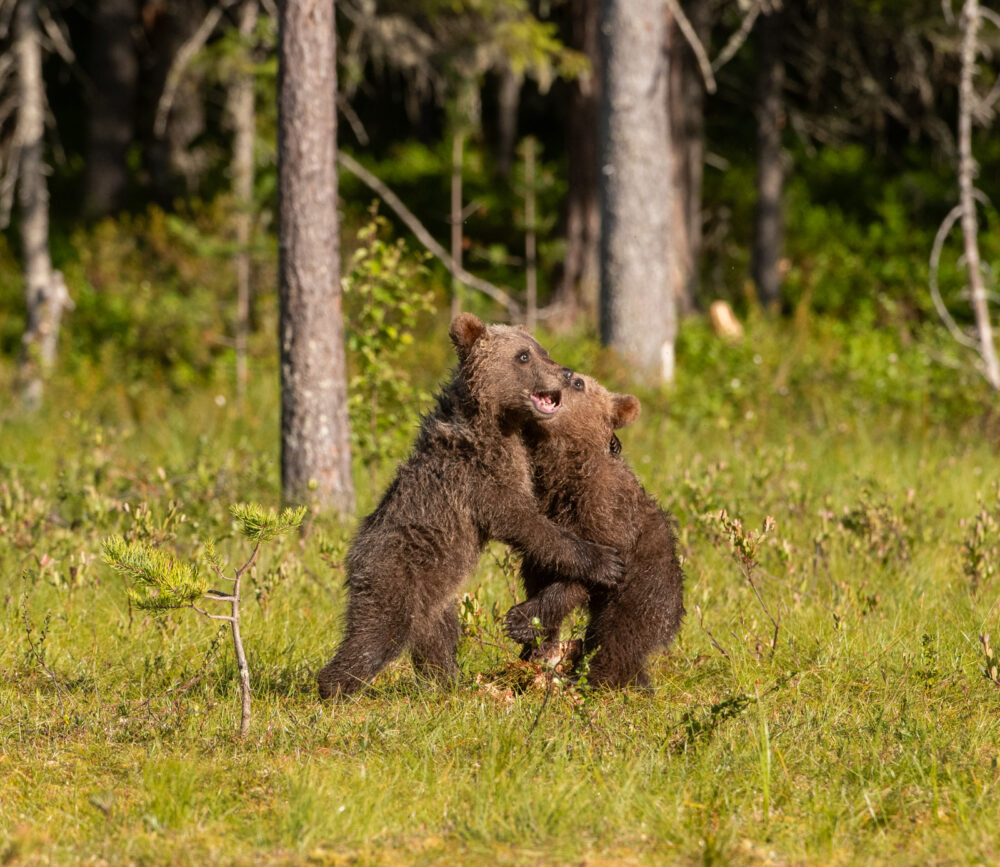
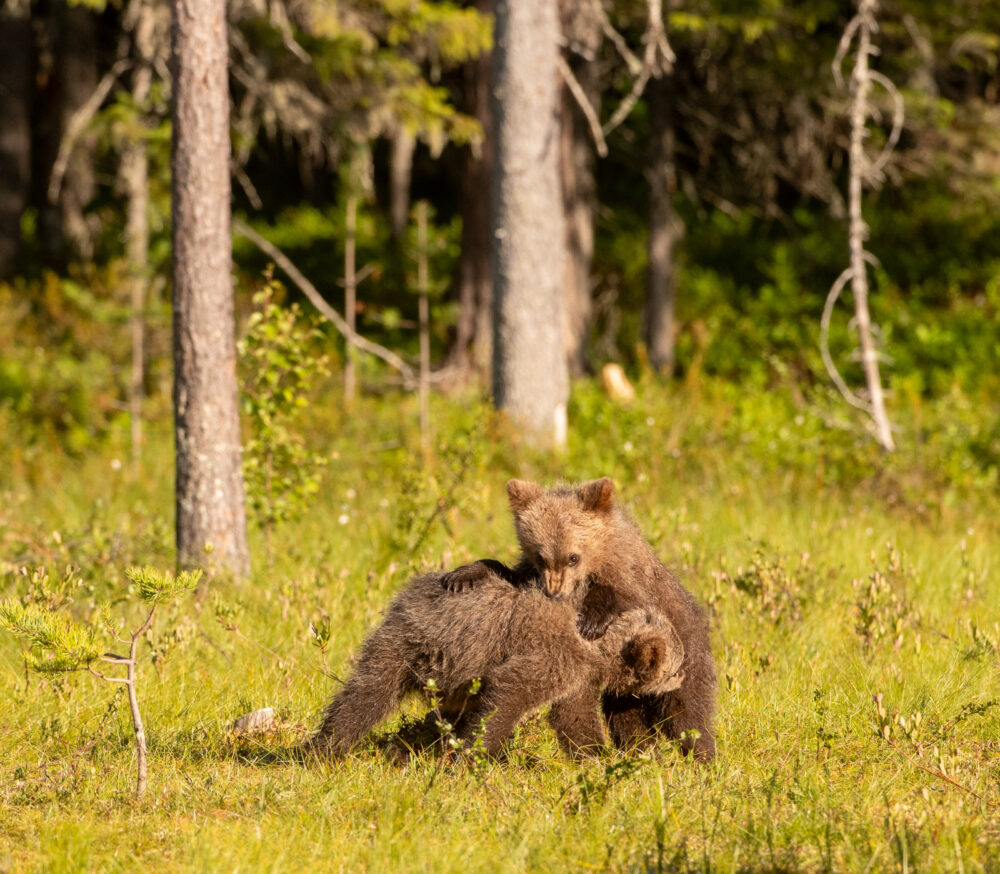
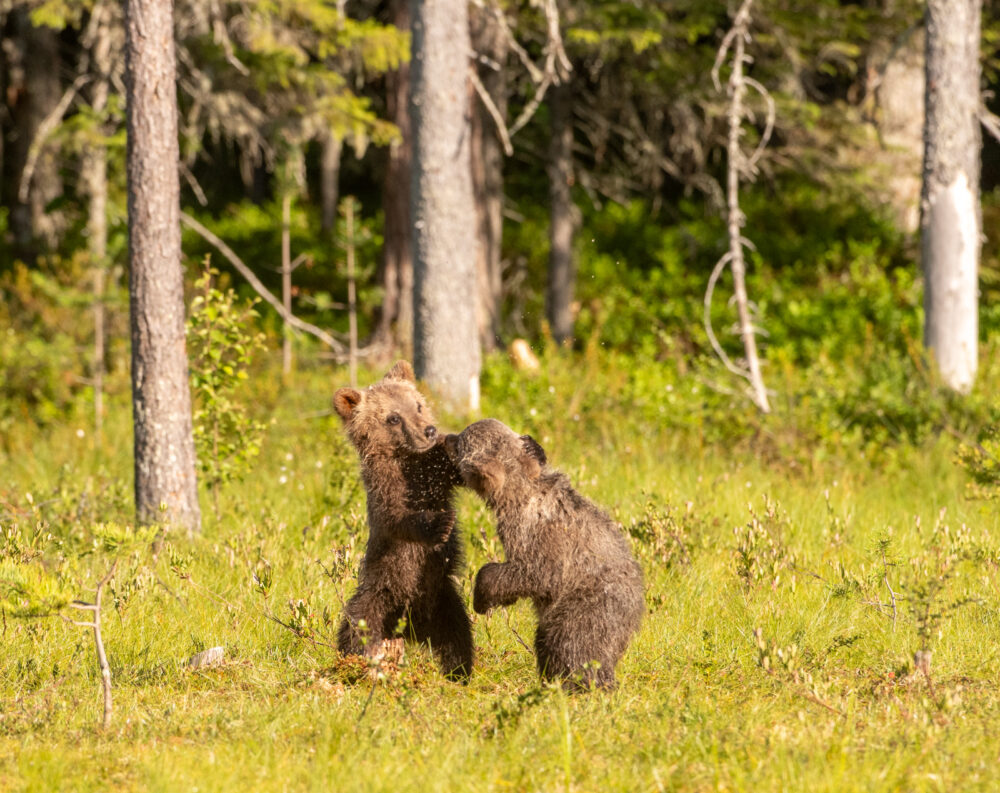
The primary activity of the cubs, much to the delight of any fortunate observer, is what author Aleksis Kivi famously termed "ristipaini" (cross-wrestling) in his classic Seven Brothers. This is not merely idle play; it is an essential developmental ritual. Through these spirited bouts—consisting of neck locks, tactical throws, and rhythmic rolling—the cubs hone the physical coordination, strength, and social cues necessary for life in one of Europe’s most challenging habitats. Crucially, this play is non-aggressive; despite the intensity of the grappling, there is an unspoken rule of engagement that ensures neither cub is harmed.
Chronology: A Day in the Life of the Wilderness
The observation of the Martinselkonen pair provides a window into the typical behavior of a bear family in late July.
- Early Evening: The family unit emerges from the dense canopy, seeking the caloric intake provided by the swamp’s vegetation. The mother moves with a deliberate, rhythmic gait, scanning the perimeter.
- The Wrestling Session: As the light begins to soften, the cubs transition from foraging to high-energy play. For nearly an hour, the marsh becomes a gymnasium. Every tumble is a rehearsal for adulthood.
- The Vigil: Throughout the display, the mother remains stationary, her senses tuned to the slightest shift in wind direction or forest sound. She acts as both protector and anchor, allowing the cubs the freedom to explore while maintaining a defensive perimeter.
- Retreat: As darkness deepens, the family fades back into the moss-covered silence of the forest, moving with a ghost-like grace that leaves little trace of their presence.
Supporting Data: The Dynamics of Bear Populations
While a litter of two is the most common sight in the Finnish wilderness, the reproductive biology of the brown bear is as complex as the forest itself.
- Litter Sizes: While two or three cubs represent the standard, the spectrum of litter size ranges from one to four. In rare instances, Finland has recorded "super-litters" of five cubs, though such high-frequency births present immense nutritional challenges for the mother.
- Reproductive Cycles: Female bears typically produce offspring every two to four years. The energy expenditure required for lactation and protection means that the mother must be in peak physical condition before entering the winter denning period.
- Survival Rates: The transition to adulthood is fraught with peril. A significant portion of cubs do not reach full maturity, making the mother’s protective instincts during the first two years of life the most critical variable in population health.
- Winter Denning: The cycle of the bear is defined by its dormancy. Cubs are born during the winter while the mother is in a state of torpor. Even after they emerge in the spring, the family unit often spends a second winter together in a shared den, reinforcing the social bonds that carry them into their third year of independence.
The Human Element: Implications and Safety
The presence of a mother with cubs is a privilege that comes with an inherent set of responsibilities. As human encroachment into wilderness areas increases, the potential for conflict rises. However, the golden rule of forest encounters is simple: Do not come between a mother and her cubs.
The bear is a naturally cautious animal. It has no interest in human interaction and will almost always vacate an area long before a human becomes aware of its presence. To ensure safety, the hiker should adhere to the following:
- Audible Presence: When moving through dense brush or areas known for high bear activity, make noise. Singing, talking, or carrying a small bell alerts the bear to your presence, allowing the animal to move away—a move it prefers to make.
- Respecting the Den: Never intentionally seek out or disturb a winter den. The energy conservation required for hibernation is life-or-death; a disturbance during the winter months can be fatal.
- Observation Etiquette: Utilize professional hide-sites or guided observation tours. These methods allow for viewing the bears in their natural element without causing stress to the animals or putting the observer at risk.
The Broader Context: Why the Bear Matters
The brown bear is more than just an icon of the Finnish tourism industry; it is a vital architect of the ecosystem. As an apex predator, the bear influences the population dynamics of its prey and plays a role in seed dispersal and forest nutrient cycling.
"The bear is the sovereign of the forest," notes the field observation. "It deserves our respect, our protection, and, above all, our peace."
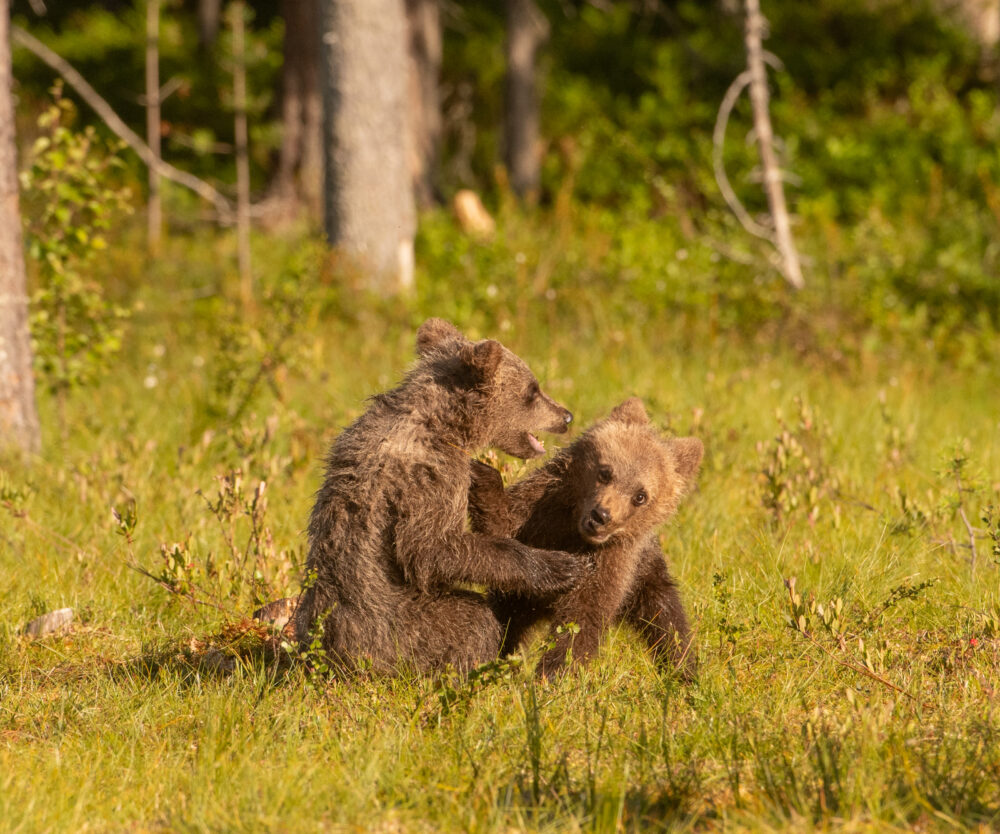
The imagery of the cubs wrestling against the backdrop of ancient, naava-covered spruces serves as a powerful reminder of what is at stake. The preservation of the bear is not merely about maintaining a species count; it is about preserving the "soul" of the Finnish landscape. The wilderness in Martinselkonen is a testament to a healthy ecosystem, one where the natural order still holds sway over the modern world.
As we look toward the future, the challenge lies in balancing the human desire to witness these majestic creatures with the necessity of leaving them undisturbed. The bear’s survival in Finland is a success story of conservation, but it is a success that requires ongoing vigilance. We must recognize the bear not as a curiosity to be chased, but as a silent partner in the landscape—a creature that demands we tread lightly and respect the boundaries of the wild.
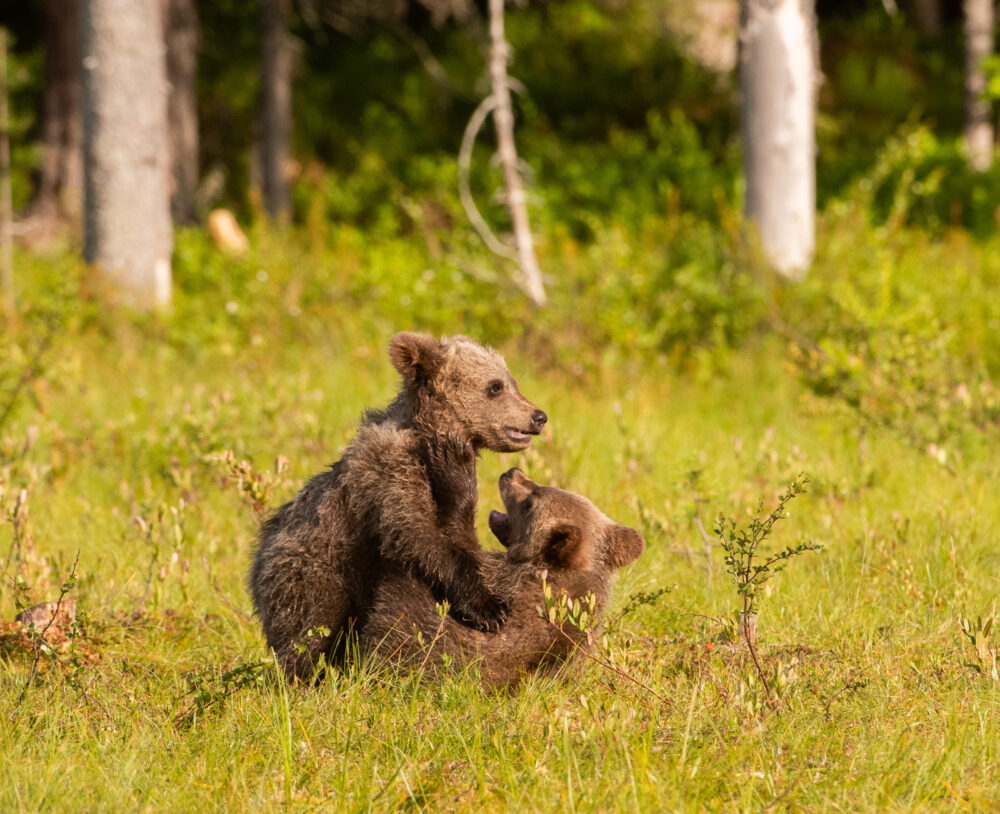
In the end, the sight of two cubs tumbling in the grass, unaware of the complexities of conservation or the gaze of the observer, is a poignant reminder of nature’s simplicity. Their world is one of hunger, play, and the watchful eye of the mother. If we can ensure that this world remains intact, we secure a vital part of our own natural heritage.
To support ongoing research and the protection of the Finnish wilderness, consider supporting organizations dedicated to the preservation of our northern forests. The bear is watching—let us ensure it has a forest left to roam.