The allure of the open water has never been stronger. In 2024, outdoor recreation saw a historic surge, with over 181 million participants—nearly 60% of the U.S. population—engaging in activities that reconnect them with nature. Among these pursuits, paddlesports have emerged as a dominant force, hooking approximately 30 million Americans. As more people flock to lakes, rivers, and coastal inlets, the age-old debate resurfaces: is it time to invest in a canoe or a kayak?
While both vessels offer an intimate connection to the water, they are fundamentally different tools designed for distinct environments and experiences. Determining which craft suits your lifestyle requires a deep dive into the nuances of design, intent, and logistics.
The Core Distinction: Design and Functionality
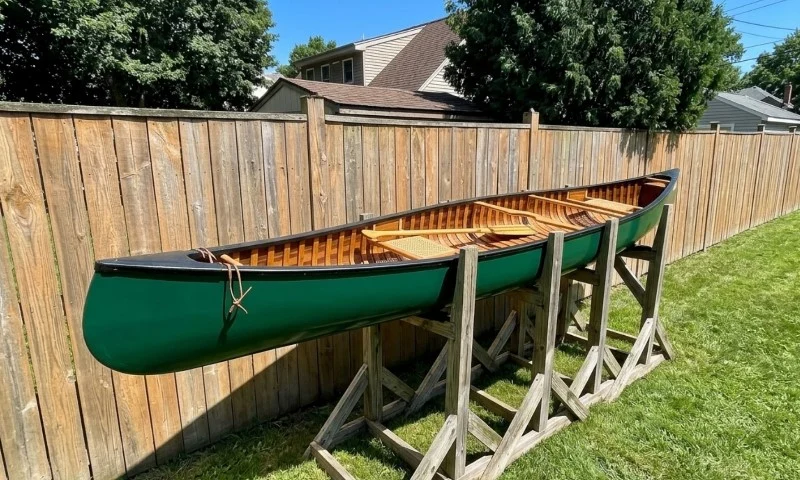
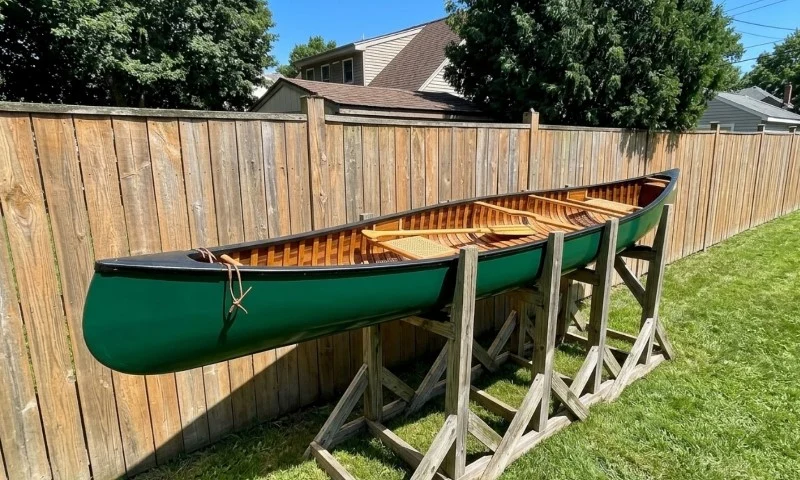
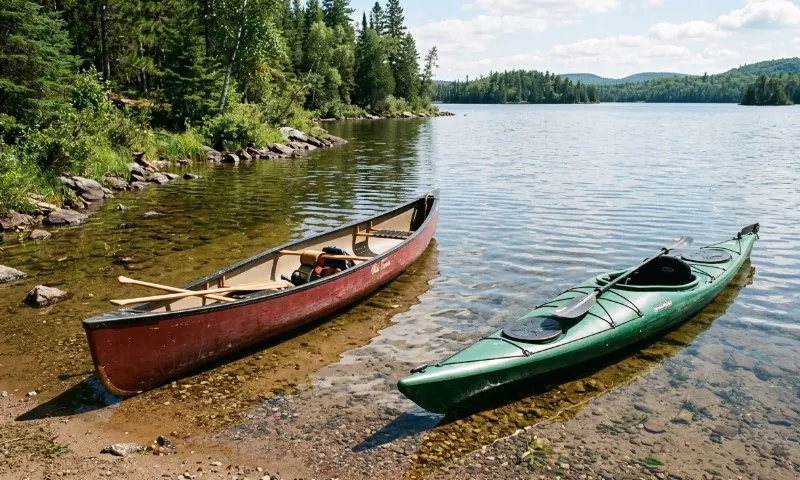
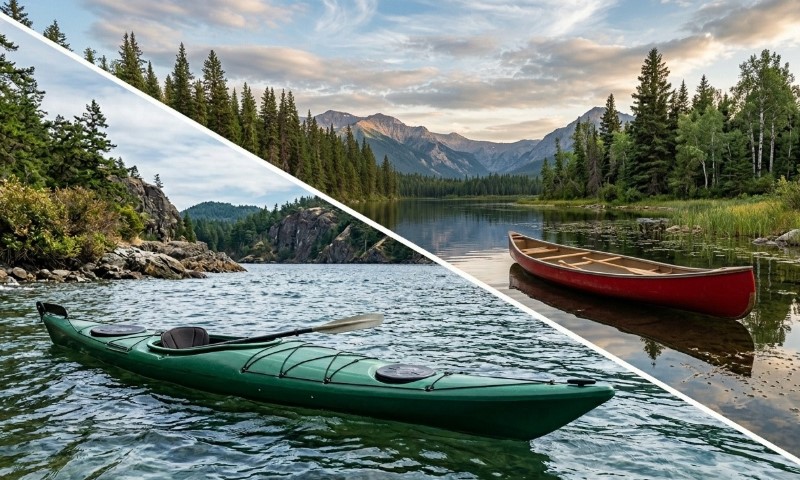
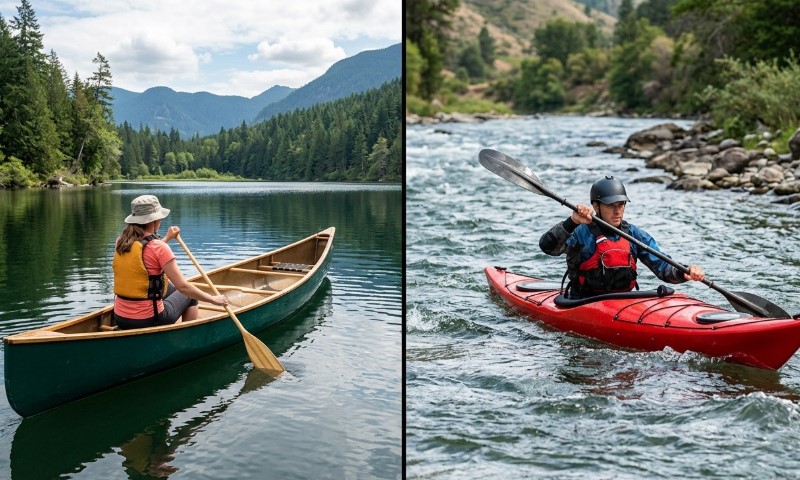
To understand the difference, one must look at the mechanics of propulsion and seating. A canoe is, by design, an open, high-sided vessel typically propelled by a single-bladed paddle. The paddler usually sits on a bench seat or kneels, providing a higher vantage point that is ideal for scanning for wildlife or navigating shallow, winding riverbeds.
Conversely, a kayak is defined by its low-profile hull and a cockpit that encloses the paddler. Utilizing a double-bladed paddle, the kayaker sits low to the water, creating a center of gravity that feels more connected to the craft. This design offers superior tracking and efficiency, making it the preferred choice for those seeking to cover distance or tackle challenging conditions.
The "Floating SUV" vs. The "Sports Car"
If the canoe is the "floating SUV" of the aquatic world—spacious, robust, and capable of carrying everything from family members and dogs to oversized coolers—the kayak is the "sports car." It is sleek, nimble, and built for performance. While the canoe excels in versatility and cargo capacity, the kayak prioritizes stability in wind and ease of solo navigation.
Chronology of Paddlesports: From Utility to Recreation
The history of these crafts is as deep as the waters they traverse. The canoe has ancient roots, utilized by indigenous peoples for millennia as a primary mode of transportation, trade, and hunting. Its open design was a necessity for cargo hauling and social travel.
The kayak, conversely, originated in the Arctic regions, developed by Inuit and Aleut hunters. Its enclosed, water-tight deck was a life-saving feature in freezing northern climates, designed to prevent waves from filling the boat.
In the modern era, these roles have blurred. The 20th century saw the transition of both boats from essential survival tools to primary vehicles for recreation. Today, technology has introduced rotomolded plastics, lightweight composites, and even high-performance inflatables, making both crafts more accessible than ever before.
Supporting Data: Understanding the Landscape
When analyzing market trends and user behavior, the "best" choice is often dictated by the intended application. According to data from the Outdoor Industry Association, the barrier to entry for paddlesports has lowered significantly, yet the failure to match the right craft to the right environment remains the primary cause of early-adopter frustration.
| Factor | Canoe | Kayak | Real-World Implication |
|---|---|---|---|
| Paddle | Single-bladed | Double-bladed | Kayaks are often more intuitive for solo beginners. |
| Wind Exposure | Higher | Lower | Kayaks handle breezy, open water with less effort. |
| Cargo | High | Moderate | Canoes are unrivaled for camping and family gear. |
| Entry/Exit | Easier | Challenging | Canoes are more accessible for those with mobility issues. |
The data suggests a clear dichotomy: if the goal is social, stationary, or cargo-heavy activity, the canoe remains the gold standard. If the goal is personal fitness, distance touring, or coastal exploration, the kayak is superior.
Official Guidance and Safety Protocols
As the popularity of these sports grows, so does the concern regarding safety. The U.S. Coast Guard’s 2024 recreational boating statistics serve as a sobering reminder of the risks involved. A significant portion of boating-related fatalities involves individuals who were not wearing a life jacket at the time of the incident.
The Life Jacket Imperative
The National Park Service (NPS) emphasizes that a life jacket stored under a seat is useless in an emergency. The act of capsizing occurs in seconds; there is rarely time to put on a personal flotation device (PFD) once in the water. Furthermore, the NPS warns against the dangers of "cold water shock." Even on a warm spring day, the water temperature can be low enough to induce involuntary gasping, which can lead to drowning even for strong swimmers.
Regulatory Realities
Safety regulations vary by state, but the federal standard is consistent: every person on board must have access to a wearable, properly sized life jacket. For children under 13, the requirement to wear it at all times is nearly universal. Additionally, paddlers should be aware that "Boating Under the Influence" (BUI) laws apply just as strictly to a canoe or kayak as they do to a motorboat.
Implications for the Modern Consumer
Choosing a boat is not merely an aesthetic or financial decision; it is a lifestyle investment. Before purchasing, consumers must reconcile their "dream" scenarios with their "actual" circumstances.
1. Storage and Transportation
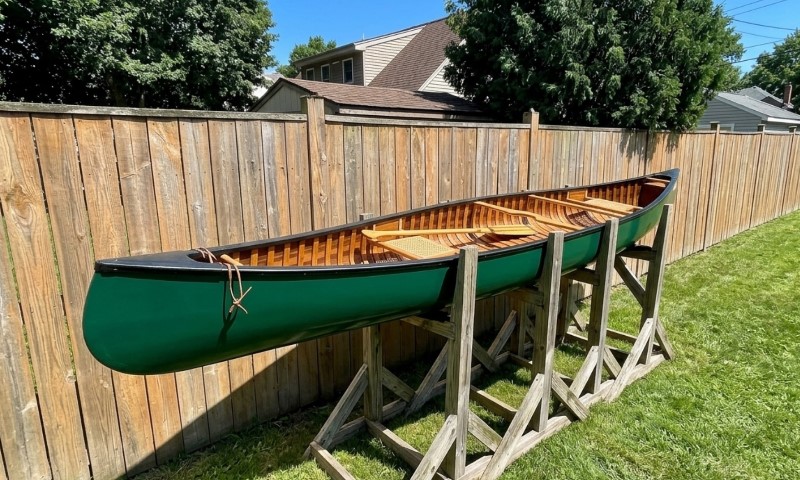
A 16-foot canoe is an engineering marvel for a week-long river expedition, but it is a logistical burden for someone living in a second-floor apartment. Conversely, a high-end fishing kayak with pedal-drive electronics may be the perfect vessel for a weekend angler, but its weight can make solo loading onto an SUV a daunting task.
2. The Rent-Before-You-Buy Philosophy
Industry experts unanimously recommend renting before purchasing. Spending a day with a local outfitter allows a user to test the stability, weight, and comfort of various hulls. A boat that feels uncomfortable in the showroom will become a "garage ornament" within months.
3. Maintenance and Care
Both canoes and kayaks require minimal but consistent maintenance. Plastic hulls are resilient but can warp if stored improperly in high heat. Composite boats are lighter and faster but require careful handling to avoid gel-coat damage. Regardless of the material, UV protection and proper suspension storage are essential to extending the lifespan of the vessel.
Strategic Considerations for Specialized Use
Fishing: The Great Debate
For the angler, the choice is between the "platform" and the "cockpit." A canoe provides an open, flexible platform that allows for standing, casting, and bringing a fishing partner. However, in wind, a canoe is notoriously difficult to steer while managing a fishing rod. The modern fishing kayak, by contrast, is a specialized workstation equipped with rod holders, fish finders, and stability-enhancing outriggers. For the solo angler, the kayak is currently the industry leader in efficiency.
Camping and Expeditions
For those planning multi-day excursions, the canoe wins on volume. The ability to load full-sized coolers, dry bags, and camping furniture makes the canoe the quintessential choice for "glamping" or family river trips. Touring kayaks, however, offer superior performance for long-distance water travel where speed and efficiency are required to navigate tides or currents.
Conclusion: Finding Your Perfect Fit
Ultimately, there is no "correct" answer in the canoe versus kayak debate. The most important metric is the frequency of use. A simple, affordable, and lightweight boat that you can easily transport to the water is infinitely more valuable than a specialized, expensive piece of equipment that is too cumbersome to launch.
When making your decision, ask yourself:
- Where will I store this?
- How will I transport this to the water?
- Am I usually traveling solo or with others?
- What is the primary water type (calm pond, moving river, or large, windy lake)?
By answering these questions honestly, you move beyond the marketing and into the reality of your own outdoor life. Whether you choose the open, social freedom of a canoe or the focused, efficient control of a kayak, the most important step is simply getting off the shore. The water is waiting, and the right boat is the one that gets you there.