For decades, the piranha has been the undisputed villain of the Amazonian cinematic universe. Portrayed as razor-toothed, frenzied monsters capable of stripping a cow to the bone in seconds, they have become synonymous with terror. However, for the indigenous communities of the Amazon basin, the piranha is not a source of fear—it is a staple source of protein. Far from being a creature of nightmares, the piranha is a versatile, edible freshwater fish that has sustained human populations for centuries.
Main Facts: Debunking the “Monster Fish” Myth
To understand the piranha as a food source, one must first separate biological reality from pop-culture hyperbole. Piranhas belong to the family Serrasalmidae. While they do possess sharp, interlocking teeth designed for shearing flesh, they are not the mindless, bloodthirsty swarmers depicted in films. Many species are omnivorous, consuming fruits, seeds, and insects alongside smaller fish.
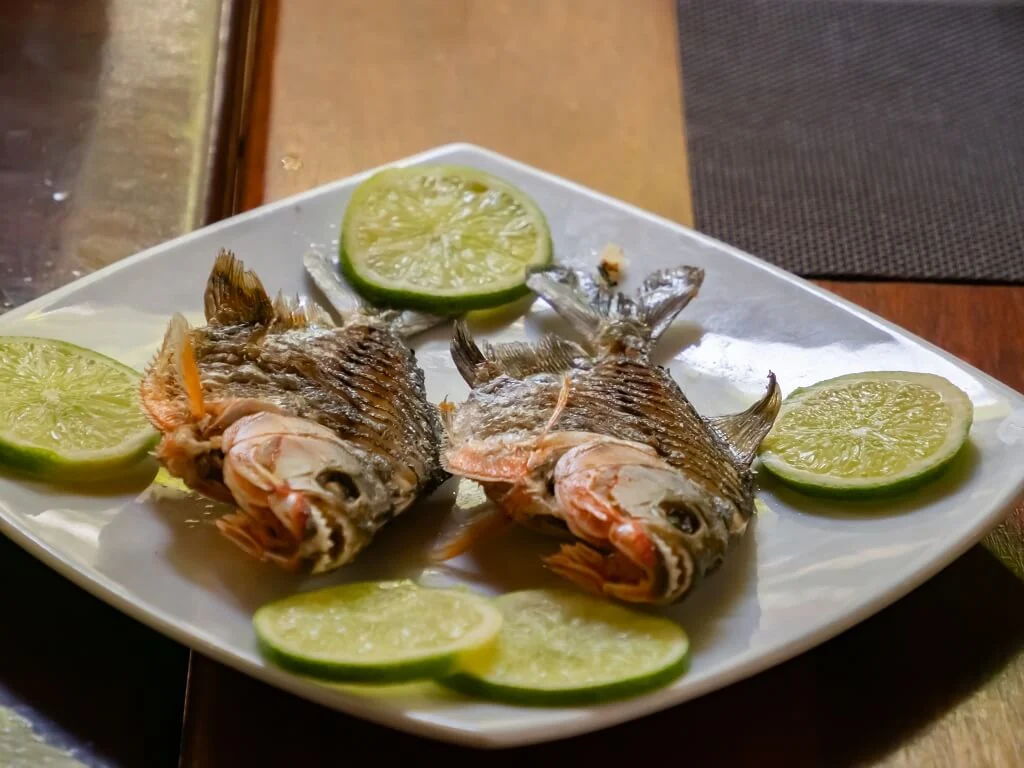
When it comes to the plate, the piranha is a firm, white-fleshed fish. Its flavor profile is generally mild, sitting somewhere between trout and bass, though it can lean toward a more pronounced "fishy" taste depending on the water quality and the species’ diet. The primary challenge for the diner is not the taste, but the anatomy; piranhas are notoriously bony, requiring either careful consumption or specialized preparation methods, such as stewing or soups, to navigate the skeletal structure.
Chronology: From Riverbed to Table
The consumption of piranha is deeply rooted in the history of South American river cultures. For centuries, Amazonian tribes have used simple, effective techniques to harvest these fish, relying on them as a primary source of protein during both wet and dry seasons.
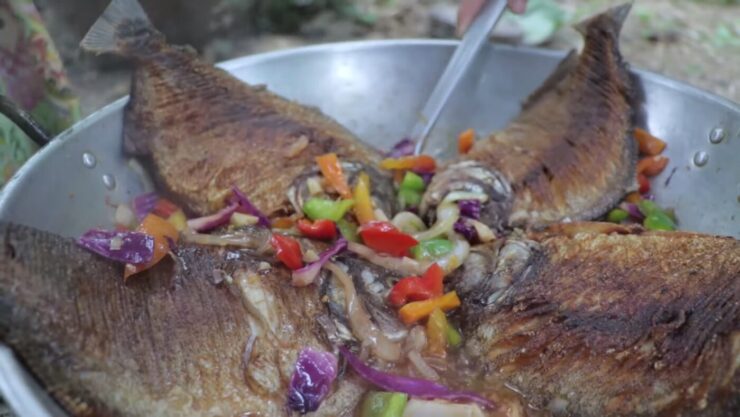
- Pre-Colonial Era: Indigenous populations in the Amazon and Orinoco basins perfected the use of woven traps and hand-lines to catch piranha, treating them as a common food source.
- The 20th Century Rise of the Myth: The release of various "creature feature" films in the mid-to-late 1900s cemented the piranha’s reputation as a man-eater in the Western consciousness, creating a massive cultural barrier to their acceptance as a culinary ingredient.
- Modern Culinary Tourism: In the last two decades, as ecotourism has flourished in regions like Brazil, Peru, and Bolivia, adventurous travelers have begun to normalize the consumption of piranha. Fishing lodges in the Amazon now routinely serve piranha to visitors, often caught by the guests themselves, bridging the gap between local necessity and global curiosity.
Supporting Data: Nutritional and Physical Profile
Piranha is a lean protein source, offering a significant amount of nutrients while remaining low in saturated fats. Below is a breakdown of what a diner can expect when sitting down to a meal of properly prepared piranha.
Taste and Texture Breakdown
| Feature | Analysis |
|---|---|
| Flavor Profile | Ranges from mild and sweet to earthy, depending on the specific river ecosystem. |
| Texture | Firm and flakey; holds up well to high-heat cooking methods. |
| Bony Complexity | High. Small bones are abundant, necessitating patience or slow-cooked preparations. |
| Culinary Versatility | High. Can be fried, grilled, smoked, or used as the base for nutrient-dense broths. |
Safety and Consumption Guidelines
- Internal Temperature: As with all freshwater fish, piranha must be cooked to an internal temperature of at least 145°F (63°C) to neutralize potential parasites.
- Water Quality: Mercury bioaccumulation is a legitimate concern in many Amazonian tributaries. Consumers are advised to check local environmental reports if sourcing fish from areas prone to gold mining or industrial runoff.
- Handling Precautions: Never handle a live piranha with bare fingers. Their jaw strength and dental structure can cause severe lacerations. Use pliers, long-handled hooks, or specialized fishing grips.
Official Responses and Food Safety Standards
Public health organizations, including the FDA and FoodSafety.gov, provide generalized guidance for the consumption of wild-caught fish, which applies strictly to piranha. Because piranha is not a commercial commodity in the United States or the European Union, there is a lack of specific "graded" health data for the species.
Official health advisories consistently emphasize that the danger of eating piranha does not lie in the fish being "poisonous" or "toxic" by nature. Rather, the risk is entirely environmental and procedural. Contamination from heavy metals, specifically mercury, is the most common advisory issued by local South American authorities. Before participating in a local catch-and-cook experience, travelers are encouraged to consult with reputable local guides who possess knowledge of which waterways are deemed safe for consumption.
Implications: The Ethics of Consumption and Invasive Risks
The global interest in eating piranha brings with it a complex set of environmental implications.
The Invasive Species Threat
In many parts of North America and Europe, the importation, sale, or possession of live piranha is heavily regulated or strictly illegal. These laws exist not because the fish is dangerous to people, but because they are highly invasive. If a piranha is released into a non-native waterway, it can decimate local fish populations and disrupt entire ecosystems. Consequently, those interested in eating piranha should never attempt to import them or keep them in home aquariums for eventual consumption. The only responsible way to consume piranha is in its native habitat, where it is a balanced part of the food chain.
Cultural Preservation
For the traveler, consuming piranha is an act of cultural immersion. By participating in the local food cycle, visitors support traditional fishing practices that have existed for centuries. It turns a "daring" food challenge into a lesson on sustainable, localized consumption. Instead of demanding imported, carbon-heavy seafood, eating what is locally abundant—including piranha—is arguably a more sustainable practice for those visiting the Amazon basin.
Expert Tips for the Adventurous Eater
If you find yourself in the Amazon on a guided excursion, follow these professional tips to ensure your meal is both safe and enjoyable:
- Prioritize Freshness: If the fish was caught hours ago, ensure it was kept on ice. Do not consume fish that shows signs of "sour" or "ammonia-like" odors, as this indicates spoilage.
- The "Soup" Strategy: If you are intimidated by the high bone count, request the fish as a Caldo de Piranha (piranha soup). In this preparation, the fish is simmered until the meat falls away, allowing the chef to strain out the bones, resulting in a rich, flavorful broth that captures the essence of the fish without the labor of deboning.
- Respect the Gear: If you are catching your own dinner, treat it with the respect due to any apex predator. Use proper tools. The "teeth-first" approach to landing a fish will almost certainly result in a trip to the local clinic for stitches.
- Avoid Raw Preparations: While ceviche is a popular dish in many parts of South America, piranha should strictly be served cooked. The risk of freshwater-borne pathogens and parasites makes raw consumption a significant health hazard.
The Bottom Line
The piranha’s reputation as a human-eating machine is a triumph of marketing and film over biology. In reality, it is a resilient, nutritious, and perfectly palatable fish that serves as a vital resource for millions of people. While it is unlikely to ever appear on a standard menu in New York or London, it remains a quintessential part of the Amazonian experience.
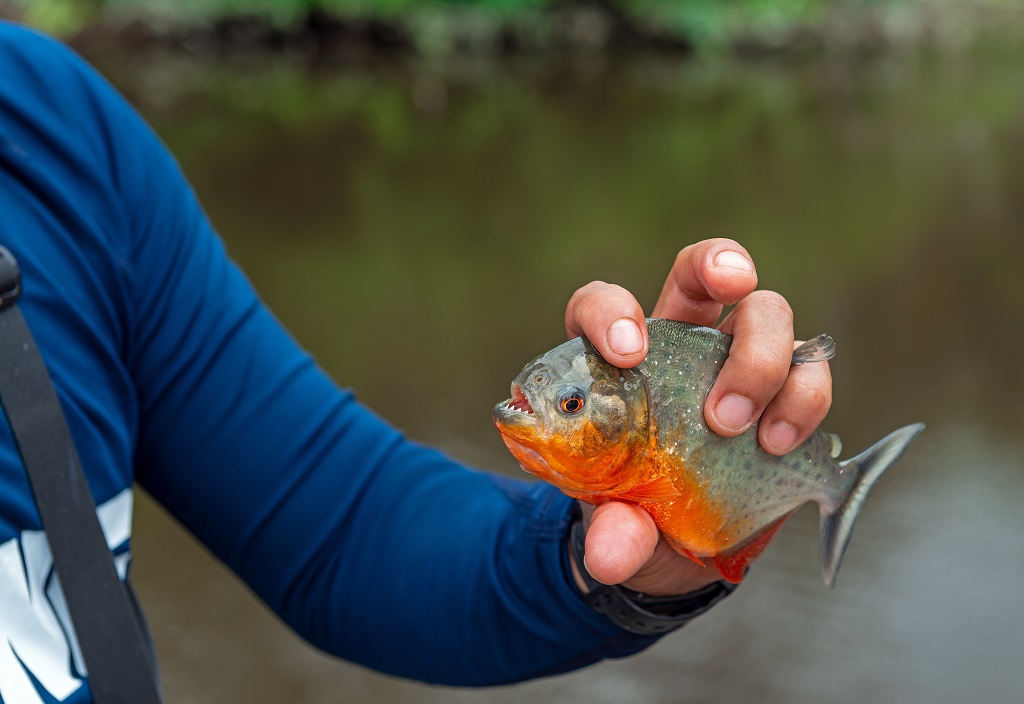
For the adventurous eater, piranha represents the ultimate opportunity to bridge the gap between fear and food. By approaching the experience with caution, respecting local environmental laws, and relying on the expertise of local guides, you can enjoy a dish that is as historic as it is misunderstood. The next time you hear a tale of the "vicious" piranha, remember: it is far more likely to end up on your plate than it is to ever take a bite out of you.