In the high-stakes world of consumer electronics, the promise of "future-proofing" is a powerful marketing tool. However, for Apple, that promise recently culminated in a significant legal hurdle. This past May, the tech giant agreed to a $250 million settlement to resolve a class-action lawsuit centered on allegations that the company misled consumers regarding the capabilities of its much-touted "Apple Intelligence" suite, specifically the long-delayed overhaul of its flagship voice assistant, Siri.
While the sophisticated AI features that were the subject of the original dispute are finally rolling out to users via iOS 27, the legal fallout continues to impact the company’s bottom line. For thousands of iPhone owners who purchased specific devices during the transition period, the settlement offers a tangible form of restitution: cash payments that could reach up to $95 per device.
The Chronology of a Failed Launch
The controversy stems from a period of intense pressure within the artificial intelligence race. As competitors like Google and OpenAI rapidly deployed generative AI tools, Apple sought to reassure its user base that it was not falling behind.
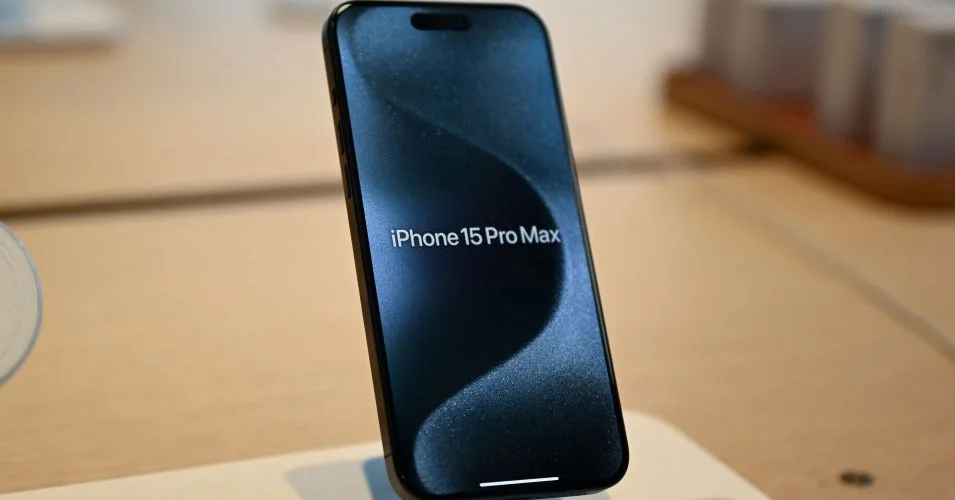
- The Announcement (June 2024): Apple heavily marketed its new lineup of iPhone 15 and 16 models, positioning them as the essential hardware vessels for a "smarter" Siri. Marketing materials emphasized that these devices would be the first to truly harness the power of on-device Apple Intelligence.
- The Delay: As the months progressed, users who upgraded their hardware specifically for these AI capabilities found themselves met with "Coming Soon" notifications and software updates that lacked the promised features.
- The Litigation: Consumers, frustrated by the gap between the marketing narrative and the actual user experience, filed a class-action lawsuit. The plaintiffs argued that Apple utilized deceptive trade practices by selling devices based on features that were not functional at the time of purchase.
- The Settlement (May 2025): Faced with the prospect of a prolonged court battle, Apple entered into a $250 million settlement agreement. While the company maintained its denial of any wrongdoing, the payout signaled an effort to move past the public relations nightmare.
Supporting Data: Who Is Eligible?
The settlement is structured to compensate a specific subset of the Apple consumer base. To qualify for a payout, an individual must meet the following criteria:
- Location: The claimant must be a resident of the United States.
- Purchase Window: The device must have been purchased between June 10, 2024, and March 29, 2025.
- Eligible Hardware: The claim must pertain to specific iPhone 15 or iPhone 16 models acquired directly from Apple or authorized retail channels.
If an owner qualifies, the settlement provides up to $95 per device. This is a significant figure in the world of class-action litigation, where payouts often equate to a fraction of the original purchase price. The settlement also accounts for users who may have purchased multiple devices during this period, allowing them to file separate claims for each eligible unit.
The Official Stance: Denial and Resolution
Apple’s approach to the settlement has been characterized by a careful balance of legal caution and corporate pragmatism. In their official statement released in May, the company stated: "We resolved this matter to stay focused on doing what we do best, delivering the most innovative products and services to our users."
This language is standard for corporate legal settlements, where a company settles to avoid the volatility of a jury trial, even while explicitly denying any legal liability. By settling, Apple avoids the discovery process—a phase of litigation that could have exposed internal communications regarding the development timelines and marketing strategies of Apple Intelligence.
The plaintiffs, however, feel vindicated. The claim form itself forces an acknowledgment of the core grievance: "I expected to receive a Siri Apple Intelligence feature and did not receive it." By signing this statement, claimants are effectively formalizing the breach of expectation that led to the legal action.
Navigating the Claims Process
For those eligible, the process of securing compensation is relatively straightforward, though it requires attention to detail. Claims are being processed through the dedicated portal: smartphoneaisettlement.com.
Step-by-Step Instructions:
- Initiation: Navigate to the website and click the blue "File A Claim" button in the top-right corner.
- Documentation: You will be prompted to provide identification for your device. While a Claim ID and PIN are helpful if you received them via mail, they are not mandatory. You can proceed without them.
- Verification: On the final page of the portal, you will need your iPhone’s serial number or your Apple Account ID.
- To find your serial number: Open the Settings app on your iPhone, tap General, and select About. The serial number is the alphanumeric string near the top.
- Payment Selection: Users have the flexibility to choose their preferred method of disbursement, including PayPal, Venmo, direct electronic bank transfer, or a traditional paper check.
- Submission Deadline: It is critical to note that all claims must be filed by December 21.
If you own multiple eligible devices, you must repeat this process for each individual serial number. The system does not support bulk uploads for multi-device households.
The Broader Implications: AI, Marketing, and Trust
This settlement serves as a cautionary tale for the technology industry at large. As companies scramble to integrate generative AI into every aspect of their product ecosystems, the "Siri Overhaul" saga highlights the dangers of "vaporware"—the practice of marketing features that are not yet ready for public consumption.
The Erosion of Consumer Trust
For years, Apple’s brand equity was built on the premise that its products "just work." The delay of Apple Intelligence challenged this narrative. When a brand known for polish and precision begins to market products based on future promises rather than current functionality, it invites intense scrutiny from both regulators and the public.
The Legal Precedent
This settlement could set a precedent for how future AI-based marketing is regulated. If major tech companies are held financially liable for failing to deliver AI features by the time a product hits the shelf, we may see a shift in marketing language. Future product launches may feature more conservative, legally vetted language regarding the availability of "beta" or "forthcoming" features, shifting the burden of uncertainty back onto the consumer.
The Software-Hardware Paradox
The core of the issue lies in the modern smartphone’s identity as a hybrid of hardware and software. In the past, when you bought an iPhone, you were buying a piece of physical engineering. Today, you are buying an entry point into a software ecosystem. When that ecosystem fails to evolve as promised, the hardware itself feels diminished. This settlement highlights that consumers are becoming increasingly sophisticated in their understanding of this relationship, demanding that if the software promise is broken, the hardware value must be re-evaluated.
Moving Forward: What Comes Next?
While the settlement closes the legal chapter on the initial launch failures, it also serves as a benchmark for Apple’s ongoing commitment to AI. With iOS 27 now available, the features that were once the source of this litigation are finally reaching the hands of users.
For the average consumer, the lesson is clear: check the specifications of your device at the time of purchase, and do not hesitate to hold corporations accountable when their marketing exceeds their delivery. For Apple, the $250 million payment is a sunk cost, but the task of restoring total confidence in its AI development remains an ongoing project.
As the digital landscape becomes increasingly dominated by artificial intelligence, the line between "innovative product" and "misleading advertisement" will only become thinner. Apple’s struggle is not an isolated incident; it is a symptom of an industry in a rush to define the next era of computing. Whether this settlement will curb the aggressive marketing tactics of Big Tech remains to be seen, but for the iPhone owners affected, it provides a rare moment of tangible compensation for the frustration of waiting on a promise that took far too long to keep.
If you believe you are part of the eligible class, ensure your claim is filed via the official portal before the December 21 deadline. Your patience, in this case, might finally have a dollar value attached to it.