Mount Kilimanjaro, the "Roof of Africa," stands as a beacon for adventurers, mountaineers, and ecotourists worldwide. While the mountain offers several paths to its iconic Uhuru Peak, few command the respect and admiration of the Lemosho Route. Renowned for its breathtaking scenery, minimal traffic, and a superior success rate, Lemosho has emerged as the premier choice for those seeking an authentic, transformative trekking experience.
As travel trends shift toward sustainable, low-impact tourism, Kilimanjaro Tanzanite Safaris—a leading destination management company (DMC)—is championing the Lemosho trail as the definitive route for trekkers prioritizing both ecological immersion and physical success.
The Allure of Lemosho: A Synthesis of Nature and Challenge
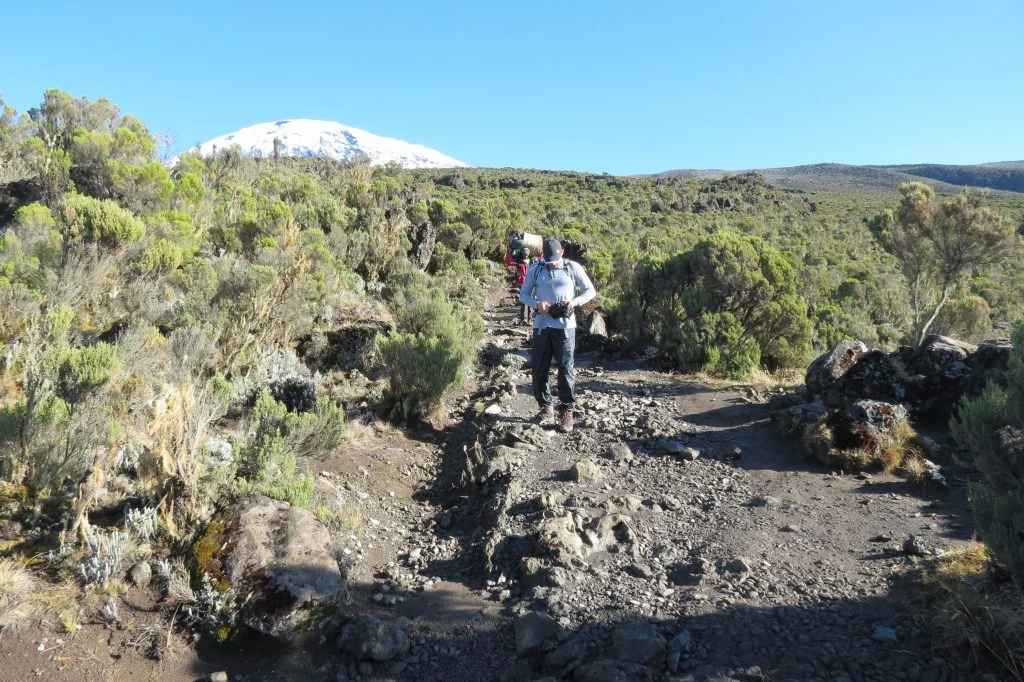
The Lemosho Route is widely celebrated for its "wilderness feel." Unlike busier trails that suffer from overcrowding, Lemosho offers a pristine environment, allowing climbers to connect deeply with the diverse ecosystems of Tanzania. From lush rainforests to the high-altitude moorlands and the stark, volcanic beauty of the alpine desert, the route provides a panoramic masterclass in geography.
For those prioritizing ecotourism, the trail serves as an educational corridor. Hikers are treated to rare flora and fauna, including the giant lobelias and groundsels that define the mountain’s unique high-altitude botany. By choosing Lemosho, adventurers participate in a form of travel that respects the delicate balance of the Kilimanjaro National Park ecosystem while supporting local economies.
Chronology: A Step-by-Step Guide to the Lemosho Expedition
Whether opting for the standard 7-day trek or the recommended 8-day itinerary, the journey is meticulously structured to facilitate gradual altitude adaptation.
Days 1–3: Into the Wild
The expedition commences with a transfer from Moshi or Arusha to the Londorosi Park Gate. Following registration, the journey begins with a drive to the Lemosho Glades, followed by an introductory trek to the Mti Mkubwa (Big Tree) campsite at 2,750 meters.
As the trek continues, the landscape transitions into giant heather moorland. On the second day, climbers traverse the Shira Ridge, reaching 3,600 meters before descending into the Shira 1 camp. The third day is a highlight for many: a gentle walk across the Shira Plateau to Shira 2. This plateau provides a vital acclimatization period, allowing the body to adjust to thinning air while offering expansive, photographic views of the mountain’s volcanic rim.
Days 4–5: The Push Toward the Roof of Africa
Day 4 sees the trek turn east, crossing toward the iconic Lava Tower—a significant landmark for acclimatization—before descending to the Barranco Hut.
For those on the 8-day itinerary, an extra night is spent at the Karanga Camp. This additional day is statistically proven to increase summit success rates, as it grants the body crucial recovery time. Following the Karanga Valley, the path ascends a rugged ridge to Barafu Hut, the final base camp perched at 4,600 meters. Here, the atmosphere is thin and the terrain sparse, serving as the launchpad for the final assault.
Days 6–7: The Summit and the Return
The penultimate day begins under the cover of darkness. Climbers ascend the Kibo Crater rim, often navigating snow-dusted paths, to reach the elusive Uhuru Peak at sunrise. The descent is equally purposeful, passing through the heather zone to the Mweka Hut. The final day involves a descent through the dense, vibrant forest, leading back to the park gate and the waiting transport to civilization.
Supporting Data: Why 8 Days Outperforms 7
In the world of high-altitude mountaineering, time is the greatest ally of the human body. While a 7-day Lemosho trek is feasible, Kilimanjaro Tanzanite Safaris strongly advocates for the 8-day program.
The primary factor is the rate of physiological adaptation. Rapid ascent is the leading cause of Acute Mountain Sickness (AMS). By extending the trip, hikers benefit from an additional night at Karanga Camp, which allows for deeper acclimatization. Data from professional outfitters consistently shows that these extra 24 hours of rest significantly correlate with higher summit success rates and, more importantly, a safer, more enjoyable climb.
Expert Insights and Operational Excellence
"Choosing the right route is not just about logistics; it is about the philosophy of the climb," says a representative from Kilimanjaro Tanzanite Safaris. The organization, which holds a reputation for high-quality service and environmental stewardship, provides essential support systems for all climbers.
These include:
- Emergency Infrastructure: Each trek is equipped with portable oxygen bottles and pulse oximeters to monitor blood-oxygen saturation levels daily.
- Comprehensive Safety: All packages include AMREF Flying Doctor Air Rescue insurance, providing peace of mind in the remote, high-altitude environment.
- Logistical Support: From park fees and expert guide salaries to nutritious, high-altitude-appropriate meal plans, the DMC manages the complexities of the mountain so that trekkers can focus on the experience.
Implications for Future Travelers
As the global tourism industry evolves, the demand for "purposeful travel" is at an all-time high. Travelers are no longer satisfied with simple sightseeing; they want to contribute positively to the destinations they visit.
Ecotourism and Economic Impact
By booking through a reputable local operator, travelers directly contribute to the Tanzanian economy. Employment of local guides, porters, and cooks ensures that tourism revenue remains within the local community. Furthermore, the Lemosho route’s emphasis on "leave no trace" principles ensures that the mountain remains pristine for future generations.
Practical Advice for Aspiring Mountaineers
For those planning an expedition, the choice of operator is as critical as the choice of route. Kilimanjaro Tanzanite Safaris advises potential climbers to look for:
- Professional Certification: Ensure the company is a recognized DMC with a proven track record.
- Transparency: All-inclusive pricing—covering everything from airport transfers to summit certificates—prevents hidden costs and stress.
- Flexibility: While the Lemosho route is standardized, the best operators offer customized adjustments for students, educational groups, and photographic expeditions.
A Note on Preparation
Prospective climbers should be aware that while the Lemosho route is highly successful, it still requires physical training. Essential items like high-quality climbing gear can be rented locally, but personal fitness, mental preparation, and the right attitude are the climber’s own responsibility.
As noted by the team at Kilimanjaro Tanzanite Safaris, travelers should book their own accommodation in Moshi to ensure they select the eco-resort or lodge that best fits their personal style and budget, offering a comfortable environment to prepare before the trek and recover afterward.
Conclusion: An Invitation to the Summit
Mount Kilimanjaro remains one of the most accessible yet challenging adventures on the planet. Through the Lemosho route, the journey is transformed from a mere physical test into a profound exploration of Africa’s natural beauty.
Whether you are a professional photographer looking to capture the sunrise from the glaciers of Uhuru Peak, a student of ecology, or a mountaineer seeking to check a major peak off your list, the Lemosho 8-day adventure provides the perfect balance of challenge and comfort. By choosing a responsible operator, you ensure that your journey supports the mountain’s longevity while providing you with the memory of a lifetime.
For inquiries regarding your next Kilimanjaro expedition or to plan a comprehensive wildlife and mountain safari, contact the team at Kilimanjaro Tanzanite Safaris. Your journey to the Roof of Africa begins with a single, well-planned step.