Main Facts: A Journey of Discovery
In a recent expedition that bridged the gap between professional whitewater training and cultural immersion, Mike and Cody—seasoned river guides—embarked on an arduous journey to Northern India. Their objective was twofold: to refine their technical expertise by training with the esteemed instructors of the Hannibal Outdoor Center and to navigate the legendary currents of the Ganges River.
The Ganges, known locally as the Ganga, is far more than a waterway; it is the spiritual lifeblood of the Indian subcontinent. For Mike and Cody, the trip provided a rare opportunity to study local rafting safety standards while simultaneously engaging with a civilization that defies Western categorization. The expedition moved beyond the typical tourist path, forcing the pair to grapple with the profound contradictions of a nation that holds the world’s most sacred river in reverence while struggling with the environmental realities of industrialization and rapid population growth.
Chronology: Navigating the Himalayan Foothills
The itinerary began in the foothills of the Himalayas, a landscape that immediately challenged the duo’s perception of scale. At elevations ranging between 8,000 and 12,000 feet, the terrain remained dense with villages and mountain outposts, a testament to the sheer magnitude of the Himalayan range.
The Ascent and the River
Upon reaching the upper reaches of the Ganges, the team met with local guides to discuss the intricacies of navigating Himalayan flows. Unlike the rivers of the American West, the Ganges is a beast of immense power, fed by glacial melt and monsoon rains. During their descent, the duo estimated the flow to be an staggering 40,000 cubic feet per second (cfs). This volume, characterized by massive hydraulics and unpredictable turbulence, required constant vigilance and a high degree of technical proficiency.
Cultural Immersions in Haridwar
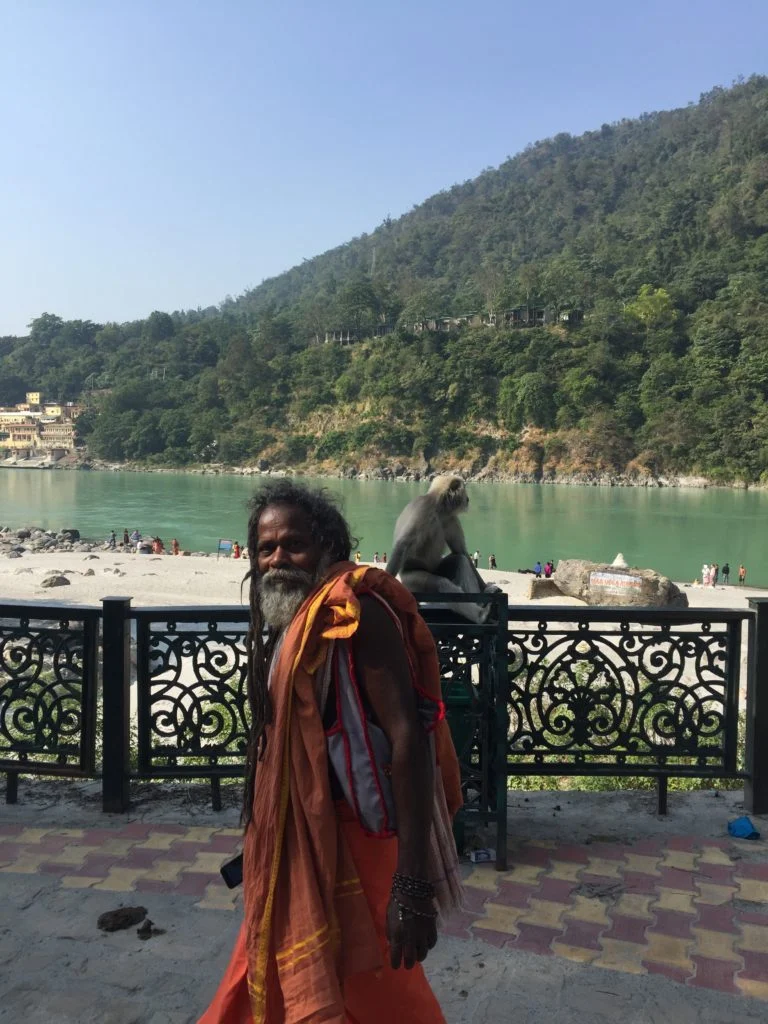
Before and after their time on the water, the team spent significant time in Haridwar, one of the seven holiest cities in Hinduism. It is here that the river exits the mountains and enters the plains. The chronology of their trip was marked by the daily rhythms of the ghats—the stone steps leading down to the water’s edge. They observed thousands of pilgrims participating in Aarti (prayer ceremonies) and ritual cleansing, a practice that has remained largely unchanged for millennia.
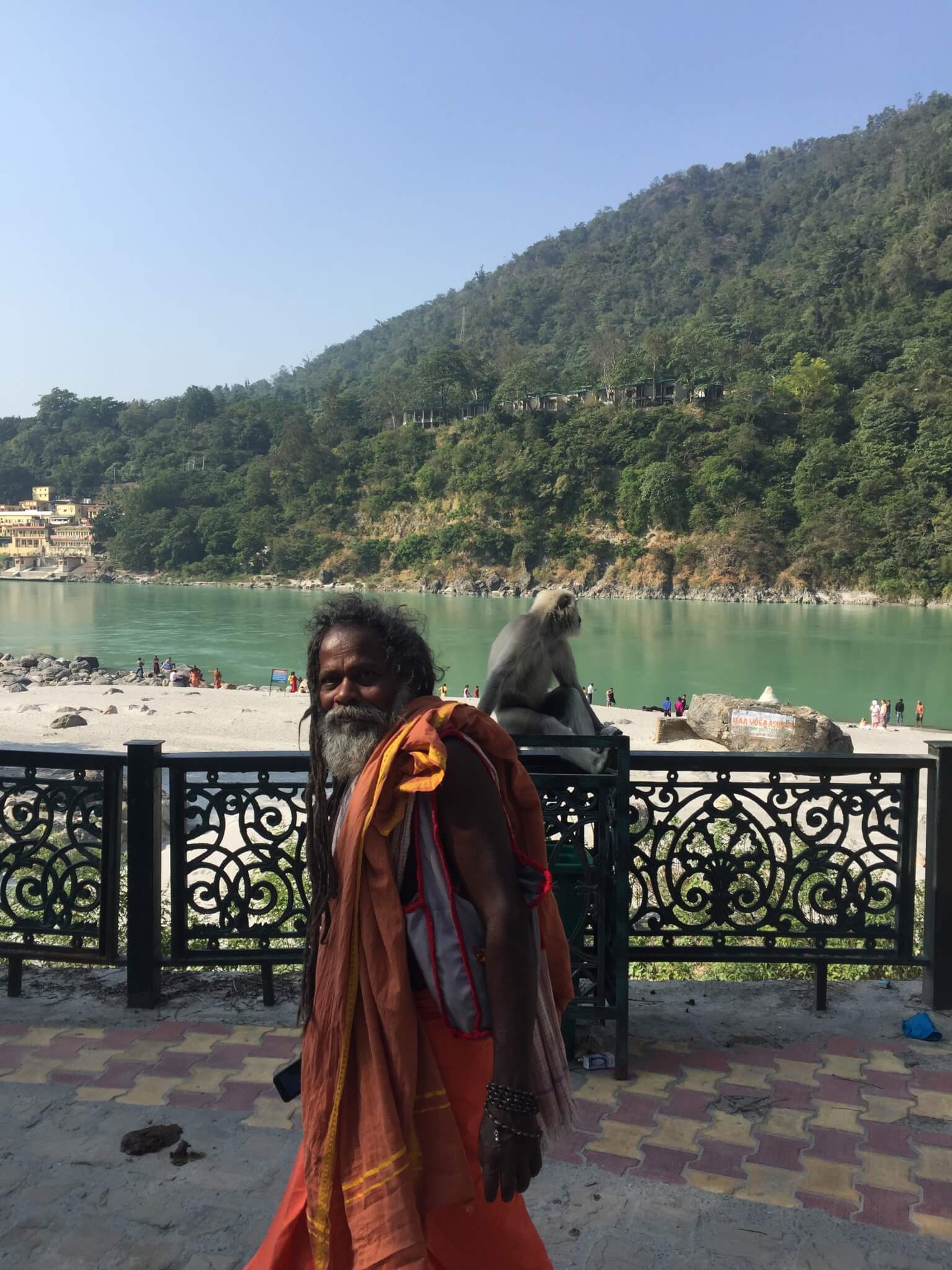
Traversing the Subcontinent
The final phase of their journey involved transitioning from the river to the rails. Moving through India by train and rickshaw provided a secondary layer of exploration. The team noted that the rail system serves as the arteries of the nation, offering a panoramic, albeit jarring, view of India’s landscape: a constant transition between breathtaking natural beauty and the sobering presence of urban landfills and infrastructure challenges.
Supporting Data: The Scale of a Nation
To understand the context of Mike and Cody’s expedition, one must look at the staggering statistics that define India.
Demographic and Linguistic Complexity
India is currently home to over 1.4 billion people—roughly one-fifth of the global population. This massive density creates a unique societal fabric. While Hindi serves as a lingua franca for many, the country is home to approximately 3,000 distinct languages and dialects. This linguistic diversity is mirrored by a biodiversity that is equally overwhelming. During their travels, the pair encountered an ecosystem teeming with wild elephants, monkeys, cobras, and other species, often existing in close, sometimes volatile, proximity to human settlements.
The Environmental Paradox
Perhaps the most striking data point encountered by the team was the state of the Ganges itself. Despite its status as a deity in physical form, the river is categorized as one of the most polluted in the world. The paradox is driven by:
- Industrial Runoff: Untreated waste from thousands of factories along the riverbank.
- Human Waste: The challenge of sanitation for a massive, rapidly urbanizing population.
- Agricultural Runoff: Pesticides and fertilizers that drain into the watershed.
The contrast between the "cleansing" ritual of the pilgrims and the physical reality of the water quality serves as a microcosm for the larger environmental challenges facing the developing world.

Official Responses and Industry Standards
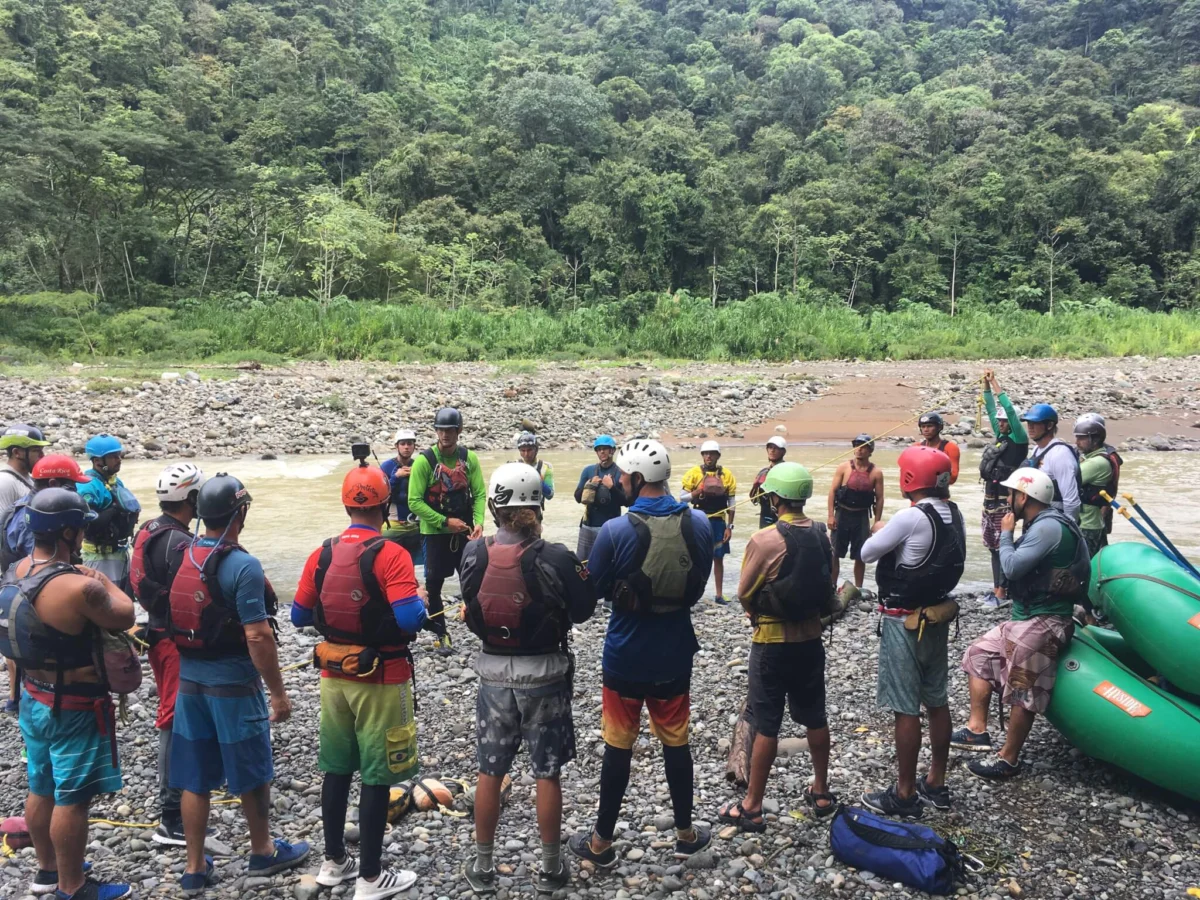
During their stay, Mike and Cody were not merely tourists; they were students of the Hannibal Outdoor Center. This collaboration allowed for an exchange of knowledge regarding safety protocols.
In India, rafting standards have evolved rapidly to meet the demands of a growing adventure tourism sector. Local guides emphasize "local knowledge"—an intimate understanding of the river’s eddies, strainers, and seasonal fluctuations. The consensus among the professional rafting community in the region is that international standards, such as those used in the United States, must be adapted to the specific, high-volume nature of Himalayan rivers. The Hannibal Outdoor Center’s training modules focus on heavy-water rescue techniques, acknowledging that the consequences of a swim in 40,000 cfs of glacial water are significantly higher than in standard river conditions.
Implications: The Future of Adventure and Conservation
The journey of Mike and Cody highlights several critical implications for the future of international adventure travel and global sustainability.
The Burden of Tourism
As adventure tourism increases in India, the impact on local ecosystems becomes a point of contention. The presence of rafts and rescue crews on sacred rivers necessitates a delicate balance between commerce and conservation. There is a growing movement among local guides to implement "Leave No Trace" principles, though these efforts are often hampered by the sheer scale of the waste management issues in the surrounding cities.
A Lesson in Perspective
For the travelers, the most significant takeaway was not the technical challenge of the rapids, but the humility induced by the culture. Witnessing the intersection of deep-rooted spirituality and extreme poverty forces a re-evaluation of Western definitions of "success" and "comfort." The "heroic subsistence agriculture" witnessed from the train windows reminded the team that millions of people operate on a level of resilience that is rarely seen in more developed economies.

A Call for Continued Engagement
The conclusion drawn by Mike and Cody is one of profound respect. Rather than focusing solely on the pollution or the hardships, they chose to emphasize the "potential" of the region. India is a country in a state of rapid transformation, balancing an ancient heritage with the pressures of the 21st century.
Their intention to return is not merely for the whitewater—though the Himalayan rivers offer some of the most challenging terrain on the planet—but for the ongoing education that India provides. As they noted, the country is "overwhelming" in every sense of the word. For any traveler, researcher, or guide, India acts as a mirror, reflecting both the darkest and most beautiful aspects of the human experience.
In closing, the expedition serves as a reminder that the world is a complex, often contradictory place. Whether navigating a massive hydraulic on the Ganges or observing the silent dignity of a villager in the foothills, the experience of India remains a masterclass in perspective. For Mike and Cody, the journey is far from over; it is merely the first chapter in a lifelong dialogue with a land that refuses to be ignored.