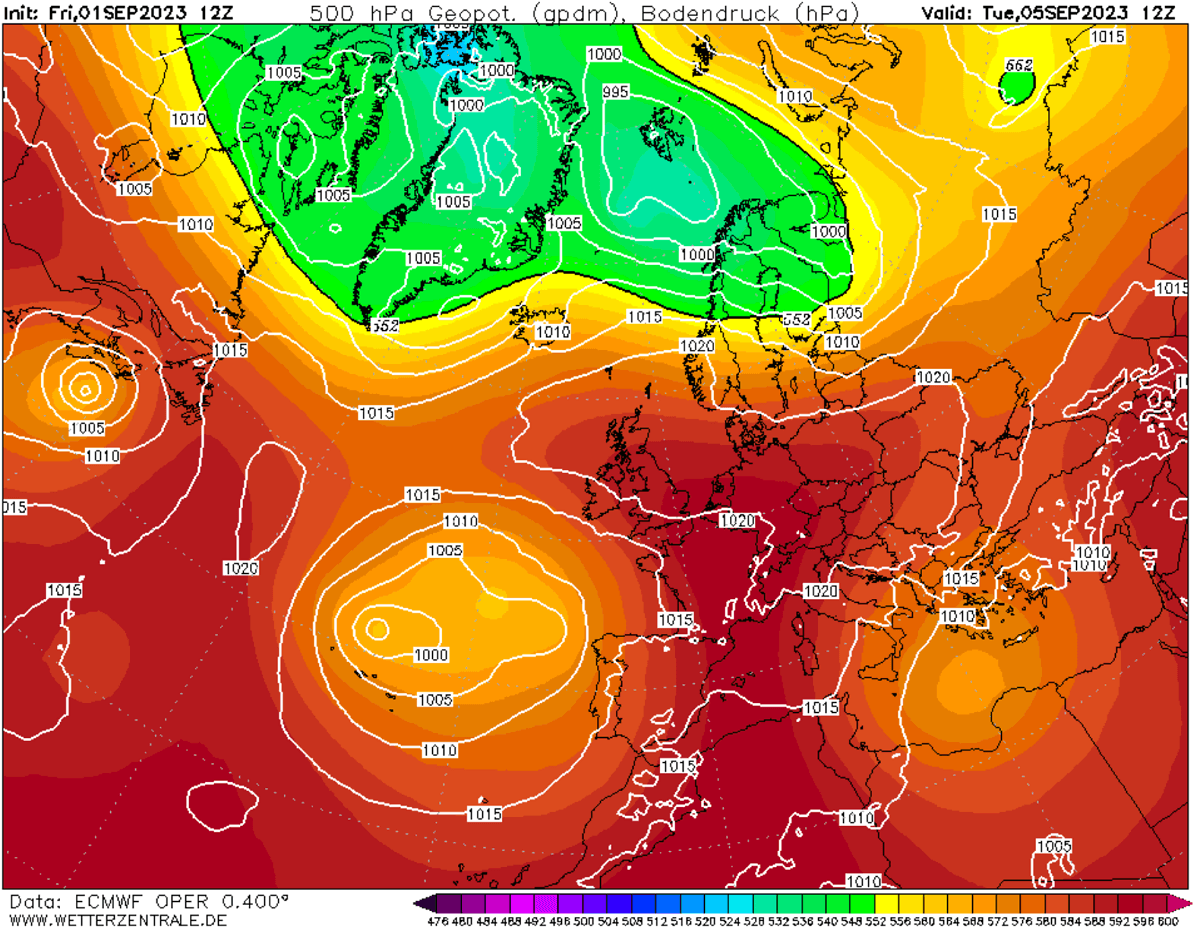
The ink has barely dried on May’s record-breaking climate charts, yet Europe finds itself thrust into an atmospheric crisis of unprecedented intensity. A meteorological phenomenon known as an “Omega Block”—a stubborn, high-pressure system that stalls the jet stream—has paralyzed the upper atmosphere across the continent. This has effectively locked a monstrous "Heat Dome" over Europe, triggering an excessive heatwave that is not merely a seasonal fluctuation, but a potential turning point for regional climate stability.
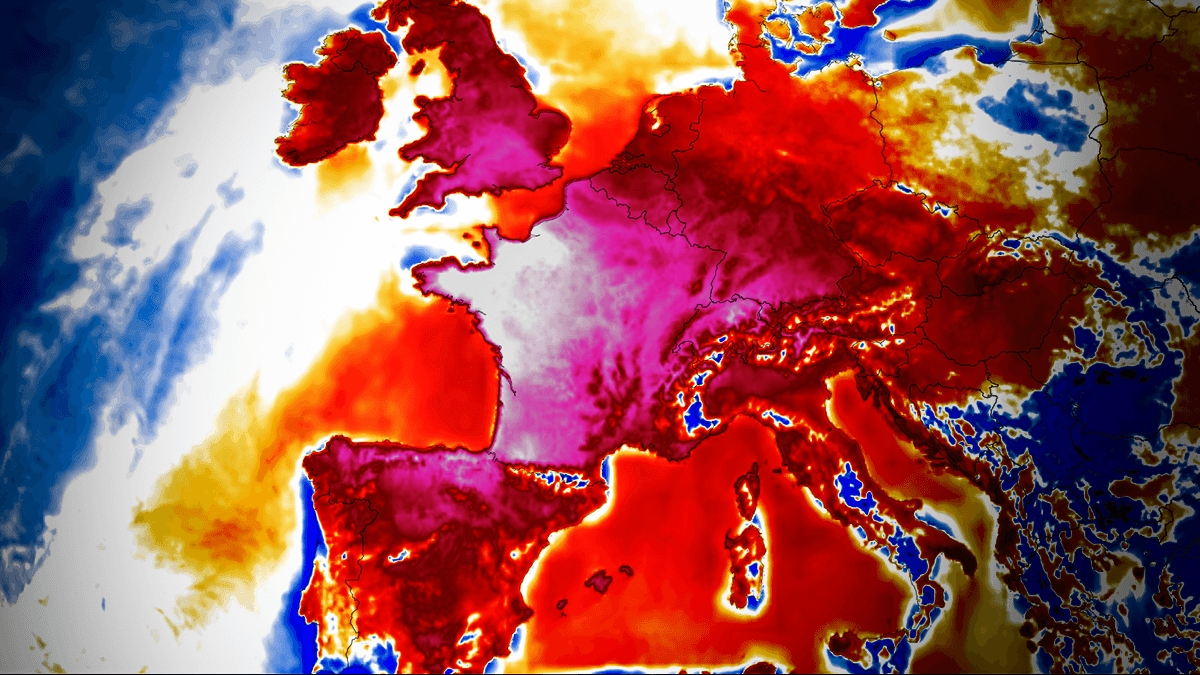
As of late June, this thermal anomaly is projecting a spike so severe that it threatens to shatter hundreds of historical records. Meteorologists warn that the intensity of this event, which is occurring significantly earlier in the season than is typical for such temperatures, could see regions reaching all-time heat records usually reserved for the peak of late July.
The Mechanics of the Siege: What is a Heat Dome?
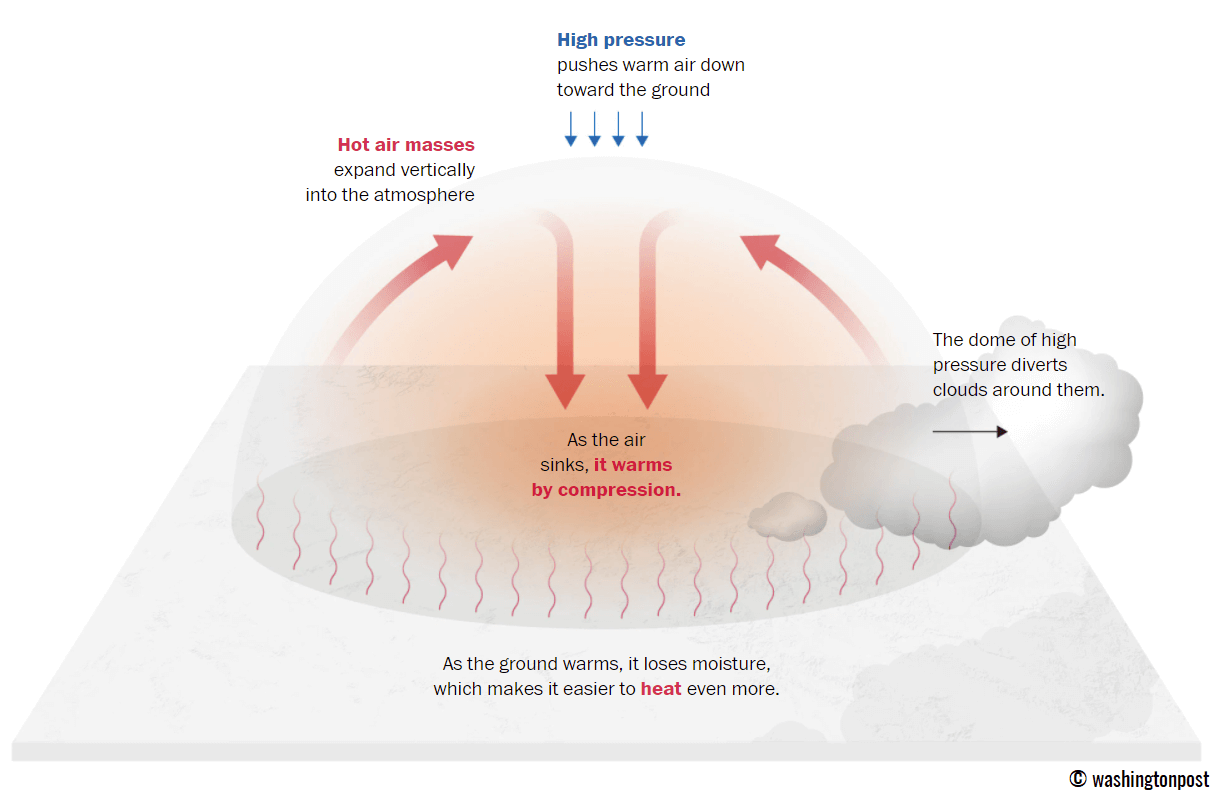
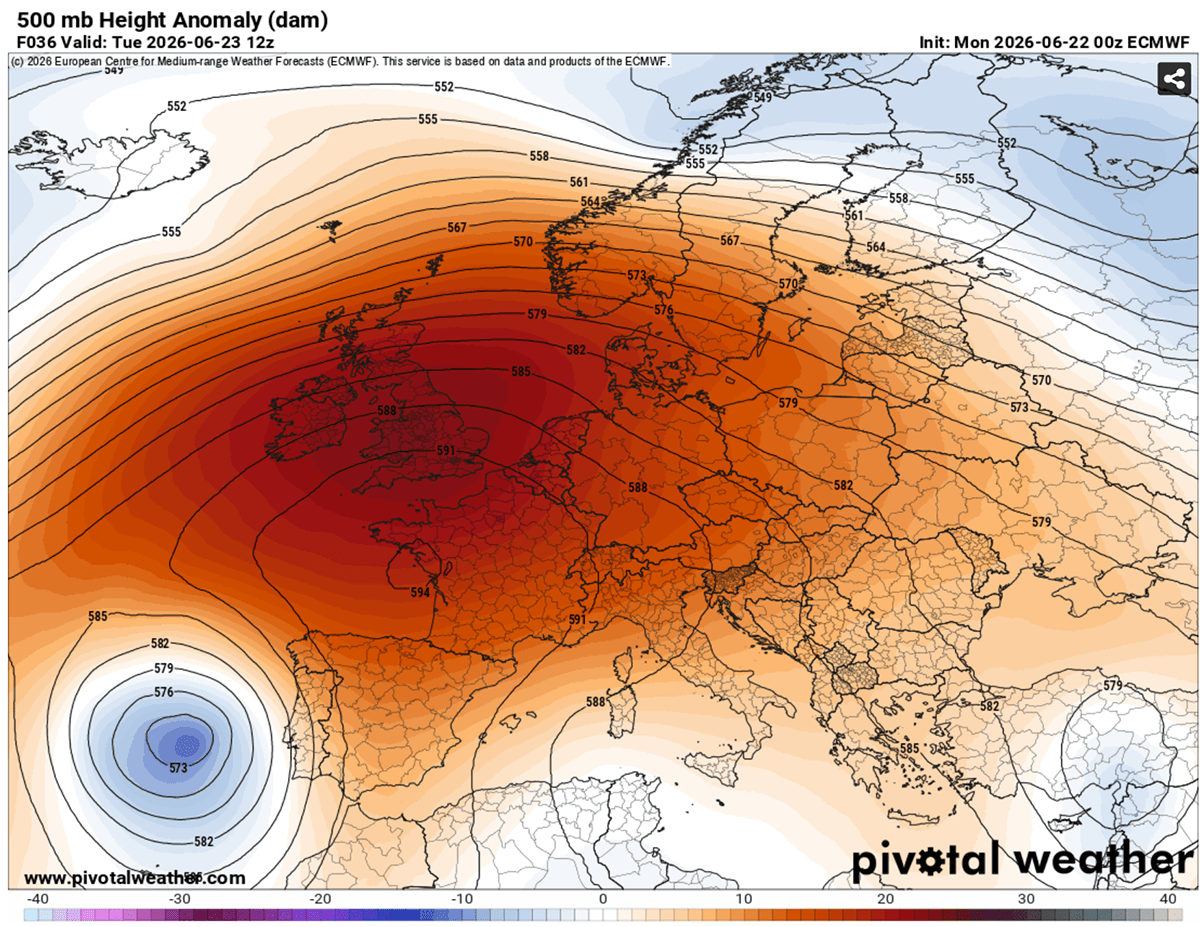
To understand the severity of the current crisis, one must look at the atmospheric physics at play. A Heat Dome is created when a high-pressure system parks over a large geographic area, acting as a pressurized lid on a pot. Within this dome, hot air is trapped at all altitudes, and the weight of the atmosphere above forces the air downward. As this air descends, it compresses, generating immense heat through a process known as adiabatic warming.
This specific Omega Block is remarkably stable. Because the system is stationary, it prevents the usual "atmospheric ventilation" that would otherwise bring cooler air from the Atlantic. Beneath this lid, the air is stagnant, Saharan-sourced, and relentlessly dry. This creates a feedback loop: the hotter it gets, the more the ground dries out, which in turn prevents the earth from utilizing its natural cooling mechanism—evapotranspiration. Consequently, major urban centers like Paris, London, Frankfurt, and Brussels are effectively being transformed into vast, concrete ovens.
A Chronology of the Escalation
The progression of this heatwave has been rapid and uncompromising. Since the summer solstice, the heat has intensified with a consistency that has stunned the scientific community.
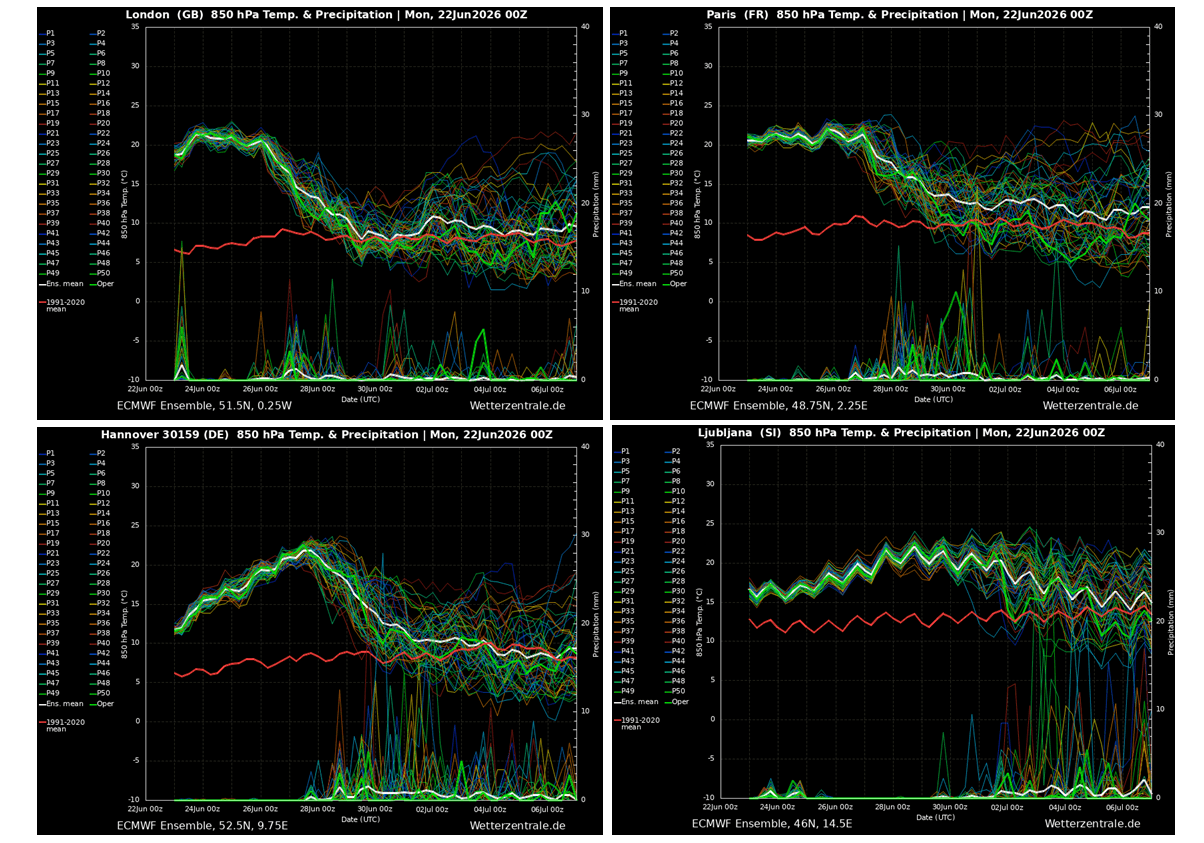
- The Initial Surge (Late June): The heatwave began with temperatures in the high 30s (°C) across the Iberian Peninsula and southwestern France. By early this week, the core of the heat dome began its expansion, pushing temperatures toward the 40°C threshold.
- The Mid-Week Peak: France, Benelux, and western Germany are currently bearing the brunt of the heat. Forecast models indicate peak afternoon temperatures of 43–45°C in central and northern France. These numbers are roughly 12–18°C above the seasonal average.
- The Weekend Expansion: As the core of the dome shifts eastward, the focus of the extreme heat will migrate toward Germany, Denmark, southern Scandinavia, the Baltic region, and the Czech Republic. By the weekend, the heat is expected to penetrate the Alpine regions and the central Balkans.
Supporting Data and Meteorological Anomalies
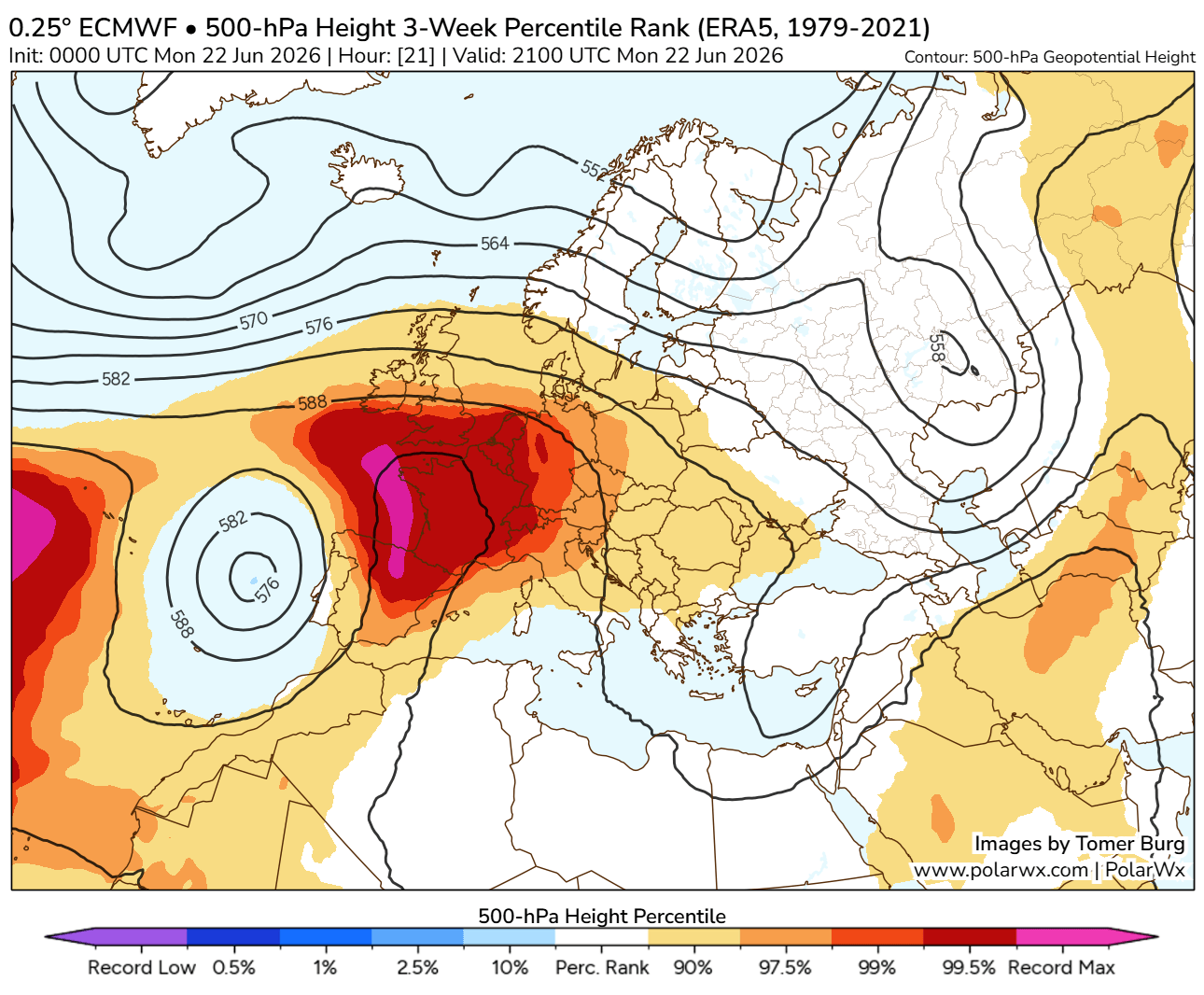
The data emerging from global models, including the ECMWF (European Centre for Medium-Range Weather Forecasts) and the GFS (Global Forecast System), show 500 mbar geopotential heights reaching levels that are statistically anomalous for late June. These heights are a proxy for the intensity of the upper-level ridge.
Perhaps the most alarming development is the "Heat Wave Flash Drought" (HWFD) or the "hairdryer effect." The combination of extreme heat, exceptionally low relative humidity (often below 10%), and sustained gusty winds is causing a near-instantaneous evaporation of soil moisture. This rapid drying of the landscape creates a secondary crisis: as the ground loses its ability to hold moisture, the regional microclimate becomes even hotter, as no energy is diverted into evaporating water, leaving all solar radiation to heat the air.
In France, the intensity is such that major departments have been placed under "Red Alert," the highest level of weather warning. In the United Kingdom, the Met Office has issued a rare "Extreme Heat Warning" as temperatures threaten to obliterate a 50-year-old June record, with forecasts for 40°C becoming increasingly probable across southern England.
Official Responses and Public Safety
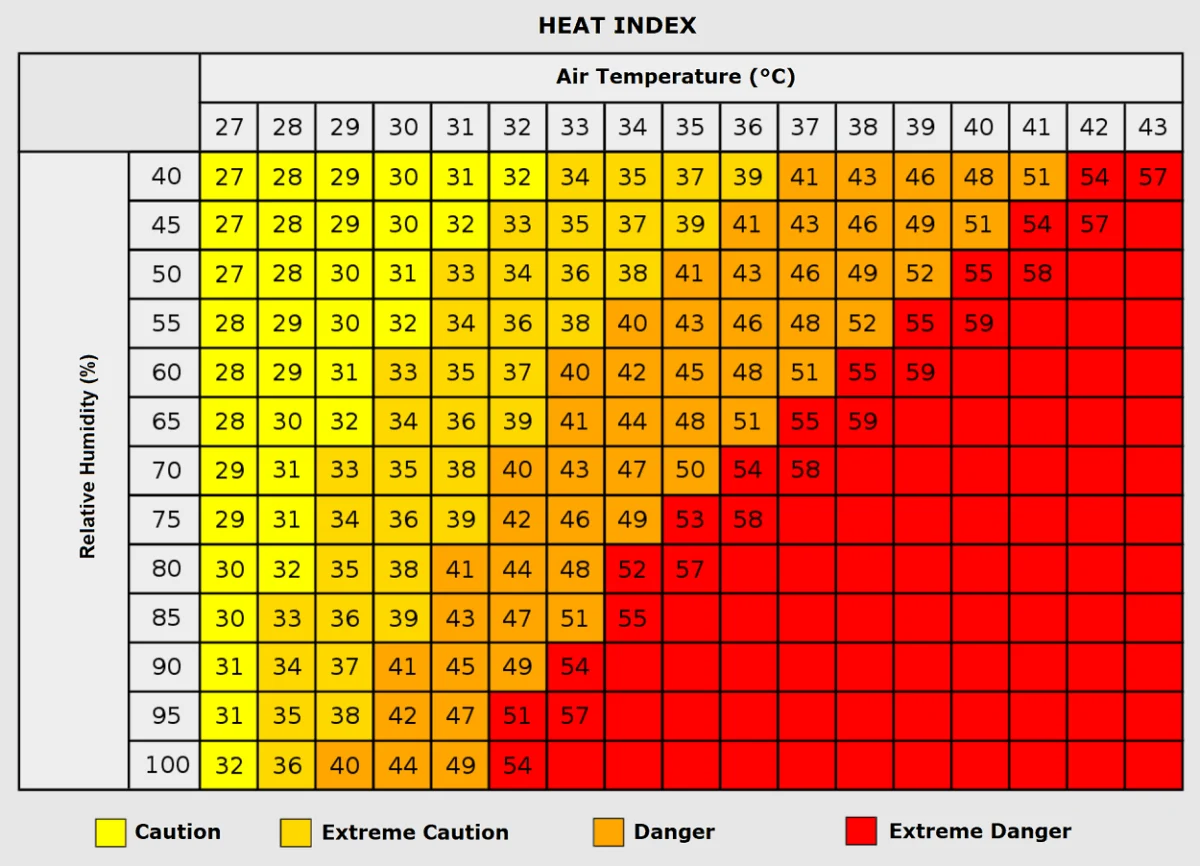
National weather services across Europe have uniformly adopted a posture of extreme caution. The primary concern is not just the daytime highs, but the so-called "tropical nights." When temperatures fail to drop below 24°C overnight, the human body is denied its vital window for thermal recovery. In a region where residential air conditioning remains the exception rather than the rule, this is a significant public health threat.
Emergency services are bracing for an onslaught of heat-related illnesses. Vulnerable populations—the elderly, children, and those with pre-existing cardiovascular or respiratory conditions—are at the highest risk. Furthermore, the heat poses a systemic risk to the labor sector; construction, agriculture, and other outdoor professions are being subjected to dangerous conditions that necessitate early start times or temporary work stoppages to prevent heat stroke and exhaustion.
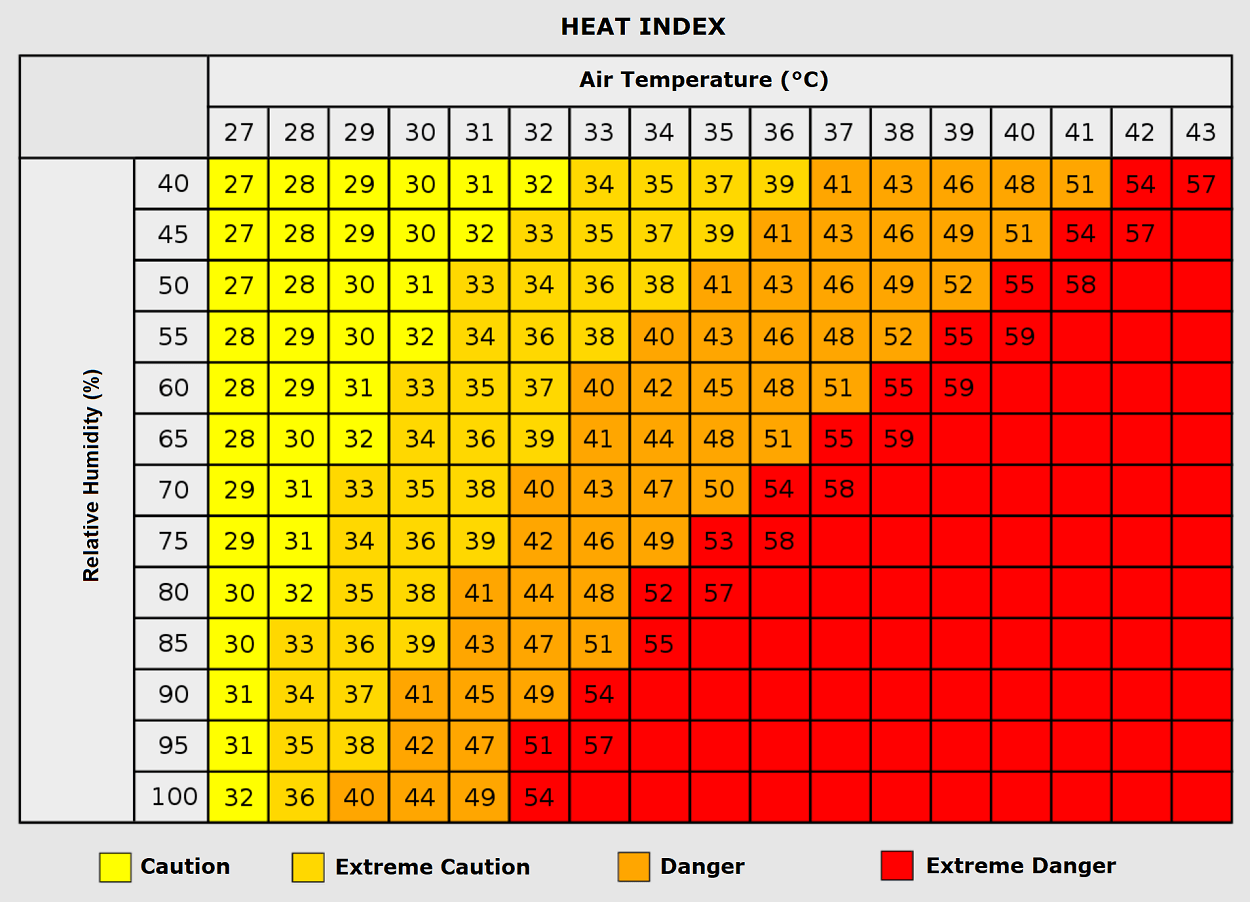
Governments are urging citizens to:
- Limit outdoor activity: Avoid strenuous physical exertion during the peak heat hours of 11:00 AM to 6:00 PM.
- Monitor hydration: Increase water intake, regardless of thirst levels.
- Check on neighbors: Specifically, the elderly and those living alone, whose housing may lack adequate ventilation or insulation against heat-trapping surfaces.
- Fire Safety: With the soil already stripped of moisture following a dry May, the risk of wildfires has escalated to "extreme" or "very extreme" levels. Authorities have implemented strict bans on open fires and agricultural burning in many regions.
Broader Implications: A Changing Climate Norm
The occurrence of such an event so early in the summer season is, according to climatologists, a harrowing signal of the shifting baseline for European weather. When 40°C temperatures reach as far north as the British Isles and Brittany in France, it serves as a stark reminder that the "extremes" of the past are becoming the "norms" of the present.
The socioeconomic consequences are likely to be far-reaching. Beyond the immediate health crises, the agricultural sector faces a potential catastrophe. Rapid leaf loss, crop failure, and the mortality of livestock are direct risks of the "hairdryer effect." Furthermore, the increased strain on energy grids—as demand for cooling surges in countries not designed for such loads—risks brownouts at the very moment citizens are most reliant on electricity for their safety.
As this Heat Dome continues to expand and solidify, the coming days will be a critical test for European infrastructure and social resilience. The "Great Siege" of June 2026 is likely to be studied for years to come, not only as a record-breaking meteorological event but as a defining moment in the history of European climate adaptation.
For now, the advice from meteorologists remains consistent: the heat is not merely a number on a thermometer; it is a sustained, cumulative, and lethal force. Vigilance, preparation, and an awareness of the physical limits of the human body are the only defenses against such a relentless atmospheric intruder. We will continue to monitor the evolution of this high-pressure system as it progresses across the continent, providing updates as the situation develops.