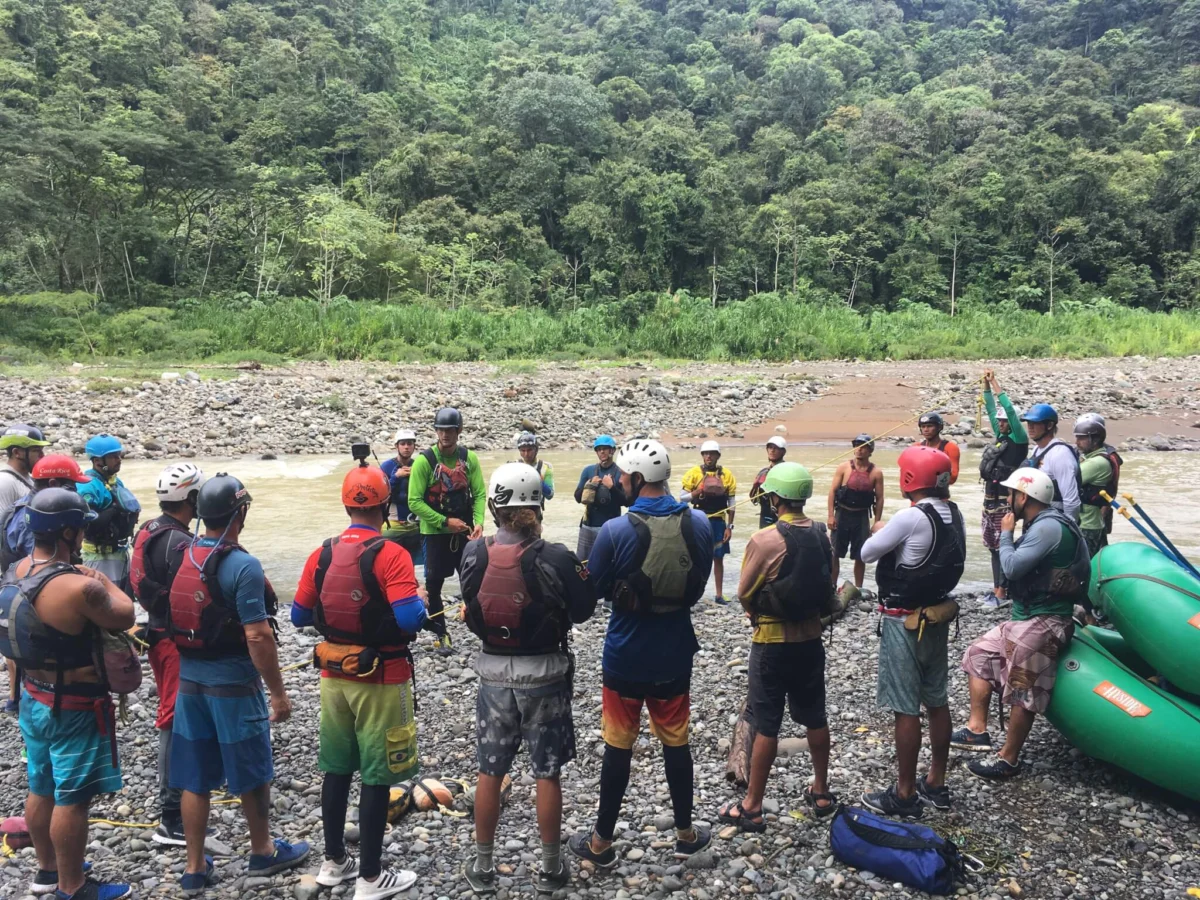
In the rugged, lush interior of Costa Rica, where the rivers run with both crystalline beauty and immense power, a critical initiative in emergency preparedness recently took place. Fifty of the country’s most seasoned whitewater rafting guides gathered on the banks of the Rio Savegre for an intensive five-day Swiftwater Rescue certification course. Led by Paul Heffernan and his team from the Whitewater Rescue Institute, the program sought to bridge the gap between world-class guiding expertise and the logistical realities of emergency response in remote, tropical environments.
The Core Objectives: Professionalizing River Safety
The primary mission of this training was to standardize response protocols among professional guides who operate in regions where conventional emergency medical services (EMS) are often hours, or even days, away. For these guides, the river is not just a workplace; it is an unpredictable partner.
The curriculum was designed to address the "LAST" phases of rescue: Locate, Access, Stabilize, and Transport. By focusing on these four pillars, the instructors aimed to provide a mental framework that remains stable even when the environment becomes chaotic. As the guides transitioned from classroom theory to practical, in-water application, the emphasis remained firmly on the "Hierarchy of Risk"—the progression from simple reach-and-throw maneuvers to the more complex, high-stakes "go" rescues.
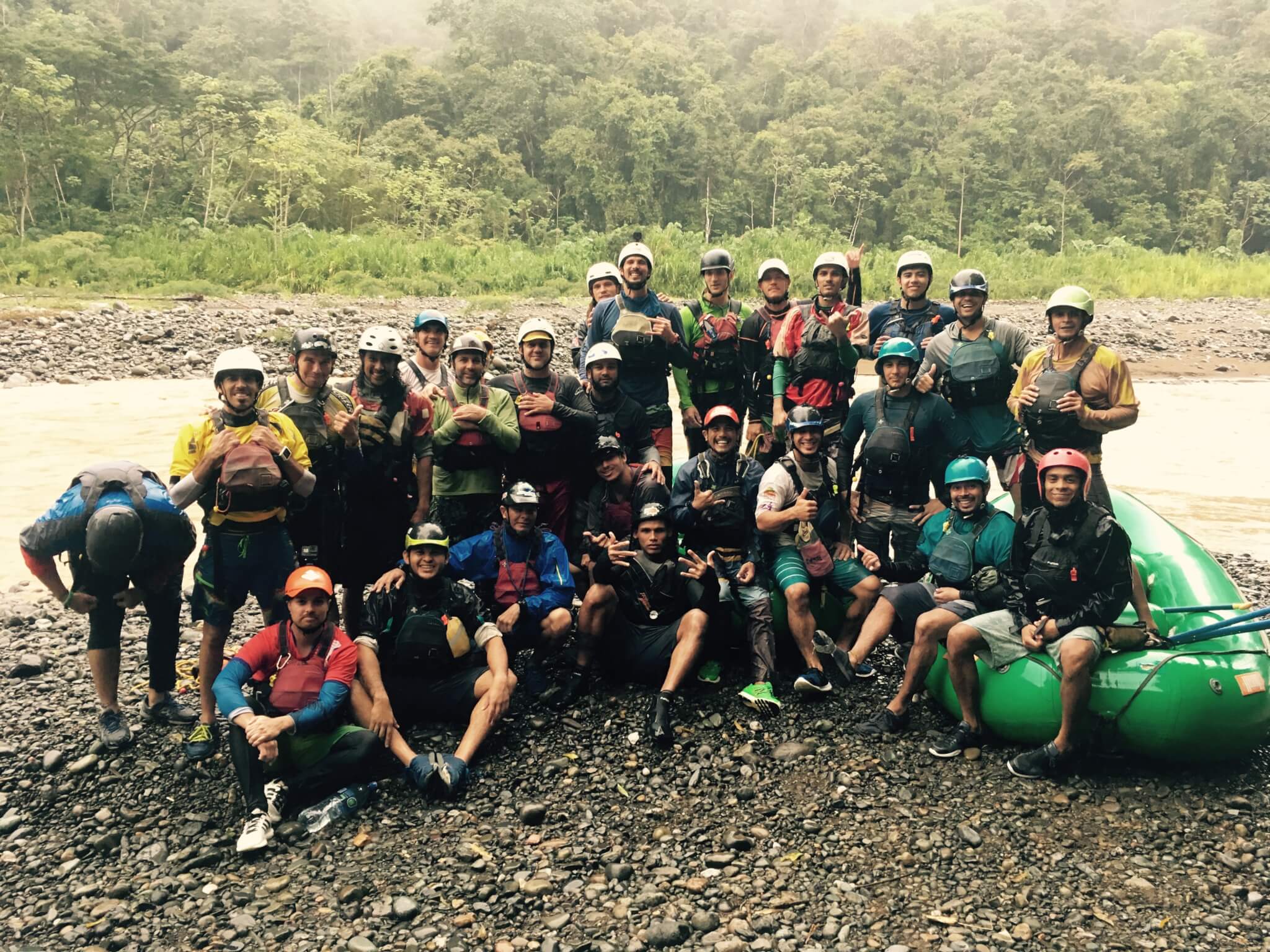
A Chronology of the Training: From Theory to Reality
The training was meticulously structured to build confidence before challenging the students with high-stress scenarios.
Days 1-2: The Fundamentals
The sessions began in the coastal town of Quepos, where instructors and guides engaged in a deep dive into hydrology, equipment maintenance, and, perhaps most importantly, communication protocols. In the absence of reliable cell phone coverage and standardized emergency infrastructure, the group spent significant time mastering non-verbal communication, including standardized hand and whistle signals.
Days 3-4: The Rio Savegre Scenarios
Moving to the banks of the Rio Savegre, the training turned physical. The guides, many of whom possess Wilderness First Responder (WFR) or EMT-level certifications, put their skills to the test in the river’s warm, swift currents. The instructors set up a series of progressive scenarios, starting with basic defensive swimming and throw-bag precision, and moving toward complex rescue simulations involving multiple victims and simulated injuries.

Day 5: Synthesis and Debrief
The final day was dedicated to the Incident Command System (ICS). By designating team leaders for each scenario, the guides practiced the art of coordination. Debriefs were held after every exercise, allowing the instructors to highlight moments where team organization faltered, providing a safe space for the guides to dissect their own decision-making processes under pressure.
Supporting Data: The Logistics of Remote Rescue
The challenges faced by Costa Rican guides are representative of a global issue in adventure tourism: the "tyranny of distance."
- Communication Gaps: Most river corridors lack cellular reception. The training emphasized the use of secondary signaling methods and the pre-planning of evacuation routes that do not rely on modern technology.
- Medical Autonomy: Because professional medical help is rarely available on-site, the training reinforced the necessity for guides to act as first-responders, capable of handling stabilization, splinting, and triage until a transport plan can be executed.
- Risk Mitigation: The data provided by the instructors suggests that proactive scene size-up—taking a few seconds to assess hazards before committing to a rescue—reduces the rate of "rescuer-becoming-a-victim" incidents by over 40%.
Official Perspectives: The Value of Preparation
"We have learned by teaching around the world that preparing for the worst-case scenario often leads to a more preventative approach to managing risk," says Paul Heffernan.

The guides, representing organizations such as Amigos del Rio, Pro Rafting, Unique Tours, and H2O Adventures, brought a high level of indigenous knowledge to the table. Their feedback was vital; they are the individuals who understand the nuances of the Rio Savegre’s hydrology better than anyone.
The instructors also emphasized that this was not a "top-down" teaching approach, but a collaborative exchange. By leveraging the local guides’ intimate knowledge of the river alongside the technical rigor of the Whitewater Rescue Institute, the training created a hybrid model of rescue that is perfectly suited for the unique environmental and logistical constraints of Costa Rica.
The Implications: A Culture of Safety
The broader implication of this training is the shifting culture within the Costa Rican adventure tourism industry. When fifty influential guides undergo rigorous, standardized training, they do not just take home a certification; they take home a culture of safety that trickles down to every new guide they mentor.

Pre-Trip Briefings and Operational Readiness
A significant portion of the course was dedicated to pre-trip planning. The instructors argued that the best rescues are the ones that never have to happen. By refining pre-trip briefings—which include an analysis of river flows, a breakdown of customer demographics, and the clear designation of "lead" and "sweep" boat positions—the guides are better equipped to identify risks before they materialize into accidents.
The Psychological Component
Perhaps the most profound takeaway from the training was the psychological preparation for emergencies. The scenarios were designed to be mentally taxing, forcing the guides to maintain focus on the "big picture" of scene safety while simultaneously executing technical tasks like Z-drags or rope-based line crossings. This dual-focus capacity is what separates a novice from an expert.
Conclusion: Pura Vida and Professionalism
The successful completion of this training marks a milestone for the Costa Rican rafting community. Through the collaboration with Rafiki Safari Lodge and the participation of the local guiding companies, a new standard for river safety has been established.

As these fifty guides return to their respective companies, they bring with them a heightened level of awareness, a refined set of technical skills, and a shared vocabulary for emergency response. In the world of swiftwater, where conditions change in seconds, this level of preparation is not merely an asset—it is a necessity. By focusing on the intersection of technical skill and decisive leadership, the Costa Rican rafting industry has solidified its reputation as not only a world-class destination for adventure but as a leader in the global movement for professionalized river safety.
Pura Vida is more than a greeting in Costa Rica; it is a philosophy of life. By ensuring that their rivers are navigated with the highest standards of safety and care, these guides are ensuring that the spirit of Pura Vida remains vibrant and secure for generations of adventurers to come.