In November 2024, the Whitewater Rescue Institute (WRI) embarked on a mission that bridged continents and cultures. Instructors Ben Schmidt and Sam Johnston traveled to the heart of Northwestern India to partner with Aquaterra Adventures, a titan of the Indian outdoor industry. The objective was clear: to harmonize international swiftwater rescue protocols with the localized, world-class expertise of Indian river guides. What began as a professional exchange on the banks of the sacred Ganga quickly evolved into a profound journey of discovery, culminating in a high-stakes expedition down the formidable Brahmaputra River.
The Foundations of Collaboration: Why India?
The partnership between WRI and Aquaterra Adventures was born from a shared commitment to river safety and professional excellence. Aquaterra, renowned for its diverse range of trekking and river expeditions across India, serves as a cornerstone of the adventure travel sector. For WRI, the opportunity to share their curriculum with such a seasoned team was both a privilege and a tactical necessity.
"The goal was never to simply teach," notes Sam Johnston. "It was to create a dialogue. These guides possess a visceral, lifelong connection to these rivers. Our mission was to provide a framework—a universal language of risk management—that complements the incredible, intuitive skill sets they have honed since childhood."
Chronology of an Expedition: From the Ganga to the Brahmaputra
Phase I: The Sacred Waters of Rishikesh
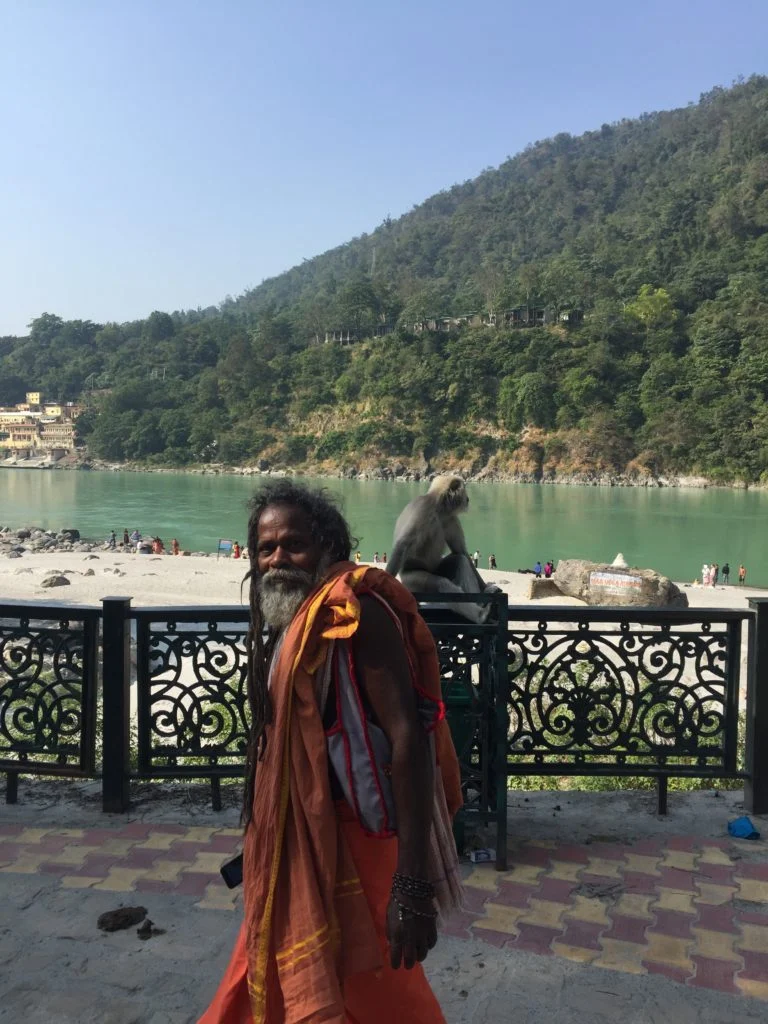
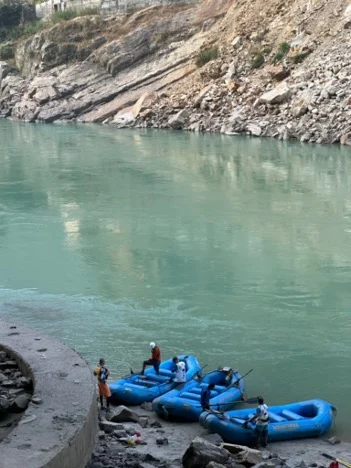
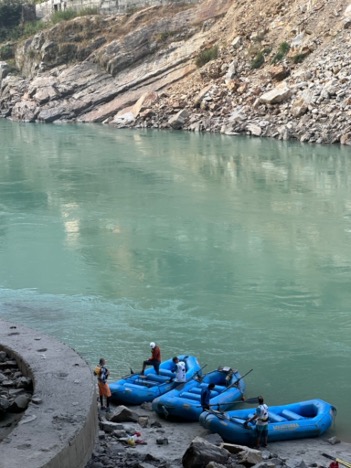
The journey commenced with the sensory overload of Northern India. After arriving in Dehradun, Schmidt and Johnston traveled to Atali Ganga, the primary basecamp for Aquaterra Adventures. The location, situated in the valley of the Ganga, provided an awe-inspiring backdrop for the training.

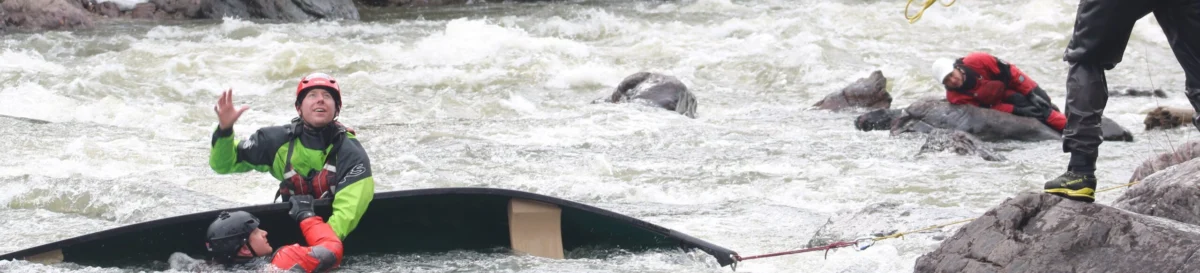
For ten days, the focus was intense. The curriculum covered the spectrum of swiftwater rescue:
- Risk Management: Implementing universal upstream and downstream safety protocols.
- Emergency Planning: Developing robust response strategies tailored to remote, high-volume river environments.
- Technical Proficiency: Mastering aggressive and defensive swimming, precise throwbag deployment, and complex in-flow rescue scenarios.
The instructors were struck by the caliber of the guides. Many of these professionals grew up navigating the tributaries of the Ganga, developing an intimate knowledge of hydraulics and water behavior that few in the West could replicate. The exchange of knowledge was reciprocal, with the WRI instructors finding themselves as much students of the river’s unique character as they were teachers of safety methodology.

Phase II: The Brahmaputra Odyssey
Following the success of the Ganga workshops, the team transitioned to the Brahmaputra, a river of mythic status in the whitewater world. The logistics of the trip were orchestrated by Aquaterra’s founder, Vaibhav Kala. His expertise was instrumental in navigating the complex geography of Arunachal Pradesh.
The transition from the relative familiarity of the Ganga to the raw, untamed power of the Brahmaputra was stark. Upon reaching the put-in, the team joined a crew of seasoned experts—individuals with decades of experience, whose personal histories on the river felt as deep and turbulent as the currents themselves.

Supporting Data and Environmental Context
The Brahmaputra is not merely a river; it is a geographic force. During the expedition, participants encountered:
- Hydraulic Scale: Rapids featuring waves with 30-foot faces and "bus-sized" laterals.
- Velocity: Data recorded via GPS watch indicated sustained river speeds of approximately 20 miles per hour.
- Remote Wilderness: The logistics required for such an expedition, including multi-day travel through the Arunachal Pradesh province, underscore the isolation of these stretches.
Safety in such an environment is not optional. The WRI curriculum, which emphasizes the "human element" of rescue, proved vital. When the river moves at these speeds, the margin for error is non-existent. The reliance on clear communication, team-based decision-making, and collective endurance became the defining theme of the descent.

Official Perspectives: The Philosophy of Stewardship
The success of the trip was not measured in miles paddled or rapids cleared, but in the solidification of a cross-cultural safety network. Vaibhav Kala, representing Aquaterra Adventures, emphasized the importance of these global alliances. "When we bring international experts like those from WRI to our home waters, we are investing in the future of the entire industry. It’s about raising the baseline of safety so that we can continue to share these wild places with the world."
Sam Johnston reflected on the psychological shift that occurred during the expedition: "At the takeout, I realized that river-running isn’t about conquering the river. It’s about conquering the internal landscape—the fear, the hesitation, and the ego. You don’t master the Brahmaputra; you learn how to exist within it."

Implications for the Future of Swiftwater Rescue
The WRI-Aquaterra collaboration has significant implications for the future of river safety in Asia:
- Standardization of Protocols: By integrating WRI’s curriculum into local guide training, there is a push toward a standardized, internationally recognized safety protocol that can be adapted to the specific challenges of Himalayan rivers.
- Cultural Exchange as Training: The trip proved that technical training is most effective when it respects the local environmental context. The guides who participated are now equipped not just with new techniques, but with a pedagogical framework to pass these skills to the next generation of Indian river guides.
- Environmental Stewardship: Both organizations reaffirmed their roles as stewards of the river. The camaraderie built around driftwood fires, the shared meals, and the mutual respect for the river’s power served as a powerful reminder that safety and conservation are two sides of the same coin.
A Legacy of Shared Knowledge
As Ben Schmidt and Sam Johnston returned to the United States, they brought back more than just photos and gear. They returned with a renewed understanding of the global river community. The partnership with Aquaterra Adventures served as a pilot program for how organizations can collaborate to improve safety standards globally.

The trip ended with a sense of unfinished business—not in terms of the river, but in terms of the ongoing dialogue. Plans are already being discussed for future exchanges, ensuring that the knowledge shared on the banks of the Ganga continues to ripple outward.
"Within each rapid and every river bend," Johnston concluded, "lies a story waiting to be told. Our job is to ensure that everyone who steps into a boat has the skills, the knowledge, and the respect for the water to ensure that their story has a safe ending."

For those in the outdoor industry, the 2024 India expedition stands as a benchmark for professional cooperation. It is a testament to the fact that when we share our knowledge, we don’t just reduce risk—we enhance the human experience of the world’s most spectacular and challenging wild places.