In the moss-laden shadows of the southern Kainuu region in Finland, a silent, delicate revolution has been taking place. For those with a trained eye and the patience to traverse the untamed undergrowth, this summer has proven to be a remarkable season for some of nature’s most elusive treasures: the orchids and the mysterious, non-photosynthetic plants that dwell in the deep forest.
As nature enthusiasts and researchers delve deeper into these ancient habitats, they are discovering that the health of these sensitive ecosystems is inextricably linked to the preservation of old-growth forests. This report explores the recent sightings of the rare ghost orchid (Epipogium aphyllum), the abundance of the lesser twayblade (Neottia cordata), and the broader implications of forest management on these fragile botanical marvels.
Main Facts: The Botany of the Shadowy Understory
At the heart of this botanical narrative is a fascinating ecological survival strategy known as myco-heterotrophy. Plants such as the ghost orchid, the lesser twayblade, and the pine bird’s-nest (Monotropa hypopitys) do not rely on photosynthesis to generate energy. Instead, they exist in a symbiotic—or rather, parasitic—relationship with fungi.
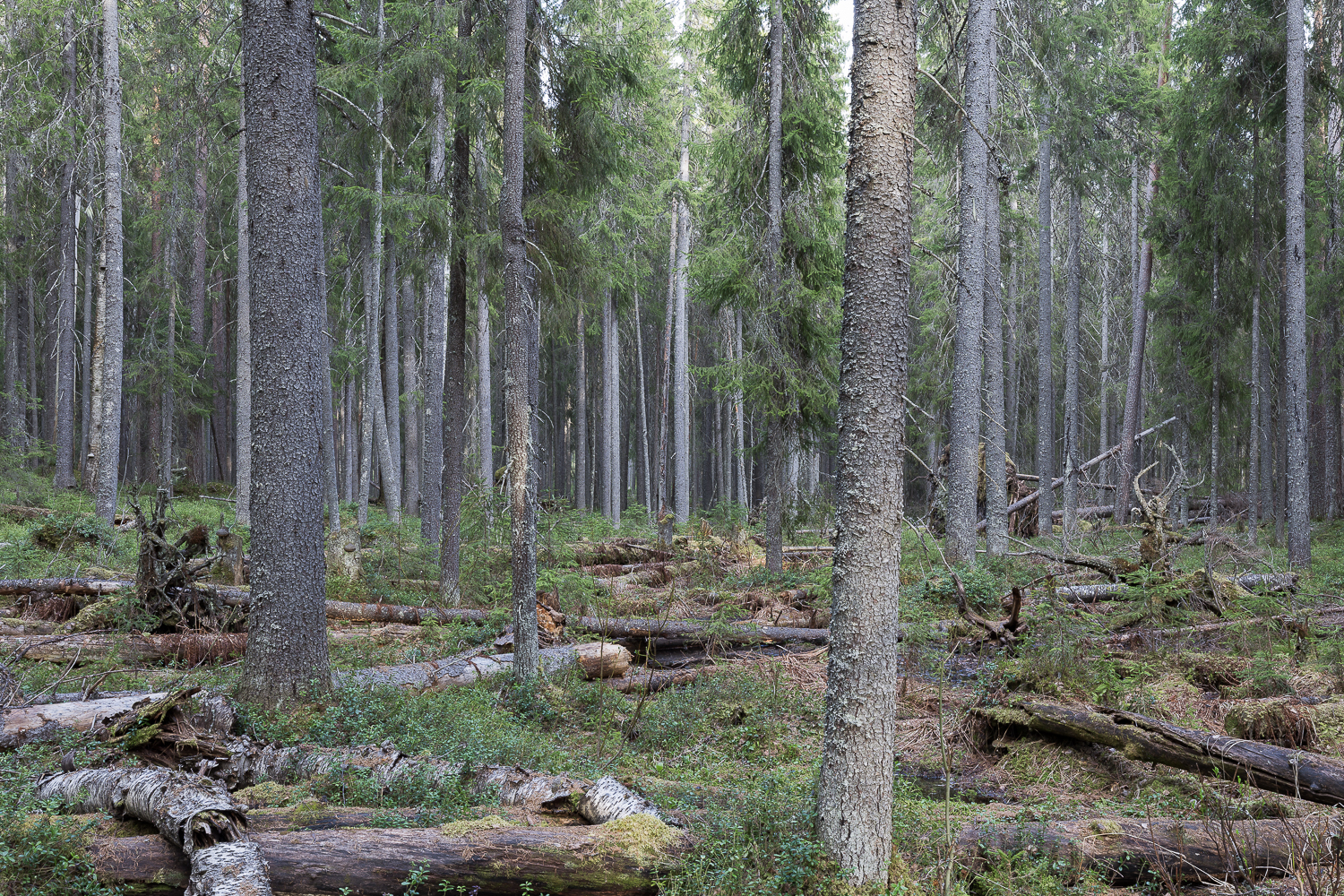
These plants lack chlorophyll, the green pigment required to convert sunlight into energy. Consequently, they depend entirely on fungi to bridge the nutrient gap, often siphoning energy that the fungi have derived from trees. This complex underground network makes these species incredibly sensitive to environmental disturbances. Soil compaction, moisture fluctuations, and the destruction of the forest floor’s "litter layer" can destroy the fungal networks upon which these plants depend, leading to their rapid decline.
A Season of Abundance: Chronology of the 2026 Field Observations
The recent field season in southern Kainuu was marked by an unexpected surge in the populations of several orchid species.
- Early Summer: Observers noted a prolific blooming of the common spotted orchid (Dactylorhiza maculata) in bog meadows. Simultaneously, the lesser twayblade (Neottia cordata) began to appear in numbers that stunned local researchers.
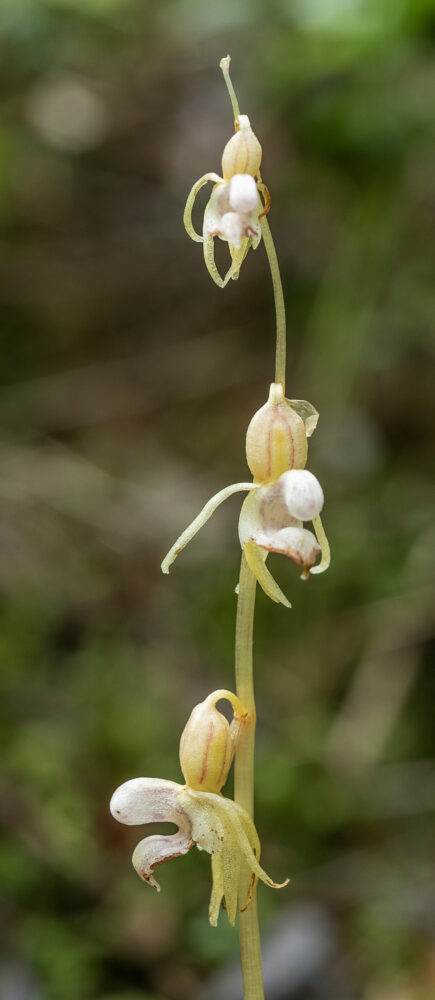
- Mid-August: This period served as the prime window for identifying the elusive ghost orchid (Epipogium aphyllum). Known for its translucent, pale appearance and its tendency to remain dormant underground for years at a time, the "ghost" is a challenge to find even for experts.
- The Discovery: Following an intensive search through established conservation areas and previously identified hotspots, a significant breakthrough occurred in the Porkkasalo forest. A researcher, while crossing a fern-rich stream, spotted the distinct, albeit modest, pale form of a ghost orchid. This sighting was followed by the discovery of a second specimen nearby, which had unfortunately suffered damage, likely from local wildlife.
Supporting Data: Protected Areas vs. Managed Forests
The contrast between protected, ancient forests and commercial "managed" forests is stark and scientifically significant.
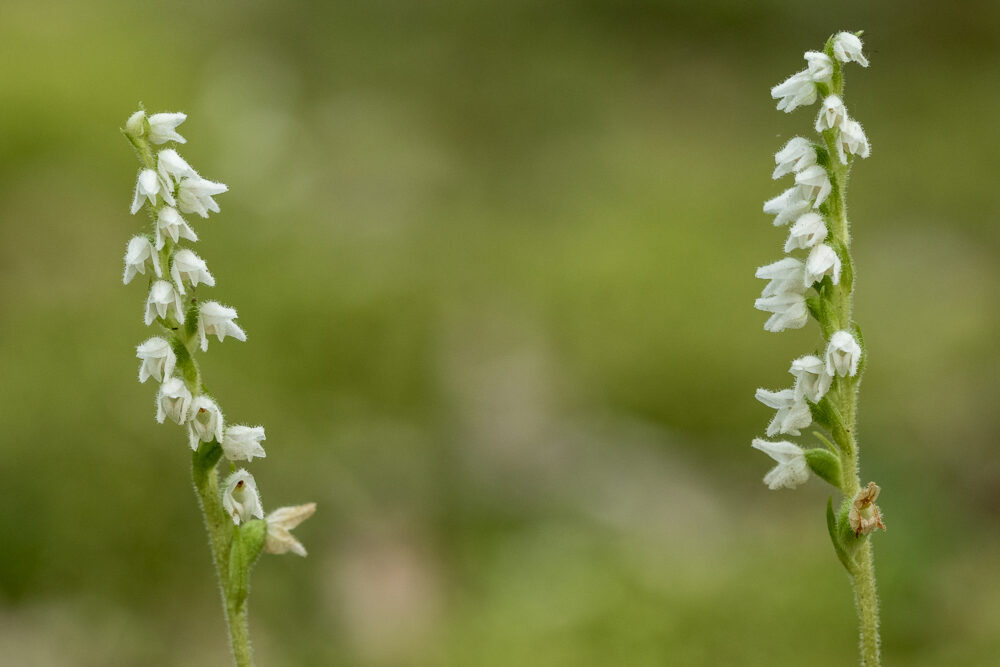
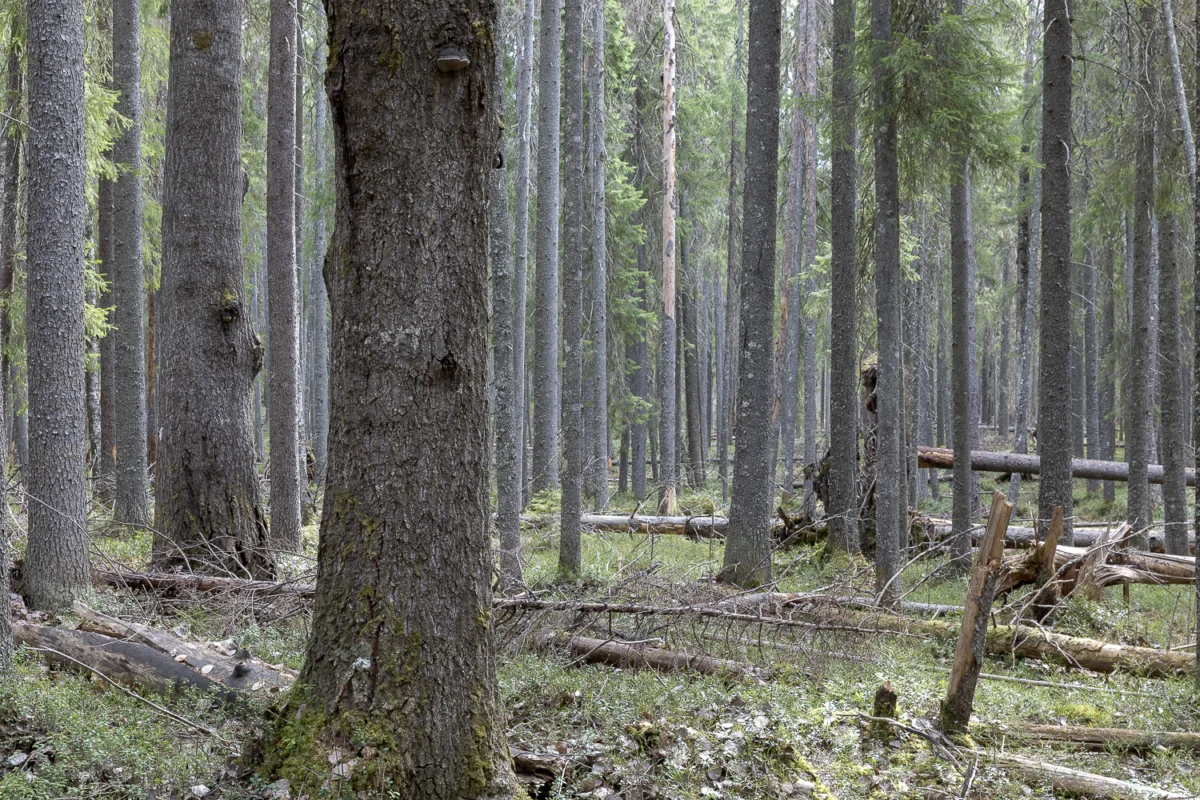
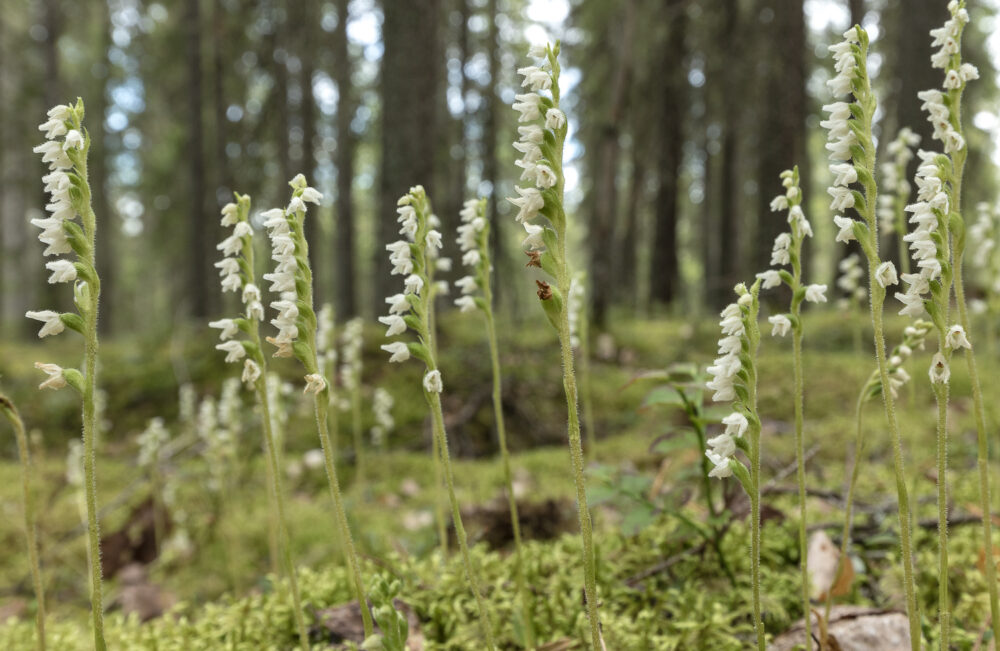
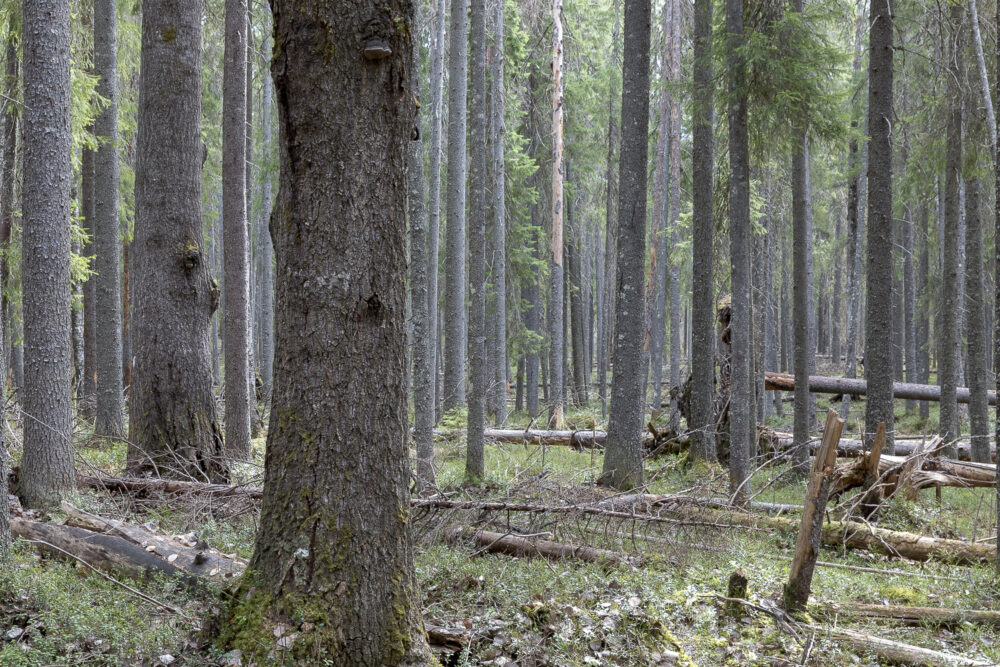
In protected old-growth moss forests, researchers consistently counted clusters of 20 to 30 individual lesser twayblades. In one specific, undisturbed patch, a record-breaking 90 flowering specimens were documented. Conversely, in neighboring commercial forests, these plants were either entirely absent or existed as solitary, stunted individuals.
The data suggests that "forestry measures"—specifically soil scarification and clear-cutting—are lethal to these species. Because the lesser twayblade propagates via runners and requires a stable, humid microclimate provided by undisturbed moss, it cannot regenerate in the rapid turnover cycles typical of modern industrial logging. By the time a population might begin to thrive, the forest is often subjected to mechanical site preparation, effectively wiping out the colony before it reaches maturity.
The Battle for Porkkasalo: A Historical Perspective
The success of this year’s botanical survey at Porkkasalo carries a deep, historical resonance. The region, now a bastion for rare plant life, was the site of a fierce environmental conflict in the early 1990s.
At the time, the Finnish Forest Administration (Metsähallitus) classified the area as "ordinary commercial forest" destined for clear-cutting. Local activists, supported by the Nature League (Luonto-Liitto) and researchers from the University of Oulu, argued that the area was a rare, high-value biodiversity corridor.
The conflict was intense. The Forest Administration brought in law enforcement to remove protestors, and legal battles ensued, resulting in fines for the activists. However, the botanical evidence provided by university scientists eventually forced a re-evaluation of the land. Most of the area was subsequently placed under protection. Today, the presence of the ghost orchid, the coralroot orchid (Corallorhiza trifida), and other specialized species in the same stream-side groves serves as a vindication of that long-fought struggle.
Implications for Future Forest Policy
The findings in Kainuu raise critical questions about current forestry practices in Finland. The reliance of species like the ghost orchid, the coralroot, and the pine bird’s-nest on stable, ancient forest floors suggests that current conservation strategies may be insufficient.
1. The Necessity of Mycorrhizal Integrity
Current forest management often focuses on the timber-producing tree species, ignoring the "hidden" economy of the forest floor. Without the health of the subterranean fungal networks, these plants cannot survive. Forestry policies must shift toward a more holistic view that protects soil structure and moisture retention.
2. The "Ghost" Population Risk
Because the ghost orchid can remain underground for extended periods, traditional "one-off" biodiversity surveys are insufficient. A forest that appears empty of rare species today may actually be home to a dormant population that will bloom if conditions remain stable. This necessitates a precautionary approach to logging in any area with old-growth characteristics.
3. Regional Sensitivity
While the ghost orchid has been found in diverse environments globally—such as the beech forests of England—its Finnish habitats are highly specific to old, humid coniferous forests. This indicates that a "one-size-fits-all" approach to forest management across different European nations is dangerous. Conservation must be tailored to the specific ecological requirements of the regional flora.
Conclusion: A Fragile Heritage
As the season wanes, the lessons from the forests of Kainuu are clear. The survival of the ghost orchid and its kin is not merely a matter of botanical interest; it is a barometer for the health of the entire forest ecosystem. The "ghosts" of our woods are signaling that we have reached a threshold where the protection of ancient, undisturbed land is no longer just a recommendation—it is a necessity.
The success of the 2026 season provides a glimmer of hope. It reminds us that when we afford nature the space to remain undisturbed, it rewards us with beauty, complexity, and a deeper understanding of the intricate webs that sustain life. As we look toward future land-use policies, the voice of these rare orchids, though silent, must be heard with absolute clarity.
For those interested in supporting the ongoing work of monitoring and protecting Finland’s unique biodiversity, consider supporting local conservation initiatives and organizations dedicated to the preservation of our remaining ancient forests.