As the Finnish spring reaches its crescendo in mid-May, the forests, parks, and backyards of the nation transform into bustling nurseries. Amidst this seasonal awakening, the annual "Children’s Bird Week" (Lasten lintuviikko) returns to serve as a gateway for families, schools, and daycare groups to explore the intricate behaviors of avian life. Scheduled for May 18–24, 2026, the event is more than a simple walk in the woods; it is a nationwide initiative designed to demystify nature and foster a lifelong appreciation for environmental stewardship.
Organized through a collaborative effort between BirdLife Finland, the Finnish Nature League (Luontoliitto), and Natur och Miljö, the week provides a structured yet accessible entry point for children to engage with the natural world.
Main Facts: A Nationwide Call to Exploration
At its core, Children’s Bird Week is built on the philosophy of "low-threshold participation." The organizers emphasize that one does not need to be an expert ornithologist—or even recognize a single species—to derive value from the experience. Unlike competitive birdwatching events that prioritize lists and rarity, this week focuses on behavioral observation.
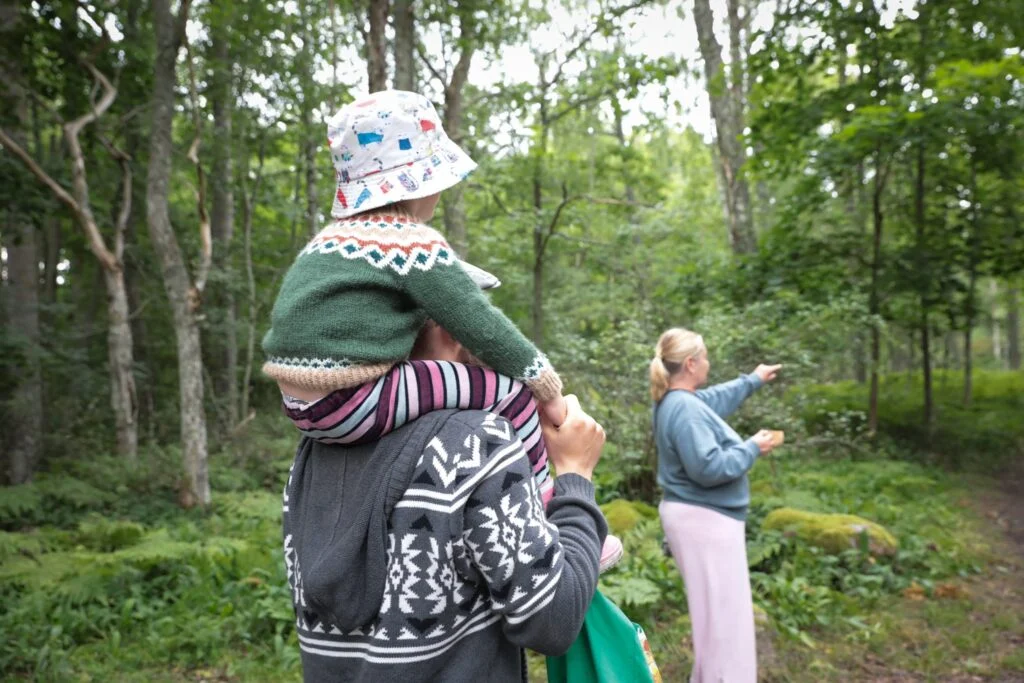
The event is designed to be entirely flexible. Participants are encouraged to choose any location—be it a local urban park, a schoolyard, or a deep forest trail—that suits their group’s mobility and age level. By removing the pressure to "identify" birds correctly, the program shifts the focus toward the "why" and "how" of bird behavior, turning a walk into a scientific inquiry.
Chronology: The Evolution of a Spring Tradition
The roots of the Children’s Bird Week are deeply embedded in the Finnish tradition of jokamiehenoikeus (everyman’s rights), which grants citizens the right to enjoy nature freely. However, the formalization of this specific week has evolved over the years into a sophisticated educational program.
- Pre-event Preparation (Early May): Educators and parents are encouraged to visit the official campaign website, where BirdLife Finland provides a wealth of free pedagogical tools. These include observation forms, bingo cards, and age-appropriate guides that help turn a routine stroll into a guided discovery mission.
- The Launch (May 18, 2026): The week officially kicks off with national media outreach, aiming to encourage teachers and parents to integrate a "bird-spotting hour" into their daily schedules.
- The Observation Phase (May 18–24): Throughout the week, groups across Finland report their observations. The focus is specifically on "signs of nesting," a behavioral metric that allows even the youngest participants to engage with the concepts of survival and life cycles.
- The Conclusion and Review (Late May): The event culminates with the reporting of findings. This data not only serves as a fun activity for the children but contributes to a collective sense of environmental engagement across the country.
Supporting Data: Why May is the Perfect Time
Ecologically, May is the most critical month for bird populations in the Nordic region. The timing of Children’s Bird Week is intentional, aligning with the peak of the breeding season.
Data from ornithological research indicates that mid-May is when most migratory species have returned and established their territories. The dawn chorus is at its loudest, and the frantic activity of nest-building, courtship displays, and food-gathering is at its most visible. For children, this provides a "living documentary" experience.
The program encourages observers to look for specific behaviors that indicate a nest is nearby:
- Carrying Nesting Material: Birds seen flying with twigs, moss, or mud in their beaks.
- Defensive Behavior: Birds making alarm calls or diving toward perceived threats near a specific spot.
- Food Transport: Parents flying with insects or worms, indicating the presence of hungry chicks.
- Territorial Songs: Males singing from consistent "perches" to defend their breeding area.
By tracking these behaviors, children learn that nature is not merely a static background, but a dynamic, active community with complex social structures.
Official Responses: Fostering Environmental Literacy
The organizers view this week as a vital component of Finnish environmental education. Teija Peura, the Environmental Education Manager at the Finnish Nature League (Luontoliitto), highlights the psychological and educational benefits of the initiative.
"Children’s Bird Week is a fantastic opportunity to embark on even your very first birding trip," says Peura. "In May, the nesting season is at its peak, so there is certainly interesting things for everyone to observe. The goal is not to fill a notebook with Latin names, but to build a connection. When a child sees a bird bringing food to its nest, they stop seeing it as just a bird and start seeing it as a parent, a neighbor, and a vital part of our shared ecosystem."
This sentiment is echoed by the partners at BirdLife Finland and Natur och Miljö, who collectively argue that early exposure to wildlife is the single most significant predictor of environmental concern in adulthood. By creating a positive, low-stress memory, the organizers are effectively "seeding" the next generation of conservationists.
Implications: Beyond the Week
The long-term implications of such an initiative are profound. In an era increasingly dominated by digital screens and indoor living, the Children’s Bird Week serves as a necessary counterbalance.
1. Educational Integration
For schools and daycares, the week provides an interdisciplinary curriculum. It touches upon biology (life cycles), physical education (the walk itself), art (drawing what is seen), and even mathematics (counting and categorizing observations).
2. Community Engagement and Citizen Science
The event utilizes a digital reporting system, which introduces children to the basics of data collection. While the data collected by children is largely for educational purposes, the habit of recording and reporting observations is the foundation of "citizen science"—a practice that has been instrumental in tracking population shifts caused by climate change.
3. Incentivizing Participation
To ensure high engagement levels, the organizers have implemented an incentive structure. All participating groups that submit their observations via the online form are entered into a raffle for nature-themed prizes. These incentives, while modest, serve as a way to acknowledge the effort put in by teachers and volunteers, reinforcing the value of their time spent in nature.
How to Participate
Participation is streamlined and accessible regardless of geographical location. Interested parties can find resources in three languages:
- Finnish: birdlife.fi/tapahtumat/lasten-lintuviikko/
- Swedish: www.birdlife.fi/fagelvecka
- English: www.birdlife.fi/birdweek
The digital portal acts as a central hub, providing printables that can be taken into the woods. These tools are designed to facilitate "active looking." For instance, a bingo card might ask a child to find a bird that is "singing loudly" or one that is "carrying something in its beak." This gamification turns the search into a treasure hunt, keeping children engaged for longer durations.
A Call to Action for the Future
As 2026 approaches, the organizers are hoping for record-breaking participation. The mission is clear: to ensure that the wonders of the Finnish spring are not just observed from afar, but experienced firsthand.
In a world facing the challenges of biodiversity loss, Children’s Bird Week offers a simple yet powerful antidote: proximity. By bringing children into the heart of the nesting season, the organizers are not just teaching them about birds; they are teaching them that the natural world is a space that belongs to them, a space that is worth protecting, and a space where they will always be welcome.
As Teija Peura notes, "The threshold for entry is low, but the potential for discovery is infinite." Whether in the heart of Helsinki’s parks or the remote woodlands of Lapland, the message of the week remains constant: go outside, listen, watch, and let nature tell its story.