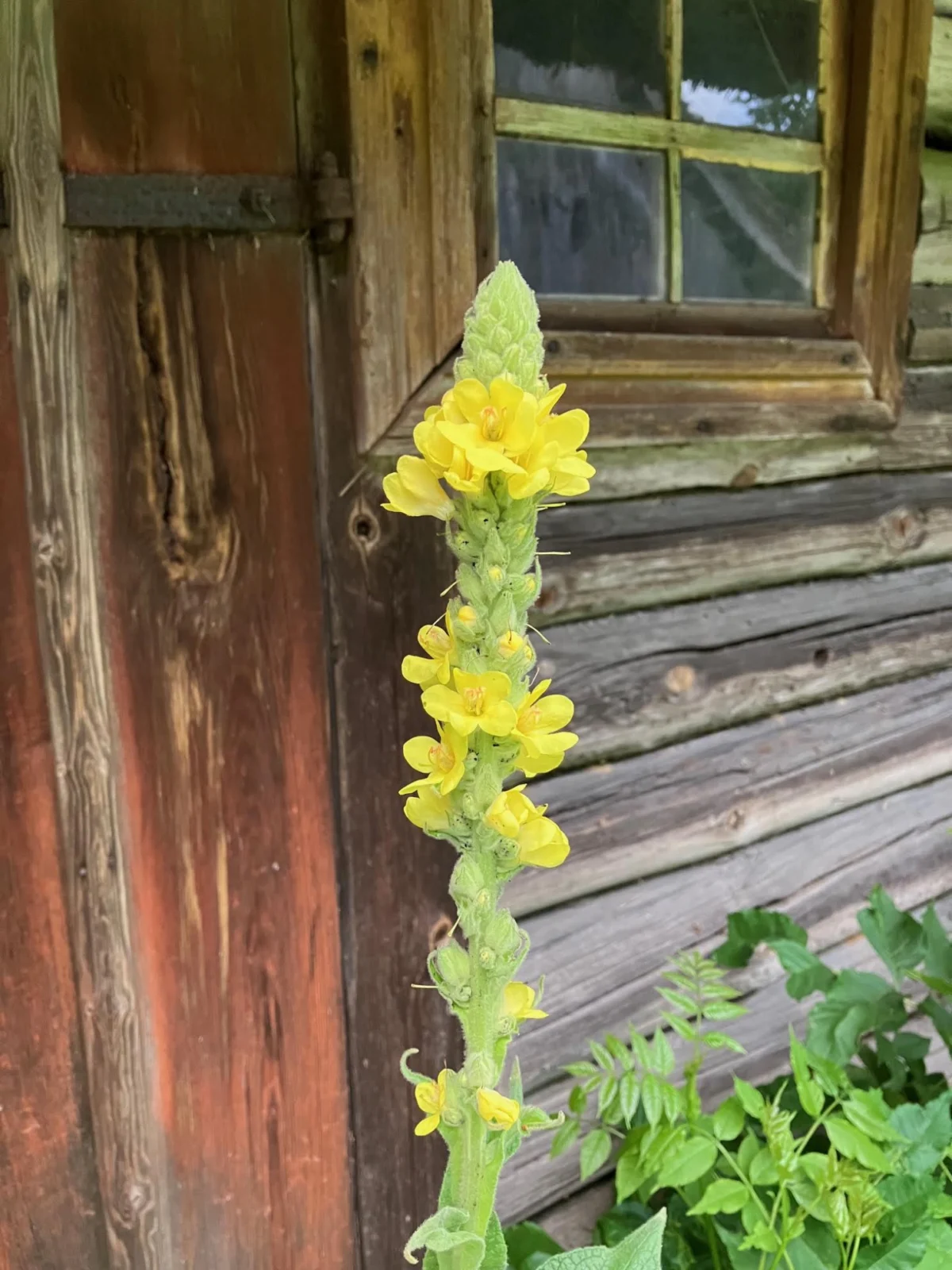
In the quiet corners of the Estonian Läänemaa region, standing tall against the weathered wall of an ancient threshing house, a striking botanical sentinel resides. This is the Verbascum thapsus, known in Finnish as the ukontulikukka—the "Ukko’s fire flower." To the casual observer, it is a sturdy, golden-hued biennial; to the historian and the botanist, it is a living artifact, a botanical companion that has shadowed human civilization for millennia.
Main Facts: The Resilience of a Botanical Nomad
The Great Mullein, or ukontulikukka, is a plant defined by its paradoxes. It is a biennial, spending its first year as a modest, woolly-leaved rosette before erupting in its second year into a towering floral spike that can reach heights of two meters. Its bright yellow, candle-like inflorescence has captured the human imagination for centuries.
Despite its current status as a familiar sight in meadows and garden edges, it is classified as a "muinainen tulokas" (ancient newcomer) in Northern Europe. It is not an invasive species, but rather a long-term resident brought to these northern latitudes by human migration, trade, and the desperate need for medicinal and practical resources. Its seeds are exceptionally hardy, capable of remaining dormant in the soil for years, waiting for the right conditions—or a disturbance, such as the clearing of a woodpile or the excavation of an old building site—to emerge once more.
Chronology: A Thousand-Year Journey
The history of the ukontulikukka is inextricably linked to the history of the North. In Estonia, local lore suggests that the seeds were brought to the western coastline by the Vikings, carried in the hulls of longships as part of their essential supplies.
Looking back 1,000 years, the site where the observed specimen currently stands was once the very edge of the sea. Due to the geological phenomenon of post-glacial land uplift, the shoreline has retreated four kilometers, yet the plant remains, anchoring itself to the human legacy of the site.
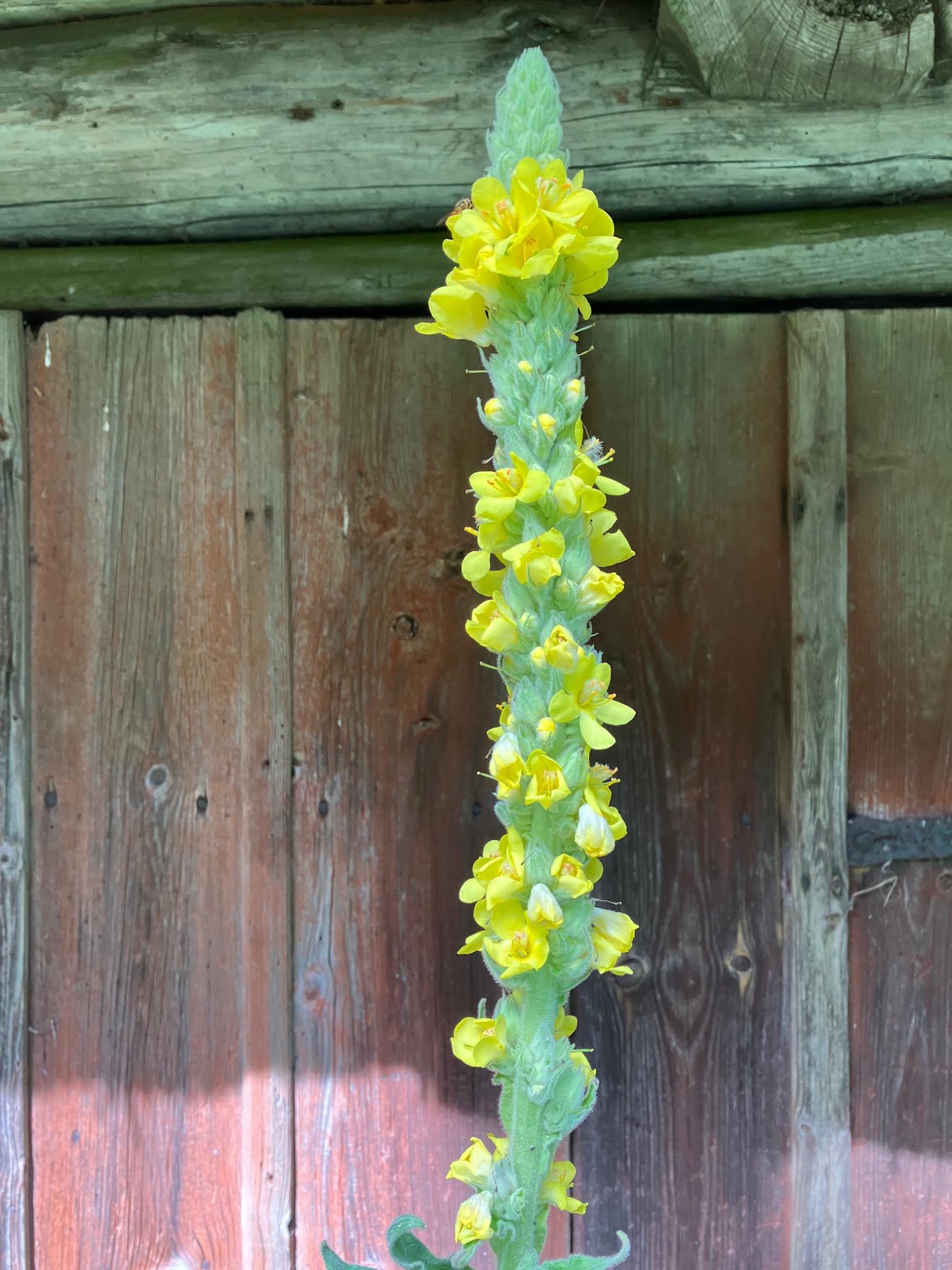
- The Viking Age (c. 800–1050 AD): The plant likely arrived as a medicinal necessity, favored for its versatility.
- The Iron Age: In Finland, the presence of the Great Mullein is a reliable indicator of ancient settlement. It frequently appears near the ruins of Iron Age homesteads and historical fortifications, suggesting that where humans built their hearths, the ukontulikukka was planted nearby.
- The Modern Era: Today, the plant has transitioned from a managed medicinal herb to a garden escapee, found in wild landscapes and urban fringes alike, marking the spots where, centuries ago, the pulse of human life was strongest.
Supporting Data: Ethnobotany and Utility
The "fire" in the name ukontulikukka is not merely metaphorical. The plant’s historical utility is vast, bridging the gap between apothecary and utility.
Medicinal Applications
For generations, the Great Mullein was a cornerstone of folk medicine. Its leaves and flowers were prized for:
- Respiratory Health: Infusions and tinctures were standard treatments for bronchial issues, acting as an expectorant to soothe coughs and clear airways.
- Dermatology: The plant’s softening properties made it a primary treatment for inflamed, dry, or irritated skin.
- Cosmetics: Beyond health, the plant served as a beauty aid. It was used to treat hair growth and, notably, to dye hair a vibrant, golden yellow—a color prized by the figures of the Kalevala epic.
Practical and Industrial Uses
The Romans were among the first to document the plant’s industrial application. The sturdy, dried stems of the Verbascum were dipped in tallow, pitch, or tar, serving as torches—hence the name "mullein" (often linked to the Latin mollis, or "soft," referring to its velvet-like leaves). It was also commonly used as a wick for candles.
Perhaps most intriguing is its historical use in fishing. The seeds contain rotenone and other compounds that, when ground and introduced into water, possess a mild, stupefying effect on fish, allowing for easier harvesting—a practice that underscores the plant’s potent chemical profile.
Official Responses and Ecological Classification
Botanists and environmental historians categorize the ukontulikukka as an "archaeophyte." Unlike modern invasive species that threaten native biodiversity, the Great Mullein exists in a state of stable integration with the northern flora.
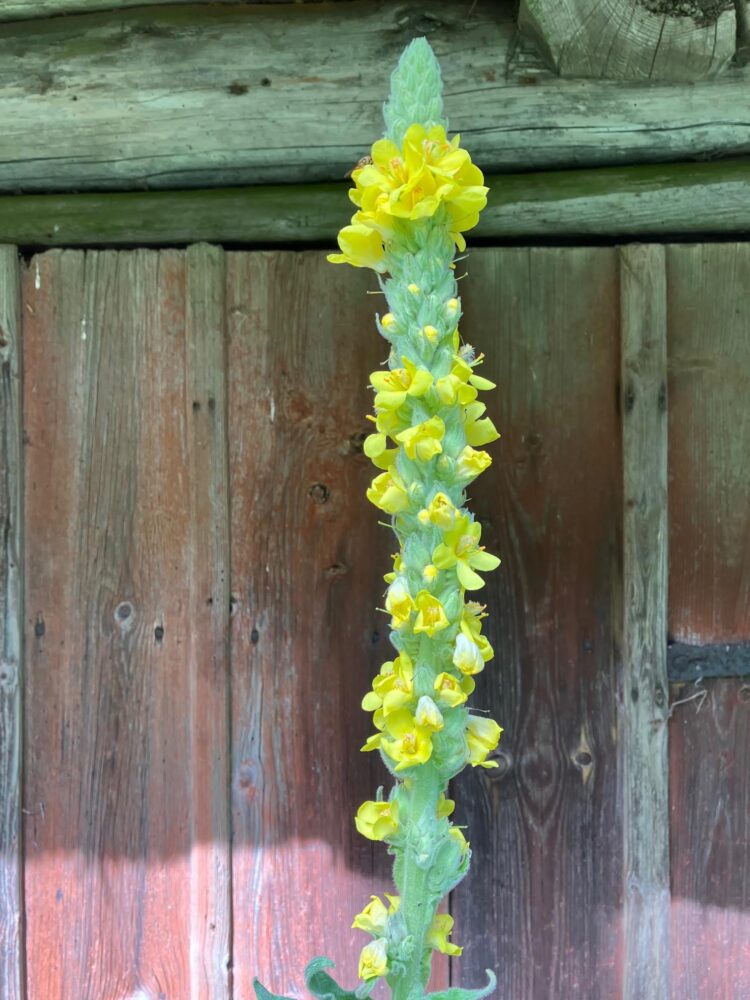
Environmental authorities in the Baltic and Nordic regions view the species as a cultural indicator. Its presence is often used in archaeological surveys to identify the locations of lost dwellings. Because the seeds can persist for decades, a single flowering spike today may be the direct descendant of a plant introduced during the medieval period.
"It is a mistake to treat the Great Mullein as a foreign intruder," note regional researchers. "It is a relic of our own history. It follows the path of humanity, thriving on the soil that we have disturbed and lived upon."
Implications: A Mirror to Our Past
The study of the ukontulikukka offers more than just biological data; it serves as a bridge to the past. When one stands before a two-meter-tall spike of yellow flowers, it is easy to imagine the Viking traveler or the Iron Age farmer who once carried those seeds across the sea to ensure they had medicine for the winter and light for their nights.
The Sustainability of Memory
The fact that this plant persists for centuries, often hiding in the soil for years at a time, suggests a biological form of "memory." It reminds us that human activity leaves a footprint that extends beyond stone and metal. Our ancestors moved, and the landscape moved with them.
Future Perspectives
As we look toward the future, the Great Mullein serves as a reminder of the importance of preserving historical landscapes. Modern development often clears away the physical evidence of the past, but the "ancient newcomers" persist. Protecting these sites—where the ukontulikukka still blooms—is a way of maintaining our connection to the deep, interconnected history of the North.
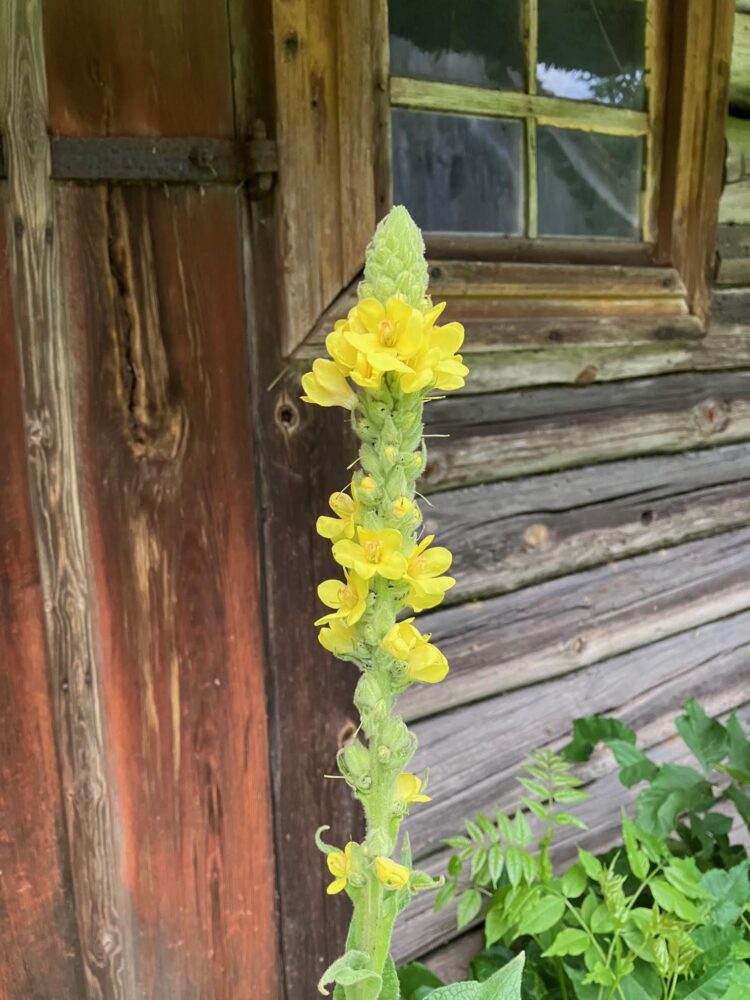
The next time you encounter a Great Mullein, observe it not just as a weed or a wildflower, but as a witness. It has seen the rise and fall of coastal settlements, the shifting of shorelines, and the changing trends of medicine and trade. It is a living torch, lighting the way back to a history that is still unfolding.
For those interested in exploring the natural history of the North, the "Vuosi luonnossa" (A Year in Nature) blog continues to document these stories, inviting readers to look closer at the resilient species that define our shared heritage.