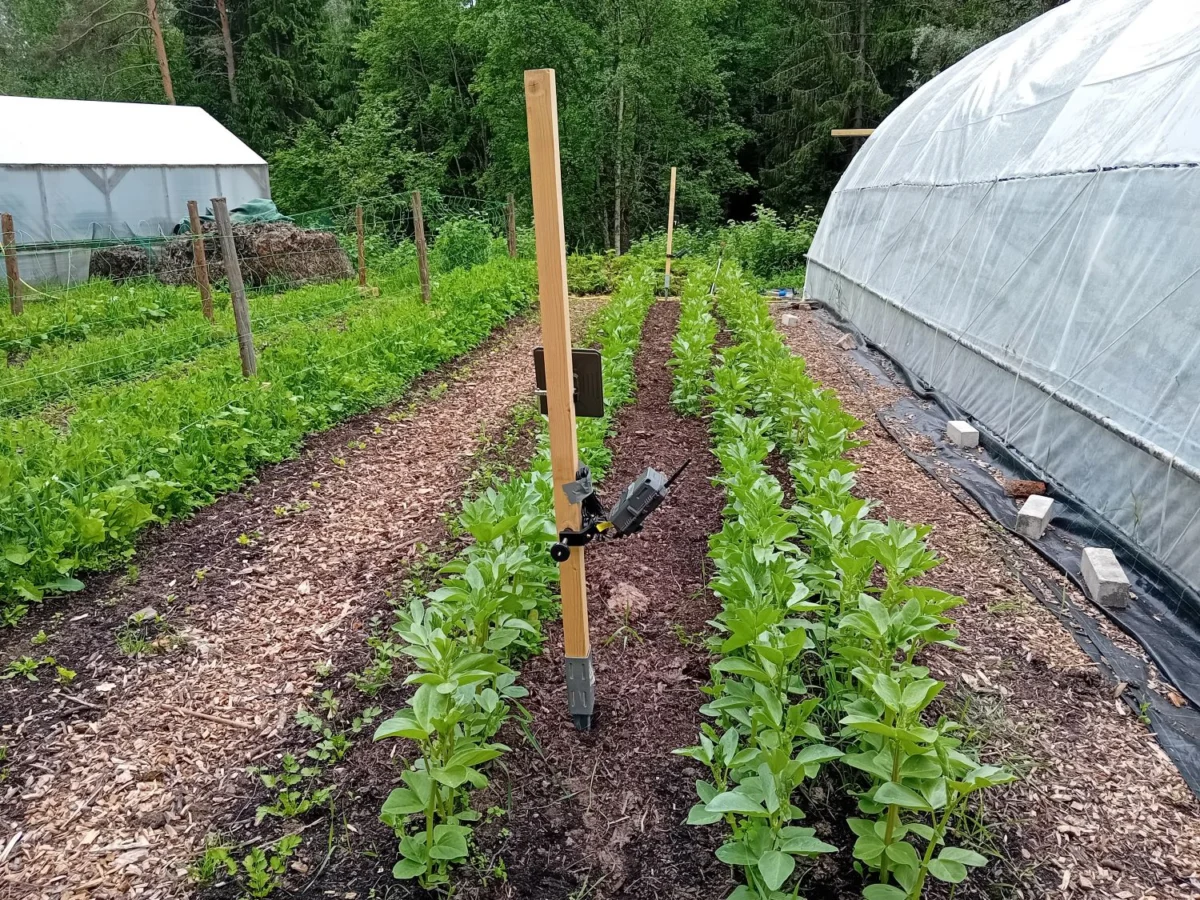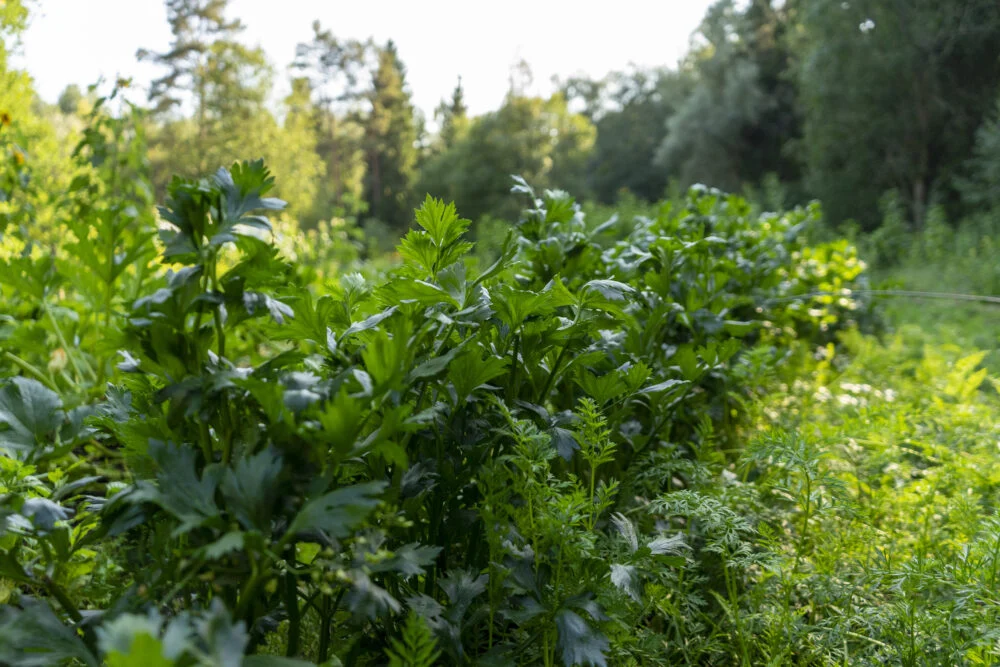
As the summer season winds down, gardeners and agriculturalists across the region are taking stock of their yields. For those of us tending the plots in Korso, the 2026 season has been a breath of fresh air—a marked improvement over the grueling and unpredictable challenges faced during the 2025 growing cycle. While no gardening year is ever entirely devoid of setbacks, the success of this season offers a masterclass in the necessity of soil health and proactive ecosystem management.
Main Facts: The Foundations of a Productive Garden
The core philosophy driving successful cultivation is simple yet profound: a healthy plant begins in healthy soil. In a world where environmental stressors—ranging from erratic weather patterns to shifting pest populations—are constant, plants lack the ability to physically retreat from threats. Consequently, the burden of protection falls squarely on the shoulders of the cultivator.
A productive garden is not the result of reactionary chemical intervention, but rather the outcome of internal plant fortification. When a plant is nutritionally balanced and supported by a thriving microbiome, it naturally produces its own defenses, including secondary metabolites and lipids that render it less attractive to pests and more resilient against pathogens.
Chronology of the Season: From Seedling to Harvest
The arc of the 2026 season provides a clear timeline for understanding how to manage plant vitality:
- Early Spring (Preparation): The season began with a focus on soil remediation. Following the principles of healthy soil management discussed in our early 2025 series, the focus was on establishing microbial diversity before the first seeds hit the earth.
- Late Spring (The Growth Phase): As seedlings emerged, the primary goal was to ensure efficient photosynthesis. By optimizing the plant’s ability to convert nitrogen into proteins, we ensured that growth was robust rather than succulent and vulnerable.
- Mid-Summer (Peak Activity): This period saw the integration of supplemental hivenaineet (trace minerals) such as boron, zinc, and molybdenum. These micronutrients, often overlooked in favor of N-P-K (nitrogen, phosphorus, potassium) fertilizers, proved vital in maintaining metabolic equilibrium.
- Late Summer (The Harvest): As the season matured, the focus shifted to the harvest of both cultivated greens—such as kale, mangold, and fennel—and the bounty of wild edibles like nettle and ground elder.
Supporting Data: The Science of Soil Fertility
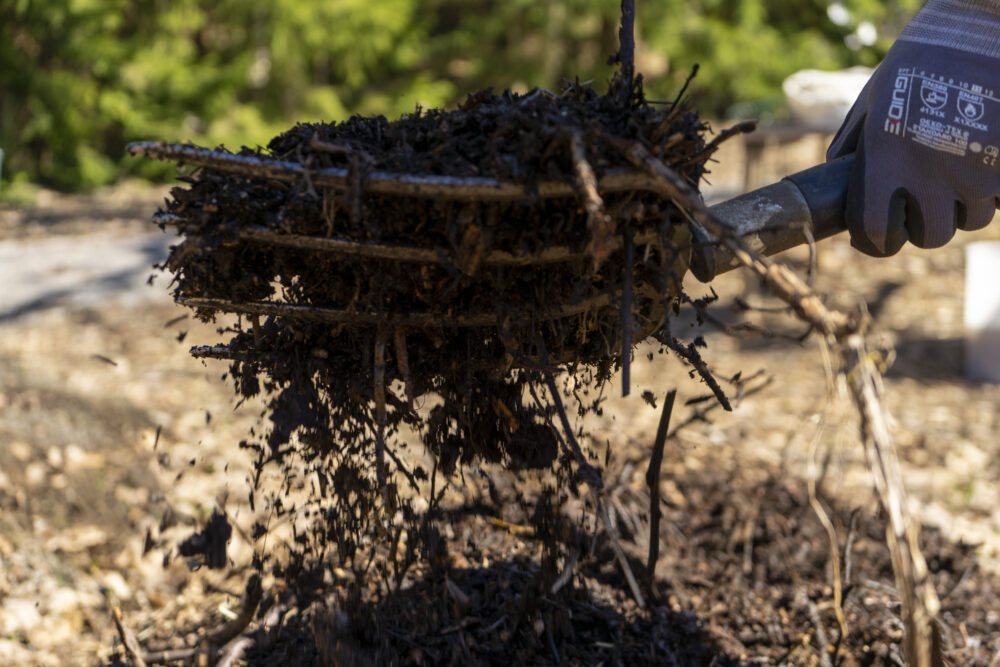
The secret to a flourishing garden lies in the "smell of the earth." High-quality compost should possess the rich, complex scent of forest humus—a sign that it is teeming with beneficial microorganisms. These microbes are the primary engines of fertility, unlocking minerals that would otherwise remain bound in the soil matrix.
The Role of Micronutrients
Modern gardening often suffers from a fixation on primary macronutrients. However, data suggests that trace minerals are the true catalysts for plant health. By incorporating stone dust and seaweed extracts into compost, gardeners can provide a broad spectrum of minerals. These additives are not merely "food" for the plants; they are bio-available resources that soil microbes process, making them easier for the plant to absorb.
Microbial Inoculation
The use of Bokashi and other beneficial microbial inoculants (HM-hapatte) has emerged as a game-changer. These fermented solutions introduce high concentrations of lactobacilli and yeasts, which accelerate the decomposition of organic matter and improve the soil’s structure, increasing its water-holding capacity and nutrient cycling efficiency.
Official Perspectives and Expert Insight
The Humus Campaign, an initiative that has spent several years working in collaboration with kindergartens and community groups, underscores that soil education is a public health necessity. Their research into humus levels suggests that the integration of organic matter is the most effective way to combat soil compaction and loss of biodiversity.
Experts in the field argue that the reliance on synthetic, high-solubility chemical fertilizers creates a "sugar-rush" effect in plants. This rapid, forced growth often results in a weak cellular structure, creating a beacon for aphids and fungal pathogens. Conversely, organic, slow-release nutrition encourages plants to invest energy into structural integrity and complex chemistry, effectively creating a natural immune system.
Implications: Protecting the Ecosystem
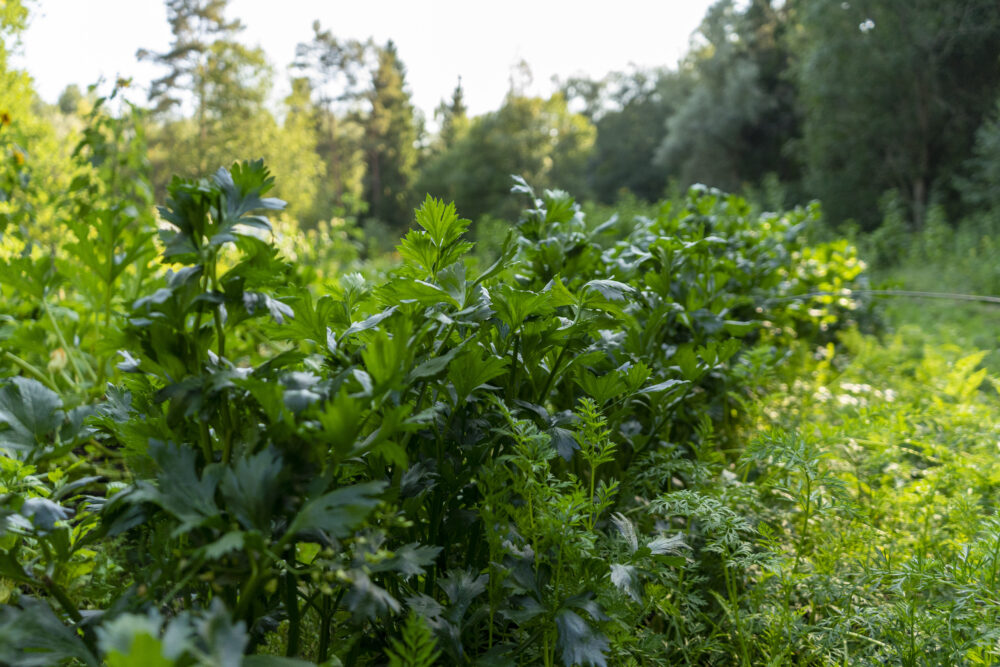
When we speak of "protection," we are not just talking about physical barriers. While it is true that certain crops, such as those in the Beta vulgaris family, require physical fencing in southern Finland to prevent predation by deer and elk, the most effective protection is ecological.
Biodiversity as a Shield
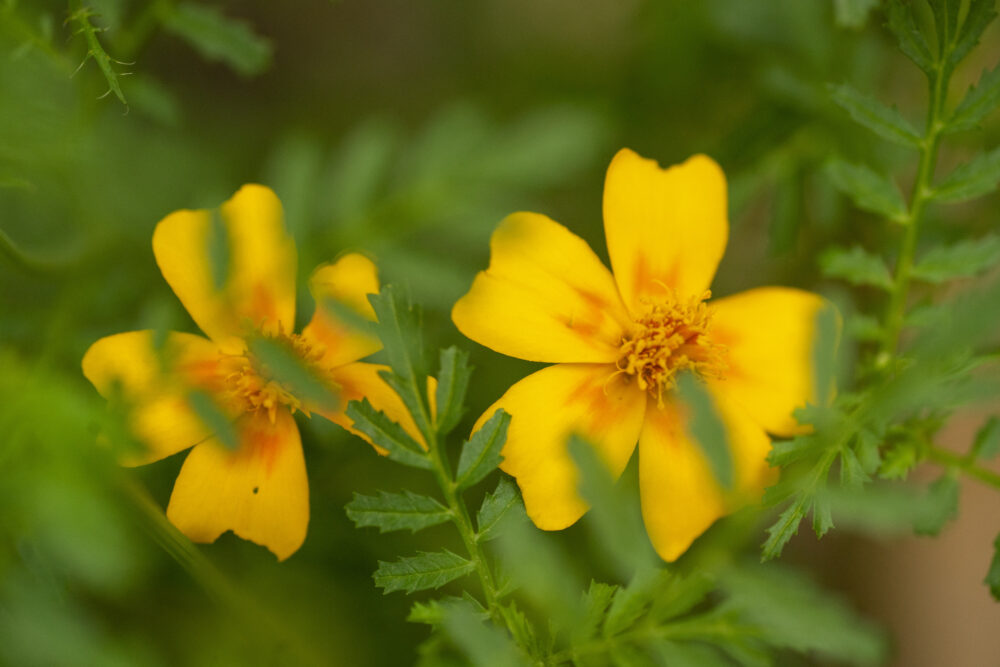
A garden should be viewed as a micro-ecosystem. By planting companion species—such as marigolds, which act as deterrents for certain soil-borne nematodes, and by encouraging habitats for predatory insects—we reduce the need for intervention. Diversity confuses pests; it creates a landscape where no single species can dominate and destroy a crop.
Culinary Application: Turning the Harvest into Health
A healthy garden results in a healthy kitchen. The tradition of kalitsounia—a Cretan pie stuffed with horta (wild greens) and cheese—serves as the perfect vessel for end-of-season produce.
Recipe: Seasonal Garden Pie
This dish highlights the nutritional density of home-grown and wild-foraged greens.
Ingredients:
- Dough: Flour, water, a splash of olive oil, and a pinch of salt.
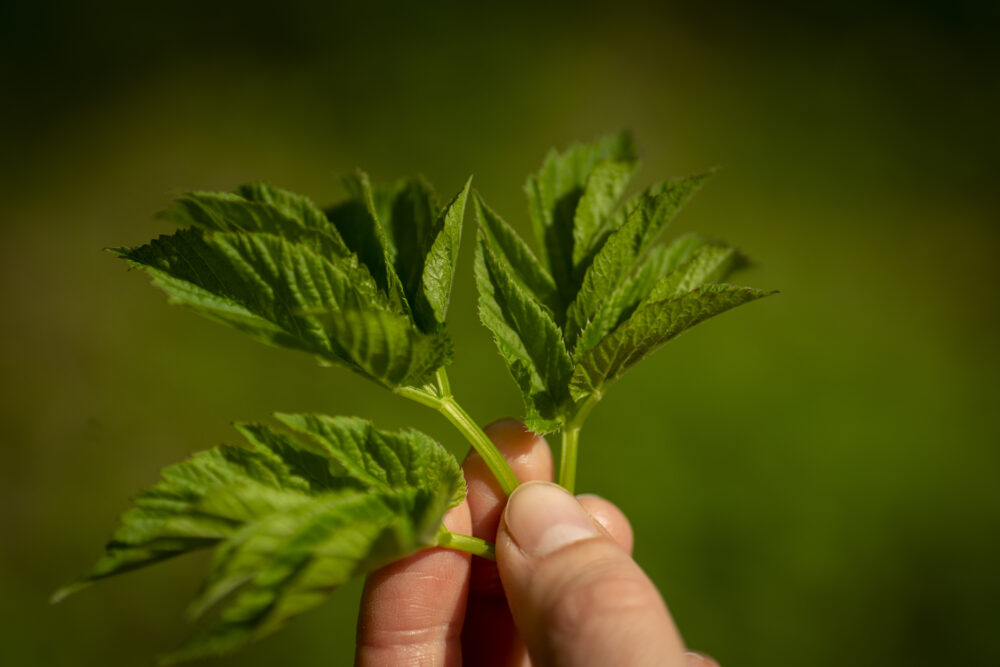
- Filling: A mix of blanched nettle, dandelion, ground elder, spinach, and young kale. White parts of spring onions, fresh mint, lemon juice (or vinegar), salt, and black pepper.
Method:
- Preparation: Mix the dough ingredients into a soft, elastic ball and let it rest for at least one hour.
- Greens: If using wild greens like dandelion or nettle, blanch them briefly in boiling water to remove bitterness. Cool in ice water, squeeze dry, and chop finely.
- Sauté: Sauté the onion stalks in oil, then add the chopped greens. Cook until the moisture has evaporated. Season with salt, pepper, mint, and a touch of lemon juice.
- Assembly: Roll the dough into thin circles. Place a tablespoon of filling in the center, moisten the edges, and fold into a half-moon or seal with a second disc of dough. Crimp the edges with a fork.
- Cooking: Fry in a pan with high-quality oil until golden brown on both sides. Serve hot alongside a fresh, wild-herb salad.
Conclusion: Looking Toward Future Seasons
The lessons of 2026 are clear: the gardener’s role is that of a facilitator, not a commander. By fostering a rich, living soil, we create an environment where plants can thrive on their own terms. When we provide the necessary micronutrients, encourage microbial activity, and embrace the complexity of a diverse ecosystem, we are rewarded with more than just a higher yield—we are rewarded with nutrient-dense food and a garden that acts as a bastion of resilience against an uncertain future.
As we move forward, the goal remains the same: to cultivate not just crops, but the very soil that sustains us. Through constant learning, adherence to the principles of biological agriculture, and a deep respect for the subterranean life that fuels our harvests, we ensure that our gardens remain productive, healthy, and full of life for years to come.
Photography throughout this article provided by Jyrki Kaheinen.