Date: June 15, 2026
Source: Backpacking Light Podcast, Episode 148
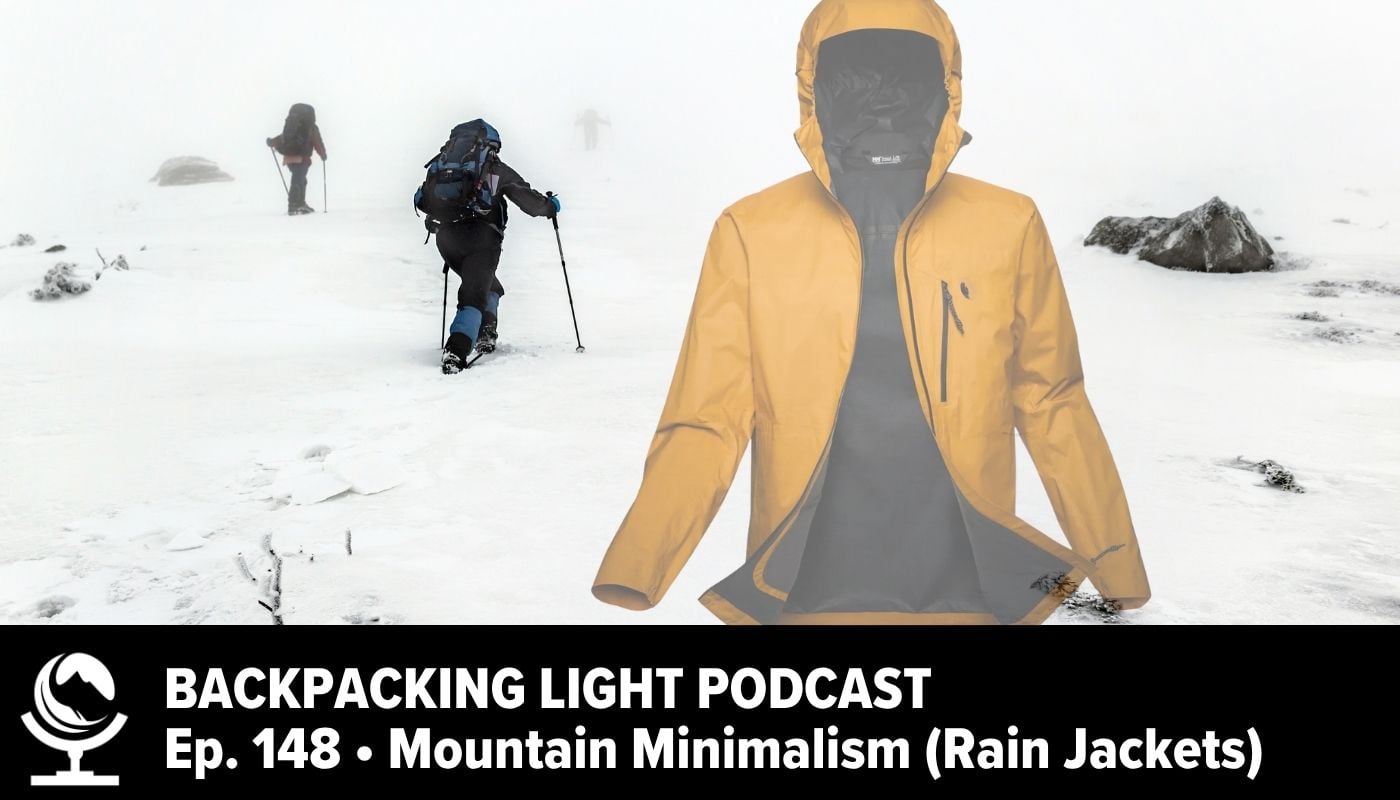
In the high-stakes environment of alpine mountaineering, the margin for error is razor-thin. For decades, the ultralight movement has championed the mantra of "less is more," pushing hikers and climbers to shed every unnecessary gram from their kits. However, as the latest episode of the Backpacking Light podcast highlights, there is a critical distinction between trail-friendly minimalism and the specialized gear required for exposed, high-altitude terrain.
Episode 148, released on June 15, 2026, serves as a masterclass in gear philosophy, challenging enthusiasts to look beyond the scale and consider the life-safety implications of their rain shell choices.
The Philosophy of Mountain Minimalism
The core of the discussion centers on a fundamental shift in perspective: the "Mountain Minimalist" approach. While an ultralight rain shell might be sufficient for a weekend trek through a mild, forested trail system, such equipment often fails when subjected to the extreme variables of high-mountain environments.
"The ultralight movement has evolved," the podcast notes. "We have moved past the phase of just cutting weight for the sake of the scale. Now, it is about intentionality. A jacket that saves three ounces but leaves you exposed to hypothermic conditions in an unexpected storm is not a minimalist tool; it is a liability."
The episode introduces a comprehensive Decision Framework designed to help backpackers evaluate whether their current rain shell is up to the task of mountain exploration. This framework balances six critical variables:
- Exposure Duration: How long will you be in the storm?
- Retreat Options: How quickly can you reach shelter or a trailhead?
- Terrain Complexity: Is the route technical or exposed?
- Abrasion Resistance: Will the fabric survive rock scrambles and heavy pack straps?
- Wind Mitigation: Can the shell hold up against gale-force gusts?
- Thermal Margin: Does the shell provide the necessary barrier to keep your base layers dry and your core temperature stable?
A Chronology of Shell Innovation
The evolution of the rain shell has been marked by a constant tug-of-war between breathability, waterproofness, and weight. The history of this development can be categorized into three distinct phases:
- The Era of Heavy Duty (Pre-2000s): Characterized by thick, multi-layer fabrics that were bombproof but excessively heavy and uncomfortable for long-distance movement.
- The Ultralight Revolution (2000–2015): The focus shifted entirely to mass reduction. Brands pushed the limits of thin, high-denier fabrics, often at the cost of durability and long-term waterproof integrity.
- The Technical Minimalism Era (2015–Present): We are currently in a period of "smart weight." Manufacturers are utilizing advanced membrane technologies—such as ePE (expanded polyethylene) and nanoporous membranes—to provide high-performance weather protection that remains packable without sacrificing the structural integrity required for alpine use.
Supporting Data: The New Standard in Shell Tech
Modern mountain minimalism is supported by a new generation of hardware that bridges the gap between weight efficiency and survival-grade protection. The podcast featured three flagship models that represent the current state-of-the-art in this category:
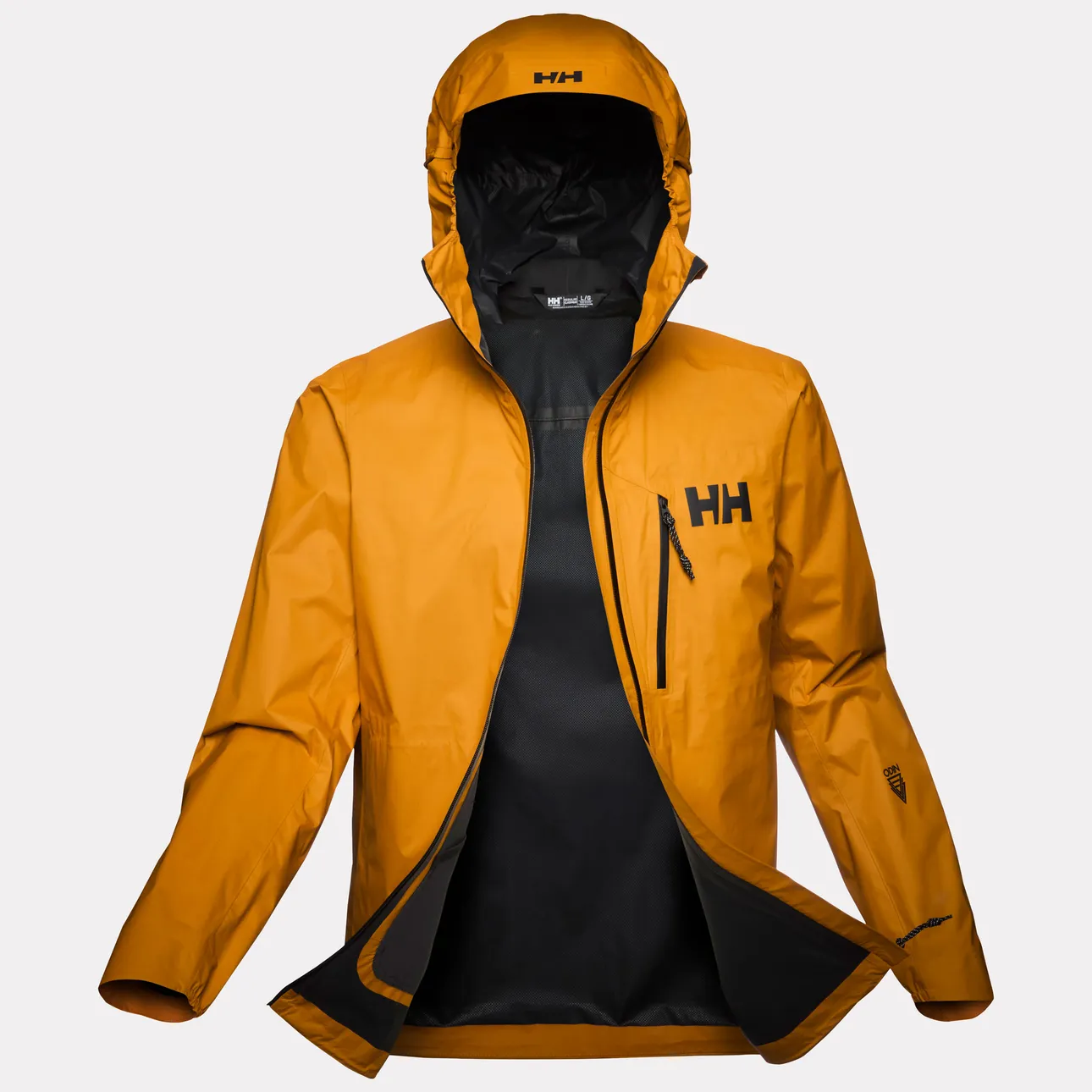
1. Helly Hansen Odin Infinity Minimalist Jacket
At 250 grams, this 3.5-layer shell utilizes the LIFA INFINITY construction. It is designed for users who prioritize active, high-output breathability. Its fully seam-sealed 2-way stretch fabric offers a level of mobility that is rarely seen in traditional hardshells.
2. Arc’teryx Alpha SL Jacket
Weighing in at a mere 232 grams, the Alpha SL leverages GORE-TEX PRO ePE technology and 20D Hadron face fabric. This is the gold standard for those who demand high-tech performance and durability. Its helmet-compatible StormHood is a testament to the fact that "minimalist" does not have to mean "stripped of essential features."
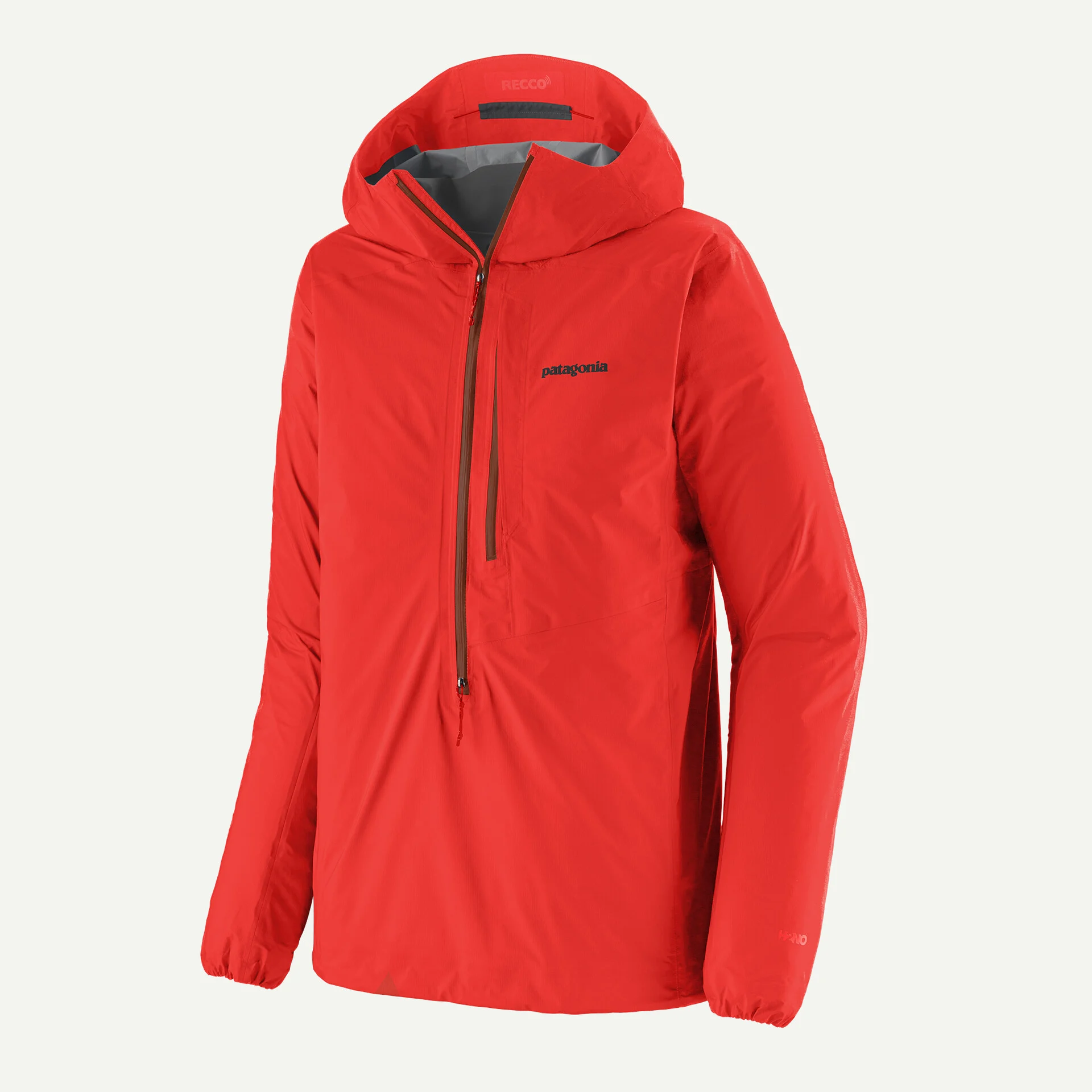
3. Patagonia M10 Anorak
Representing the 300-gram tier, the M10 Anorak is a specialized tool for the minimalist alpinist. Using an Xpore nanoporous membrane and a recycled 20-denier ripstop face, it provides a more robust, slim-fit silhouette that excels in technical, high-wind environments.
Official Industry Perspective: The Move Toward PFAS-Free Performance
A recurring theme in the latest gear launches is the transition toward PFAS-free membranes. Regulatory pressure and environmental consciousness have forced the industry to innovate rapidly.
"The challenge," according to product developers cited in the episode, "is maintaining the hydrophobic properties that users expect without the environmental impact of traditional chemicals." Both the Arc’teryx Alpha SL and other emerging models indicate that the industry is successfully navigating this transition. The move toward PFAS-free, ePE-based membranes is not just an environmental choice—it is a performance evolution, often resulting in lighter, more breathable, and longer-lasting shells.
Implications for the Modern Backpacker
The implications for the consumer are clear: Gear selection must be context-dependent.
The "Mountain Minimalist" is not a person who carries the lightest gear; it is a person who carries the most appropriate gear to maintain a margin of safety in an unforgiving environment.
The Safety Gap
For those planning trips into high-altitude, remote, or technically demanding terrain, the podcast warns against "gear drift." Gear drift occurs when a hiker adopts the equipment meant for a temperate, low-altitude hike and attempts to use it in an alpine context. The primary risk is the loss of the "thermal margin." If a storm hits and the wind strips away the heat trapped in your base layers because your shell lacks sufficient wind-proofing, the outcome can be fatal.
The Role of Education
Backpacking Light emphasizes that the most critical piece of equipment is not the shell itself, but the user’s knowledge. Understanding how to layer, how to monitor weather patterns, and when to turn back are the foundational skills of mountain minimalism.
The forum and community access provided by organizations like Backpacking Light offer a platform for this ongoing education. By engaging with seasoned experts, users can learn to interpret the data behind their gear choices, ensuring that their next purchase isn’t just another item on a list, but a reliable component of their safety system.

Conclusion: Pack Less, Be More
As we move further into the 2026 season, the trend toward high-performance, lightweight mountain gear shows no signs of slowing. However, the message from Episode 148 is a sobering reminder: as our gear becomes more specialized, our understanding of its limitations must deepen.
Whether you are scaling a remote peak or navigating a technical traverse, the goal of the mountain minimalist remains the same: to minimize the barrier between the adventurer and the environment, while maximizing the safety and effectiveness of every piece of kit in the pack.
For those interested in exploring these technical specifications further, full gear reviews and in-depth educational resources are available through the Backpacking Light membership portal, providing the necessary data to make informed decisions for your next mountain endeavor.