By Samuli Haapasalo | August 4, 2026
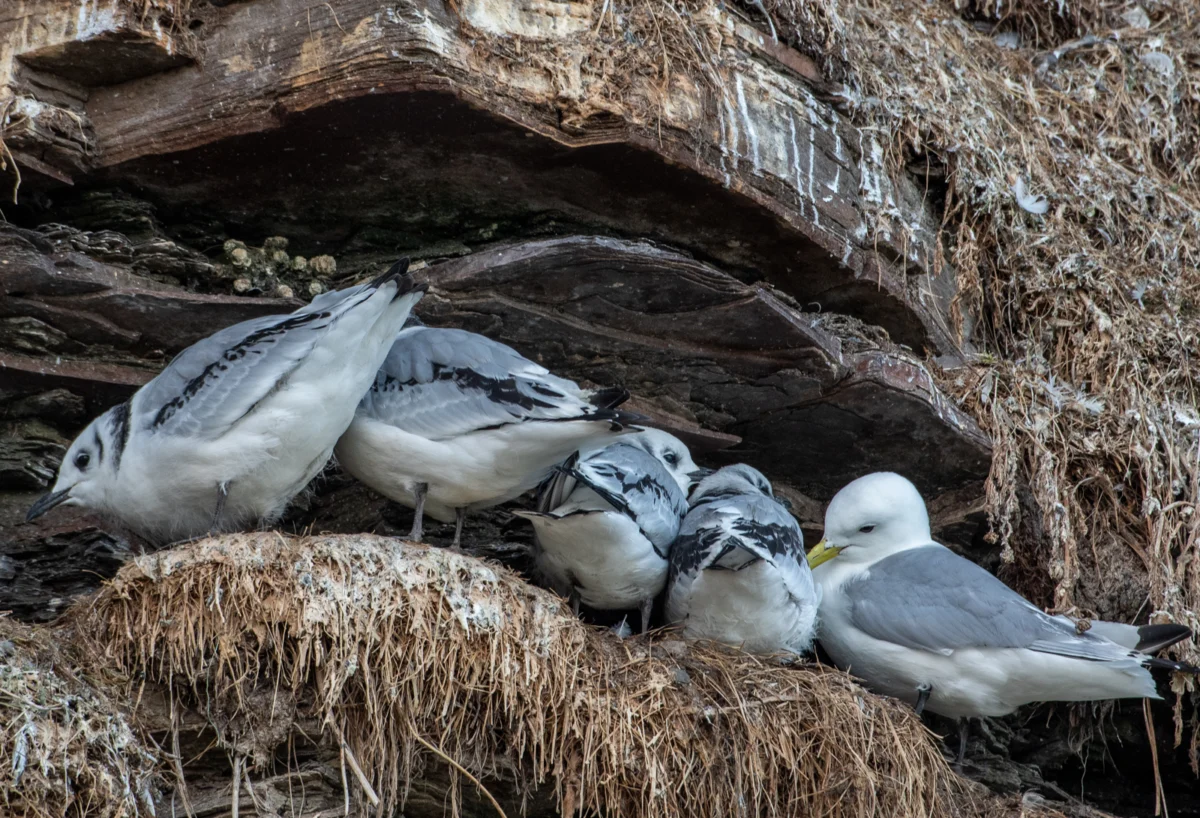
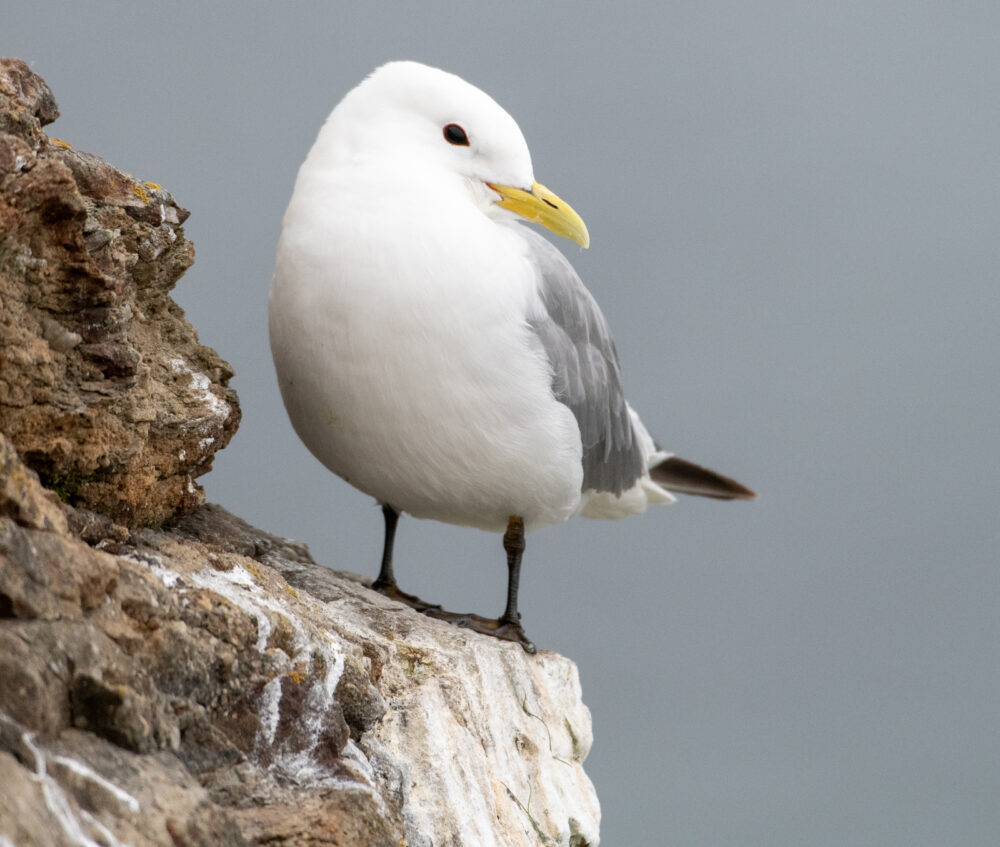
The Varanger Peninsula, a stark and breathtaking reach of northern Norway, has long been a sanctuary for millions of seabirds. Among them, the black-legged kittiwake (Rissa tridactyla) has traditionally been the defining inhabitant of the region’s dramatic coastal cliffs. However, for those who have monitored these colonies for decades, the silence currently gripping historically bustling sites is more than just a seasonal lull—it is a chilling indicator of a systemic ecological collapse.
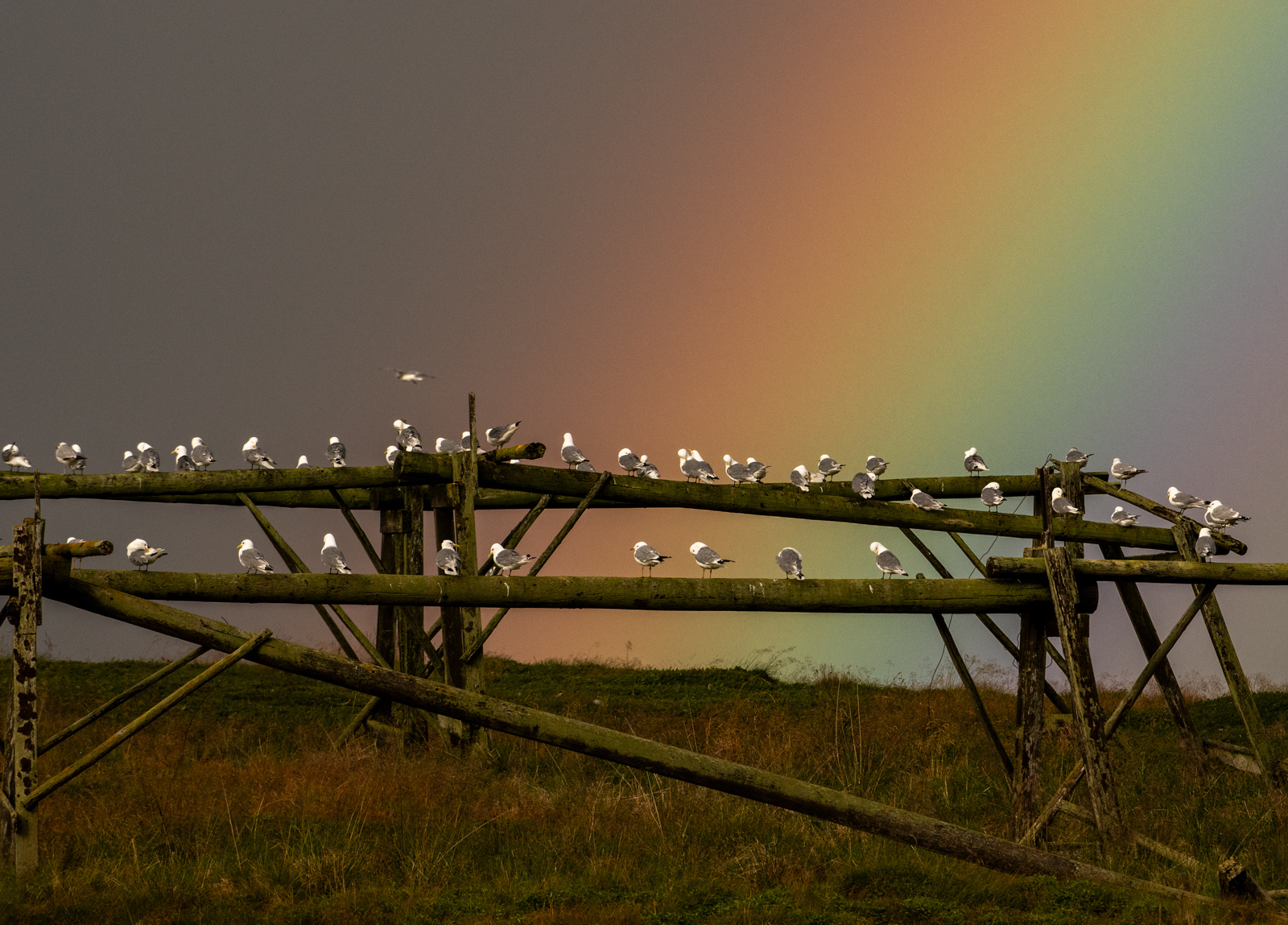
The Changing Horizon: Main Facts and Observations
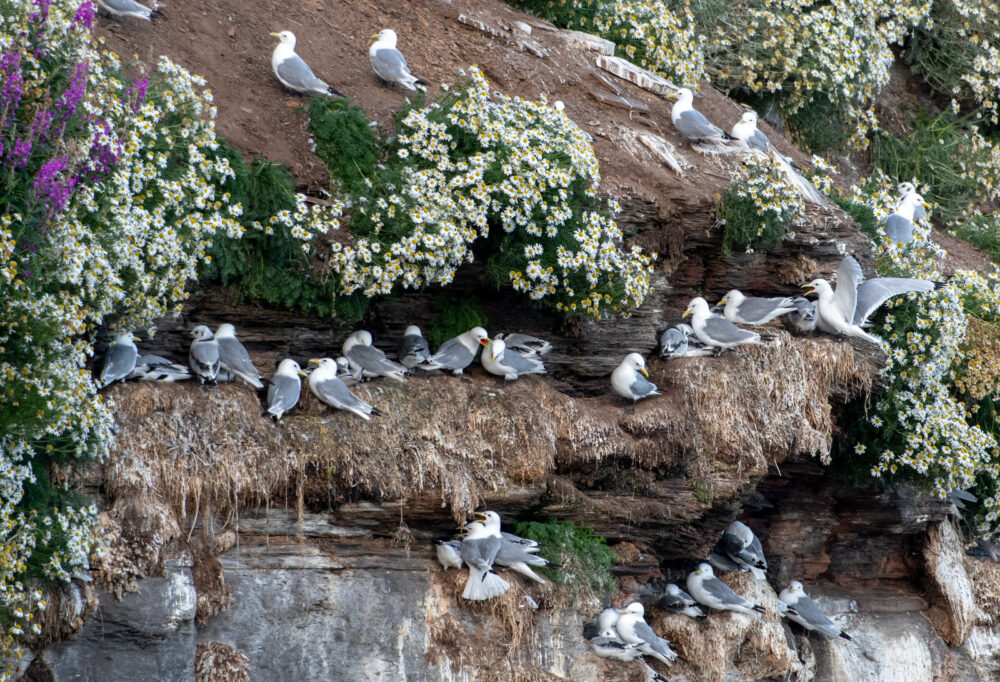
Since my first expedition to the Varanger Fjord and peninsula in 1971, the black-legged kittiwake has been a constant presence. These elegant, vocal, and resilient birds once turned the cliffs of sites like Syltefjordstauran into living, breathing fortresses of sound, with hundreds of thousands of pairs nesting simultaneously.
Today, that vibrancy has become inconsistent. Some years, the cliffs are vibrant; in others, they are hauntingly quiet. The fundamental struggle for the kittiwake, as well as related species like the Atlantic puffin and common guillemot, is the increasing difficulty in securing enough prey. The primary culprit is a "triple threat": industrial overfishing, rapidly warming oceans, and the resulting northward shift of the marine food web. As sea temperatures rise, the small schooling fish—specifically sand eels and herring—upon which these birds depend, are migrating further north, forcing the kittiwakes to expend vital energy on increasingly long, often fruitless foraging trips.
A Chronology of Decline
The decline of the kittiwake is not a sudden event, but a slow erosion of reproductive success. Historically, the arrival of the birds at their nesting grounds was a guarantee of a forthcoming breeding season. Now, the dynamic has shifted significantly. In recent years, researchers and observers have noted a recurring, troubling pattern: the birds arrive at the cliffs, but they do not always settle to breed.
- The 1970s and 80s: A period characterized by high density and stability in major colonies across Northern Norway and Scotland.
- The 2000s: Initial signals of food scarcity began to emerge as industrial fishing pressures increased and ocean temperatures began their steady climb.
- The Early 2020s: "Ghost cliffs" became a more common phenomenon. Colonies that once teemed with life were left abandoned as birds failed to find enough food to justify the metabolic cost of reproduction.
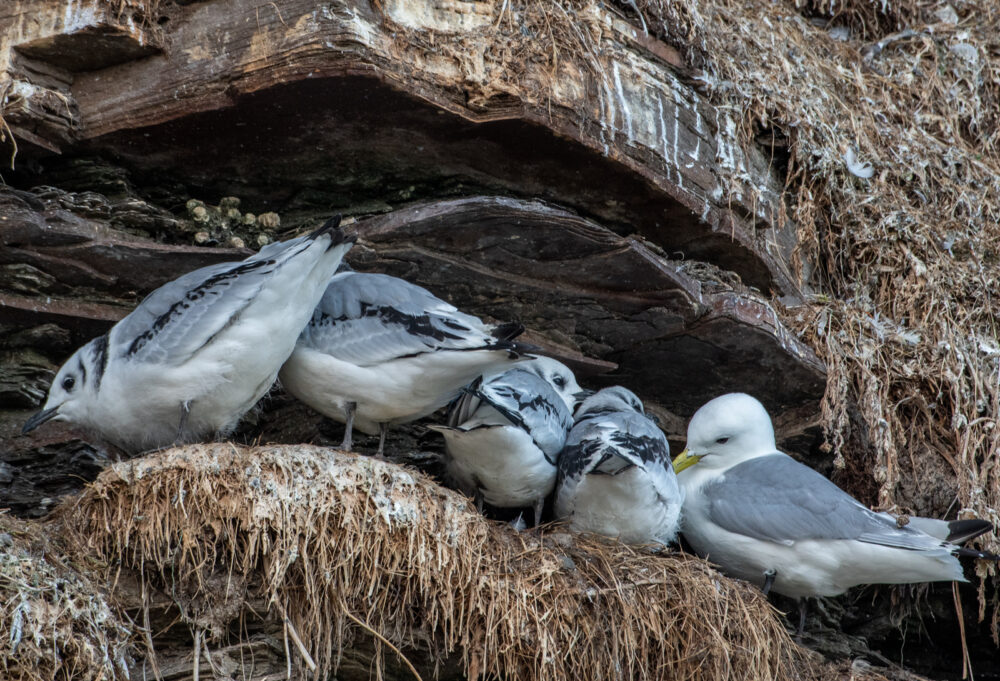
- August 2026: A summer of mixed results. While the overall trend remains dire, the Ekkerøy bird cliff has offered a rare, if fragile, success story this year. Unlike some recent seasons where the site was nearly deserted, the 2026 season saw a return of the birds, with many successful fledglings visible on the steep slopes.
Supporting Data: The Ripple Effects of a Warming Ocean
The ecological crisis facing the kittiwake is an indicator of the "big picture" of climate change. The birds are biological monitors; their inability to find food is a direct signal that the marine ecosystem is undergoing a fundamental shift.
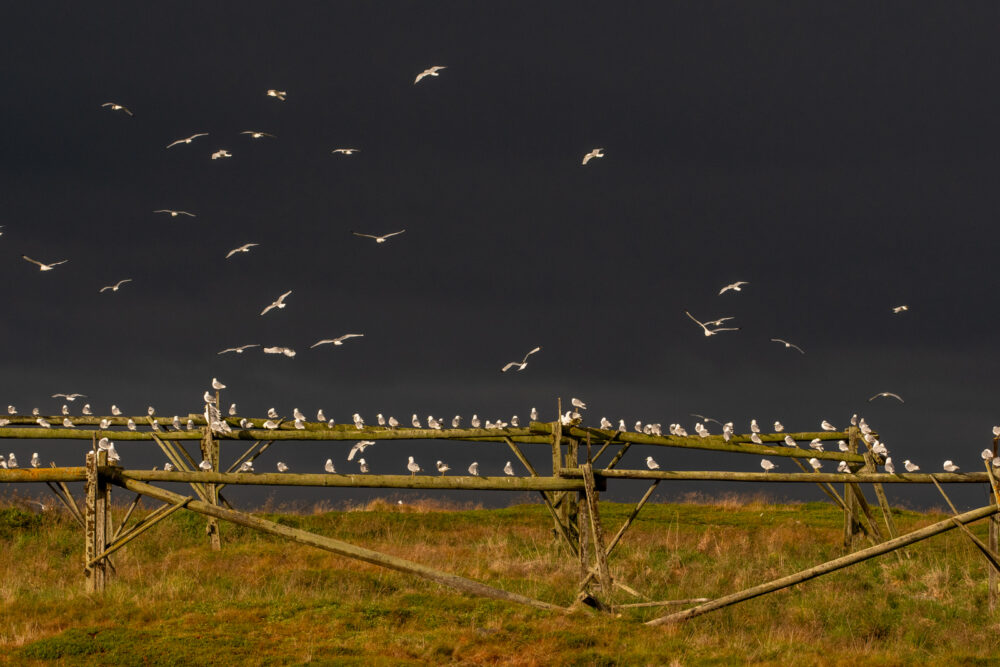
The primary issue is the disruption of the food chain. Sand eels, a staple of the kittiwake diet, are highly sensitive to temperature fluctuations. As the North Atlantic warms, the plankton blooms that support these fish are shifting timing and location. When the kittiwakes arrive at their breeding grounds, they operate on a strict biological clock—they need high-energy food immediately to produce eggs and nourish chicks. If the sand eels have already moved or the population has collapsed due to a lack of nutrients, the breeding season fails before it truly begins.
Furthermore, human activity complicates this natural shift. Industrial fisheries targeting these same small forage fish for use in aquaculture and livestock feed have exacerbated the problem. When human extraction reaches industrial scales in an environment already stressed by climate change, the "buffer" the birds need to survive simply disappears.
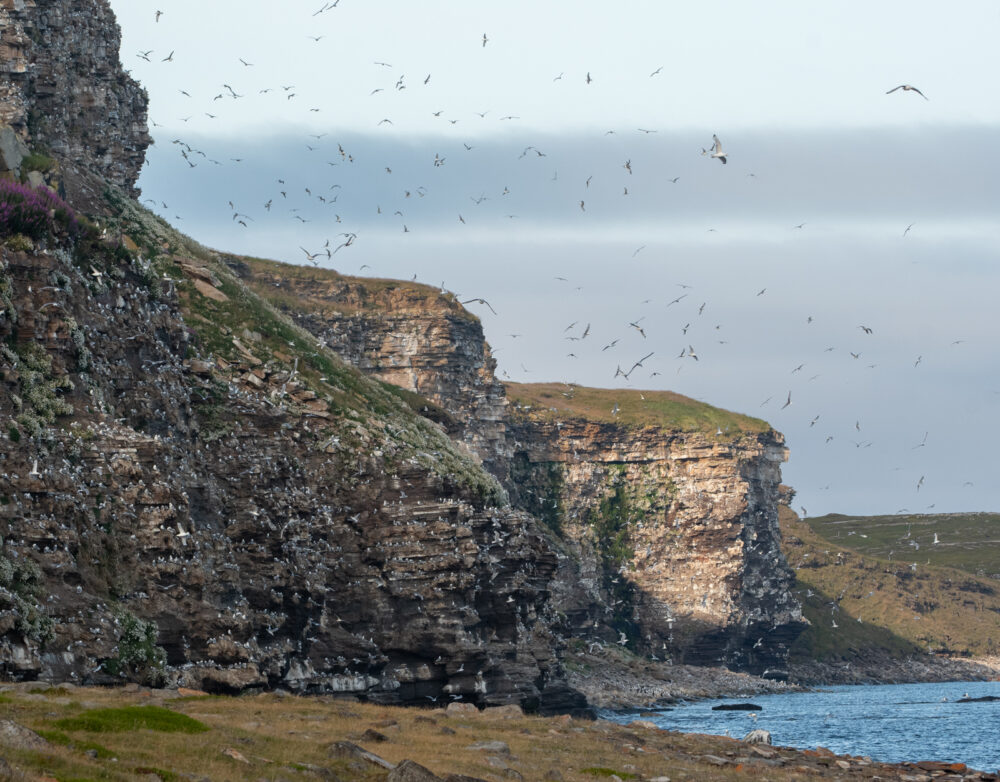
The View from Ekkerøy: A Glimmer of Hope
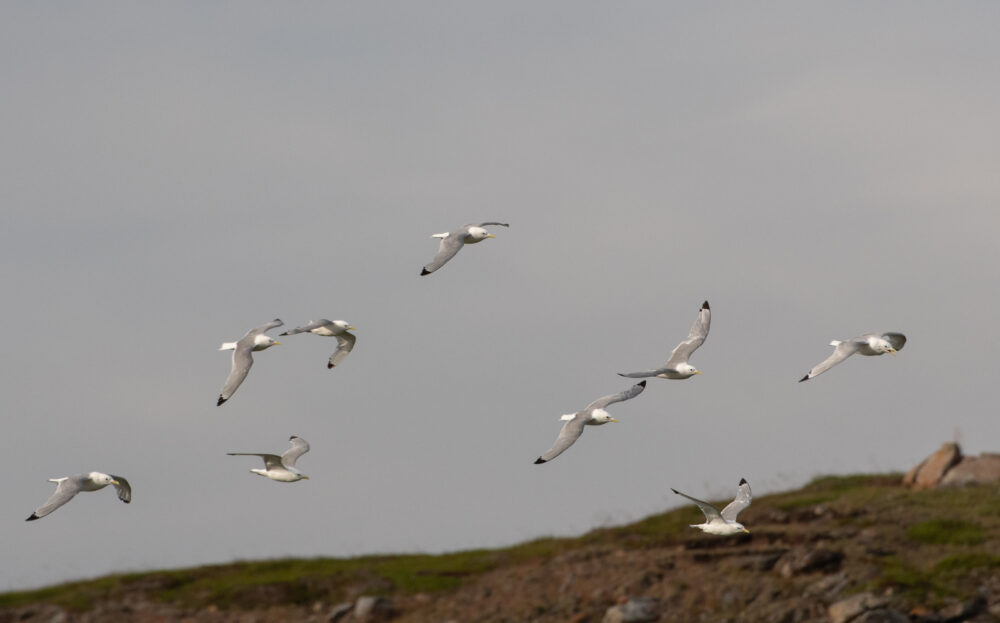
The observations from the last week of July and early August 2026 provide a nuanced perspective. At the Ekkerøy cliff, the sight of black-legged kittiwakes returning from the sea in continuous, rhythmic lines brought a sense of relief to observers. The young, some now fully flighted, indicate that the local conditions were favorable enough this season to support a successful brood.
However, this "light in the darkness" should not be mistaken for a recovery. It is a local anomaly in a sea of volatility. One successful year does not reverse decades of decline. It does, however, prove that if the pressure on the marine environment is slightly alleviated, the birds possess the resilience to return to their ancestral homes. The question for the future is whether humanity can facilitate those conditions globally, or if these colonies will eventually become nothing more than monuments to a bygone era of biodiversity.
Official Responses and the Scientific Consensus
The global scientific community and environmental bodies have been ringing alarm bells for years. Organizations such as the OSPAR Commission and various national environmental agencies have noted that the breeding success of cliff-nesting seabirds is currently at an all-time low in many parts of the Northeast Atlantic.
The scientific consensus is that we are witnessing a systemic failure. The "impactful measures" needed, as discussed by experts, include:
- Marine Protected Areas (MPAs): Establishing "no-take" zones around key foraging grounds to ensure that sand eel and herring populations have a chance to recover.
- Fisheries Management: Transitioning away from the industrial extraction of low-trophic-level forage fish.
- Climate Mitigation: Addressing the underlying cause—global carbon emissions—which is the ultimate driver of ocean thermal expansion and current shifts.
Implications: Beyond the Kittiwake
The plight of the black-legged kittiwake is not an isolated incident; it is a sentinel event. If the kittiwakes are struggling to find food, the implications for the entire food chain—from top predators like seals and whales to the health of the commercial fisheries themselves—are severe.
As we look toward the future, the knowledge we possess is both a tool and a burden. Science provides us with the data to understand why these cliffs are falling silent, but it also increases the sense of urgency. We are no longer in a position where "monitoring" is enough. The data must lead to "clear and correct conclusions," as the saying goes. This means recognizing that the survival of these species is inextricably linked to our own management of the planet’s resources.
Conclusion: A Call for Persistent Stewardship
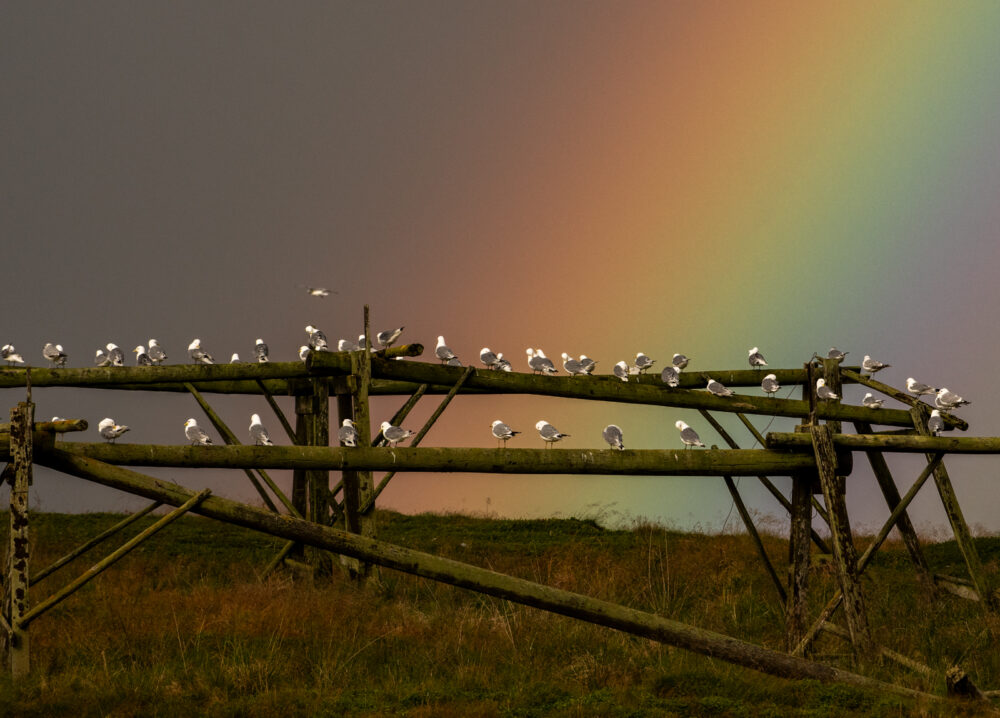
The beauty of a rainbow over the Varanger Fjord on a quiet Saturday in August, or the sight of a healthy fledgling on a cliffside, serves as a poignant reminder of what we stand to lose. It is easy to succumb to pessimism when observing the decline of such iconic northern species. However, as the 2026 season has shown, the natural world is still fighting.
The work of conservationists and the dedication of researchers remain the backbone of our efforts to protect these environments. We must continue to invest in rigorous, data-driven research, but we must also have the political and ethical courage to act on what that data tells us. We must choose to implement the hard, necessary changes required to protect the marine ecosystem.
To lose the kittiwake from the northern cliffs would be to lose a voice of the Arctic—a sound that has been part of our collective heritage for millennia. We owe it to the future to ensure that the cliffs remain loud, active, and alive. There is always hope, provided we act before the silence becomes permanent.