By Elina Juva
September 10, 2026
The crisp, cooling air of early September serves as a siren song for mushroom enthusiasts across Finland. As the summer heat fades and the autumn rains begin to saturate the forest floor, the mycelial network beneath our feet erupts into a spectacular display of biodiversity. On the first Saturday of September 2026, a group of fifteen eager Suomen Luonto subscribers gathered at the Bakunkärr nature trail parking area in Sipoonkorpi National Park, marking a milestone: the first-ever outing of the newly established Suomen Luonto Club.
This expedition was not merely a walk in the woods; it was a masterclass in mycological literacy, aimed at bridging the gap between passive nature observation and active, sustainable foraging. Guided by professional biologist and keruutuoteneuvoja (wild food consultant) Anna Nyman, participants sought to transform their relationship with the forest—moving from uncertain identification to confident, informed harvesting.
The Fundamentals: Bridging Theory and Practice
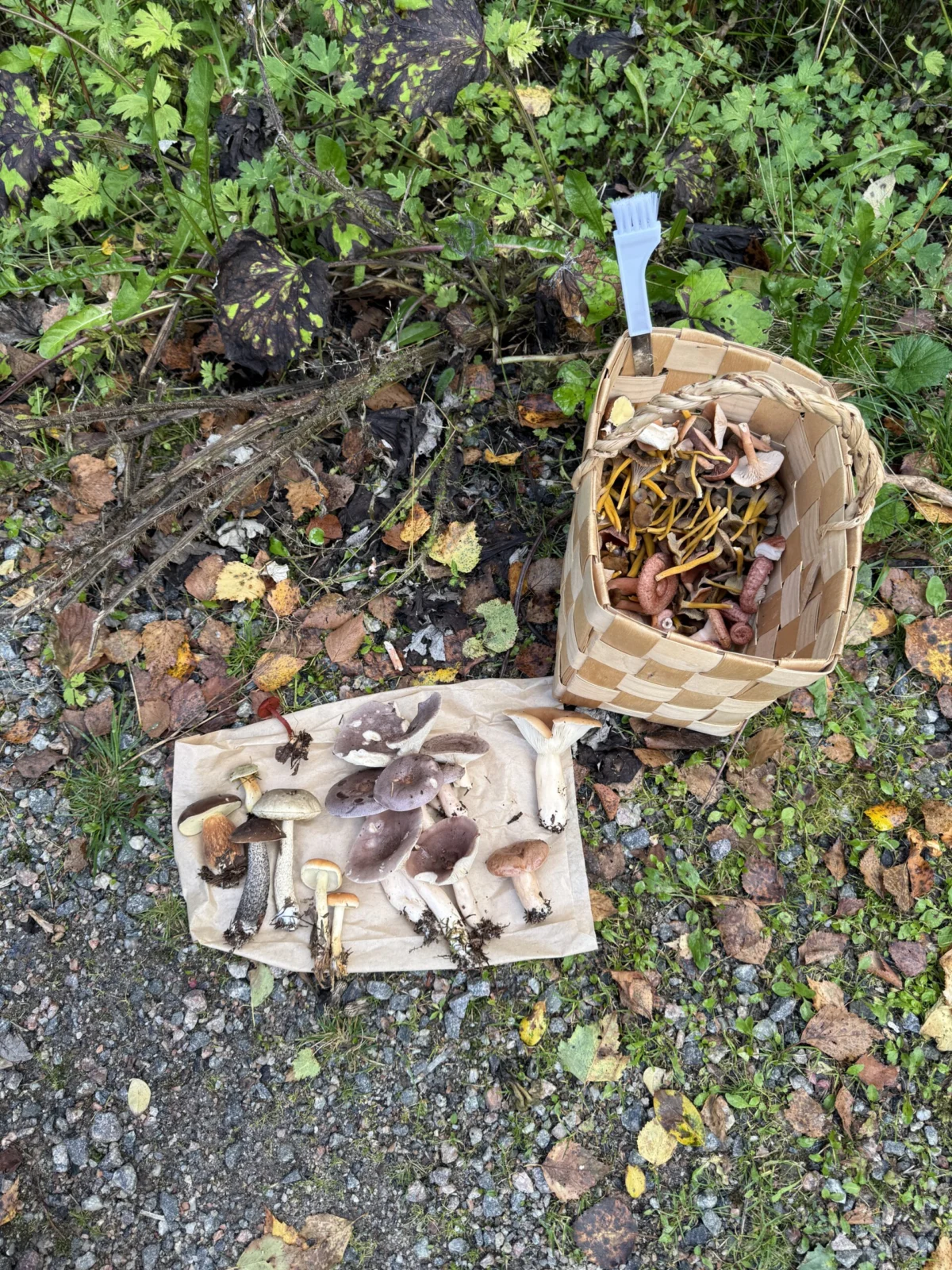
The success of any foraging excursion hinges on the transition from visual recognition to sensory identification. Recognizing this, Anna Nyman initiated the event with a mobile "mushroom exhibition" set up along the trail. This curated collection served as a vital educational tool, allowing participants to compare specimens in a controlled environment before venturing into the wild.
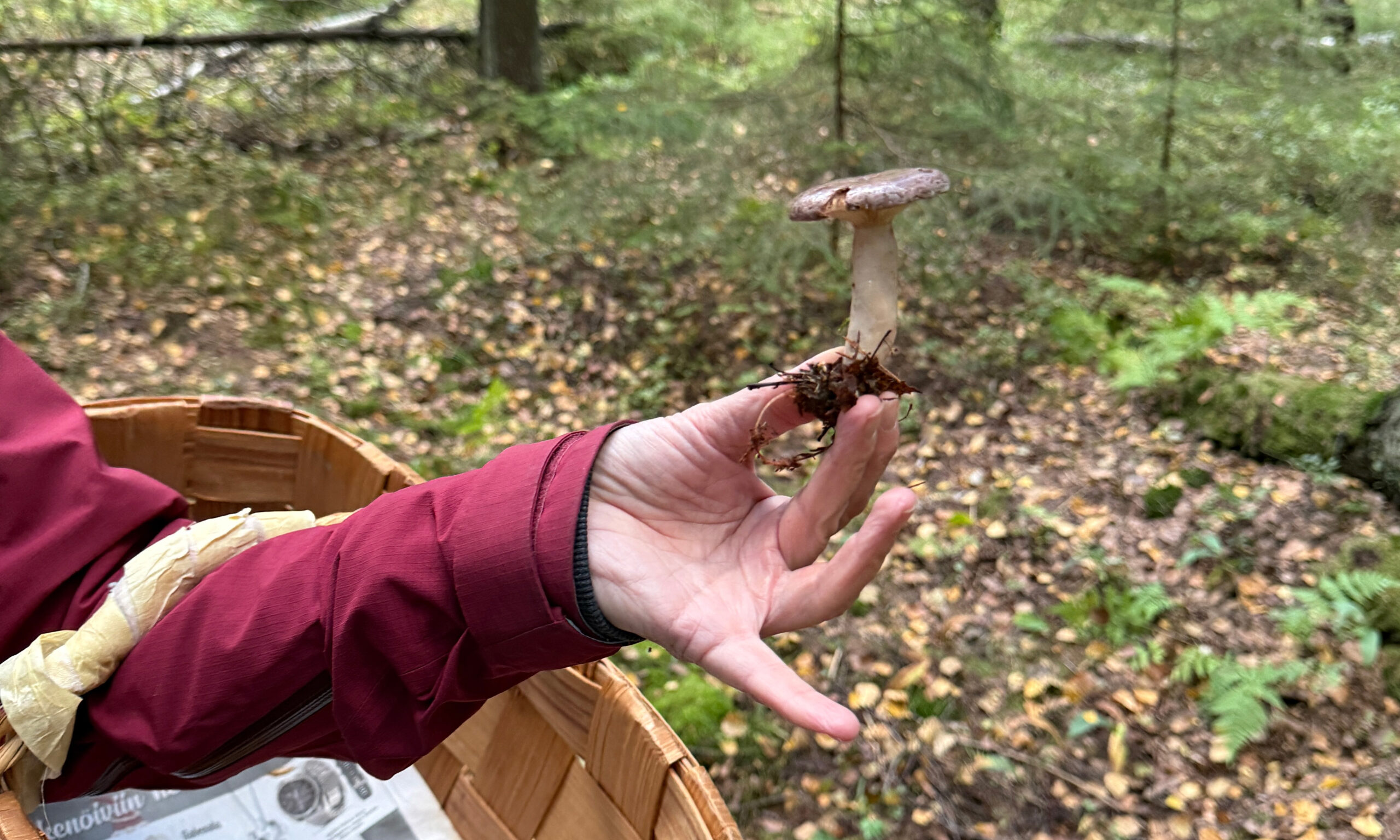
"The goal is to demystify the forest floor," Nyman explained during the introduction. "Many people walk past incredible culinary treasures because they lack the confidence to distinguish them from lookalikes. By handling the specimens—observing the gills, the texture of the cap, the specific scent, and the bruising patterns—we build a tactile memory that a guidebook simply cannot provide."
The exhibition featured a broad cross-section of Finnish fungal life: from the delicate Hapero (Russula) family to the robust Rousku (Lactarius) varieties, and the ever-popular Vahvero (Chanterelle) species. Crucially, Nyman also included toxic species in the display, ensuring that participants understood the high-stakes reality of foraging.
A Chronology of Discovery: The Hunt for Hidden Treasures
Following the orientation, the group moved into the dense, moss-carpeted woods of Sipoonkorpi. The atmosphere was electric, resembling a high-stakes treasure hunt. For nearly two hours, the group combed a strip of forest between the nature trail and the road, a micro-habitat rich in fungal activity.
10:00 AM: The Initial Sweep
The first hour was defined by cautious curiosity. Participants approached every patch of fungi with trepidation, frequently calling upon Nyman to verify their findings. "Is this a Pikkurousku?" was the recurring question of the morning. Each discovery sparked a mini-seminar, as Nyman explained the environmental conditions required for specific species to thrive.

11:30 AM: The Deep Dive
As the group moved deeper into the forest, the identification became more nuanced. A significant teaching moment occurred when Nyman identified a Pulkko (Paxillus involutus), a mushroom that was once considered edible but is now known to be dangerous. "The forest is generous, but it is not forgiving," Nyman warned. She highlighted the mushroom’s tendency to bruise dark brown when touched, a key field mark that serves as a warning sign.
12:30 PM: The Sorting Phase
The final hour was dedicated to the most critical aspect of foraging: the "sorting" or verification process. Returning to the trailhead, the group laid out their baskets. This was the moment where the "100% certainty rule" was emphasized. Every specimen that could not be identified with absolute confidence was returned to the forest floor to complete its biological cycle.
Supporting Data: The Mycological Landscape
The findings from the day provided a snapshot of late-summer biodiversity in Southern Finland. While the harvest was varied, the primary focus remained on culinary staples and their mimics.
Table 1: Key Species Encountered
| Species Name (Finnish) | Status | Key Identification Note |
|---|---|---|
| Suppilovahvero | Edible | Distinctive hollow stem and funnel shape. |
| Haaparousku | Edible (after boiling) | Milky latex; requires preparation. |
| Rusko-orakas | Edible | Tooth-like structures instead of gills. |
| Pulkko | Toxic | Bruises dark brown; historically misidentified. |
| Valkokärpässieni | Deadly | White gills, ring on stem, volva at base. |
The expedition also highlighted the importance of technological aids. Nyman demonstrated how, even as a professional, she uses digital tools to assist in identification—such as the Kangaskääpä, which was identified on-site using a specialized mobile application. However, she was quick to remind the group that "technology is an assistant, not a replacement for fundamental botanical knowledge."

Implications: The Ethics of Foraging
The Suomen Luonto Club’s initiative carries significant implications for how we interact with our natural environments. In an era where "nature-deficit disorder" is becoming an increasingly recognized issue, activities like this provide a tangible, meaningful way to reconnect with the landscape.
1. Sustainable Harvesting Practices
The workshop emphasized that foraging is not merely about extraction. By leaving inedible or unidentifiable specimens behind, participants learned to act as stewards of the forest. The practice of returning mushroom bits and debris to the soil serves a functional purpose, as these remnants provide nutrients for the next generation of fungi.
2. Safety and Risk Mitigation
The most important rule—"Only eat what you can identify with 100% certainty"—was reinforced repeatedly. This is not just a suggestion; it is a vital safety protocol. In Finland, where the foraging culture is deeply embedded in the national identity, the risk of accidental poisoning remains a real public health concern. Educational outings like this one reduce that risk by fostering a culture of humility and caution.
3. The Culinary Connection
Foraging is, at its core, a way of sourcing food. Nyman’s personal anecdote about preparing Haaparousku in salt water to create a creamy dip highlighted the potential for using underutilized forest resources. This "nose-to-tail" approach to foraging (or, perhaps, "root-to-cap") is an essential component of modern sustainable living.

Expert Insights: Beyond the Basket
Anna Nyman, the lead guide for the day, noted that the most significant change in participants over the three-hour session was the shift in their perspective. "When you first walk into the forest, you see green," Nyman noted. "By the time you leave, you see patterns, soil textures, tree associations, and a complex web of life. The mushroom is just the ‘fruit’ of that system. Understanding the system is what makes you a true forager."
The participants, ranging from absolute novices to those with years of hobbyist experience, found value in the structured environment. The ability to ask questions, handle specimens, and receive immediate, professional feedback transformed the experience from a solitary hobby into a communal learning event.
Looking Ahead: Building the Community
The success of this inaugural event sets a high bar for future Suomen Luonto Club activities. By providing both the knowledge base—through digital resources like the Sienet-digiekstra—and the hands-on experience, the club is effectively building a community of informed, ethical nature lovers.
For those who were unable to attend this session, the message is clear: the forest is waiting, but preparation is key. As we move further into the autumn, the opportunities to practice these skills will only increase. Whether it is learning the difference between a Suppilovahvero and a Rustonupikka or mastering the preparation of Rousku species, the journey of a thousand meals begins with a single, well-identified mushroom.
As one participant remarked while leaving the parking lot, "I came here wanting to fill a basket, but I left with a new set of eyes."
For subscribers interested in future events, the Suomen Luonto Club offers a gateway to deep, expert-led explorations of Finland’s natural treasures. The season is short, the mushrooms are fleeting, but the knowledge gained in the woods of Sipoonkorpi will last a lifetime.
For those looking to expand their knowledge before the next outing, the full library of the Suomen Luonto "Sienet-digiekstra" (Mushroom Digital Extra) is available to all subscribers, providing comprehensive guides to the species discussed during the excursion.