By: Editorial Desk (Based on accounts by Samuli Haapasalo)
Nature is often viewed through the lens of tranquil beauty, yet in the rugged wilderness of Kuusamo, Finland, it possesses a raw, kinetic power capable of reshaping the landscape in a heartbeat. For nature photographer Samuli Haapasalo, a routine spring excursion in May 1979 turned into a harrowing brush with the primal forces of the Kitkajoki River.
What follows is an exploration of the dramatic collapse of the Jyrävä ice bridge—a rare, monumental hydrological event—and a reflection on the volatile beauty of Northern Finnish landscapes.
Main Facts: The Anatomy of a Frozen Catastrophe
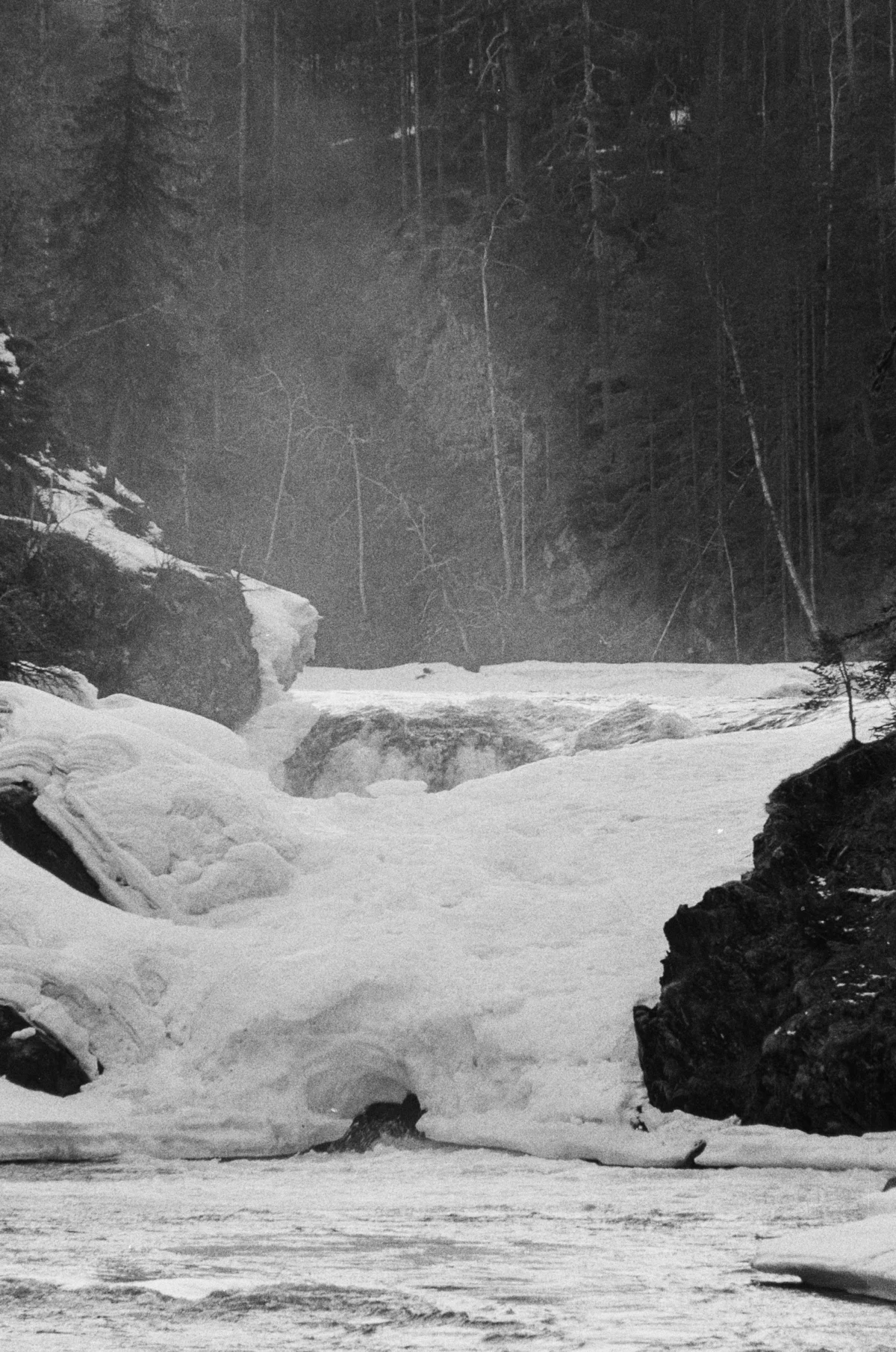
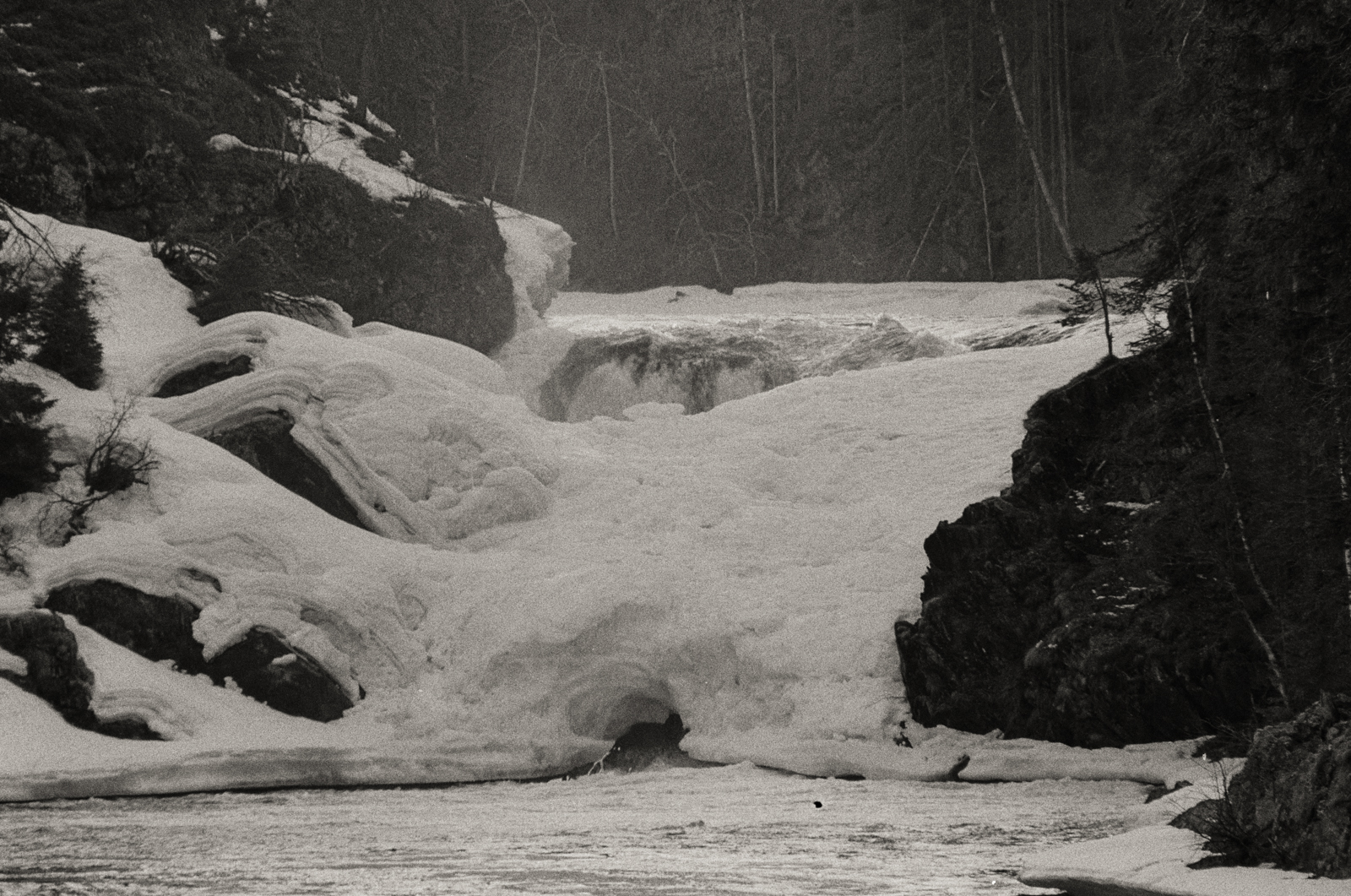
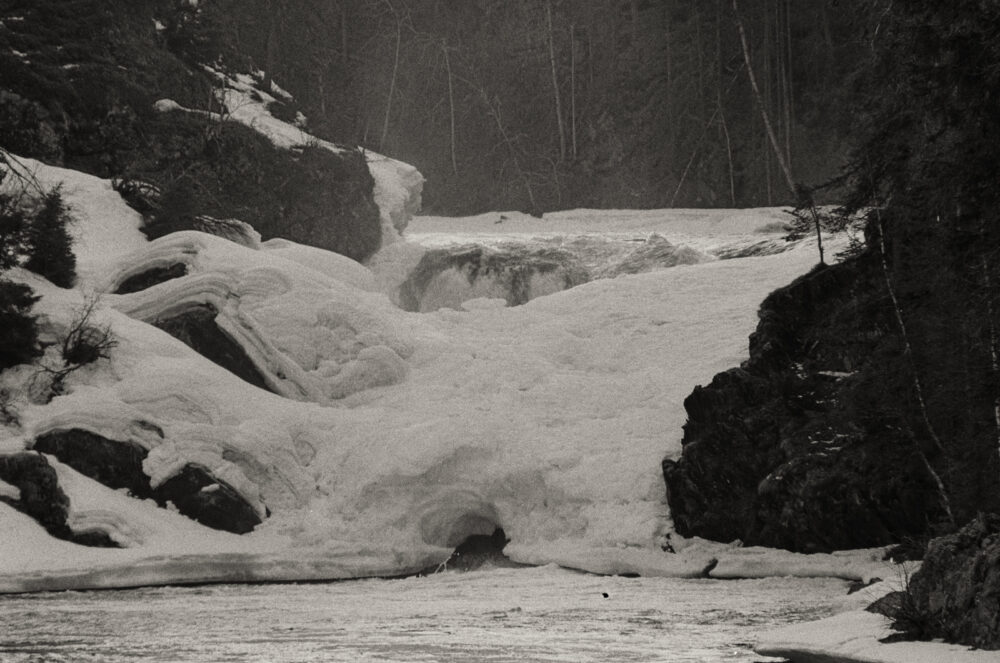
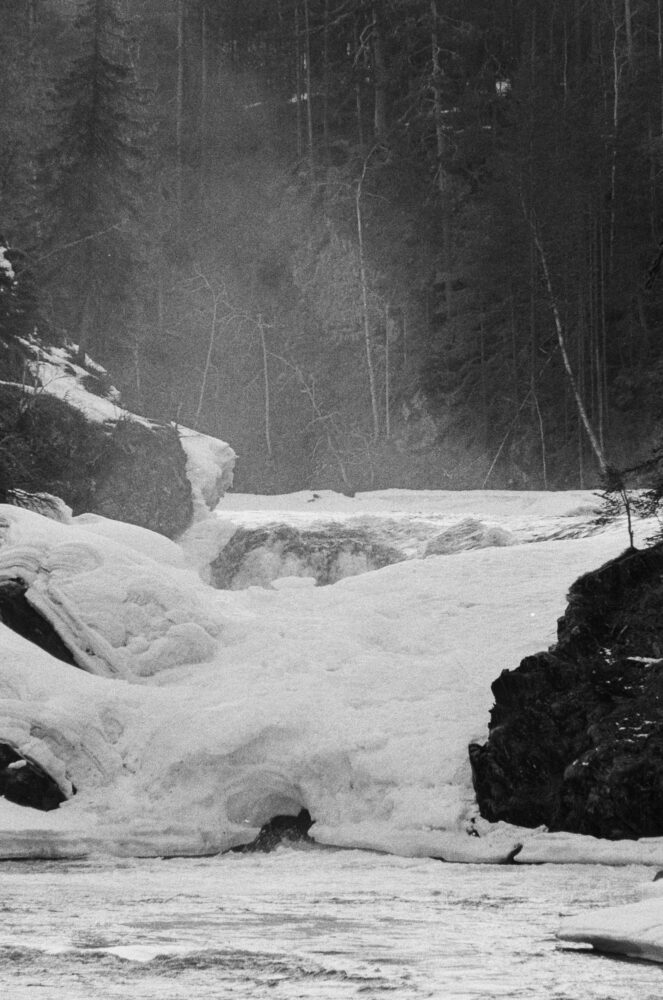
On or around May 10, 1979, the Jyrävä waterfall in Kuusamo became the stage for a spectacular natural phenomenon. Jyrävä, known for its thunderous roar and the massive ice structures that form during the harsh winter months, had developed a rare, vaulted ice bridge spanning the width of the powerful current.
The ice bridge is not merely a frozen sheet of water; it is a complex architectural marvel formed by the intersection of sub-zero temperatures, intense spray from the falls, and the accumulation of "frazil" ice—slushy ice crystals that attach to submerged rocks. As temperatures fluctuate, the mist freezes into layers, eventually creating a bridge that arches over the churning rapids.
For photographer Samuli Haapasalo, who was documenting the area at the time, the site offered a unique, albeit dangerous, vantage point. While he and a companion were framing their shots, the upper structure of this massive ice arch suddenly gave way, triggering a violent surge of water that nearly swept them into the icy, churning gorge below.
Chronology: A Race Against the Rising Tide
The events of that May afternoon unfold as a classic study in the unpredictability of the spring thaw.
The Approach (09:00 – 11:00)
Haapasalo and his companion navigated the approach from the direction of Aallokkokoski. Despite the calendar showing early May, the terrain remained buried under nearly a meter of snow. "We waded through the slush, our feet sinking all the way to the frozen ground," Haapasalo recounts. While the physical exertion was significant, the allure of the falls—a place where the river’s energy is palpable—pushed them forward.
The Collapse (11:15)
Upon reaching the rim of the falls, the pair assessed the ice bridge. Haapasalo, captivated by the perspective, turned to his companion and jokingly proposed walking across the bridge to test his nerve. As the words left his mouth, the structural integrity of the ice reached a critical tipping point. The upper section of the arch fractured, plummeting into the gorge and creating an instantaneous, artificial dam.
The Surge (11:15 – 11:20)
The sudden blockage of the river channel caused an immediate and terrifying reaction. The water, denied its path, surged violently over the banks. "It felt as if the entire upper water mass was going to shatter the remaining structure and pull us into the abyss," says Haapasalo. The pair, realizing the danger, abandoned their equipment and scrambled up the embankment, navigating the treacherous terrain as the river threatened to reclaim the ground they stood upon.
The Release (11:20 – 11:45)
Within roughly thirty seconds of the initial collapse, the massive ice block was pulverized by the relentless pressure of the Kitkajoki. The river "spat out" the debris in massive chunks into the pool below, and the water levels returned to their baseline almost as quickly as they had risen. The two observers, breathless and shaken, found themselves safe on the higher bank, watching the remaining sections of the ice bridge loom silently over the restored flow.
Supporting Data: The Science of Ice Arches
The Jyrävä Falls are a focal point for hydrologists and geologists interested in river ice dynamics. The formation of an ice bridge at a waterfall is a rare occurrence that requires a specific "Goldilocks" set of environmental conditions:
- High-Energy Turbulence: The water must be sufficiently aerated to produce large amounts of ice spray.
- Extended Sub-Zero Periods: Persistent cold allows the spray to freeze incrementally, building the arch’s thickness.
- Specific Channel Geometry: The narrowness of the gorge at Jyrävä facilitates the bridging effect, as the ice can anchor itself to the cliff faces on either side.
According to historical climate data for the Kuusamo region in 1979, the spring was marked by late-season frosts that allowed the ice structures to persist longer than usual. However, the warming trend of early May provided the thermal energy needed to destabilize the base of the bridge, leading to the collapse witnessed by Haapasalo.
Official Perspectives and Safety Implications
In the decades since the 1979 event, safety protocols for visiting Northern Finnish wilderness areas have evolved significantly. While nature tourism has boomed, the inherent dangers of river systems during the spring melt (the kevättulva) are emphasized by park authorities.
"The Jyrävä waterfall is a masterpiece of the Oulanka National Park area, but it is not a static object," says a spokesperson for the local park administration. "What happened to Mr. Haapasalo serves as a poignant reminder that even frozen water is a fluid, moving force. The structural integrity of ice bridges is impossible to predict with the naked eye."
Modern safety guidelines for hikers in the region now strongly advise against crossing any river ice, regardless of how stable it may appear. The incident serves as a cautionary tale: the same forces that create breathtaking, ethereal landscapes are the forces that can cause instant, lethal shifts in the environment.
Implications: A Legacy of Conservation and Respect
The photographs taken by Samuli Haapasalo during the 1979 incident have since been digitized from original black-and-white negatives. They offer more than just a documentation of a narrow escape; they provide a historical record of the river’s character before modern climate change began to alter the seasonal timing of the spring freshet.
The Shifting Arctic
The longevity of ice bridges and the intensity of spring floods are changing. Research suggests that as winters become shorter and more erratic, the formation of such massive, stable ice structures is becoming less frequent. Documenting these phenomena is essential for understanding how the ecology of the Kitkajoki River responds to environmental shifts.
The Role of Nature Journalism
The documentation of such events—whether through journals, blogs, or photography—is crucial for fostering a deeper public appreciation of the wilderness. Haapasalo’s story is a testament to the fact that the most impactful nature journalism often comes from the lived experience of the observer, rather than the detached analysis of the researcher.
As we look toward the future of Finland’s national parks, the lesson from 1979 remains clear: the wild is not a theme park. It is a dynamic, unpredictable, and often dangerous realm. Respecting the boundary between the observer and the observed is not just a matter of safety; it is a fundamental aspect of environmental stewardship.
Haapasalo eventually continued his journey to Karvastekemäjärvi, but the image of the ice arch fracturing, the roar of the water, and the sudden, violent power of the Kitkajoki remained with him. It is a reminder that in the presence of such beauty, one must always remain humble—and perhaps, keep a safe distance from the edge.
Samuli Haapasalo is a long-time contributor to nature documentation projects in Northern Finland. His work continues to highlight the intersection of human experience and the fragile, ever-changing Finnish wilderness.