In an era defined by rapid urbanization and digital isolation, the traditional garden is undergoing a profound transformation. No longer just a plot for sustenance, the contemporary garden has evolved into a vibrant hub for social integration, therapeutic intervention, and ecological stewardship. At the heart of this movement is a community garden in Korso, which has become a living laboratory for how human connection, biodiversity, and sustainable agricultural practices can foster resilience in both our ecosystems and our communities.
The Social Garden: Bridging Generations through Nature
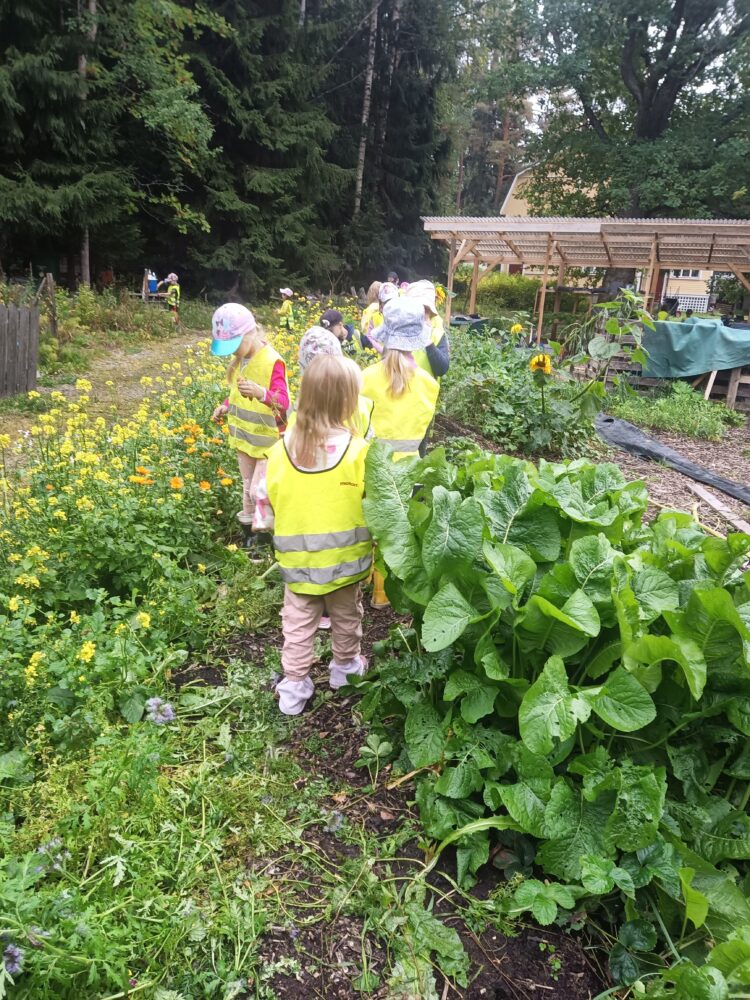
At its core, the garden functions as a bridge between age groups that might otherwise never intersect. For several years, local preschool children have been regular visitors, turning the garden into an outdoor classroom. These visits are not merely recreational; they are fundamental to child development. Exposure to the diverse microbiome of a healthy, cultivated garden is increasingly recognized by researchers as a crucial factor in strengthening a child’s developing immune system. By interacting with soil, plants, and insects, children develop a foundational understanding of the natural world that fosters long-term environmental literacy.
The garden’s impact extends to the other end of the age spectrum as well. For the past two years, residents from a nearby nursing home have been frequent guests. For these seniors, the garden offers a sanctuary. Under the shade of an old, tzar-era oak tree, these visitors often share memories of their own childhoods or the kitchen gardens they once tended.
The Science of Nature-Based Therapy
The benefits of these visits are backed by emerging science. The compounds emitted by trees and soil—often referred to as phytoncides—have documented health-promoting properties. Coniferous trees, in particular, release terpenes such as limonene and pinene. When inhaled, these compounds are absorbed into the bloodstream, where they have been shown to reduce stress, lower blood pressure, and improve cognitive function and mood.
Complementing this, the garden utilizes animal-assisted interaction. Siiri, the resident cat, plays a pivotal role in these sessions. The act of encountering and stroking a friendly animal has been scientifically proven to stimulate the production of oxytocin, the "happiness hormone," which reduces anxiety and promotes a sense of calm. The presence of the garden’s animals serves as a catalyst for engagement, helping elderly visitors feel grounded and connected to the present moment.
Chronology of Transformation: From Monoculture to Diversity
When the current stewards first arrived at the Korso site, they faced a significant challenge: one-quarter of the entire cultivation area was overrun by Jerusalem artichoke (Helianthus tuberosus). While the plant is hardy and productive, its aggressive rhizomes threatened to stifle the diversity of the garden.
The Strategy of Ecological Management
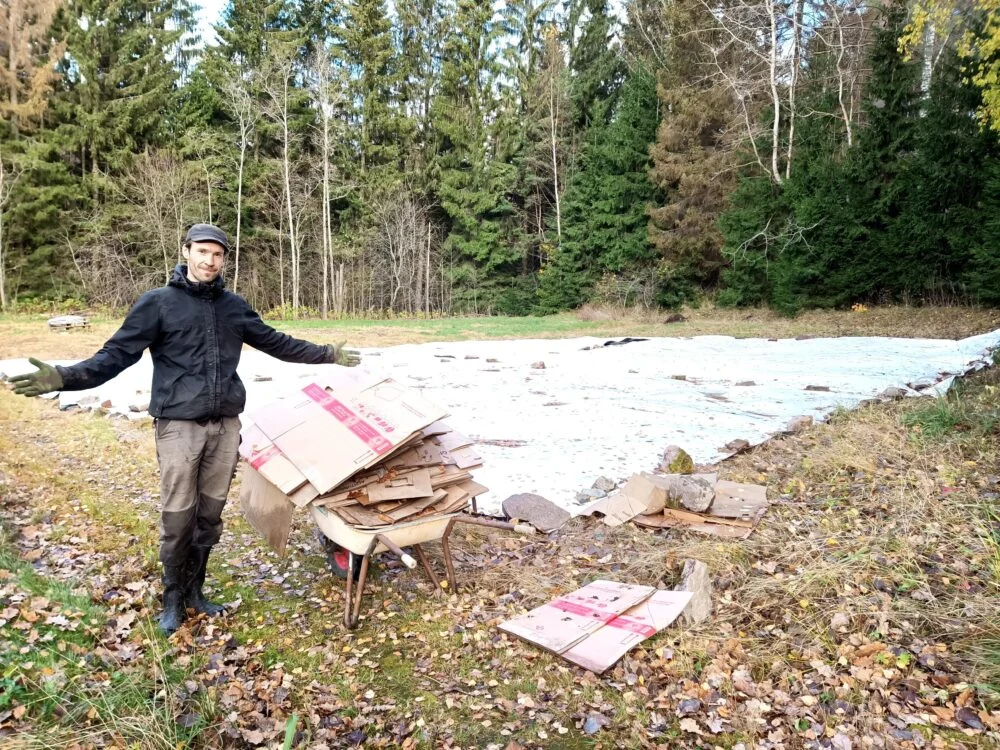
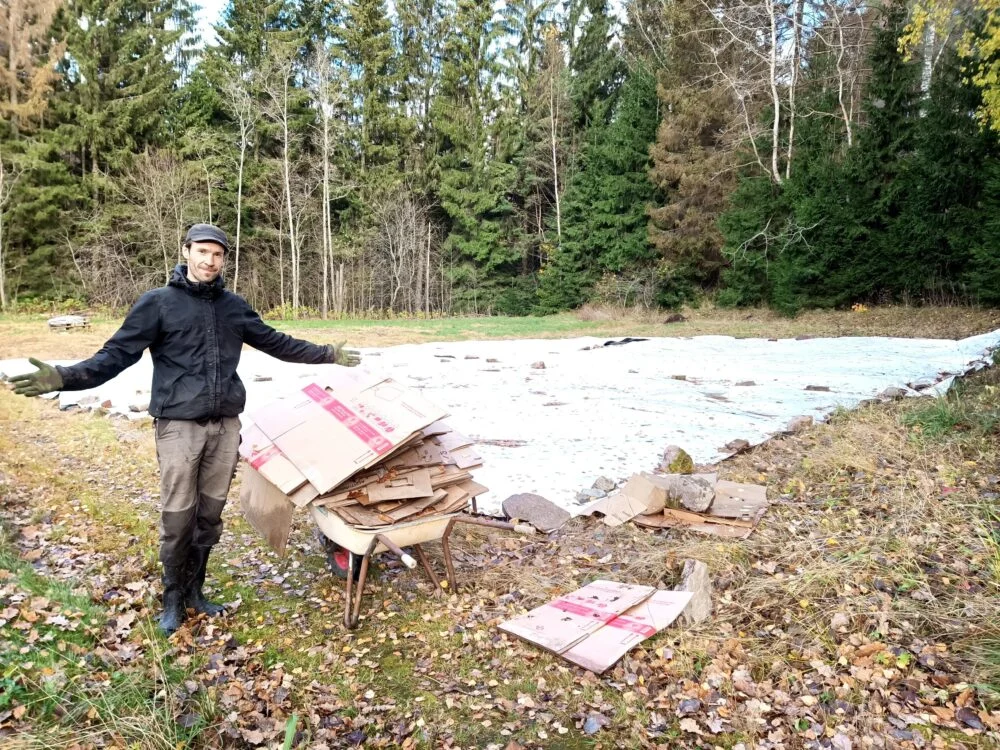
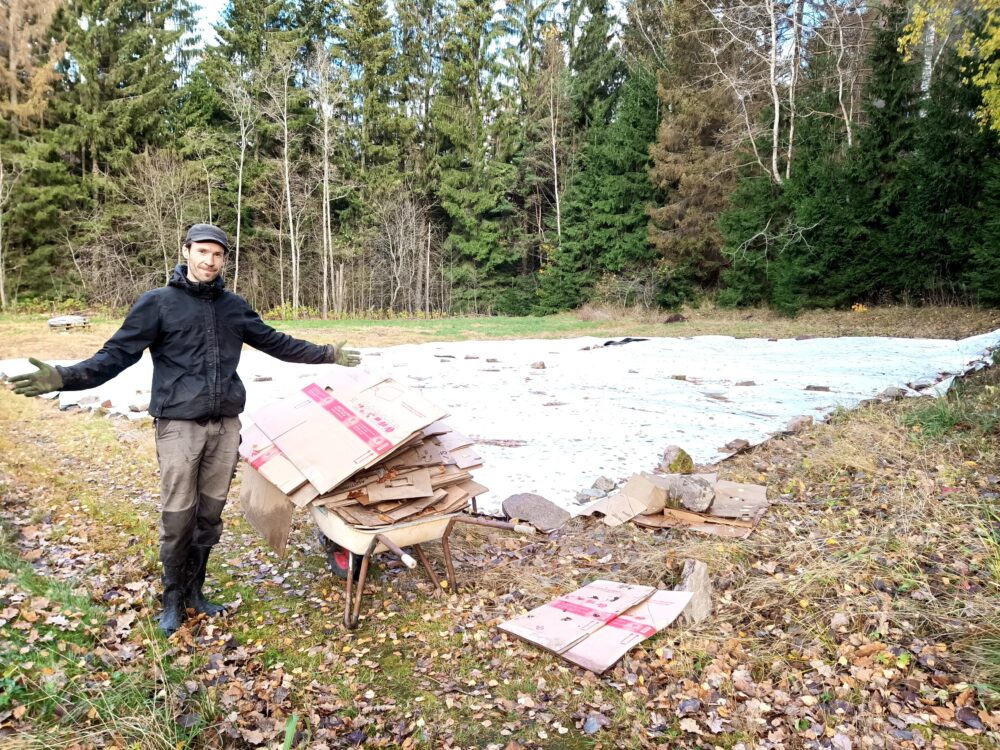
The transformation of this plot was a masterclass in "no-dig" gardening and strategic land management. Rather than attempting to eradicate the artichoke through harsh chemical intervention, the gardeners employed a multi-layered approach:
- Cardboard Suppression: By layering heavy cardboard over the soil, the gardeners effectively smothered unwanted competing vegetation. This technique prevents sunlight from reaching weed seeds while simultaneously feeding the soil as the cardboard decomposes.
- Strategic Re-allocation: The Jerusalem artichoke was not destroyed but rather relocated to raised beds constructed from soil excavated during the creation of a new garden pond. This move effectively turned a perceived nuisance into a contained, high-yield perimeter crop.
- Sequential Cropping: With the pressure of the artichoke reduced, the main plots were opened up for diverse planting. This year, the team successfully implemented a rotation that saw garlic harvested in late July, followed immediately by a second planting of radishes, lettuce, Chinese cabbage, daikon radish, arugula, and Sarepta mustard.
This sequential planting demonstrates the efficiency of small-scale intensive agriculture. By treating the garden as a continuous cycle rather than a single-season event, the growers are able to maximize productivity and ensure a steady supply of fresh, nutrient-dense greens throughout the autumn months.
Supporting Data: The Power of Biodiversity
The garden’s shift toward polyculture has yielded significant ecological and culinary rewards. The inclusion of Brassica juncea, or Sarepta mustard—specifically the ‘Red Giant’ variety—has proven to be a vital addition. This spicy, fast-growing leafy green offers a robust flavor profile similar to arugula, adding complexity to salads while providing multiple harvests per season.
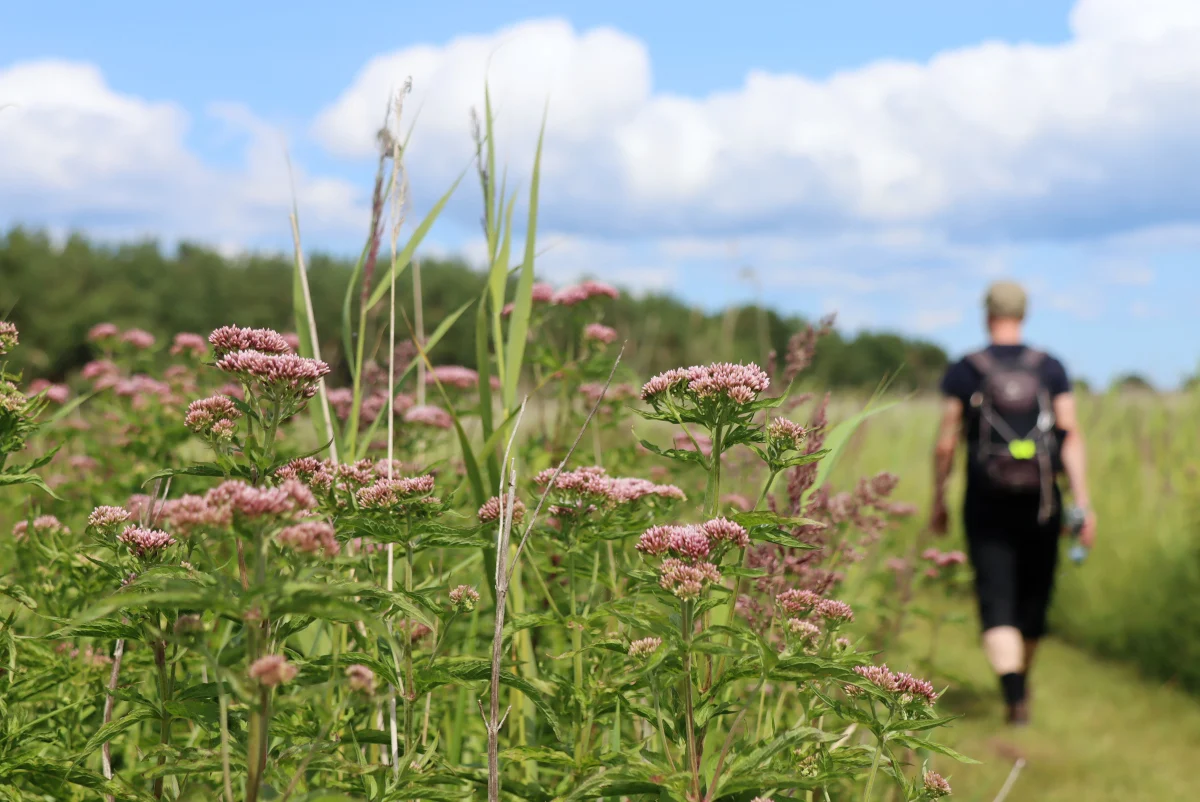
Furthermore, the Jerusalem artichoke, once the bane of the garden, has become a cornerstone of their food security. Despite the reduction in its total area, the plant remains highly productive. Its late-season blooms provide a crucial nectar source for pollinators when most other garden flowers have faded, highlighting the intersection between food production and ecological support.
Nutritional Considerations
While the Jerusalem artichoke is a nutritional powerhouse, its primary carbohydrate, inulin, requires some culinary savvy. Because inulin is a prebiotic fiber that can cause digestive discomfort for some individuals, the gardeners advocate for a "blended" approach. When roasting or pureeing the tubers, pairing them with other root vegetables like potatoes, parsnips, or leeks creates a more balanced meal that is easier on the digestive system while still providing a rich, earthy flavor.
Implications for Modern Agriculture and Wellness
The success of the Korso garden provides a blueprint for how urban and suburban spaces can be repurposed for the collective good. The implications of this model are three-fold:

- Public Health: By integrating nature-based therapy and therapeutic gardening into the care protocols for nursing homes and schools, society can reduce reliance on pharmacological interventions for stress and immune-related issues.
- Environmental Resilience: The "no-dig" approach and the use of diverse, multi-seasonal planting sequences show that small plots can be highly productive. This reduces the carbon footprint associated with long-distance food transportation and fosters local food sovereignty.
- Community Cohesion: In an age where digital interaction often replaces physical presence, the garden provides a "third space"—a location that is neither home nor work—where people can interact in a meaningful, sensory-rich environment.
Expert Insight: The Culinary Utility of the Garden
For those looking to replicate the garden’s success, the culinary application of the harvest is the final, vital step. The gardeners emphasize that home-grown food should be celebrated for its simplicity.
The Signature Jerusalem Artichoke Soup
The garden’s "house specialty" is a velvet-smooth Jerusalem artichoke soup. The preparation involves peeling the tubers and simmering them with leeks, potatoes, and high-quality white beans or borlotti beans. The result is a nutrient-dense, comforting meal that is a staple of their seasonal harvest celebrations.
The "Zero-Waste" Approach to Root Crisps
For a quicker snack, the team suggests making root vegetable crisps using Jerusalem artichokes and parsnips. By keeping the skins on, the preparation time is minimized, and the nutritional value is maximized. When sliced thinly, tossed in high-quality oil, and roasted until crisp, these tubers offer a healthy, crunchy alternative to store-bought snacks.
Conclusion: A Future Rooted in the Soil
The narrative of the Korso garden is a testament to the fact that cultivation is as much about people as it is about plants. By embracing the challenges of the land—such as the overabundance of a single species—and turning them into opportunities for community connection, the garden serves as a model for the future. As we look toward an increasingly unpredictable climate and a fast-paced world, the lessons learned here are clear: the most effective way to nurture the earth is to nurture the community that tends it.
Whether it is through the immune-boosting effects of soil microbes, the mood-elevating presence of an animal, or the simple joy of a shared meal of autumn-harvested greens, the garden remains our most vital connection to the natural order. Through thoughtful, small-scale stewardship, we can cultivate not just food, but a more resilient and compassionate society.