By Samuli Haapasalo | Vuosi luonnossa | July 7, 2026
In the intricate tapestry of the avian world, few species command the sky with as much elegance and tactical ingenuity as the red kite (Milvus milvus). Known in Finnish as haarahaukka—a name derived from its distinctively forked tail—this bird is a master of aerodynamics, capable of executing rapid turns and breathtaking, agile dives that leave observers in awe.
Main Facts: The Anatomy of a Master Predator
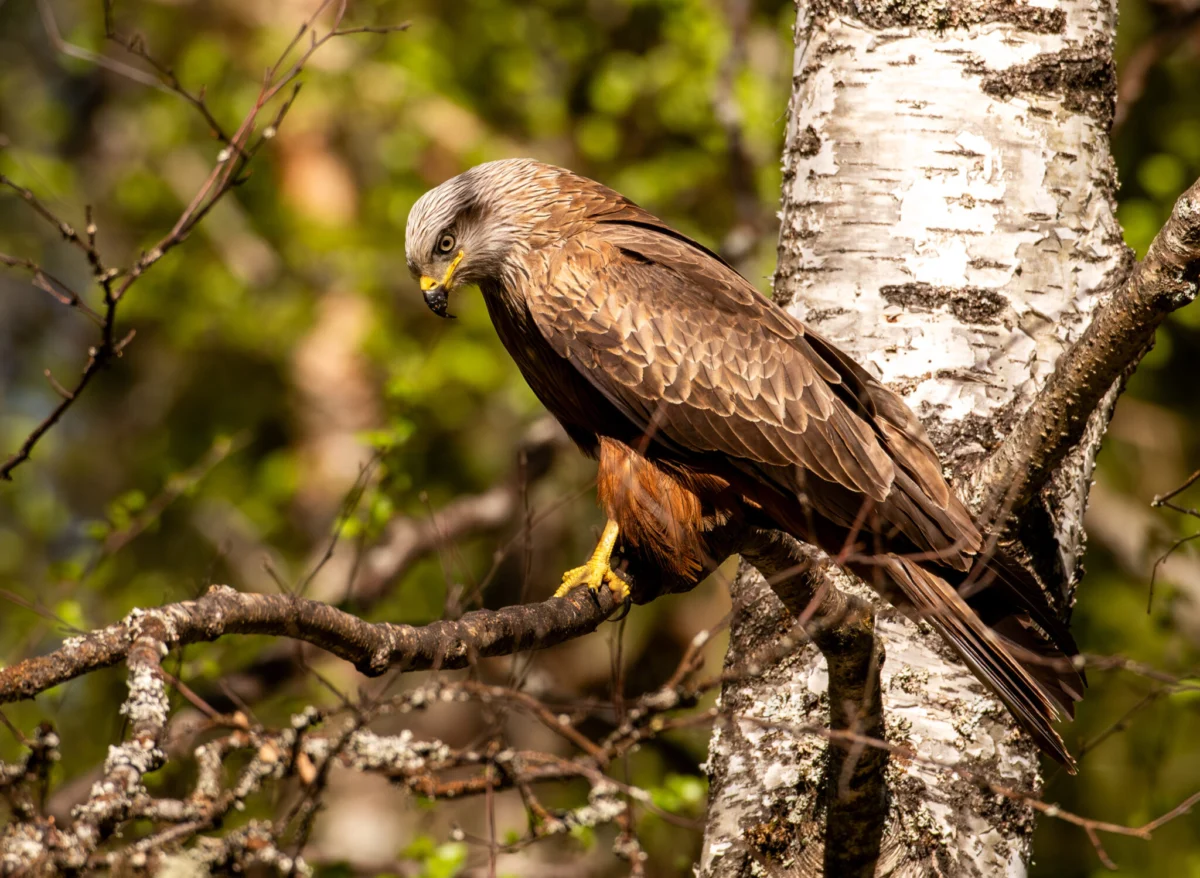
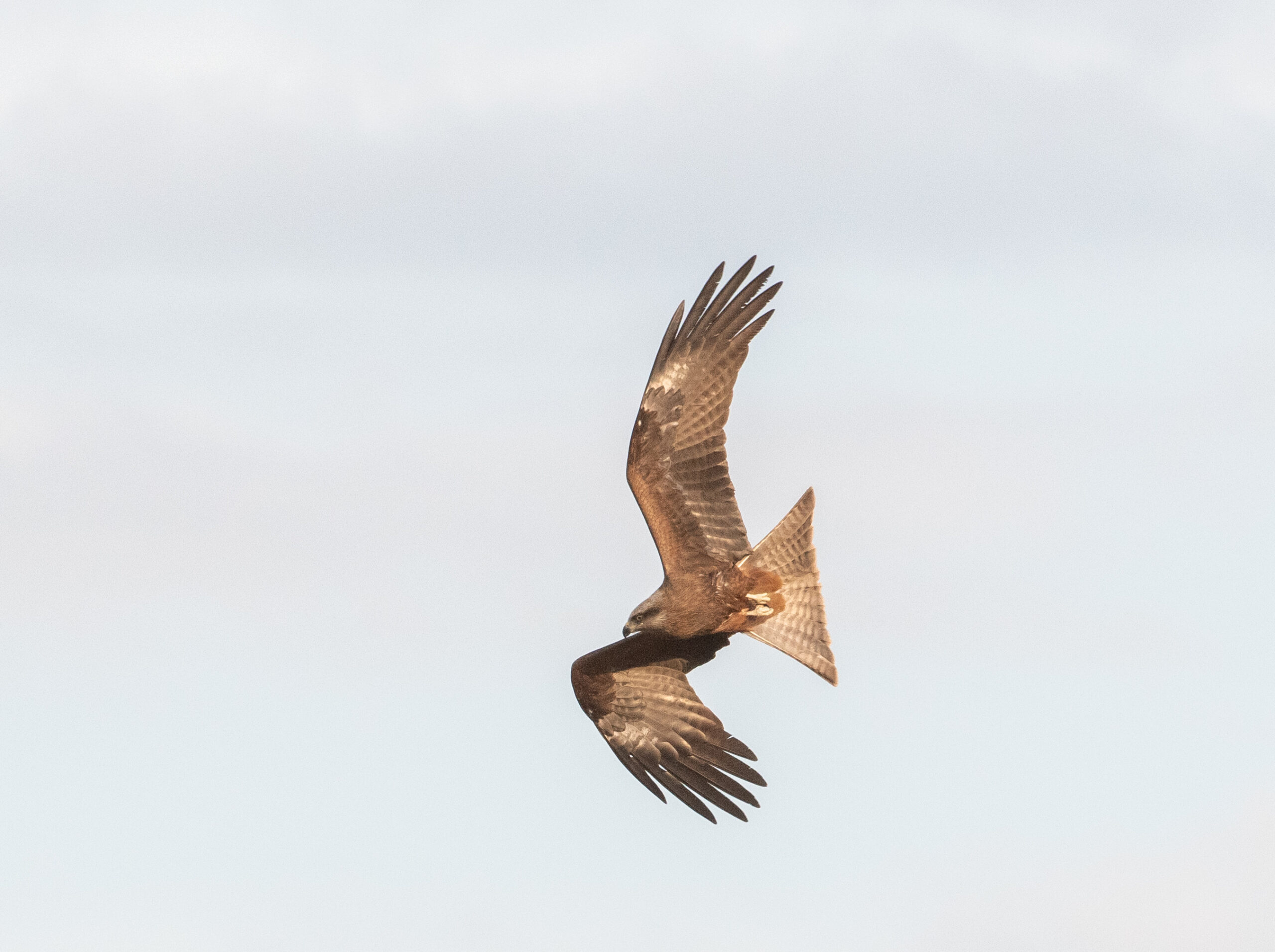
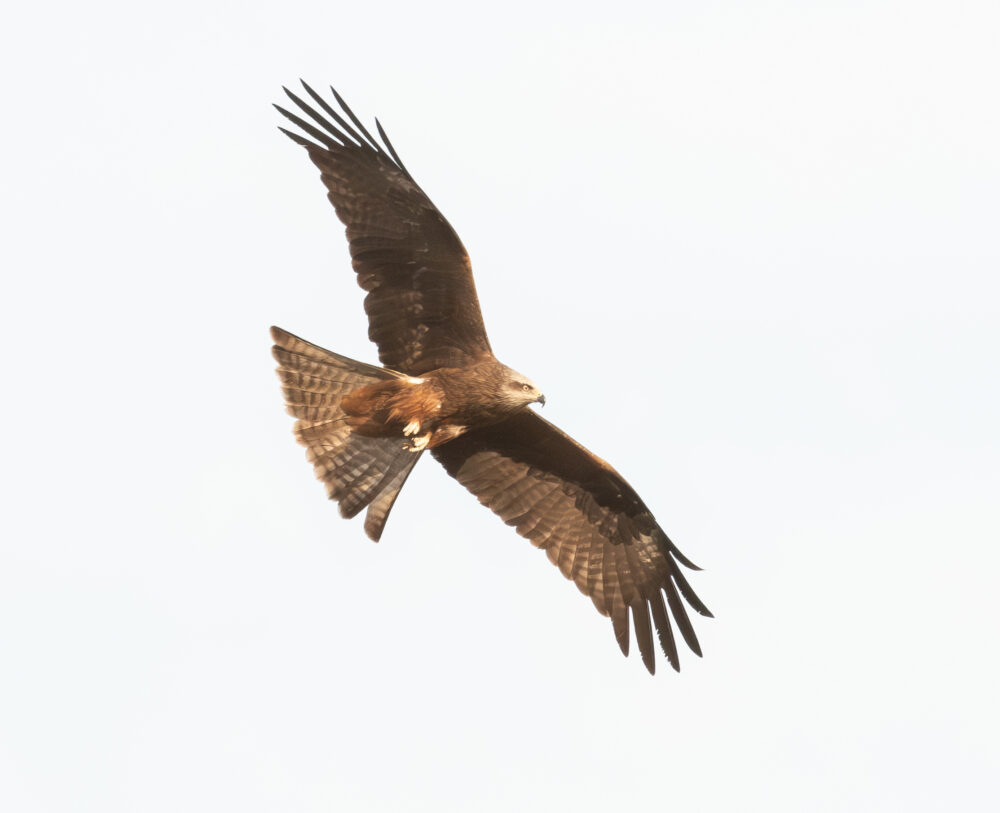
The red kite is a striking raptor, often described as possessing the regal bearing of a small eagle. However, its silhouette is distinctly different; with exceptionally long wings and a deeply notched, elongated tail, its flight pattern is marked by a grace that appears almost effortless. This structure is not merely for aesthetics; it is a finely tuned instrument for survival. The tail acts as a dynamic rudder, allowing the bird to change direction in a split second, a maneuver that makes other birds of prey appear clumsy by comparison.
The species is widely distributed across Europe, parts of Asia, and Africa, with smaller populations found elsewhere. Because of this vast geographic range, the red kite has evolved into several subspecies. For instance, the black kite (Milvus migrans)—often referred to in the context of its larger relative—is distinguished by a shallower fork in the tail and less prominent pale wing patches, features that birdwatchers use to differentiate the two in the field.
Chronology: A Season of Observations
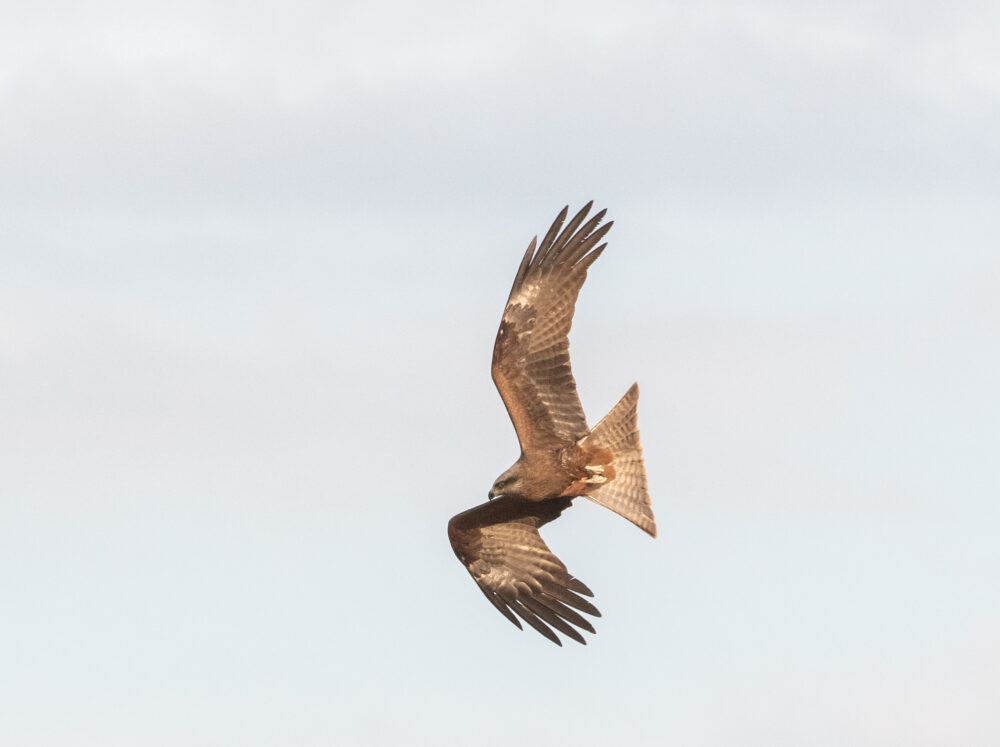
My recent observations, documented through the Vuosi luonnossa (A Year in Nature) blog, highlight the unique behavior of these birds within the Finnish landscape. In late May and often again in August, the red kite becomes a regular, albeit elusive, visitor to the areas surrounding predatory mammal photography hides.
The site, which was featured in my previous blog entry (21/2026) in connection with wolverine activity, serves as a fascinating intersection for wildlife. While one might expect these hides to attract only terrestrial predators, the arrival of the red kite is a testament to the opportunism of the species. It does not wait for an invitation; it appears as if from thin air, diving with powerful, hooked maneuvers to skim the very surface of the ground. In a display of sheer velocity and precision, it snatches scraps of fish or carrion with its talons without ever losing momentum.
Supporting Data: Intelligence and Tactical Foraging
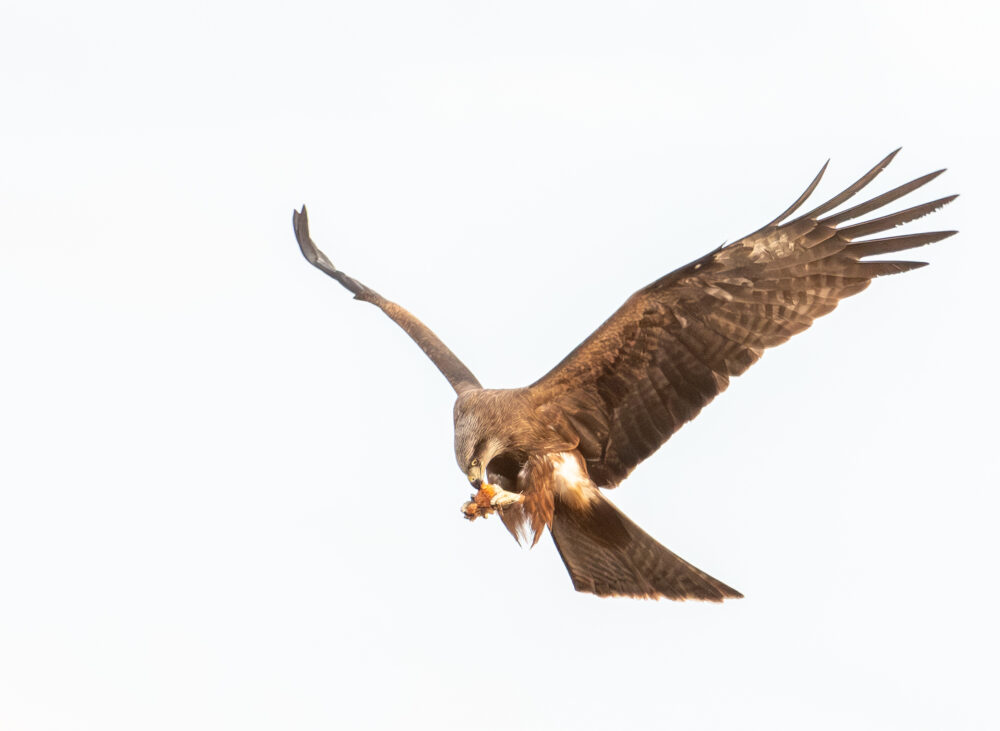
The red kite is not merely a hunter; it is a "capturer" of opportunity. It is known to pilfer food directly from other birds, a behavior known as kleptoparasitism. However, its most fascinating trait is its ability to dine while in flight.
Witnessing a red kite consume its prey mid-air is a rare spectacle. It maneuvers its flexible neck and adjusts its talons, contorting its body to tear off manageable morsels from the catch it is carrying. Why take such a complex approach? I suspect this behavior is a defensive strategy. When feeding near a carcass, the environment is often crowded with other hungry scavengers—ravens, eagles, and foxes—all competing for the same resources. By ascending and consuming the meal in the safety of the sky, the kite avoids the risk of having its prize snatched away by an aggressive competitor.
This adaptability extends to their global behavior. In many parts of the world, red kites have become synanthropic, venturing into urban environments, scavenging at landfills, or even tracking the movements of locust swarms to capitalize on mass availability of prey.
Official Status and Conservation Implications
Despite its widespread success in parts of Central and Southern Europe, the red kite remains a rare treasure in the Finnish wilderness. Currently, the population is estimated at a fragile 10 to 25 breeding pairs, supplemented by migrating individuals and summer wanderers.
The presence of the red kite in Finland is a biological indicator of healthy, diverse habitats. For those of us who study and document nature, an increase in their population would be a significant milestone for Finnish ornithology. However, their status remains "extremely rare," making every sighting a moment of profound significance.
The Challenges of Rarity
The small number of breeding pairs suggests that the species is at the northern limit of its range. Conservation efforts are complicated by the fact that the birds are highly mobile, often crossing borders and occupying vast territories. To ensure the survival of the species, we must look beyond local protection and consider the broader ecological conditions that allow these raptors to thrive. This includes maintaining the health of forest edges and open fields, which are their primary hunting grounds.
Implications for Future Research
The behavioral plasticity of the red kite—its ability to switch from natural hunting to scavenging, and from ground-based feeding to mid-air consumption—presents a compelling case study for evolutionary biology. As we continue to monitor the Vuosi luonnossa sites, the primary goal is to understand how these birds navigate the competition for food in a landscape that is becoming increasingly fragmented.
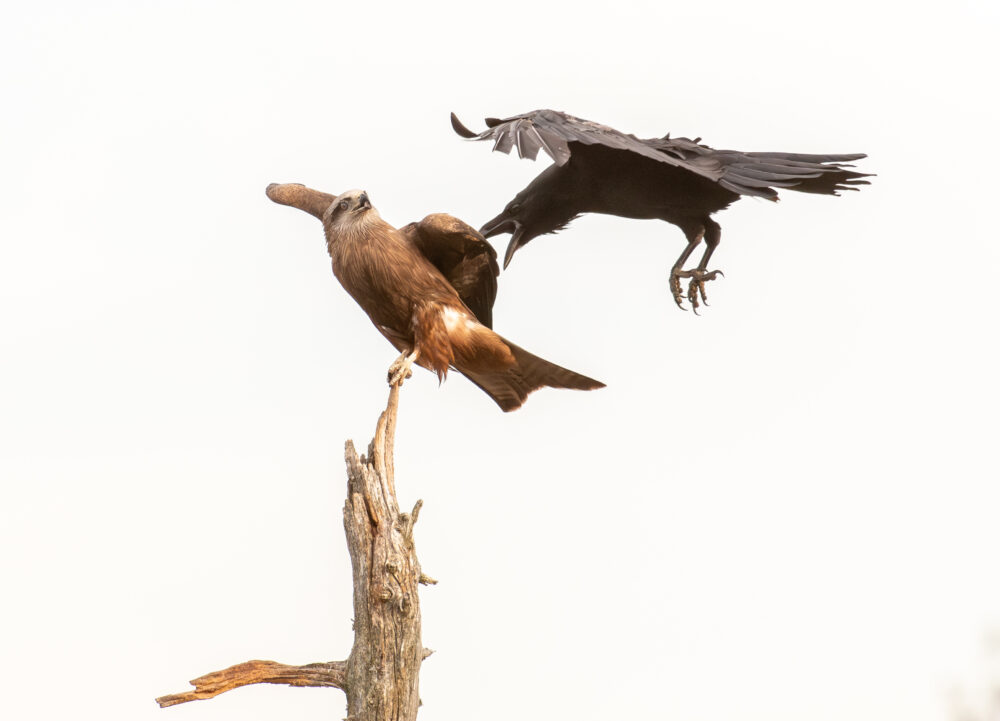
Furthermore, the interaction between the red kite and other species, such as the raven, provides insight into the hierarchy of the sky. In my recent footage, the kite was seen expertly dodging a raven, a dance of agility that underscores the survival tactics required in a competitive ecosystem.
As we look toward the future, the integration of wildlife photography and scientific observation becomes increasingly vital. By capturing these high-speed, fleeting moments, we do more than just create beautiful images; we build a repository of data that helps us understand the life cycle, dietary habits, and social interactions of a bird that is, in every sense, a master of the elements.
A Call to Support
The study of such elusive species requires constant dedication and resources. The work done at Vuosi luonnossa is part of a larger mission to document the changing state of our natural world. By supporting nature journalism and environmental research, we ensure that the stories of these aerial acrobats continue to be told, and more importantly, that the habitats they require are protected for generations to come.
As the season progresses, we will continue to monitor the movements of these birds. Whether they are soaring above the Finnish forests or navigating the challenges of urban sprawl elsewhere in the world, the red kite remains a symbol of the untamed beauty that persists in our skies.
For those interested in the ongoing observations of the red kite and other Finnish wildlife, follow the "Vuosi luonnossa" blog series. If you value expert-led nature journalism, consider subscribing to "Suomen Luonto" to support the preservation of our northern ecosystems.