By Samuli Haapasalo | August 11, 2026
The Arctic wilderness, with its vast, shimmering horizons and chilling winds, is home to some of the most specialized creatures on the planet. Among these, the loons—a group of water-loving birds characterized by their haunting, ethereal calls and masterful swimming abilities—stand out as true symbols of the northern hemisphere. From the diminutive, high-pitched cries of the red-throated loon to the deep, resonant echoes of the larger species, these birds represent the wild, untamed spirit of the Arctic.
At the top of this avian hierarchy sits the Yellow-billed Loon (Gavia adamsii), a bird whose presence is as rare as it is striking. Often found in the remote reaches of the northern latitudes, this bird is a testament to the resilience of life in one of the world’s most unforgiving environments.
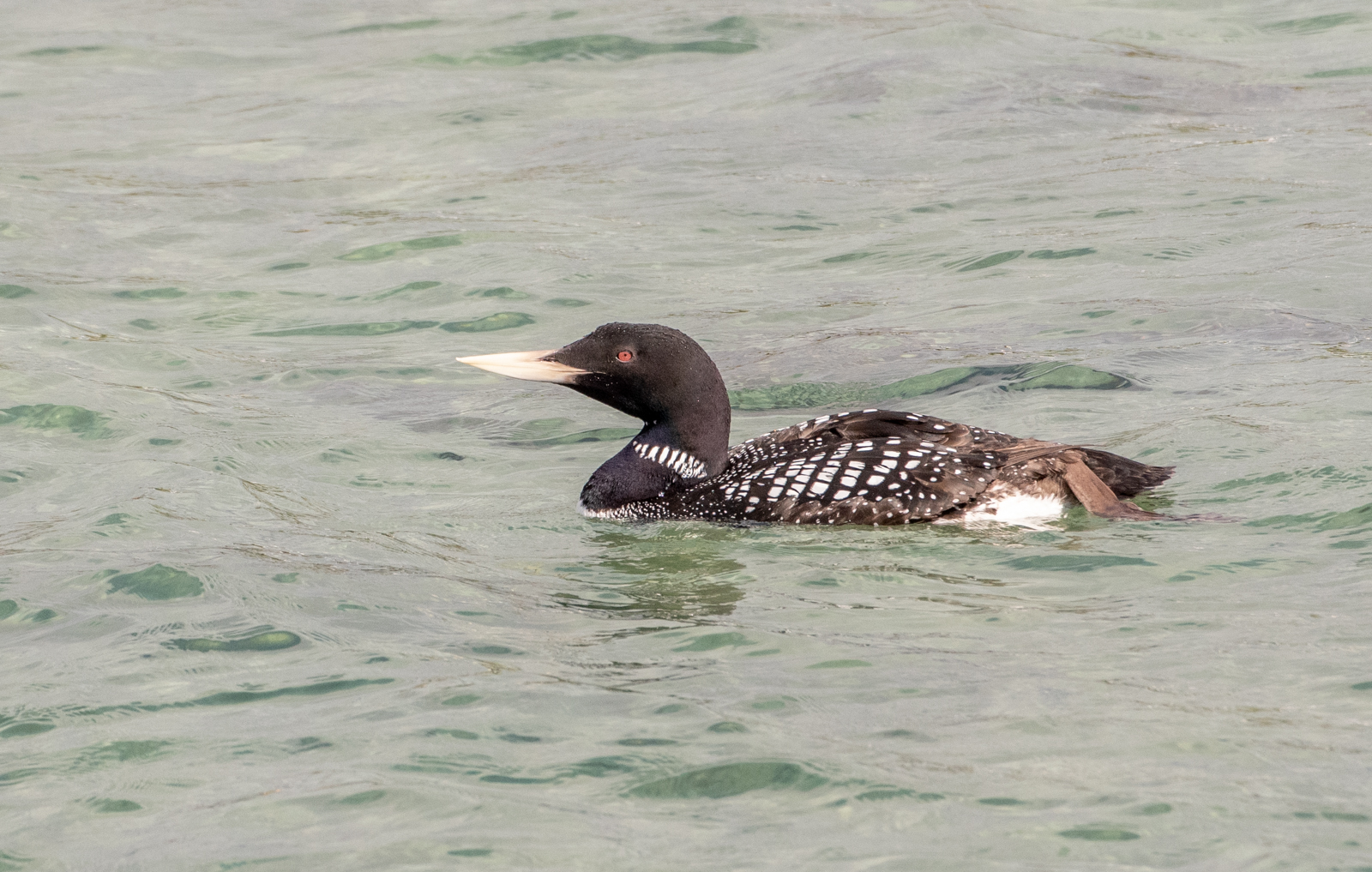
Main Facts: The Anatomy of a Northern Nomad
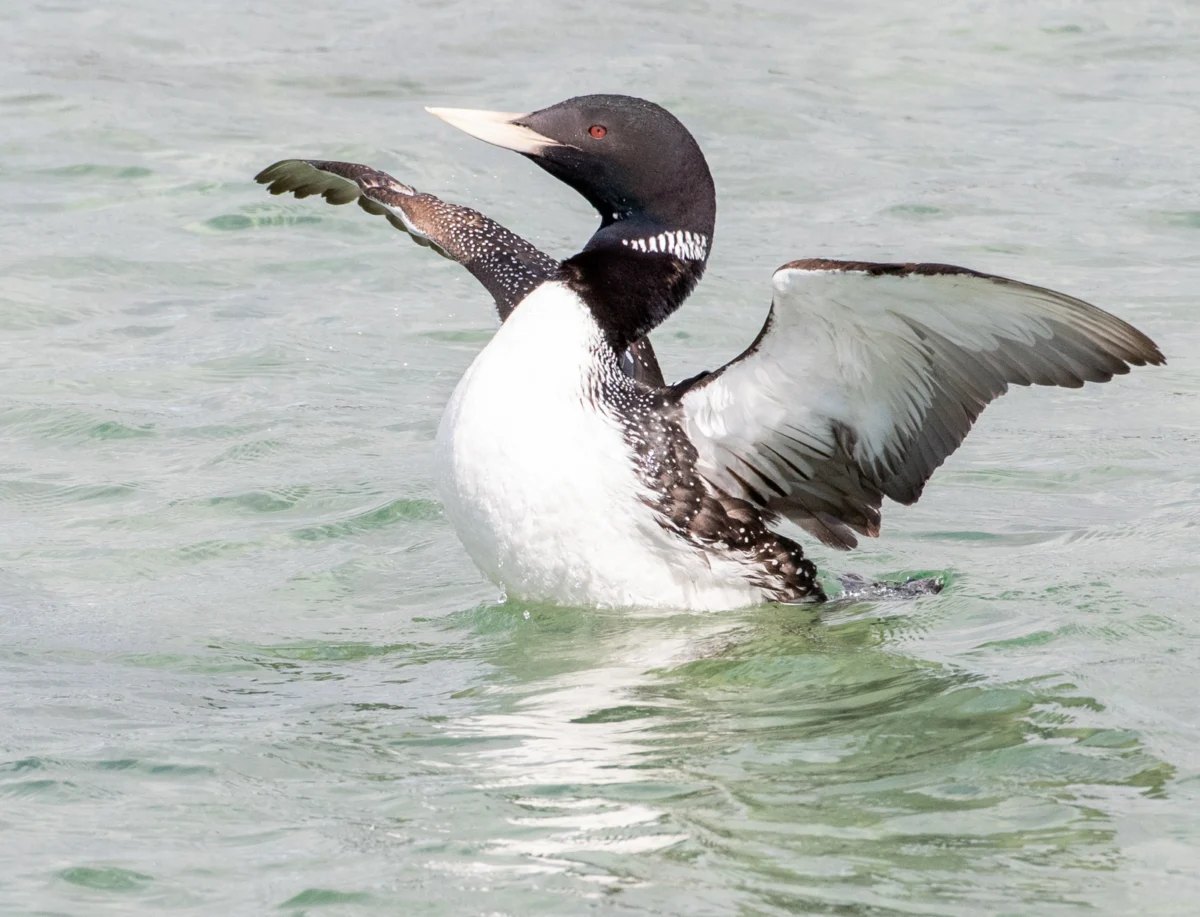
The Yellow-billed Loon is the largest member of the loon family, distinguishable by its massive, upturned bill, which exhibits a pale, ivory-yellow hue. Unlike its smaller cousins, the Yellow-billed Loon is a creature of the high Arctic, nesting in the tundra regions of Russia, Canada, and Alaska.
The loon family consists of five distinct species, ranked by size: the Yellow-billed Loon, the Common Loon (Great Northern Diver), the Arctic Loon, the Pacific Loon (formerly considered a subspecies of the Arctic Loon), and the Red-throated Loon.
For birdwatchers and naturalists, the Yellow-billed Loon is a prize of immense value. While sightings in the Gulf of Finland are exceedingly rare, occurring mostly during migratory pulses, the Barents Sea remains a reliable sanctuary. Specifically, the fjords of Northern Norway—such as those around the village of Ekkerøy—serve as vital wintering grounds where these majestic birds can be observed foraging in the cold, nutrient-rich waters.
Chronology: A Summer Encounter in Varanger
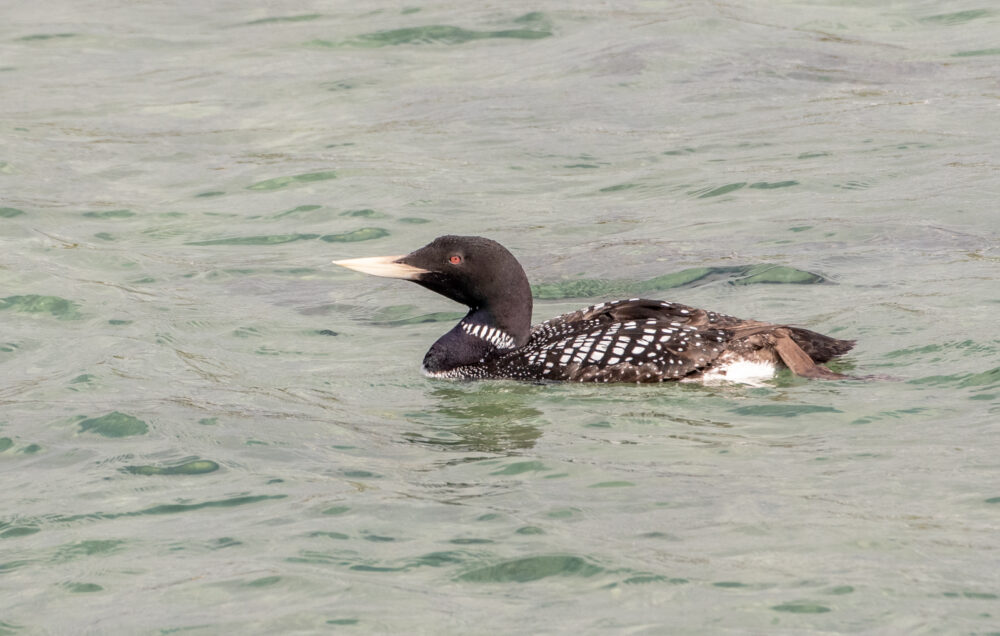
The recent observation of a Yellow-billed Loon in the Varanger Peninsula on July 30, 2026, provided a rare glimpse into the bird’s summer behavior. The following account details the encounter near the historic harbor of Ekkerøy:
- Arrival (Early Morning): The weather was characteristic of the Varanger region—misty, with a sharp chill emanating from the Barents Sea. The target area, the west side of the museum-preserved harbor, was quiet.
- The Wait (08:00 – 11:00): Patient observation is the cornerstone of successful wildlife photography. Positioned behind the shelter of an old wooden fishing boat—locally referred to as an "aapakarhu"—I waited for the subject to emerge from the deeper waters.
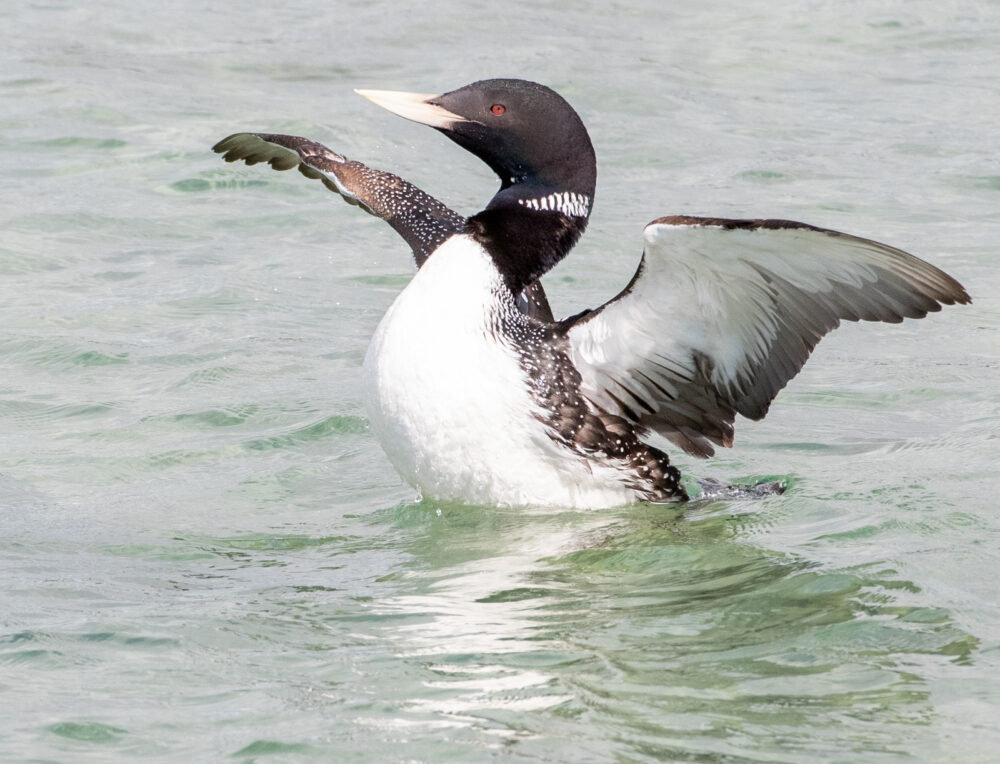
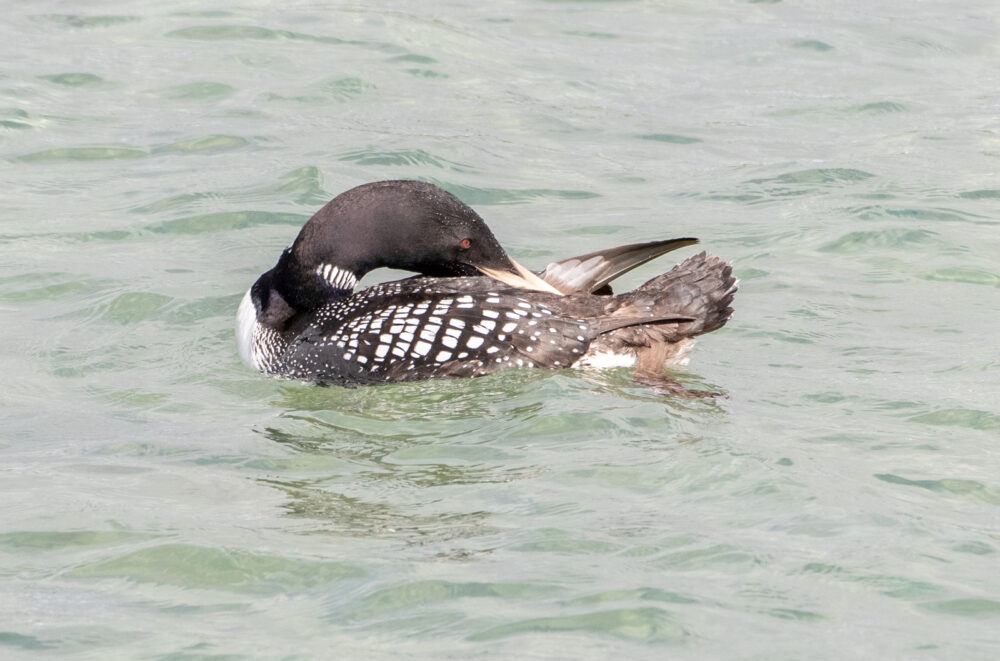
- The Observation (11:30): The bird approached the shallower, sheltered waters near the pier. It spent a significant amount of time preening, a necessary ritual for maintaining the water-repellency of its dense plumage. After preening, it transitioned into a period of deep rest, floating motionless on the water.
- The Departure: The encounter concluded without disturbance. By maintaining a respectful distance, I was able to document not only the Yellow-billed Loon but also the surrounding activity of various other bird species and their fledglings, highlighting the ecological density of this coastal niche.
Supporting Data: Distribution and Global Status
The global population of the Yellow-billed Loon is surprisingly modest. Estimates suggest there are between 8,000 and 16,000 breeding pairs worldwide. Their range spans from the Novaya Zemlya archipelago and the Chukchi Peninsula in Russia across the Bering Strait to the northern territories of Alaska and the Hudson Bay in Canada.
Conservation Classification
The species is currently categorized as "Near Threatened." This status is not a result of a sudden decline, but rather a reflection of the inherent risks posed to their limited breeding grounds. Historically, the species reached further south; documentation from the late naturalist Merikallio indicates that the Yellow-billed Loon once nested in the Petsamo region, a testament to the shifting northern boundaries of their habitat.
Comparative Biology
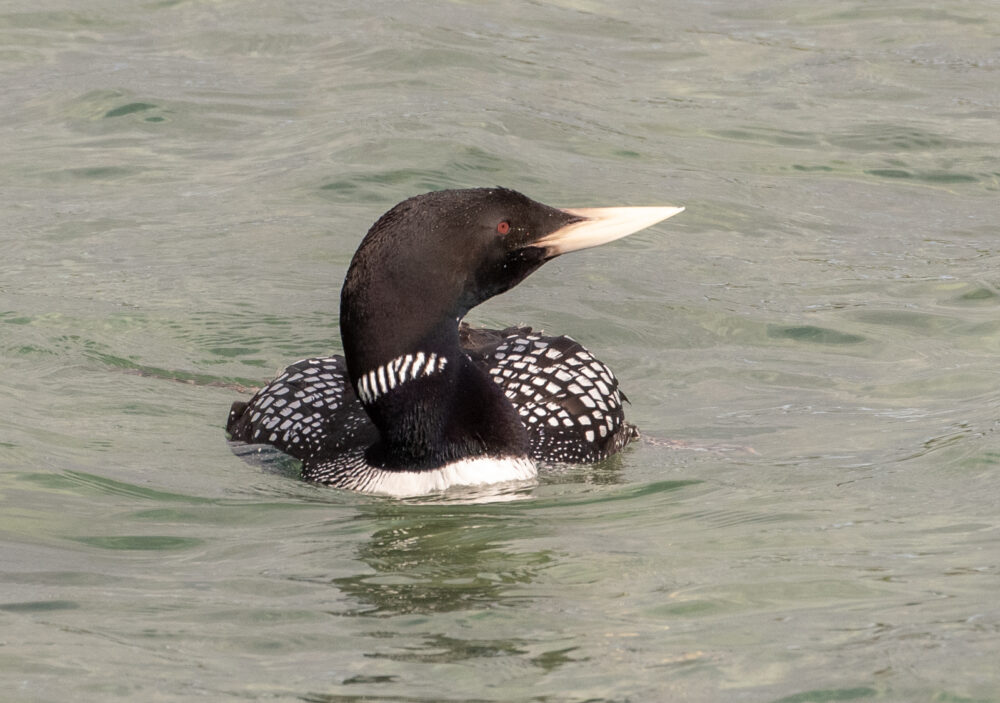
The Yellow-billed Loon is a marvel of evolutionary adaptation. In its breeding plumage, the bird is a masterpiece of contrast:
- Head and Neck: A deep, obsidian black, adorned with white, pearl-like spots that resemble ornate jewelry.
- Bill: The signature pale, yellowish-ivory bill is the primary identifier for birders scanning the horizon from great distances.
- Body: A complex, checkerboard pattern on the back and wings, providing effective camouflage against the choppy, light-reflecting surface of Arctic waters.
Implications: The Fragility of the Arctic
The survival of the Yellow-billed Loon is inextricably linked to the health of the Arctic ecosystem. However, these birds face a growing array of anthropogenic pressures that threaten to destabilize their populations.
Environmental Stressors
- Industrial Development: Arktic oil exploration and extraction projects pose a persistent risk of oil spills. Even minor contamination can have catastrophic effects on the insulating properties of the loons’ feathers.
- Hydrological Alterations: The drainage of wetlands and peatlands, often associated with infrastructure projects, directly impacts the quality of the freshwater lakes where these birds nest.
- Bycatch: Entanglement in commercial fishing nets remains a significant, if underreported, cause of mortality for many waterbirds, including the Yellow-billed Loon.
The Human Element
The relationship between humanity and the Arctic is often characterized by a lack of foresight. As we push further into the northern reaches for resources, the "invisible" inhabitants—the loons, the whales, and the migratory fish—are often sidelined. The preservation of sites like the Ekkerøy peninsula is not merely for the sake of tourism or photography; it is essential for the survival of species that cannot adapt to the rapid, human-induced changes occurring in their native habitats.
Official Responses and Conservation Outlook
Ornithological organizations and environmental agencies emphasize that protection must be proactive rather than reactive. The Arctic Council and various regional environmental protection agencies have advocated for stricter regulations on shipping traffic and industrial activity within the nesting corridors of the Yellow-billed Loon.
"The Yellow-billed Loon is an indicator species," notes a leading researcher in the field. "When we see a decline in the health or frequency of these birds, it is a warning sign that the entire Arctic food web is under stress."
As the world continues to warm, the sub-Arctic and Arctic regions are undergoing rapid transformations. The shifting of the permafrost, the changing temperature profiles of the Barents Sea, and the altered timing of ice break-ups all affect the breeding success of the loons. Their reliance on specific, undisturbed water bodies for breeding makes them particularly vulnerable to the fragmentation of their landscape.
Conclusion: A Call to Stewardship
The experience of sitting by the Varanger fjord, watching a Yellow-billed Loon drift through the mist, is a humbling reminder of the vastness and the vulnerability of our world. These birds are not just components of a landscape; they are the legacy of a pristine northern environment that has survived for millennia.
As we look toward the future, the challenge lies in balancing our need for development with the moral imperative to protect the habitats that sustain the world’s most unique species. The Yellow-billed Loon serves as a silent ambassador for the Arctic, calling on us to recognize the value of the wild. If we fail to protect the waters they call home, we risk losing one of the most haunting and beautiful voices of the north.
To support continued environmental journalism and help protect these vital ecosystems, consider engaging with organizations dedicated to Arctic conservation. The future of the Yellow-billed Loon—and the wild places they represent—is, in the end, in our hands.