Hull Street Energy Expands Thermal Portfolio with 1.26GW GridFlex Acquisition
Posted on by
Executive Summary: Strengthening the PJM Grid
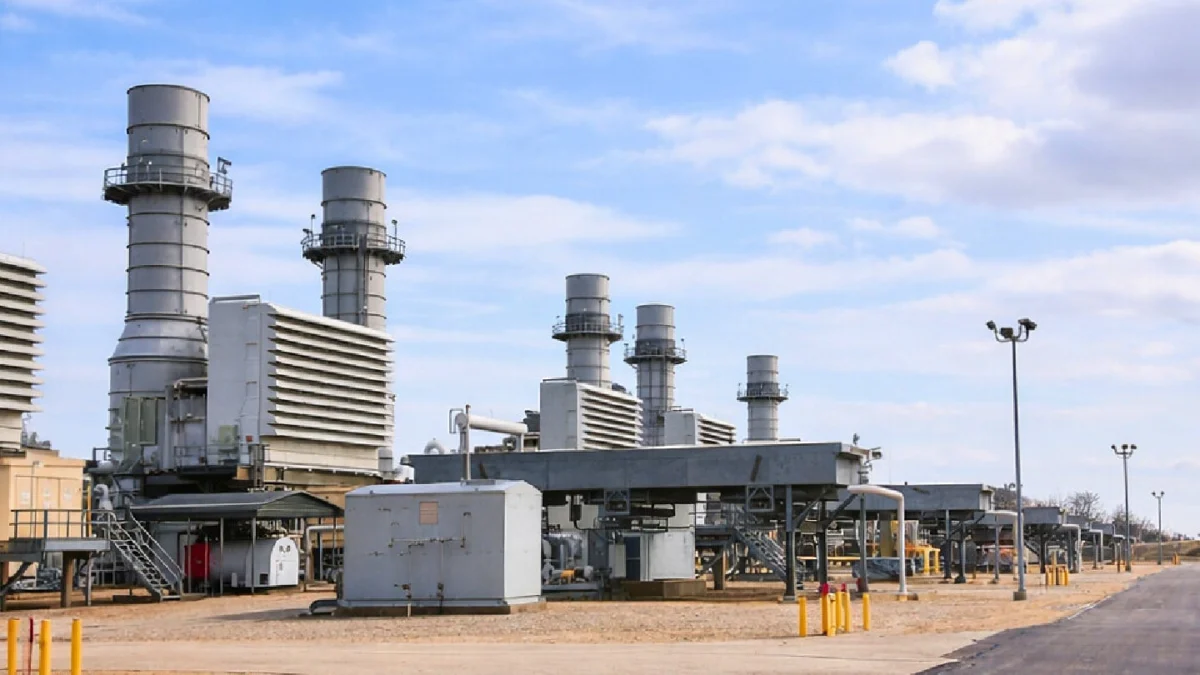
Private equity firm Hull Street Energy (HSE) has officially finalized its acquisition of the "GridFlex Portfolio" from Rockland Capital, marking a significant expansion of its Milepost Power platform. The transaction, which includes the 677MW Lee County Generating Station in Illinois and the 586MW Tait Electric Generating Station in Ohio, adds 1.26GW of essential peaking power capacity to the firm’s rapidly growing US energy footprint.
This acquisition arrives at a critical juncture for the Pennsylvania-Jersey-Maryland (PJM) Interconnection—the largest wholesale electricity market in the United States—which has been grappling with declining reserve margins and an increasingly complex transition toward intermittent renewable energy sources. By integrating these high-flexibility, gas-fired, and dual-fuel assets, HSE aims to bolster grid reliability while positioning its portfolio to capitalize on the volatile pricing cycles inherent in the modern energy transition.
Chronology of the Transaction
The journey toward the integration of the GridFlex Portfolio into the Milepost Power fleet was characterized by strategic deliberation and a clear alignment of interests between the buyer and the seller.
March 2026: Hull Street Energy publicly announces its intention to acquire the Lee County and Tait generating stations, signaling its intent to deepen its footprint within the PJM market.
Spring 2026: Throughout the spring, HSE conducts intensive due diligence on both the gas-turbine-based Lee County facility and the dual-fuel Tait plant, evaluating their operational readiness and maintenance history.
May 2026: Amidst the acquisition process for the GridFlex portfolio, HSE expands its broader strategic ambitions by signing an agreement to acquire FirstLight USA from the Public Sector Pension Investment Board, adding 1.4GW of hydroelectric and renewable capacity to its national portfolio.
August 2026: The transaction officially closes. HSE confirms that funding was secured through a combination of equity from HSE-managed funds and senior secured debt financing, with major financial institutions playing a pivotal role in the capital structure.
Supporting Data: Asset Profiles and Market Context
The acquisition of the GridFlex Portfolio is not merely a quantitative increase in megawatts; it is a qualitative shift in how HSE manages its operational flexibility.
Asset Specifications
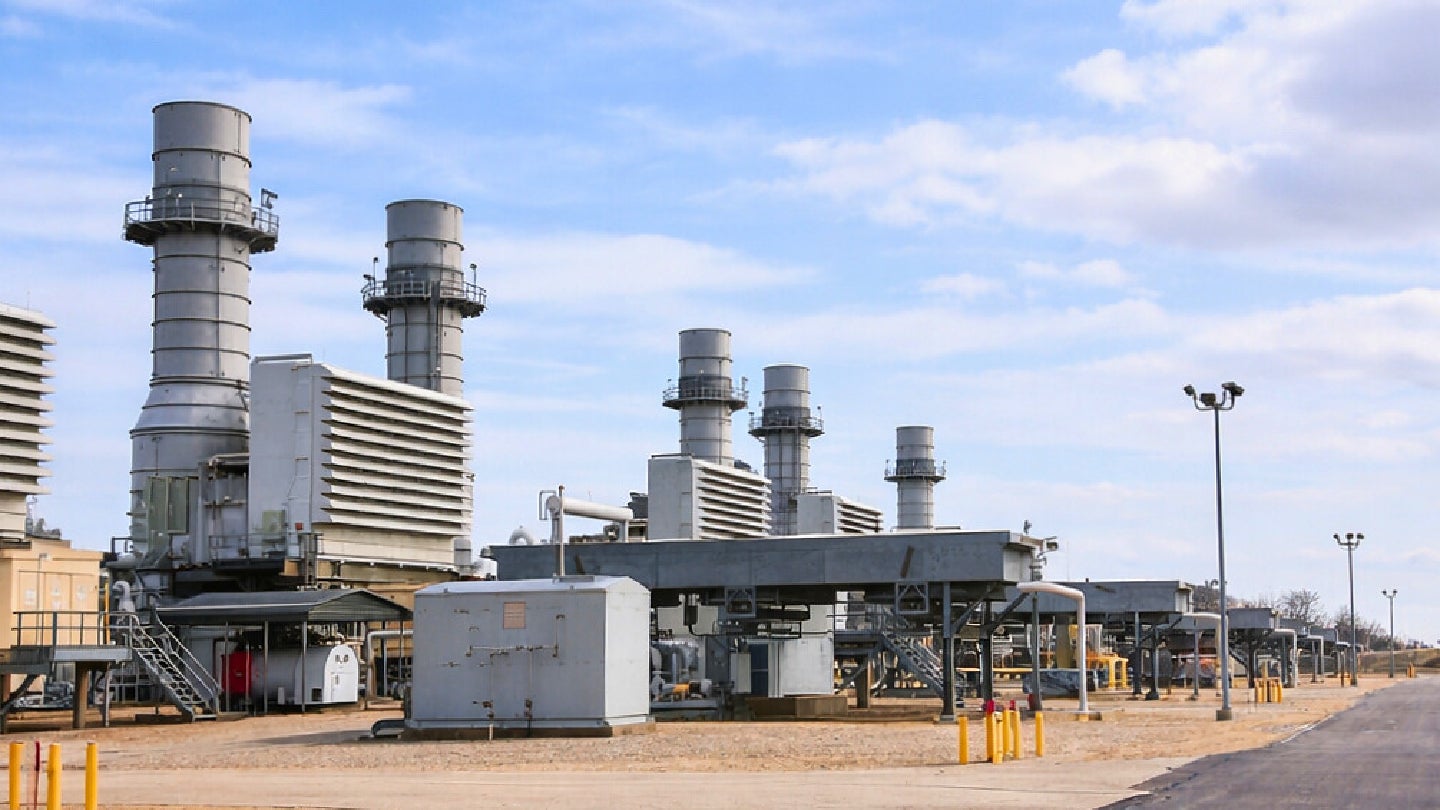
Lee County Generating Station (Dixon, Illinois): A 677MW natural gas turbine facility. These assets are specifically engineered for "peaking" operations—rapidly starting up to meet surges in demand when renewable energy output wanes or consumption spikes.
Tait Electric Generating Station (Ohio): A 586MW dual-fuel power plant. The ability to switch between fuel sources provides a critical hedge against fuel price volatility and supply chain disruptions, a feature that is highly valued in the current geopolitical climate.
Market Dynamics: The PJM Interconnection
The PJM market is currently undergoing a "stress test" of its own. As coal and older, less efficient base-load plants are retired, the regional grid is increasingly reliant on intermittent resources like wind and solar. However, these resources require "firming" or "dispatchable" support. According to industry analysts, the GridFlex assets provide the necessary "spinning reserve" and rapid-response capabilities that prevent grid instability during extreme weather events or peak load periods.
With this acquisition, HSE’s Milepost Power platform now boasts a total generation capacity of nearly 5GW. This scale allows for significant operational synergies, including consolidated fuel procurement, centralized maintenance scheduling, and sophisticated algorithmic trading strategies to optimize the dispatch of power during high-price intervals.
Official Perspectives and Strategic Rationale
The leadership at Hull Street Energy has framed the acquisition as a direct response to the structural challenges facing the North American power grid.
Sarah Wright on Energy Security
Sarah Wright, founder and managing partner of Hull Street Energy, emphasized the necessity of dispatchable resources in a changing landscape:
"Dispatchable resources are increasingly important as the resource mix becomes more intermittent and demand grows. This is particularly true in PJM, where declining reserve margins are increasing the need to retain and improve assets like Lee and Tait."
Wright’s comments underscore a broader industry sentiment: that the energy transition is not a linear move toward renewables alone, but a hybrid model requiring highly efficient, flexible thermal assets to act as the "shock absorbers" for the grid.
Financial and Legal Architecture
The complexity of the deal required a sophisticated array of advisors. The financing was orchestrated by Santander and Investec, who served as joint lead arrangers and joint bookrunners. Santander’s additional role as the administrative agent highlights the scale of the credit facilities required to close a transaction of this magnitude.
Legal and advisory teams involved included:
Troutman Pepper Locke: Provided legal counsel to HSE.
PEI Global Partners & Houlihan Lokey: Acted as financial advisors to HSE.
Bracewell: Provided legal counsel to the seller, Rockland Capital.
Broader Implications: A New Era for Milepost Power
The acquisition of the GridFlex portfolio is the second major pillar in a transformative year for Hull Street Energy. By simultaneously pursuing thermal assets (GridFlex) and clean energy assets (FirstLight USA), HSE is creating a "barbell" strategy.
The Barbell Strategy
By holding both traditional gas-fired peaking assets and large-scale hydroelectric/renewable assets (like the 1.17GW Northfield Mountain pumped storage facility), HSE is effectively insulating itself against regulatory and market risks.
Grid Reliability: The gas assets ensure HSE can fulfill its obligations to grid operators during times of high demand, capturing premium capacity payments.
Sustainability Targets: The FirstLight acquisition, with its significant hydroelectric and battery storage assets, allows the firm to participate in the long-term decarbonization of the grid.
Regional Diversification: While GridFlex deepens HSE’s presence in the PJM market, the FirstLight assets expand their influence into the New England and Northeast power markets, creating a multi-regional footprint that is more resilient to local weather-related outages.
Implications for the Future of Peaking Plants
The "Lee and Tait" model—retaining and improving existing peaking assets rather than decommissioning them—is likely to become a blueprint for other private equity firms. As the cost of building new greenfield thermal capacity rises due to supply chain inflation and permitting delays, the "buy and optimize" strategy employed by HSE is becoming the gold standard for infrastructure investment.
Furthermore, as PJM continues to implement stricter capacity market rules, assets that can prove their reliability and availability during extreme weather events will become increasingly valuable. HSE’s investment is a long-term bet that the market will continue to reward reliability over pure generation volume.
Conclusion: The Path Forward
The integration of the GridFlex Portfolio into the Milepost Power platform marks the conclusion of a significant chapter for both Rockland Capital and Hull Street Energy. For Rockland, the divestment represents a successful exit from a highly specialized, high-value asset class. For HSE, it marks the beginning of an operational phase where the focus shifts to maximizing the efficiency, safety, and dispatch capabilities of the Lee and Tait stations.
As the energy landscape continues to evolve, the importance of these 1.26GW of capacity cannot be overstated. They are the silent guardians of the grid, ensuring that when the sun sets or the wind dies down, the power remains on. With the completion of this deal, Hull Street Energy has solidified its position as a central player in the ongoing transformation of the American power sector, bridging the gap between today’s thermal reliance and tomorrow’s electrified future.
In a landmark development for the renewable energy landscape of the Middle East, global photovoltaic (PV) leader Trinasolar has officially entered into a memorandum of […]
In a landmark development for the global renewable energy transition, Quaise Energy—a pioneer in deep-earth geothermal technology—has successfully closed a $180 million Series B equity […]
The landscape of the North American energy sector is on the precipice of a historic transformation. On September 3, 2026, shareholders of utility giants NextEra […]