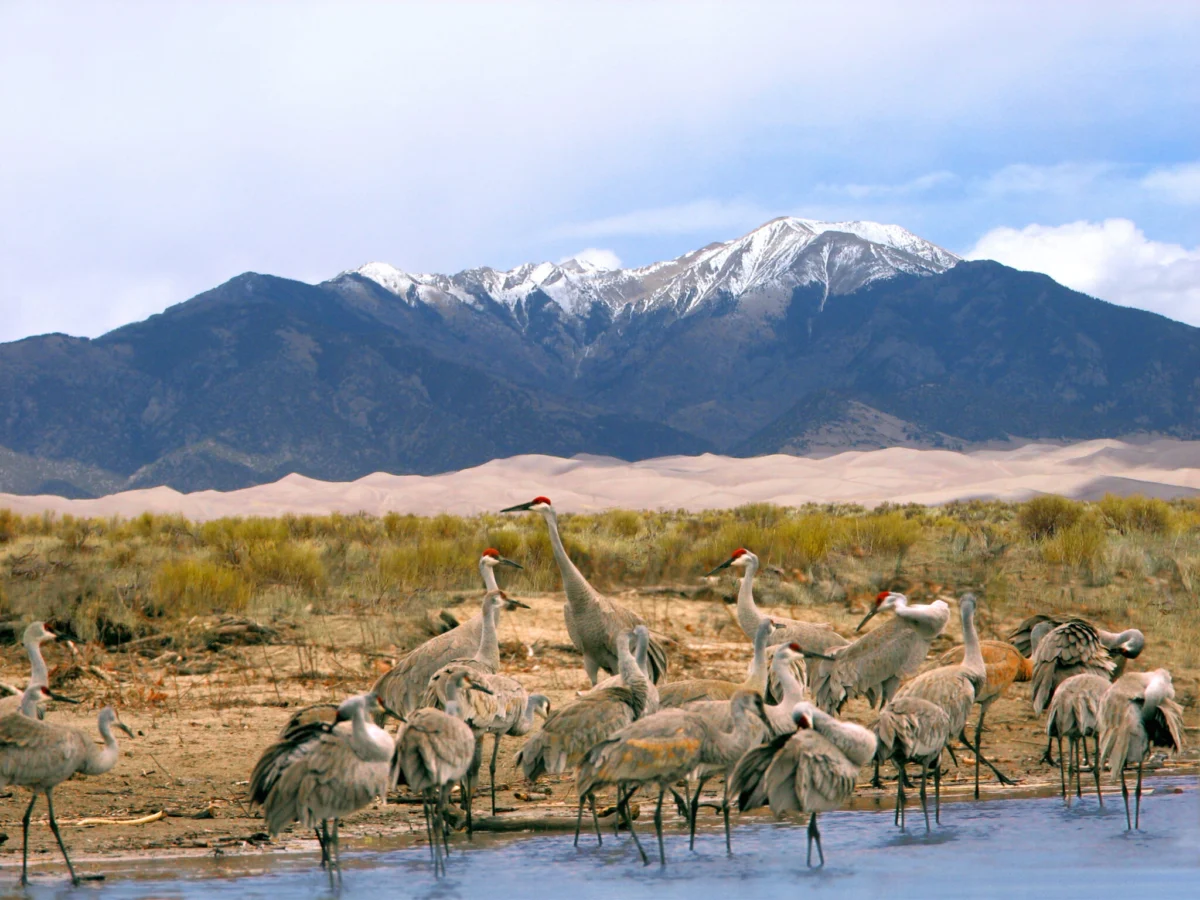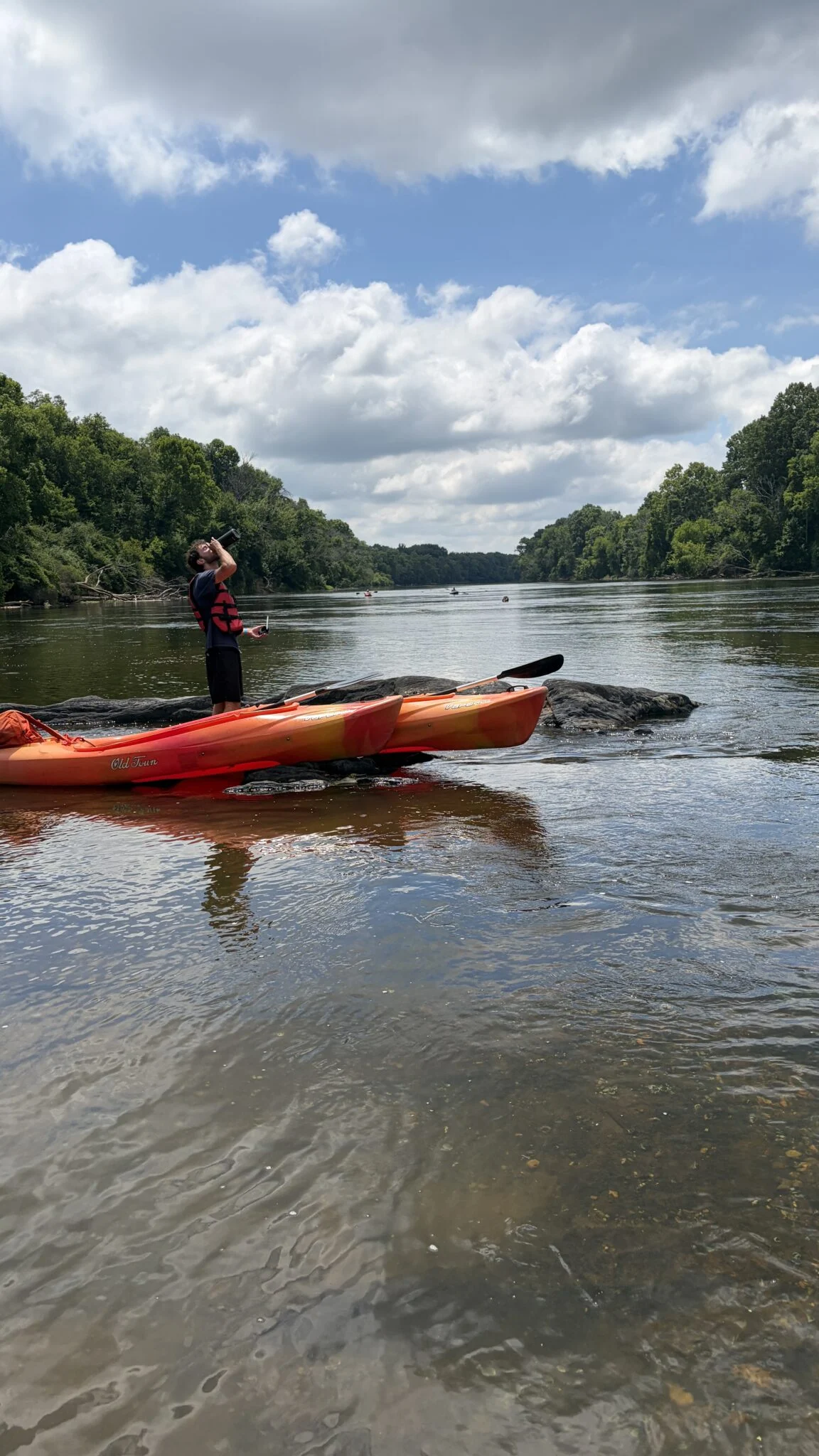
For more than half a century, the Endangered Species Act (ESA) has served as the bedrock of American conservation. Enacted with overwhelming bipartisan support in 1973, the legislation was designed to be the ultimate safety net, preventing the permanent disappearance of flora and fauna from our planet. By prohibiting the "harm" of protected species, the law has successfully pulled countless organisms back from the brink. However, a seismic shift in federal policy has now cast a shadow over these successes, raising an urgent question: How can we expect to save endangered wildlife if we systematically dismantle the very environments they require to survive?
A Fundamental Shift in Legal Interpretation
In a move that has drawn sharp criticism from conservationists and legal scholars alike, the current administration recently altered the regulatory definition of "harm" under the Endangered Species Act. Crucially, this new interpretation excludes the destruction of "habitat" from the definition of prohibited activities.
For decades, the legal and scientific consensus was clear: you cannot protect a species without protecting the environment that sustains it. By effectively decoupling the survival of a species from the integrity of its ecosystem, the administration has left vast swaths of critical habitat—the lifeblood of biodiversity—vulnerable to industrial development, resource extraction, and degradation. This policy reversal marks a departure from decades of established scientific understanding and legal precedent, effectively stripping the ESA of one of its most potent mechanisms for preventing extinction.
Chronology of Conservation and Contention
To understand the severity of this change, one must look at the historical trajectory of the ESA:
- 1973: The Endangered Species Act is signed into law, establishing a mandate to protect species and the "critical habitat" upon which they depend.
- 1970s–1990s: The Fish and Wildlife Service (FWS) reinforces the link between habitat protection and species recovery. The Supreme Court repeatedly upholds the FWS definition of "harm," acknowledging that destroying an animal’s home is synonymous with harming the animal itself.
- 2000s–2020s: Conservationists achieve landmark successes, such as the recovery of the Roanoke logperch, largely through habitat restoration, including the removal of obsolete dams and the reconnection of river corridors.
- 2026 (Recent Month): The administration formally revises the definition of "harm," narrowing its scope to exclude habitat destruction, sparking immediate backlash from environmental advocacy groups.
The Invisible Engine of Ecosystems: Freshwater Mussels
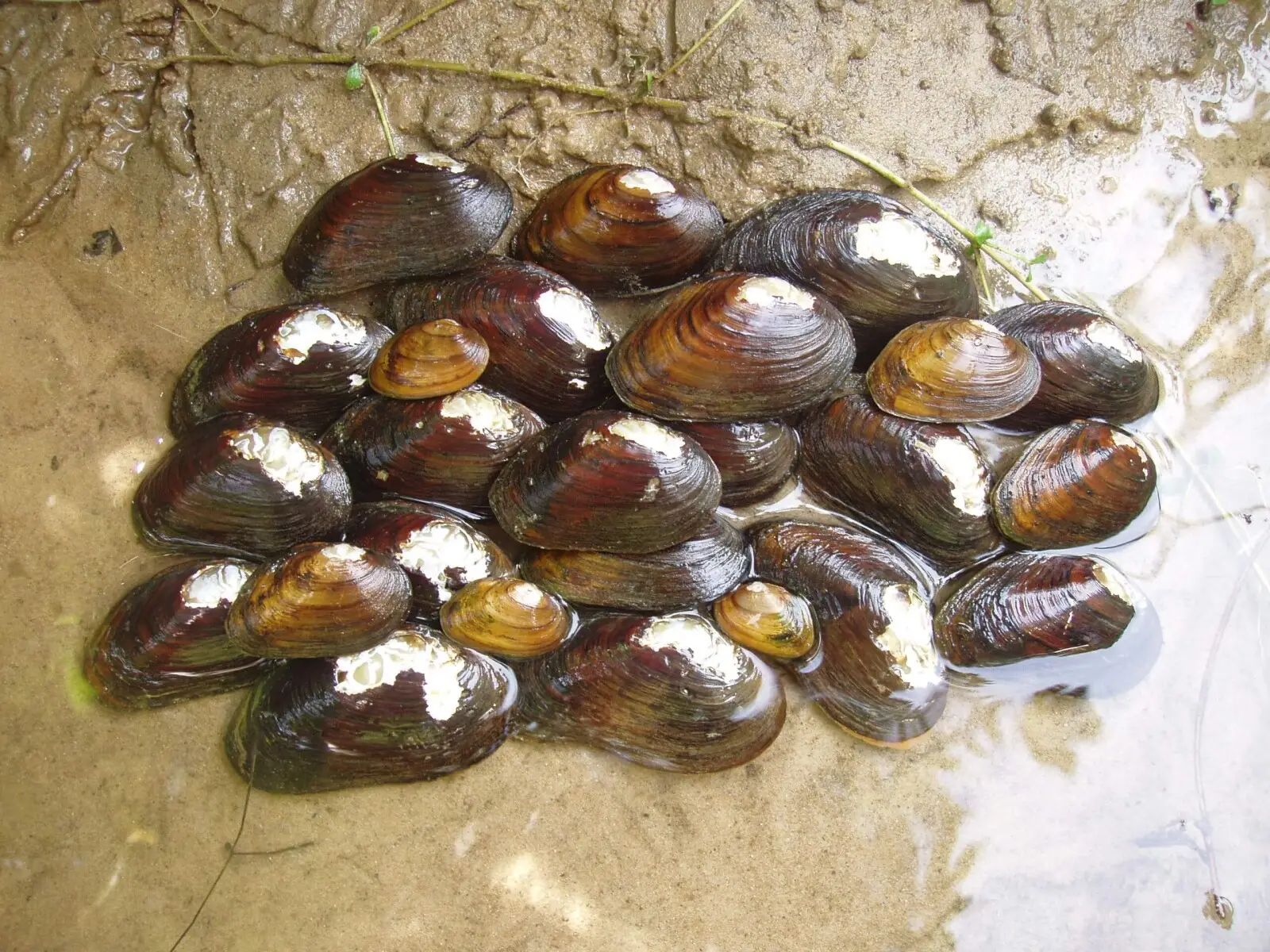
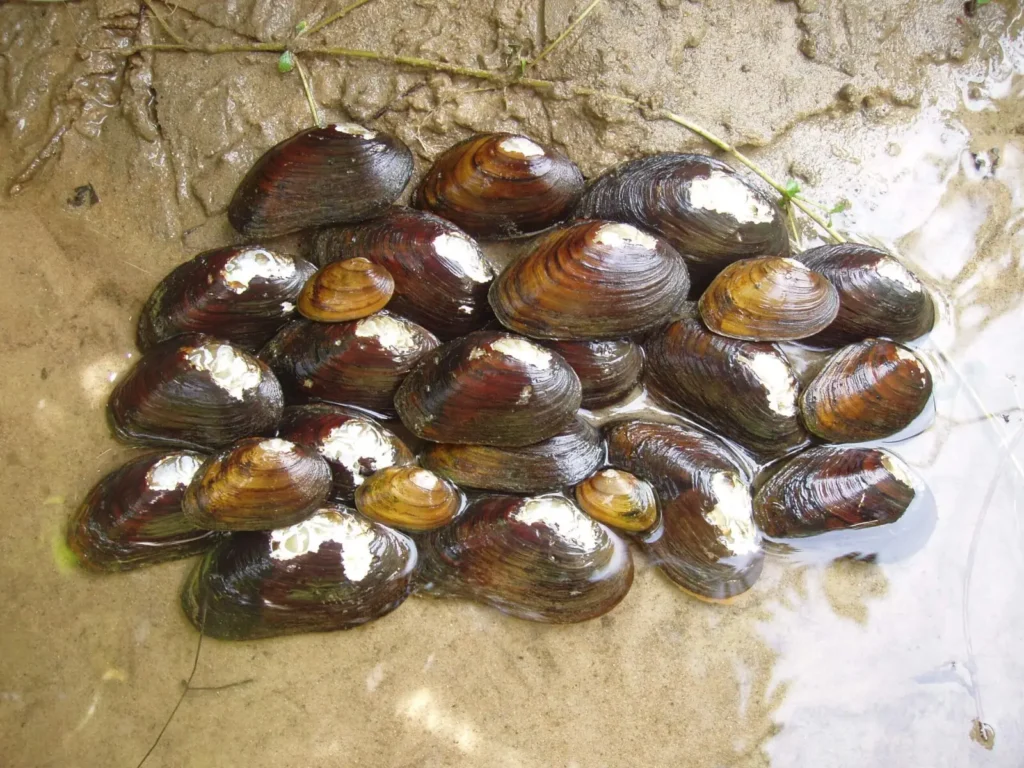
Among the species most imperiled by this policy change are freshwater mussels—often described as the "breathing rocks" of our rivers. While they may appear unremarkable to the casual observer, these bivalves perform a heroic service for the environment. As filter-feeders, a single mussel can filter up to 30 gallons of water per day, effectively removing harmful pathogens like E. coli and pollutants, thereby maintaining the water quality upon which humans and other wildlife depend.
The life cycle of the mussel is a testament to the interconnectedness of river systems. Their larvae, or glochidia, often hitch a ride on the gills of host fish, traveling upstream to colonize new territories. This reliance on both river flow and healthy fish populations makes them the "canary in the coal mine" for freshwater health. When a river is dammed, polluted, or dredged, the mussels are the first to perish. With the new regulatory loophole, the rivers these creatures call home are now significantly more exposed to unchecked development, putting these vital biological filters at risk of localized—and perhaps total—extinction.
Supporting Data: A Global and Local Emergency
The statistics surrounding freshwater biodiversity are staggering. According to recent data from organizations such as the World Wildlife Fund (WWF), freshwater species are currently going extinct at a rate significantly higher than those inhabiting terrestrial or oceanic environments.
- Quarter of the World: Approximately 25% of all freshwater wildlife worldwide is currently classified as at risk of extinction.
- Habitat Loss as the Primary Driver: Habitat degradation is the leading cause of biodiversity loss globally. When regulators remove habitat protection, they are essentially accelerating the primary driver of the extinction crisis.
- The Logperch Precedent: The success of the Roanoke logperch serves as a data-backed argument for habitat-centric conservation. After 36 years of protection and the strategic removal of four obsolete dams, the species was successfully delisted. This success was not an accident; it was the result of a deliberate, agency-led effort to restore the physical connectivity of the river.
The Official Response and Legal Implications
The administration’s decision to redefine "harm" is framed by some officials as a move toward "regulatory streamlining" and reducing the burden on industry. However, critics argue that this approach ignores the ecological reality that the economy is a wholly-owned subsidiary of the environment.
By failing to account for the indirect, long-term harm caused by habitat loss, the government is essentially ignoring the "take" prohibition—the section of the ESA that forbids the killing of endangered species. If a company destroys a spawning ground or a primary feeding area, they are effectively killing the population, even if they never touch an individual animal. Legal experts warn that this narrow definition will likely lead to a surge in litigation, as the current interpretation directly contradicts the spirit and the letter of the original 1973 legislation.
The Path Forward: Can We Reconcile Development and Preservation?
The situation is dire, but not hopeless. The recent recovery of the Roanoke logperch provides a blueprint for what is possible when local, state, and federal agencies align under a common goal. When the focus is on reconnecting river habitats rather than prioritizing short-term extractive gains, species can bounce back.
However, the current trajectory suggests a shift toward a more permissive environment for developers, which creates a "race to the bottom" for habitat preservation. To reverse this, proponents of the ESA argue for:
- Legislative Reaffirmation: A clear congressional signal that the original intent of the ESA included, and must continue to include, robust habitat protection.
- Scientific Integrity: Ensuring that regulatory definitions are guided by peer-reviewed biological data rather than political expediency.
- Public Engagement: Continued pressure on federal agencies to acknowledge the intrinsic value of biodiversity and the ecosystem services—like clean water—that endangered species provide.
Conclusion: A Call to Stewardship
The crisis facing our rivers and the species that inhabit them is a reflection of a broader struggle: the tension between immediate human convenience and long-term ecological survival. As we move further into the 21st century, the importance of healthy rivers—and the mussels, hellbenders, and fish that define them—will only increase as climate change continues to impact water security.

The removal of "habitat" from the definition of "harm" is not merely a bureaucratic technicality; it is a fundamental shift in our national values. To protect the future of our wildlife, we must recognize that we cannot separate the creature from the environment. Saving the habitat is not just a matter of conservation; it is a matter of survival. As the data shows, when we commit to the restoration of the environment, nature has a remarkable capacity to recover. But that recovery is only possible if we first commit to keeping the landscape—and the waters—alive.